


Whether you are looking for a rapid weight-loss strategy to get back on track or you want to implement sustainable, long-term lifestyle changes, understanding your nutritional options is the first step. When it comes to shedding pounds and improving metabolic health, adopting a low-carb diet can work wonders by reducing your body’s reliance on processed sugars.
Table of Contents
ToggleCurrently, two primary strategies dominate the wellness conversation: the ketogenic (keto) diet and the standard low-carb diet. While both have proven exceptionally effective for weight management, choosing the right path depends on your unique health goals and activity levels. To help you decide, we will break down the essential differences between a high-intensity Keto plan, a flexible low-carb diet, and the world-renowned Mediterranean diet to find the perfect fit for your heart and health.

The Mediterranean diet, which encourages the consumption of whole foods, has been proven to reduce the risk of many cardiovascular diseases and diabetes.
This diet consists of an abundance of vegetables, fruits, whole grains, eggs, and nuts with a moderate amount of good fat. The Mediterranean diet discourages excessive consumption of red meat, but it doesn’t restrict lean beef.
The Mediterranean diet isn’t a strict dietary regimen. It is, however, a more focused approach to consuming natural, healthy foods. Therefore, this diet is sustainable and easy to follow.
The Keto Diet
The ketogenic diet is a high-fat, low-carb regimen that shifts your body's energy dependence away from sugar. By inducing ketosis, your body metabolizes stored fat for energy, facilitating rapid weight loss.
Research suggests efficacy against various conditions, including diabetes, Alzheimer's, and certain cancers.
The Mediterranean
Focusing on whole foods, this approach emphasizes vegetables, fruits, whole grains, eggs, and nuts. It encourages moderate "good" fats and lean proteins while discouraging excessive red meat.
Proven to reduce risks of cardiovascular disease and diabetes through a sustainable, natural approach to eating.
So the big question, low carb vs keto, which diet is better?
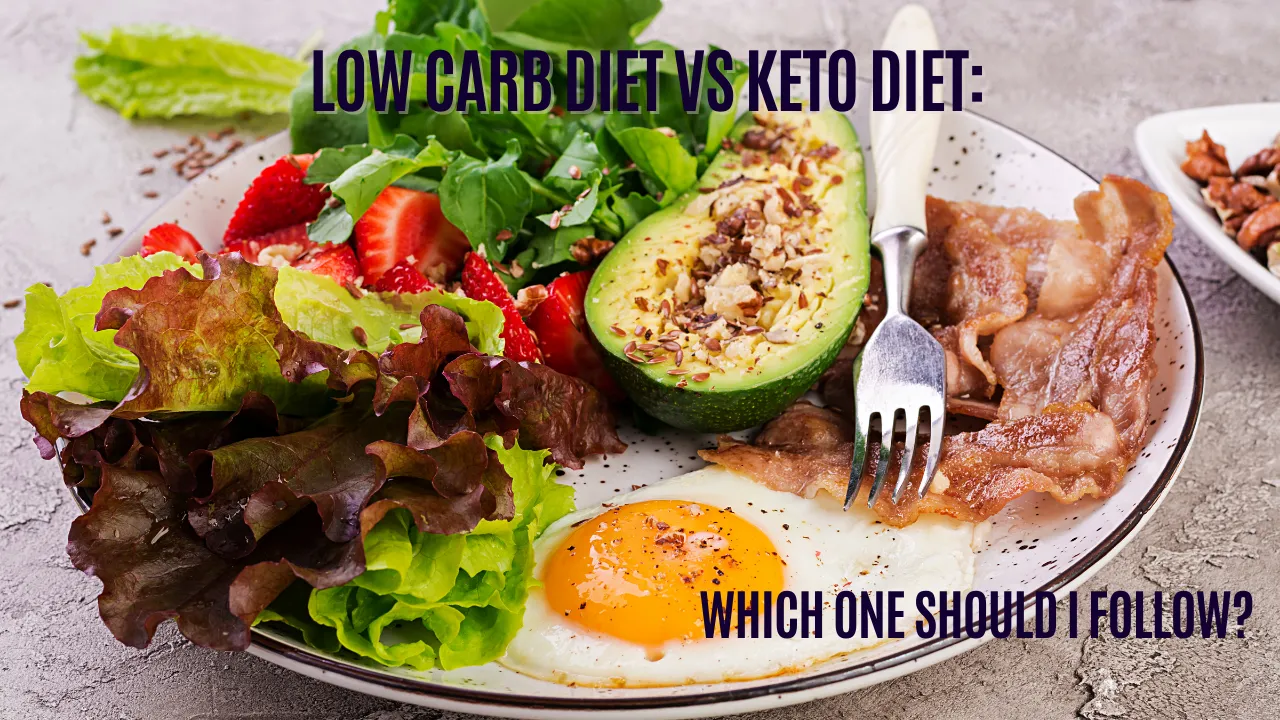
It depends on what you’re dieting for. If you have lots of fat to burn in less time, the keto diet is perfect. The tough part is that there are almost no carbohydrates. This diet means no sugar, whole grains, or fruits except berries. Only foods rich in protein, like eggs, bacon, and fish, especially salmon, trout, and mackerel, are encouraged.
Unlike the keto diet, the Mediterranean diet will not show immediate results, but you get to enjoy all fruits and vegetables. While speaking with an insider, I learned that no foods are off-limits on the Mediterranean diet. The Mediterranean diet allows you to work with any food that you like to prevent diseases.
Cardiovascular Consensus
The AHA Caution
The American Heart Association (AHA) explicitly cautions individuals at risk of cardiovascular disease against high-fat regimens like the Keto diet.
While metabolic shifts are rapid, the lipid profile impact remains a primary concern for long-term heart health.
The Gold Standard
The Mediterranean diet is actively encouraged for heart health and has been consistently ranked as the #1 overall diet.
Ideal for long-term sustainability with no significant downsides.
Professional Guidance: Long-term weight loss on any plan requires proper exercise. Before implementing significant dietary shifts, always consult your physician to ensure the plan aligns with your cardiovascular profile.
The Global Plate & Cardiovascular Wellness
When evaluating low-carb vs. keto for heart health, the distinction often comes down to the quality of fats and the “hidden” ingredients in our favorite international dishes. While a ketogenic approach offers rapid weight loss, the American Heart Association often favors a moderate low-carb or Mediterranean diet to ensure long-term arterial health.
The challenge frequently arises when dining out, particularly with Southeast Asian cuisine. Many are surprised by the hidden sugars in Asian sauces—where palm sugar, hoisin, and sweetened soy sauce can quickly turn a lean protein dish into a high-glycemic event.
To stay on track, focus on finding blood sugar-friendly Thai food options. Instead of heavy curries or noodle-based dishes, look for “Larb” (minced meat salad with herbs) or steamed fish with lime and garlic. These choices let you enjoy the region’s vibrant flavors without the insulin spikes associated with processed glazes.
The Metabolic Breakdown: Low Carb vs. Keto
The main difference lies in the degree of restriction. A typical low-carb diet allows between 50 and 150 grams of carbohydrates per day. In contrast, the Ketogenic diet is much stricter, usually limiting intake to under 50 grams (and often as low as 20g) to force the body into a state of ketosis.
In a Low-Carb diet, your body still primarily uses glucose for energy but in a more efficient way. In the Keto diet, your metabolism undergoes a fundamental shift; it moves away from sugar entirely and begins burning ketones produced from fat stores. This makes Keto a "metabolic state" rather than just a calorie-reduction plan.
Yes. Low-carb diets often encourage high protein intake. However, in a strict Ketogenic diet, protein must be kept at a moderate level. This is because excessive protein can be converted into glucose through a process called gluconeogenesis, which can potentially kick you out of ketosis.
The Low-Carb diet is generally considered more sustainable and easier to follow in social settings, as it allows for a wider variety of fruits and vegetables. The Keto diet is often used for rapid weight loss or therapeutic reasons (like managing epilepsy or diabetes) but requires meticulous tracking.
You can find more detailed comparisons in our guide on nutritional strategies for heart health.
Executive Summary: Navigating Modern Nutrition
The debate between rapid metabolic intervention and long-term sustainability often centers on the low-carb diet and its stricter counterpart, the ketogenic diet. While both focus on reducing sugar intake, a low-carb diet offers a more flexible range (50–150g of carbs), making it highly sustainable for individuals managing their blood sugar without the rigid constraints of clinical ketosis.
Conversely, the Mediterranean approach stands as the “Gold Standard” for heart health, emphasizing whole foods and healthy fats. For those seeking a balance between results and lifestyle ease, adopting a low-carb diet provides a powerful middle ground that supports metabolic health while allowing for a diverse, nutrient-dense plate.
📢 share this article
✨ tap to share — help others crack the comment code


I read many of your blog posts, cool, your blog is very good. Thanks for sharing.
The Mediterranean diet is more of a lifestyle than a restrictive diet with food “rules.” It aims to incorporate the nutritious foods traditionally eaten in the areas surrounding the Mediterranean Sea, including plenty of whole grains, fruits, vegetables, beans, lentils, seafood, and healthy fats like olive oil and nuts
Low Carb Diet: Benefits Beyond Weight Loss
Es importante recordar que ‘quemar grasa’ no se trata solo de la dieta en sí, sino también de factores como la genética, los niveles de actividad, el sueño y el manejo del estrés. Si bien las dietas vegana y carnívora pueden influir en estos indirectamente, un enfoque holístico es probablemente la forma más efectiva y sostenible de lograr tus objetivos de salud.