
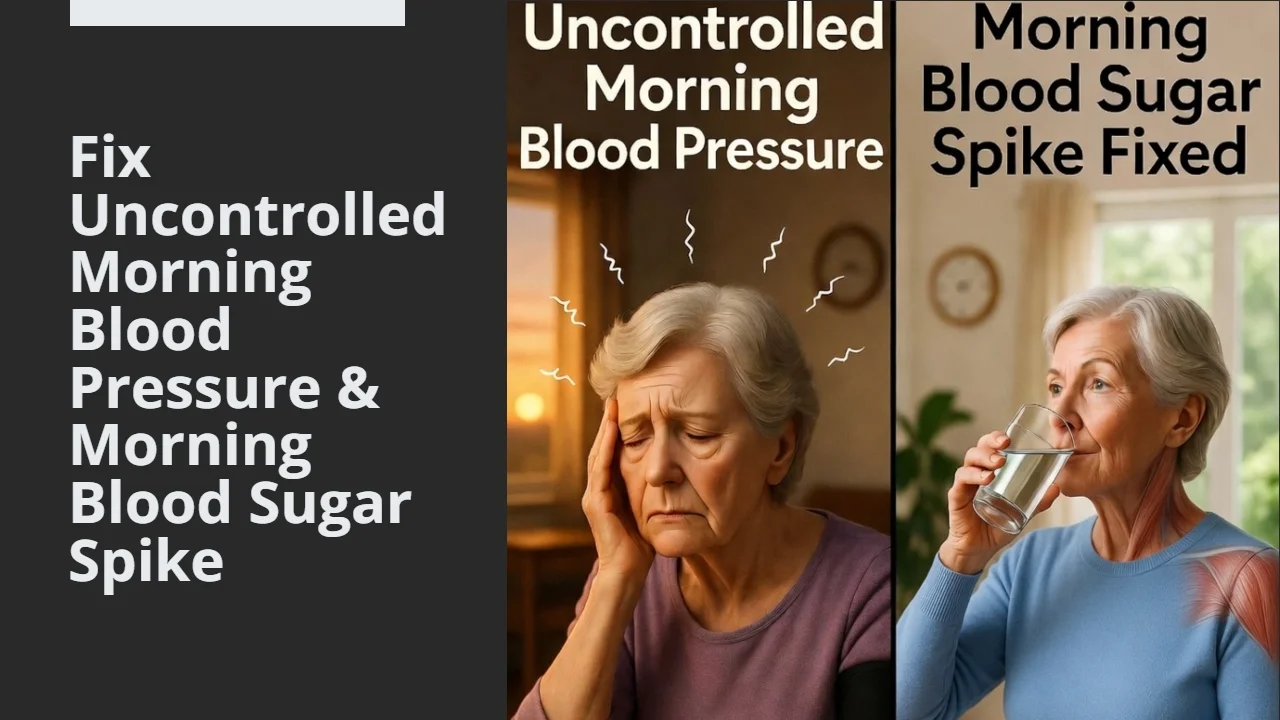
Uncontrolled Morning Blood Pressure & Morning Blood Sugar Spike: A Guide: When you wake up, your body goes through a natural process called the “morning surge.” Your brain releases hormones like cortisol and adrenaline to help you rise and start the day. These hormones temporarily raise your blood pressure and signal your liver to release stored glucose (sugar) for energy.
- Uncontrolled Morning Blood Pressure - Quick Techniques to Lower Morning BP
- 🌿 Lifestyle Changes That Can Help Lower Blood Sugar Levels
- 💧 Lowering Blood Sugar in the Morning with Tai Chi & Water Workouts
- 📊 Diabetes in North America: Statistics and Future Expectations
- Summary: Take Control of Your Mornings
For most healthy people, this surge is harmless. But for seniors with hypertension (high blood pressure), diabetes, or prediabetes, the morning hours can be a high-risk window.
What happens inside your body between 6 AM and 10 AM:
| Factor | Effect on Blood Pressure | Effect on Blood Sugar |
|---|---|---|
| Cortisol & adrenaline spike | ↑ Increases (vascular constriction) | ↑ Increases (liver releases glucose) |
| Overnight dehydration | ↑ Increases (blood becomes thicker) | ↔ Neutral (but worsens overall health) |
| Empty stomach (fasting) | ↔ Minimal effect | ↓ Can cause dips or spikes after eating |
| Morning stiffness (inactivity) | ↑ Increases vascular resistance | ↓ Reduces glucose uptake by muscles |
💡 Key takeaway: The same morning habits that lower blood pressure also help stabilize blood sugar – and vice versa.
Uncontrolled Morning Blood Pressure - Quick Techniques to Lower Morning BP
Safe, natural ways to stabilize your circulation upon waking.
Deep Breathing
Inhale for 4s, hold for 2s, exhale for 6s. This activates the parasympathetic nervous system to calm the body instantly.
Immediate Hydration
Drink a full glass of water. Dehydration thickens blood, forcing your heart to pump harder and raising pressure.
Morning Movement
Gentle stretching or yoga reduces vascular resistance and stiffness, improving overall morning blood flow.
Limit Salt & Caffeine
Avoid heavy coffee and sodium spikes first thing. Opt for green tea or herbal infusions to prevent sudden spikes.
Stress Reduction
Cortisol peaks in the morning. Calming music or meditation counters these stress hormones before they impact your BP.
Warm Water Therapy
A warm shower or foot soak dilates blood vessels, naturally improving circulation and reducing tension.
🌅 Sample Morning Routine for Better Numbers (30 minutes)
- 6:30 AM – Wake & Hydrate: Drink 1 full glass of water (add lemon if desired).
- 6:35 AM – Deep breathing: 5 minutes (inhale 4 sec, hold 2, exhale 6).
- 6:45 AM – Gentle movement: 10 minutes of Tai Chi or stretching.
- 7:00 AM – Warm shower or foot soak: 5 minutes to dilate blood vessels.
- 7:15 AM – Breakfast: High-protein, low-sugar (e.g., eggs + avocado, Greek yogurt with nuts). Avoid salty or sugary cereals.
💡 Pro tip: Check your blood pressure and blood sugar at the same time each morning (before eating) to track progress.
- Diabetes in North America
- Life Changes - A Must!
- Lowering Blood Sugar in the Morning with Tai Chi
- Uncontrolled Morning Blood Pressure - Quick Techniques to Lower Morning BP
🥗 Senior-Friendly Meal Ideas for Stable Blood Sugar
Scrambled eggs + spinach + 1 slice whole-grain toast
Tuna salad on lettuce wrap + side of berries
Baked salmon + roasted broccoli + ½ cup quinoa
Greek yogurt + walnuts or celery with peanut butter
🚫 Limit or avoid: Sugary drinks, white bread, white rice, pastries, and salty processed meats.
🌿 Lifestyle Changes That Can Help Lower Blood Sugar Levels
Exercise
To achieve the goal of lower blood pressure in the morning, you need regular physical activity to help you feel better. Add exercise to your daily routine. Have a realistic goal and make a plan.
What exercises will you do, and when?
- Morning stretch (5 min)
- Afternoon walk (15-20 min)
- Evening chair exercises
Eat a Well-Balanced Diet
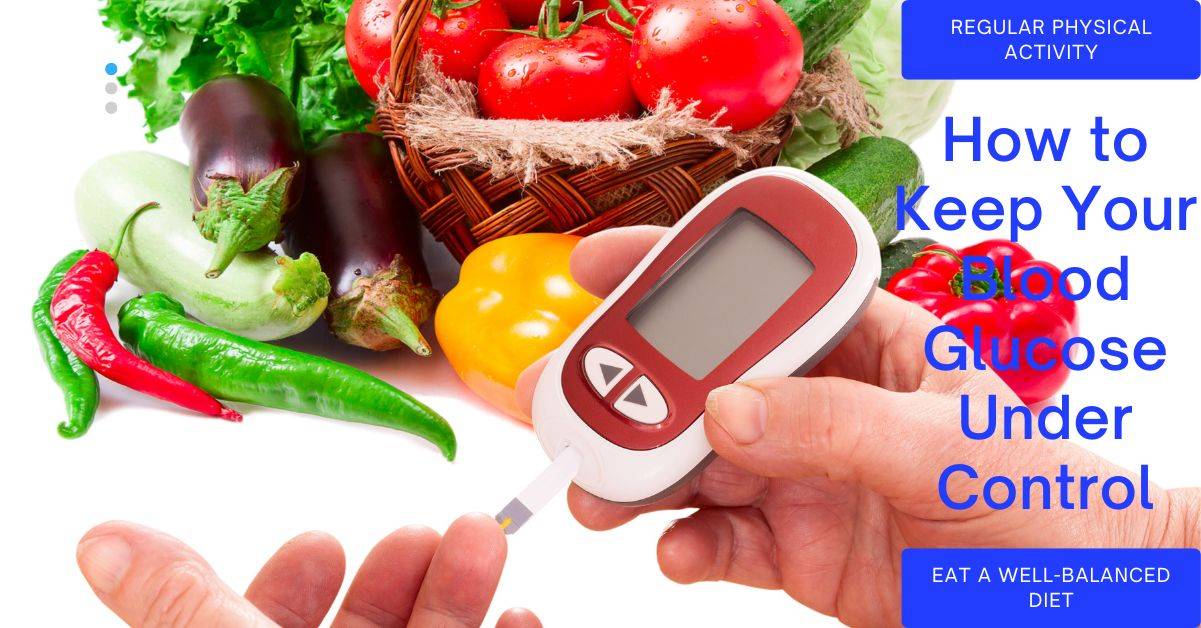
In order to keep your blood sugar level, fill half your plate with non-starchy vegetables:
- Asparagus, broccoli, carrot, cucumber
- Salad greens, squash, tomatoes
Also include beans, berries, citrus fruits, lean meat, nuts, poultry, or fish.
Reduce Stress
If something has you bothered, try to make changes that can help you relax. Do whatever works for you:
- Exercise or gentle movement
- Spend time with friends
- Meditate or deep breathing
- Replace negative thoughts with positive ones
Quit Smoking
Kick the habit. It'll give you better control of your blood sugar levels. As simple as it sounds, this is essential for your heart, lungs, and glucose stability.
Cut Back on Alcohol
Drinking alcohol can drop blood sugar to dangerous levels. When you drink, the liver has to work to remove the alcohol from the blood instead of regulating blood sugar.
- Limit to 1 drink per day (women) or 2 (men)
- Never drink on an empty stomach
- Check blood sugar before and after
- Diabetes in North America
- Life Changes - A Must!
- Lowering Blood Sugar in the Morning with Tai Chi
- Uncontrolled Morning Blood Pressure - Quick Techniques to Lower Morning BP
💧 Lowering Blood Sugar in the Morning with Tai Chi & Water Workouts
Managing diabetes or prediabetes often requires lifestyle changes, and exercise is one of the most effective strategies to lower blood sugar levels naturally. While traditional workouts are helpful, gentle practices like Tai Chi and water workouts offer unique benefits for glucose control.
Tai Chi for Blood Sugar Control
Tai Chi is a centuries-old Chinese practice that combines slow, flowing movements with deep breathing and mindfulness.
✅ Proven Benefits
- Improves insulin sensitivity
- Enhances circulation
- Reduces stress (lowers cortisol)
- Balances mind and body
Water Workouts for Glucose Balance
Water workouts, including swimming, water aerobics, and resistance training in the pool, are excellent low-impact options.
✅ Why It Works for Seniors
- Buoyancy reduces joint stress (ideal for arthritis)
- Natural water resistance builds muscle
- Burns calories and regulates glucose
- Improves cardiovascular endurance
🔄 Combining Tai Chi and Water Exercise
For individuals seeking to diversify their fitness regimen, alternating Tai Chi with water workouts creates a well-rounded routine that benefits both body and mind.
- Tai Chi enhances relaxation and mindfulness
- Aquatic exercise provides cardiovascular and muscular benefits
- Together: steady glucose control + reduced complications
- Both are enjoyable and sustainable for long-term consistency
- Diabetes in North America
- Life Changes - A Must!
- Lowering Blood Sugar in the Morning with Tai Chi
- Uncontrolled Morning Blood Pressure - Quick Techniques to Lower Morning BP
📊 Diabetes in North America: Statistics and Future Expectations
Diabetes affects over 30 million Americans. If you or someone you love has diabetes, then you already know how important it is to manage blood sugar levels properly.
The American Diabetes Association estimates that nearly 3 out of every 4 adults have pre-diabetes, and almost half of them don't even realize they have it. That means that millions of people are at risk of developing type 2 diabetes.
| Category | Details |
|---|---|
| 📈 Prevalence (2021) | 38.4 million Americans (11.6% of the population) had diabetes, including diagnosed and undiagnosed cases. |
| 🩺 Types |
• Type 1: 1.25 million • Type 2: 30.3 million • Gestational diabetes: 140,000 pregnant women • Prediabetes: 97 million |
| 🌍 Disparities by Race |
• Non-Hispanic Whites: 7.4% • Non-Hispanic Blacks: 12.1% • Hispanics: 11.8% • Highest prevalence: American Indians/Alaska Natives |
| 📋 Breakdown by Minority Groups | |
| �🏿 African Americans |
Prevalence: 60% more likely to be diagnosed with diabetes than Whites. Mortality: Twice as likely to die from diabetes. Risk Factors: Genetics, higher BMI, fasting glucose, hypertension, socioeconomic barriers. Complications: Heart disease, stroke, kidney disease, amputations. |
| 👨👩👧👦 Hispanic/Latino Americans |
Prevalence: Higher than Whites. Risk Factors: Genetics, obesity, hypertension, cultural diets, limited access to healthcare. |
| 🏞️ American Indians/Alaska Natives |
Prevalence: Highest among all U.S. groups. Risk Factors: Genetics, obesity, hypertension, poverty, limited healthcare access, traditional diets high in carbs. |
| 🔮 Future Expectations | |
| Trends |
• Increasing prevalence • Driven by aging population and obesity epidemic • Substantial economic burden expected to rise |
| 🛠️ Addressing the Epidemic | |
| Prevention | Promote healthy lifestyles, address obesity, early detection/treatment of prediabetes. |
| Improved Treatment | New therapies, medical research, and technology. |
| Education & Awareness | Public campaigns to increase awareness of risk factors and prevention. |
💡 Understanding these numbers helps us advocate for better care and prevention.
Summary: Take Control of Your Mornings
Uncontrolled morning blood pressure and a morning blood sugar spike are not just numbers – they are wake-up calls. Left unmanaged, uncontrolled morning blood pressure increases your risk of stroke and heart attack, while a repeated morning blood sugar spike damages blood vessels and nerves over time.
The good news? The same small actions that lower uncontrolled morning blood pressure also prevent a morning blood sugar spike. Hydrate first thing, move gently for 10 minutes, eat protein (not sugar) at breakfast, and breathe deeply to calm stress hormones.
Remember: uncontrolled morning blood pressure often improves within 2 weeks of consistent morning habits. And a morning blood sugar spike can be reduced by simply adding a high-protein breakfast and a short walk after eating.
Your 3-step action plan starting tomorrow:
Keep a water bottle by your bed – drink it before your feet touch the floor.
Do 5 minutes of deep breathing or gentle stretching before checking your phone.
Eat a protein-rich breakfast (eggs, Greek yogurt, or cottage cheese) – skip the cereal, pastry, or juice.
💙 Your morning sets the tone for your entire day. Start with one small change tomorrow. Your heart and your blood sugar will thank you.
📢 share this article
✨ tap to share — help others crack the comment code


Remember to consult your healthcare provider before starting any new exercise routine,
Reading your article has greatly helped me, and I agree with you. Keeping your blood sugar levels stable is essential for overall health
Great article. Surprising Solutions: How Small Lifestyle Changes Can Impact Blood Sugar
If you need a snack between meals, choose options that won’t cause a sharp rise in blood sugar.
I’ve struggled with this for years and one thing that has helped me is focusing on reducing processed foods and sugary drinks. It’s a journey, not a race, and every little bit counts. What are some healthy swaps you’ve made that have helped you?
Managing my blood sugar level feels like a daily puzzle, but focusing on healthy nutrition has been a game-changer for my diabetes management.