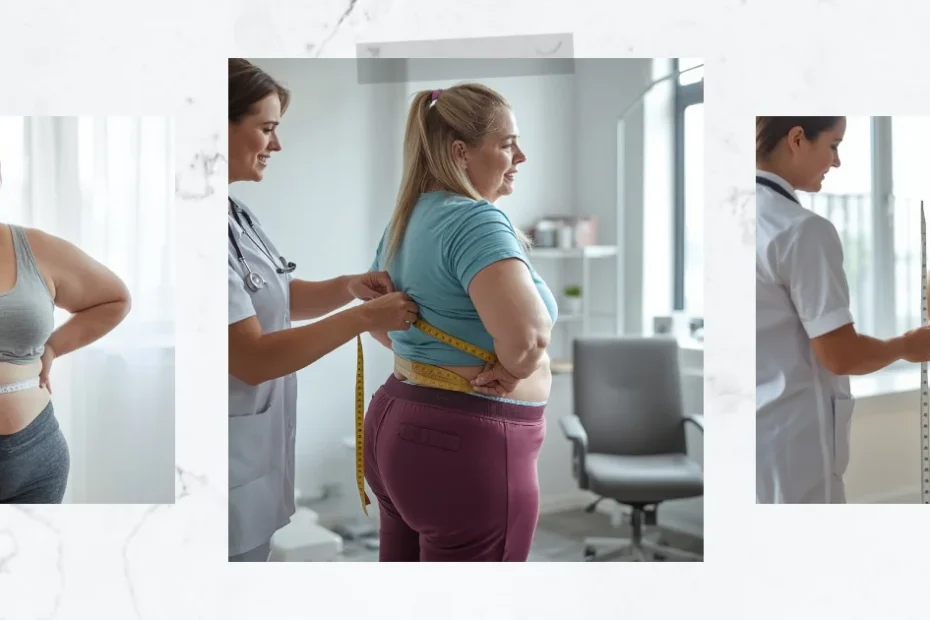
It’s not just men who struggle with understanding body fat—many women also find it confusing to measure and interpret their body composition.
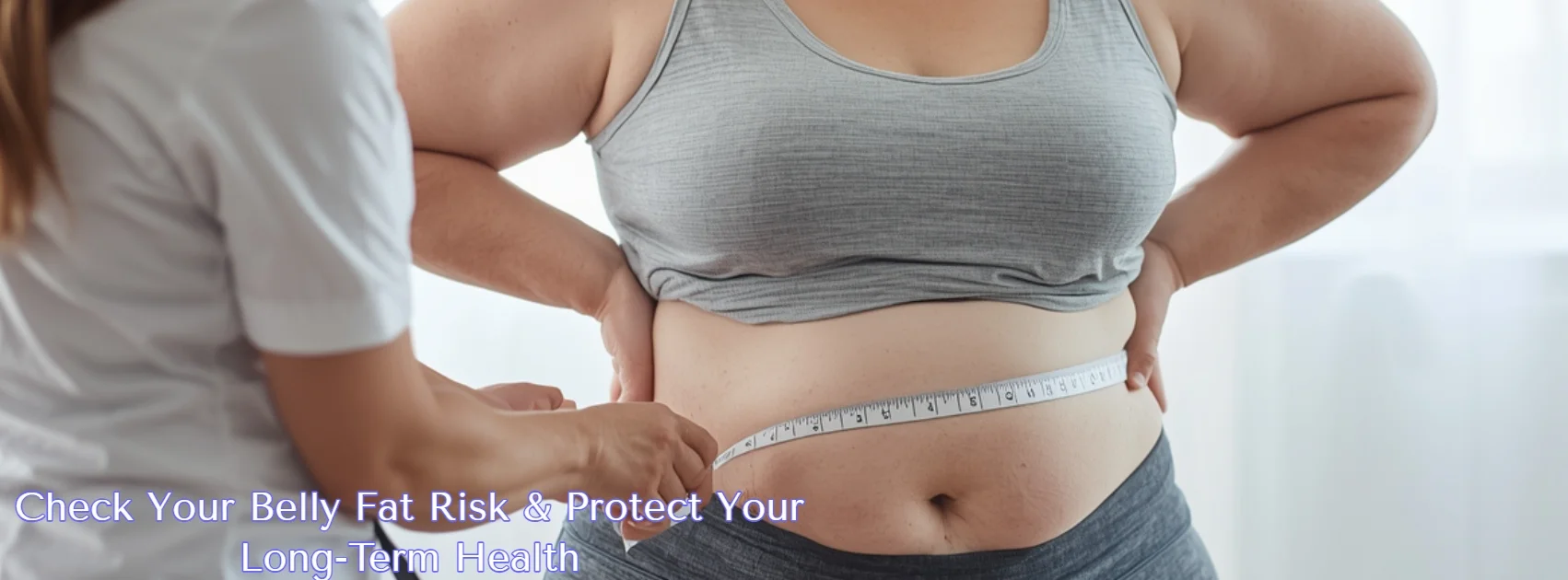
As we age, maintaining a healthy weight becomes less about appearance and more about protecting heart health, mobility, and independence. One of the most important—but often overlooked—health indicators after 60 is not just how much you weigh, but where your fat is stored.
🧠 Waist-to-Hip Ratio vs BMI: Why It Matters More After 60
This is where the waist-to-hip ratio becomes especially valuable.
Unlike BMI, which only looks at total body weight, the waist-to-hip ratio helps identify how much fat is stored around your abdomen. This type of fat—known as visceral fat—is strongly linked to serious health risks such as heart disease, type 2 diabetes, and reduced mobility.
Using a waist-to-hip ratio calculator gives you a clearer picture of your personal risk level—and more importantly—helps you understand what steps to take to improve your health safely after 60.
Calculating Waist-to-Hip Ratio: A Simple and Effective Method
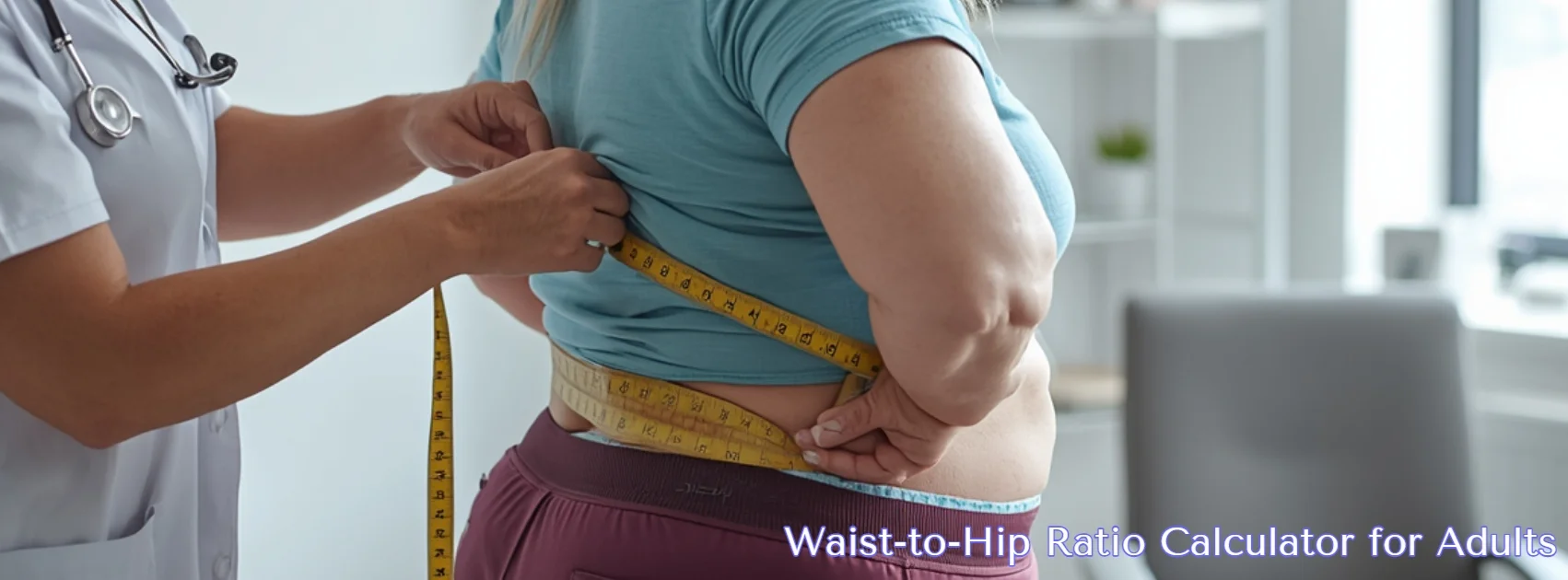
A waist measurement is taken at the narrowest point of the waist or just above the belly button, and divided by the widest part of the hips; results greater than 0.85 for women or 0.9 for men indicate abdominal obesity.
- Measure the waist circumference.
- Measure the hip at its widest diameter.
- Divide waist measurement by hip measurement.
Waist-to-Hip Ratio Calculator
📏 Waist-to-Height Ratio
📊 Waist-to-Hip Ratio After 60
As we age, maintaining a healthy weight becomes less about appearance and more about protecting heart health, mobility, and independence.
BMI is just a number, but your waist-to-hip ratio tells a deeper story:
👉 How much visceral fat surrounds your vital organsVisceral fat is the most critical health marker to monitor as we age.
Low Risk (Healthy Range)
Your fat distribution is optimal for longevity and metabolic health.
- Better heart and artery health
- Easier daily mobility and independence
Goal: Maintain muscle and stay active.
Moderate Risk
Belly fat is beginning to accumulate, which can increase inflammation.
- Early signs of metabolic changes
- Slightly higher long-term health risk
Goal: Small, sustainable shifts in daily habits.
High Risk (Abdominal Obesity)
Significant abdominal fat is present, putting extra stress on the heart and joints.
- Increased risk for Type 2 Diabetes
- Higher risk of falls and fatigue
Goal: Safe fat loss while preserving current muscle.
⚠️ Why Belly Fat Matters Now
As muscle mass decreases (sarcopenia), fat shifts to the abdomen. This visceral fat isn't just "padding"—it acts like an organ that disrupts your metabolism.
💡 Beyond the Scale
Strong muscles and good balance are more important than being thin. A slightly higher weight with high muscle strength is the ideal goal for seniors.
🔗 Complete Your Health Check
Combine your ratio results with our other senior-specific tools:
🧠 Waist-to-Hip Ratio vs BMI
Why the "Where" matters more than the "How Much" after 60.
📏 What is WHR?
It compares the size of your waist to your hips to see where you store fat.
A simple number that predicts heart health better than a scale ever could.
🔍 Why it Matters
It is the best indicator of visceral fat—the fat tucked deep inside your belly.
👉 This fat disrupts how your body handles sugar and cholesterol, affecting your long-term energy.
⚠️ Health Risks of a High Ratio
These risks increase significantly once we cross the age of 60:
- 💓 Heart Disease
- 🍬 Type 2 Diabetes
- 🩸 High Blood Pressure
- 🧠 Stroke Risk
- 🚶 Reduced Mobility
💡 The Key Difference
Measures total weight. It doesn't know if that weight is muscle, bone, or belly fat.
Focuses on distribution. It identifies dangerous "Apple-shaped" weight gain immediately.
🔚 Final Thought
Focus on where your fat is stored, not just the number on the scale. Small, consistent changes can help you stay strong and independent for years to come.
🧠 Body Metrics & Diversity
BMI was originally developed using data primarily from European populations, meaning it doesn't always reflect the health risks of everyone.
For Black Women: BMI can often overestimate obesity risk because it doesn't account for higher bone density and muscle mass.
- Higher bone density and muscle mass are common traits.
- A higher BMI may exist without the same metabolic health risks.
- The Takeaway: A BMI of 30 for one person may not mean the same health profile for another.
This ratio focuses on fat distribution, which is often a more accurate indicator of internal health than weight alone.
Visceral Fat Difference: Research suggests many Black women store less "visceral" fat (the dangerous fat around organs) at the same BMI as other groups.
- Fat stored in hips/thighs ("Pear Shape") is statistically less risky for heart health.
- Waist-to-Hip ratio often provides a more accurate health picture than BMI.
- Standard "cut-offs" should still be viewed as general guides rather than strict rules.
Health after 60 is a complex puzzle. Use these tools as data points, but prioritize how you feel, your strength levels, and your doctor's clinical markers.
🧠 Does One Size Fit All?
Standard tools like BMI were built on specific data that doesn't always reflect the diversity of human bodies, especially for Black women and people of color.
BMI (Body Mass Index)
- Often overestimates risk in Black women due to higher bone density/muscle.
- May underestimate risk in South Asian populations.
Waist-to-Hip Ratio
- Focuses on fat distribution (Pear vs. Apple shape).
- Generally a better indicator of health risk than BMI alone.
| Population Group | Key Nuance |
|---|---|
| Black Women | Often have lower visceral (organ) fat even at higher BMIs. |
| South Asian | Higher metabolic risk even at "normal" BMI levels. |
| Hispanic | Higher tendency for abdominal fat, requiring closer monitoring. |
After 60, health is about function and strength, not just a digit on a scale. Use these tools as a guide—not a final diagnosis.
BMI Index Calculator
Basal Metabolic Rate
Tdee Calculator
🚀 Take Control of Your Health
Burn Calories Calculator
Personalized daily calorie needs based on your specific age and activity level.
Calories Burned Guide
Discover which exercises burn the most calories with the least impact on your joints.
Fat-Burning Foods
15 nutrient-dense foods that support weight loss and keep you feeling full.
Follow our boards for daily senior-friendly workouts, meal plans, and wellness inspiration.

I’ve been focusing on my waist-to-hip ratio lately, as I’ve heard it’s a better indicator of abdominal fat and health risks. Thanks for breaking down the differences between these methods. Knowledge is power!
BMI has always felt limiting and inaccurate to me, so I’m thrilled to see a discussion about better alternatives. It’s important to consider a person’s overall health and not just a number on a scale
Great post! I always thought BMI was the most accurate way to measure body fat. This comparison really opened my eyes to the importance of waist-to-hip ratio. Thanks for sharing!
Great post! BMI is a flawed measurement. It doesn’t account for factors like muscle mass and body composition. Body composition analysis and waist-to-hip ratio are much better indicators of overall health