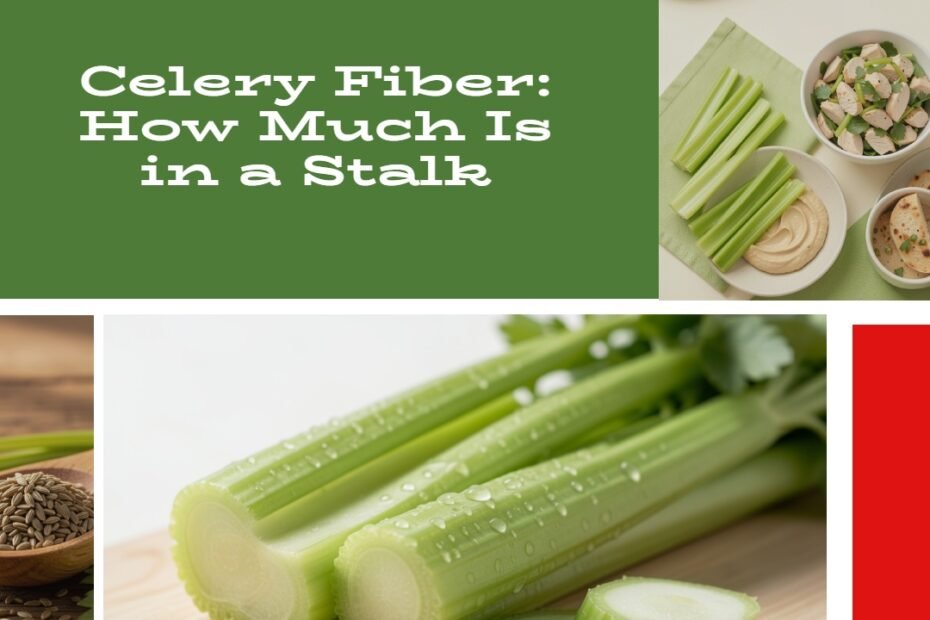
Celery is mostly water, with roughly 1 to 1.5 grams of fiber per cup of chopped stalks. Learn how its fiber supports digestion, how it fits into a high-fiber day and which foods add more. Celery fiber: Remedies and Health Benefits – Celery seeds are more than just a spice. It has numerous health benefits and remedies. Learn how it can aid digestion, reduce inflammation, and more.
Table of Contents
ToggleCelery Benefits: Hydration, Nutrients & Digestive Power
Celery benefits are far more potent than most people realize. Packed with essential vitamins, minerals, and fiber from celery, this crisp, refreshing vegetable supports digestion, daily hydration, and overall wellness. Drinking celery juice also offers notable benefits such as improved skin health, reduced inflammation, and gentle antioxidant support.
Low in calories yet rich in vitamin K, vitamin C, and potassium, celery is much more than a simple plate garnish—it is a versatile kitchen staple that deserves a regular spot in your meals.
Raw Stalks & Salads
With 95–96% water content, raw chopped celery makes an ideal hydrating snack or crunchy addition to refreshing salads and stir-fries.
Celery Root & Soups
Simmer celery stalks in comforting soups, or try celery root (celeriac / celery knob) in hearty stews for a rich, savory depth of flavor.
Celery Salt & Seeds
Sprinkle celery salt as a flavorful seasoning boost, or explore traditional celery seed preparations to maximize its natural plant compounds.
Celery Fiber: The Secret to Better Digestion & Satiety
Celery has been valued for centuries for its medicinal and digestive properties. It is frequently recommended in low-carb diets because it contains minimal carbohydrates—only about 3% total carbs, far lower than starchy vegetables like carrots or potatoes.
While starches and sugars break down into glucose and fructose during digestion, celery fiber is an indigestible plant carbohydrate that moves through the digestive tract to nourish gut health and help regulate bowel movements.
⚖️ Weight Management & Bone Support: Recent research suggests eating celery may support healthy weight loss by helping you feel fuller faster and curbing junk-food cravings. At the same time, its rich profile of potassium, magnesium, iron, folate, vitamin K, and calcium helps strengthen bones and supports heart and metabolic health.
Celery Nutrition Facts: Chopped Stalks vs. Celery Juice
Whether you enjoy whole stalks for maximum celery fiber or press it into fresh juice for concentrated micronutrients, comparing a 1-cup serving helps you choose the best fit for your goals:
| Nutrient (Per 1-Cup Serving) | Chopped Raw Celery (101g) | Fresh Celery Juice (1 Cup) |
|---|---|---|
| Calories | ~14–16 kcal | 42 kcal |
| Total Carbohydrates | 3g | 9g |
| Dietary Fiber (Celery Fiber) | 2g | 4g (unstrained) |
| Natural Sugars | 1.3g | 6g |
| Protein | 0.7g | 2g |
| Total Fat | 0g | 0g |
| Sodium | ~80mg | 215mg |
| Key Micronutrients | Vitamin K (37% RDI), Potassium, Folate | Vitamin K, Vitamin C, Potassium, Antioxidants |
💡 Quick Takeaway: A single 1-cup (101-gram) serving of chopped raw celery delivers 37% of your daily Vitamin K along with 2 grams of gut-friendly celery fiber for just 3 grams of carbs—making it one of the most nutrient-dense, hydrating foods you can add to your daily routine.
Why Celery Fiber & Celery Seed Matter for Seniors Over 50
Digestive Comfort · Blood Pressure Balance · Joint & Bone Support
After age 50, natural shifts in digestion, fluid balance, and joint comfort make gentle, nutrient-dense whole foods especially valuable. Pairing hydrating celery fiber with concentrated celery seed gives seniors over 50 a simple, food-first way to support gut regularity, cardiovascular wellness, and lower sodium intake—without heavy calories or harsh supplements.
Celery Fiber for Daily Regularity
Digestive motility naturally slows with age, making adequate dietary fiber and hydration essential for seniors over 50.
- Dual-Action Relief: Soluble and insoluble celery fiber softens stool while feeding beneficial gut bacteria.
- Built-In Hydration: Because stalks are 95% water, the fiber works smoothly without causing the bloating linked to dry fiber powders.
- Blood Sugar Balance: Slows post-meal glucose absorption while adding crunch to soups, tuna salad, and stir-fries.
Celery Seed for Heart & Joint Comfort
Used for generations in traditional wellness, celery seed packs potent antioxidants into a tiny culinary pinch.
- Blood Pressure Support: Contains 3-n-butylphthalide (3nB), a natural compound studied for relaxing blood vessel walls and supporting healthy circulation.
- Joint & Uric Acid Balance: Rich in luteolin and apigenin, which help calm everyday joint stiffness and inflammation.
- Mineral Density: Delivers concentrated calcium, magnesium, and iron to complement bone-building vitamin K.
How to Use Both After 50
Small, consistent additions deliver steady benefits without overwhelming sensitive digestion or chewing comfort:
- Swap Table Salt: Use crushed celery seed (instead of high-sodium celery salt) to season eggs, roasted vegetables, and poultry.
- Tenderize for Easy Chewing: Finely dice raw stalks or lightly steam them in broths so celery fiber stays easy on teeth and sensitive stomachs.
- Evening Herbal Infusion: Steep 1/2 teaspoon of lightly crushed celery seed in hot water for 10 minutes as a soothing, caffeine-free tea.
Quick Guide: Celery Fiber vs. Celery Seed for Adults 50+
| Feature | Whole Stalks (Celery Fiber) | Whole or Ground Celery Seed |
|---|---|---|
| Primary Benefit | Gut regularity, hydration, and weight satiety | Cardiovascular circulation, joint comfort, and low-sodium flavor |
| Best Daily Serving | 1 to 2 cups chopped stalks (raw or cooked) | 1/4 to 1/2 teaspoon used as a culinary spice or tea |
| Key Active Nutrients | Insoluble/soluble celery fiber, water (95%), vitamin K, potassium | Phthalides (3nB), apigenin, calcium, magnesium, iron |
| Best Tip for Seniors | Slice thinly across the grain to shorten tough strings for easier chewing | Choose pure celery seed over "celery salt" to avoid added sodium |
⚕️ Safety Note for Seniors Over 50: While culinary amounts of celery fiber and celery seed are safe for most adults, concentrated celery seed extracts can act as a mild natural diuretic and may interact with blood thinners (due to vitamin K), blood pressure medications, or lithium. Always check with your doctor or pharmacist before starting high-dose supplements.
Frequently Asked Questions: Celery Fiber, Juice Myths & Nutrition
Get evidence-based answers separating celery juice detox myths from real nutritional facts, plus practical tips on using celery fiber and celery seed for daily wellness.
What are the proven benefits of celery and celery juice? ⊕
Research indicates that nutrients and antioxidants in celery help reduce fat accumulation in the liver while supporting natural enzyme production that processes metabolic waste. Celery juice also promotes intestinal circulation and gentle hydration, while whole stalks supply celery fiber, vitamin K, vitamin C, potassium, and folate for overall cardiovascular and digestive wellness.
Does drinking celery juice actually cause weight loss? ⊕
No single juice melts body fat on its own—the idea that celery juice acts as a magic fat-burner is a common detox myth. However, at roughly 14 calories per cup for raw celery (and ~42 calories for juice), replacing sugary sodas or high-calorie coffee drinks with celery juice creates an easy calorie deficit, while whole celery fiber boosts fullness and curbs snack cravings.
Can celery help lower blood pressure? ⊕
Yes, whole celery contains beneficial phytochemicals called phthalides (studied in extract form as NBP) alongside natural dietary nitrates and potassium. These compounds help relax smooth muscle tissue in artery walls, improving blood flow and supporting healthy blood pressure levels—though individuals watching sodium should prefer whole stalks over large amounts of concentrated juice.
What is the celery juice diet, and is it safe? ⊕
The popular celery juice trend advises drinking 16 ounces (475 mL) of plain celery juice every morning on an empty stomach (and up to 24–32 ounces for chronic conditions) before resuming regular meals. While morning hydration is harmless for most healthy adults, extreme juicing lacks celery fiber and protein, so pairing juice with balanced whole meals is far more sustainable.
What are the potential risks and side effects of celery juice? ⊕
Consuming large quantities of celery juice daily can trigger several side effects:
- Digestive upset: High levels of mannitol (a natural sugar alcohol / FODMAP) can cause gas, bloating, or loose stools in sensitive stomachs.
- Higher sodium intake: One cup (240 mL) of celery juice contains roughly 189–215 mg of sodium, which adds up quickly in 16–32 oz servings.
- Sun sensitivity: Natural compounds called psoralens can increase UV sensitivity when consumed in very large doses.
- Medication interactions & hunger: High vitamin K can interact with blood thinners, and juice without fiber can leave you hungry soon after drinking.
Is whole celery or celery juice better for digestion? ⊕
Whole celery is superior for long-term gut health because juicing strips away almost all insoluble celery fiber. While strained juice still delivers hydrating electrolytes and anti-inflammatory plant flavonoids (apigenin and luteolin) that soothe the digestive tract, eating whole stalks provides the physical bulk needed to feed gut bacteria and regulate bowel movements.
How does celery compare to cucumber for nutrition and hydration? ⊕
Both vegetables are 95–96% water and ultra-low in calories, making them top choices for hydration. However, celery fiber gives celery a clear digestive edge with 1.6–2g of fiber per cup compared to cucumber's 0.5g, alongside significantly more vitamin K and blood-pressure-supporting phthalides. Cucumber offers slightly more vitamin C and a touch more natural sugar.
Is celery a good low-carb, high-fiber vegetable? ⊕
Yes—with roughly 3g of total carbs and 1.6–2g of celery fiber per cup (only ~1–1.4g net carbs), celery is one of the best crunchy vegetables for low-carb and blood-sugar-conscious diets. Other great high-fiber, low-carb pairings include spinach (1g carbs, 0.7g fiber), zucchini (4g carbs, 1.5g fiber), cauliflower (5g carbs, 2g fiber), and broccoli (6g carbs, 2.4g fiber).
How does celery fiber compare to psyllium husk for digestion? ⊕
Psyllium husk is a concentrated soluble fiber supplement that forms a thick gel in water to relieve acute constipation or diarrhea. By contrast, celery fiber offers a gentler, food-based blend of insoluble and soluble fiber paired with 95% natural water, antioxidants, potassium, and vitamin K—making it ideal for everyday meal-time regularity without the heavy, gummy texture of supplements.
What are the best culinary uses for celery seed? ⊕
Celery seed delivers concentrated earthy flavor and mild natural diuretic compounds without added table salt. Try adding a pinch to: (1) homemade vinaigrettes and creamy dressings, (2) root vegetable soups, (3) whole-grain breads, (4) pickling brines, (5) potato salads with mustard and dill, (6) meat marinades, (7) savory stir-fry oils, (8) Bloody Marys, (9) seafood chowders, and (10) homemade mustard or ketchup.
On this Site
BMI Index Calculator
Basal Metabolic Rate
Tdee Calculator
📢 share this article
✨ tap to share — help others crack the comment code

Celery is more than a crunch in your salad. It’s low in purines, making it a great choice for those managing uric acid levels. Plus, it’s high in fiber and vital nutrients.
The debate between celery juice and eating celery has always intrigued me. This post does a fantastic job of breaking down the differences and helping readers make informed choices
celery is easy to grow in many different climates. And you can grow enough celery for an average household