


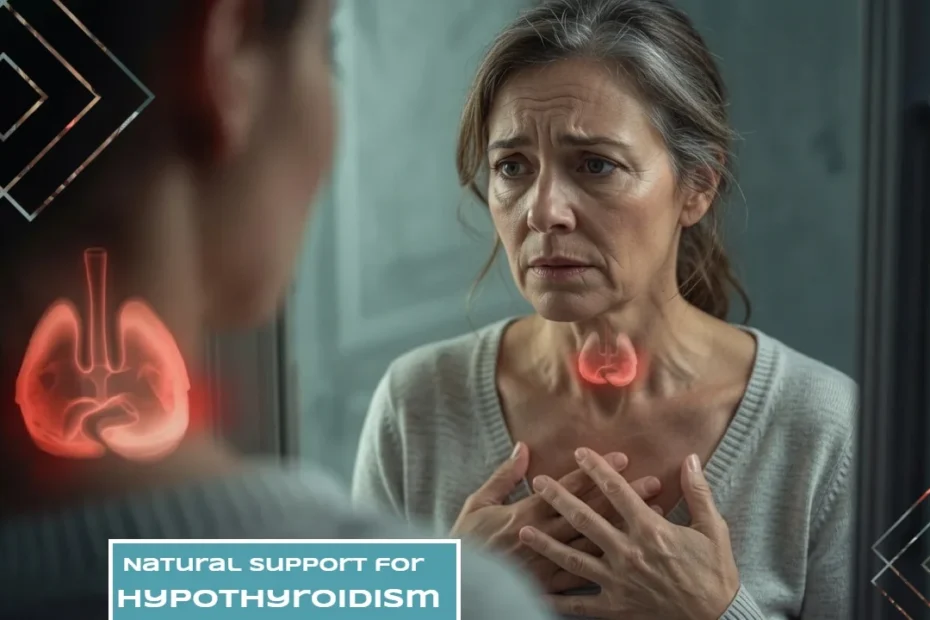
At 58, Ellen was tired of feeling tired. She’d heard about natural remedies (Natural Support for Hypothyroidism) and wanted to feel better without ‘more pills.’ Here’s what she – and you – need to know about using natural approaches safely alongside medical care.
Table of Contents
ToggleHypothyroidism is a medical condition requiring diagnosis and treatment by a doctor. Thyroid medication (levothyroxine) is the standard of care. Natural remedies discussed here are complementary supports, not treatments or cures. Never stop, adjust, or reduce thyroid medication without your doctor’s supervision. Some herbs and supplements can interfere with medication absorption./
Always consult a qualified healthcare professional before starting any new exercise program, changing your diet, or making changes to your medication or treatment plan. If you experience sudden dizziness, chest pain, shortness of breath, or severe symptoms, seek immediate medical attention.
Hyperthyroidism vs Hypothyroidism
Understanding the clinical distinction between an overactive and an underactive thyroid
Hyperthyroidism refers to an overactive thyroid gland (when it produces excessive thyroid hormone), whereas hypothyroidism refers to an underactive thyroid (when hormone production is insufficient).
Hyperthyroidism occurs when the thyroid gland becomes overactive and secretes excessive amounts of thyroid hormones into the bloodstream.
"Hyperthyroidism is also known as overactive thyroid," explains Dr. Jameson in U.S. News & World Report. "In other words, everything in the body speeds up. When levels of two key thyroid hormones—thyroxine (T4) and triiodothyronine (T3)—are too high in the blood, people experience symptoms such as rapid heart rate, unexpected weight loss, and anxiety."
In contrast, hypothyroidism slows cellular metabolism down, leading to persistent fatigue, cold sensitivity, and weight gain. Understanding whether your gland is overactive or underactive is essential because treatment strategies for these two conditions are fundamentally opposite.
Natural Support for Hypothyroidism: Truth or Fake?
It is a mix of Truth and Myth (Context Matters)
✅ The Truth (Real Support)
Evidence-based lifestyle practices—such as balanced nutrition (adequate selenium, protein, and Vitamin D), gentle strength training, stress management, and restorative sleep—truly support overall wellness, manage fatigue, and help counteract age-related metabolic slowing.
❌ The Fake (Dangerous Myths)
Claims that natural remedies, herbs (like Ashwagandha or kelp), extreme detoxes, or diet alone can "cure," "reverse," or replace prescription thyroid medication are completely false and medically unsafe. Synthetic hormone replacement (levothyroxine) remains the necessary foundation of care; natural habits serve as supportive partners, not substitutes.
🧓 Why Hypothyroidism Support Is Different After 50
Medication interactions, aging bodies, and the need for extra caution
If you're over 50 and managing hypothyroidism, your body faces a unique set of circumstances that younger adults don't. It's not just about thyroid hormone levels — it's about how your thyroid interacts with everything else happening in your body as you age.
⚠️ Three reasons extra caution is needed after 50
- Multiple health conditions are common. Many adults over 50 manage high blood pressure, high cholesterol, arthritis, or blood sugar concerns alongside hypothyroidism. Herbal supplements that affect metabolism or hormones could interact with medications for these conditions.
- Polypharmacy (multiple medications) increases risk. The more medications you take, the higher the chance of herb-drug interactions. For example, ashwagandha may enhance the effects of sedatives, blood pressure drugs, and thyroid medication — sometimes unpredictably.
- Age-related changes in drug metabolism. As we age, the liver and kidneys process substances more slowly. What was safe at 45 might have different effects at 60. Supplements can accumulate in the body more easily.
🌿 Natural Supportive Practices for Overall Wellness
These lifestyle factors support your health — and may complement your thyroid care
| Supportive Practice | Details & How It May Help (As Part of Overall Wellness) |
|---|---|
| 🥗 Eat a Balanced Diet |
📌 Note: A balanced diet supports overall health, including thyroid function, but does not treat hypothyroidism on its own.
|
| 🚫 Avoid Certain Foods |
|
| 🌿 Herbal Supplements ⚠️ Consult your doctor first |
⚠️ Safety first: No herbal supplement has been proven to treat hypothyroidism. Always discuss with your doctor before starting any herb, especially if you take levothyroxine or other medications.
|
| 🧘 Lifestyle Practices |
|

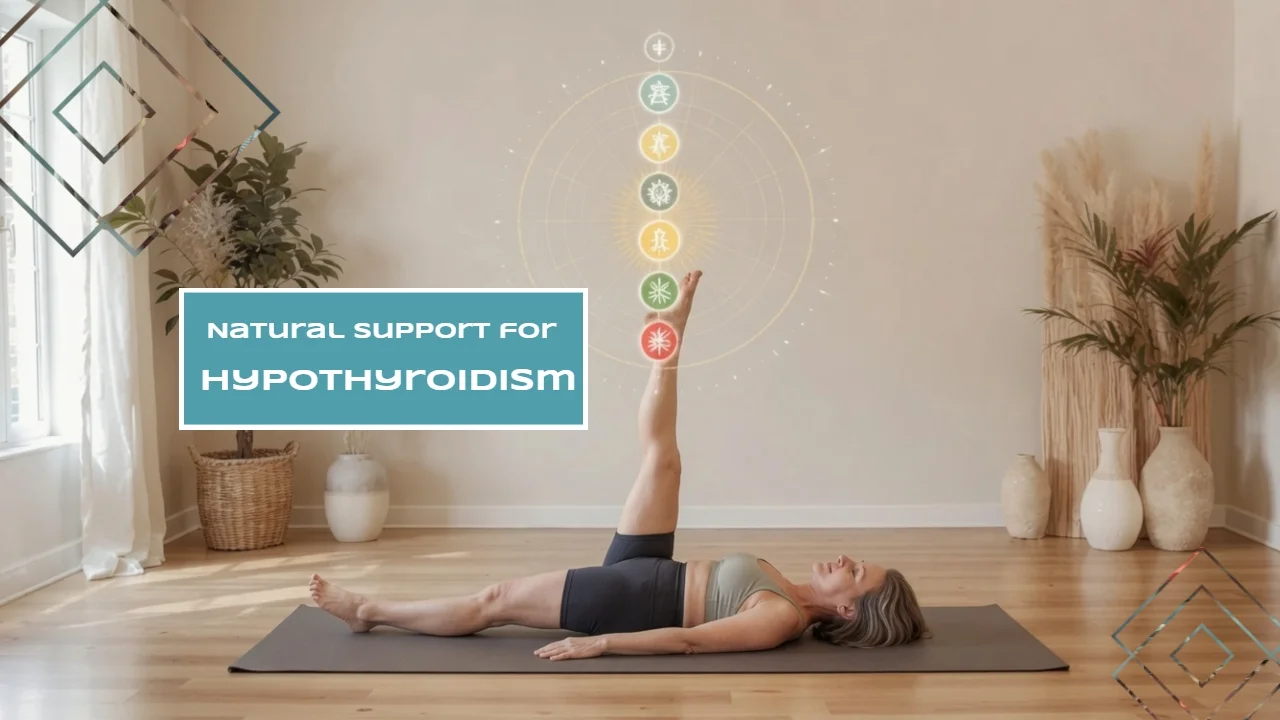
🧘 Lifestyle Practices: Natural Support for Hypothyroidism
Gentle movement, stress management, and restorative sleep as supportive health habits
When exploring options for natural support for hypothyroidism, it is easy to encounter bold online claims—such as promises that specific yoga postures can "reactivate" a sluggish thyroid or that breathing techniques can replace levothyroxine. In reality, addressing hypothyroidism symptoms in older adults requires a grounded approach. While gentle physical movement, stress reduction, and healthy sleep habits cannot change baseline thyroid hormone output, they do significantly improve energy levels, mood resilience, and joint mobility.
Gentle Yoga & Mobility
Specific postures like shoulder stands (Sarvangasana) or fish pose (Matsyasana) are often touted in alternative circles to "stimulate" the neck glands. However, there is no scientific evidence that physical poses fix hormone deficiencies. What gentle yoga does offer is reduced joint stiffness, enhanced flexibility, better balance, and lower fall risk—providing practical, daily natural support for hypothyroidism and overall vitality.
Stress Management & Breathing
Unmanaged psychological stress elevates cortisol levels, which can disrupt metabolic signaling and worsen daily fatigue. Structured practices like Ujjayi Pranayama (ocean breath), mindfulness meditation, or simple diaphragmatic breathing lower systemic stress responses. Easing nervous system strain is particularly helpful for managing subtle hypothyroidism symptoms in older adults, such as sleep disruption, brain fog, and low mood.
Restorative Sleep Hygiene
Deep, uninterrupted sleep is essential for neuroendocrine repair and physical recovery. Poor sleep quality exacerbates daytime exhaustion and cognitive sluggishness. Prioritizing 7–8 hours of consistent nightly rest provides foundational support for immune and metabolic health. Maintaining a steady sleep schedule, keeping the room cool, and establishing a screen curfew are excellent supportive habits.
🌿 What Is Ashwagandha? – A Quick Overview
Ancient adaptogenic herb for stress, energy, and general wellness
Ashwagandha (Withania somnifera), also known as Indian ginseng or winter cherry, is an adaptogenic herb widely used in Ayurvedic medicine for over 3,000 years. It's best known for its ability to help the body adapt to stress, support adrenal health, and balance hormones naturally.
For those exploring natural support for hypothyroidism, ashwagandha is sometimes mentioned in wellness circles. However, it is not a treatment or cure for thyroid disease. Any potential benefits (such as reduced stress or fatigue) are supportive, not therapeutic. Always prioritize your prescribed medication.
🔍 Health Benefits of Ashwagandha (As General Wellness Support)
The following are potential benefits reported in preliminary studies. None of these effects are guaranteed, and they do not replace medical treatment.
Supports Thyroid Function
Some small studies suggest ashwagandha may help balance thyroid hormones in people with mild hypothyroidism. However, evidence is limited. It is not a replacement for levothyroxine.
Reduces Stress & Cortisol
As an adaptogen, ashwagandha has been shown to lower cortisol levels in chronically stressed adults. This may improve mood, reduce anxiety, and support better sleep quality — all valuable for overall wellness.
Boosts Energy & Reduces Fatigue
Commonly used to combat chronic fatigue and burnout. Unlike caffeine, ashwagandha doesn't cause a "crash" and may support adrenal function. This can be helpful for those with fatigue from various causes.
Improves Brain Function
Preliminary studies suggest ashwagandha may enhance memory, focus, and reaction time. Some research also indicates potential neuroprotective properties, though more studies are needed.
Balances Blood Sugar & Fights Inflammation
Some evidence links ashwagandha to reduced blood sugar levels and lower inflammation markers. This may support overall metabolic health, but it is not a substitute for diabetes medications.
- May interact with thyroid medication: Ashwagandha could theoretically change thyroid hormone levels. If you take levothyroxine, monitor your levels if you start ashwagandha.
- Sedative effects: May increase drowsiness. Avoid combining with sleep aids, benzodiazepines, or alcohol.
- Blood pressure & blood sugar: May lower both. Use caution if you take antihypertensives or diabetes medications.
- Pregnancy & breastfeeding: Not recommended.
- Autoimmune conditions: Ashwagandha may stimulate the immune system. If you have Hashimoto's thyroiditis or other autoimmune diseases, consult your doctor first.
Recommended approach: If you and your doctor decide to try ashwagandha, start with a low dose, use a reputable brand (look for third-party testing), and monitor how you feel. Never stop or reduce thyroid medication without medical supervision.
📋 Summary: Natural Support for Hypothyroidism After 50
What helps, what doesn't, and how to stay safe
🔍 Key Takeaways
If you're over 50 and managing thyroid health, seeking natural support for hypothyroidism is understandable—you want to optimize your vitality and manage symptoms with minimal side effects. However, the most important medical reality remains: no natural remedy replaces prescription thyroid hormone replacement.
Synthetic levothyroxine is the standard of care. Nevertheless, evidence-based lifestyle and dietary practices serve as valuable natural support for hypothyroidism, helping you feel more energetic, resilient, and balanced alongside clinical care.
Effective complementary habits for natural support for hypothyroidism (alongside medical treatment):
- Balanced nutrition: Dietary intake of selenium (Brazil nuts, fish) and moderate iodine supports cellular hormone conversion without overstimulating the gland.
- Gentle strength training: Preserves lean muscle tissue—a priority after 50 to counteract sarcopenia and prevent further metabolic slowdown.
- Stress management: Lowering cortisol through breathwork or gentle movement reduces systemic fatigue and supports emotional balance.
- Quality sleep hygiene: 7–8 hours of consistent, restorative sleep supports overall neuroendocrine balance and daily focus.
- Daily movement (NEAT): Regular walking and low-impact activity support cardiovascular health and weight management.
Practices that do NOT work (and may cause harm):
- Replacing prescribed thyroid medication with over-the-counter herbal formulas or kelp supplements.
- High-dose iodine supplementation, which can paradoxically trigger severe thyroid dysfunction or autoimmune flares.
- Unregulated "thyroid support" proprietary blends containing hidden active thyroid hormones.
- Extreme restrictive diets or cleanses that impair nutrient absorption and disrupt medication consistency.
Choose how to get your free tracker
Subscribe & Download
Get wellness tips + your free tracker. No spam, unsubscribe anytime.
Download Directly
No email required. Just click and save.
Struggling with Weight Gain or Loss? Could It Be Thyroid?
Understanding and addressing thyroid health is crucial for achieving and maintaining a balanced weight.
Click HereFeeling Tired All the Time? Your Thyroid Might Be to Blame
Fatigue often stems from unnoticed thyroid issues, we empower individuals to take charge of their health.
Click Here📢 share this article
✨ tap to share — help others crack the comment code


I’ve struggled with thyroid issues, and these natural treatments have been a game-changer for me! It’s amazing how the right diet and lifestyle changes can make a difference
I’m suffering from Diabetes & HyperThyroid. I’m searching for a way to how diabetics can manage their dietary needs while enjoying meals outside the home.
I’ve been diagnosed with hypothyroidism and have been exploring natural remedies to support my treatment. Has anyone had success with [specific natural remedy, e.g., iodine-rich foods, selenium supplements]? I’d love to hear your experiences