


Hypothyroidism and Weight Loss After 50 – At 51, Diane was eating less and exercising more, but the scale kept climbing. Her doctor diagnosed hypothyroidism. She’s not alone – it’s incredibly common after menopause. Here’s what she (and you) need to know about weight loss
Table of Contents
Toggle🧠 Why Hypothyroidism & Weight Loss Is Different After 50
The double challenge: an underactive thyroid + natural age-related changes
If you’re over 50 and managing hypothyroidism, you may feel like weight loss is twice as hard as it used to be. You’re not imagining it. Having an underactive thyroid already lowers your metabolic rate. When you add the natural metabolic slowdown that happens with age — regardless of thyroid health — the challenge becomes steeper. Let’s look at why.
⚖️ The double metabolic slowdown
Your metabolism is controlled by multiple systems. Hypothyroidism directly reduces thyroid hormone production, which slows your body’s basal metabolic rate (BMR) — the calories you burn at rest. Meanwhile, aging independently lowers BMR due to muscle loss and hormonal shifts. Together, they create a compounded effect that makes weight management more complex than either condition alone.
Muscle loss (sarcopenia)
After 50, adults lose 1–2% of muscle mass per year if inactive. Muscle is metabolically active — it burns calories at rest. Hypothyroidism can further reduce protein synthesis, accelerating muscle loss. Less muscle means an even slower metabolism and greater difficulty losing fat.
Hormonal shifts
Menopause (declining estrogen) and andropause (declining testosterone) promote abdominal fat storage and reduce insulin sensitivity. This combination can intensify fatigue, cravings, and stubborn weight, especially around the midsection.
Myths and Truths About Hypothyroidism and Weight Loss
Losing weight with hypothyroidism can feel like an uphill battle—but how much of what you’ve heard is actually true? There’s a lot of misinformation online about hypothyroidism and weight loss, making it difficult to know what really works and what’s just a myth. From claims that weight loss is impossible with a slow thyroid to miracle diets that promise overnight results, it’s easy to feel overwhelmed.
In this article, we’ll separate the myths from the truths about hypothyroidism and weight loss. Whether you’re newly diagnosed or have been managing the condition for years, understanding the facts can help you make better choices for your health, metabolism, and long-term weight goals.
Let’s uncover what really helps—and what doesn’t—when it comes to losing weight with an underactive thyroid.
⚠️ Important Wellness Note: This article is for educational purposes only and is not medical advice. Hypothyroidism is a medical condition requiring diagnosis and treatment by a doctor. Never change or stop your thyroid medication based on information here. Discuss any dietary or supplement changes with your healthcare provider.

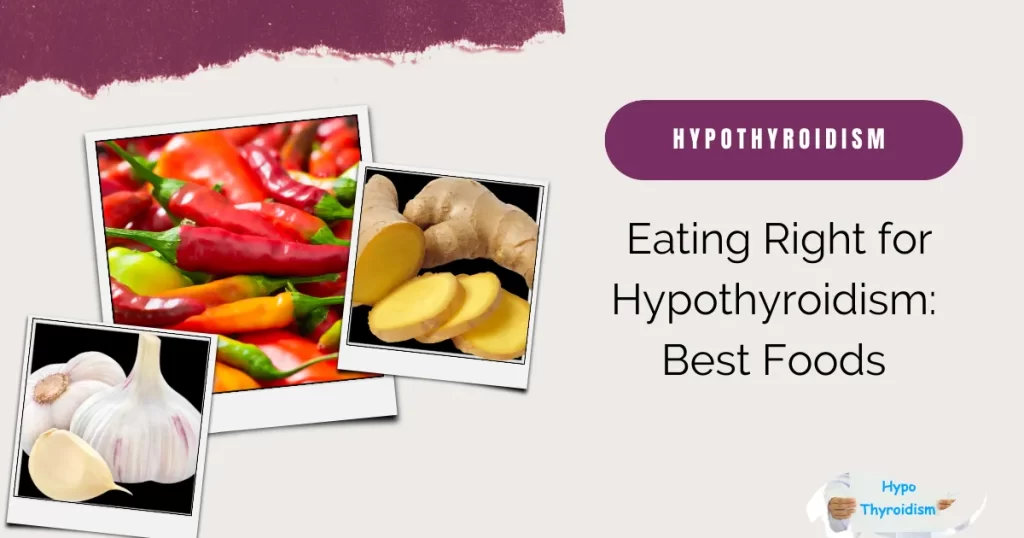
Myth vs. Fact: What Really Affects Your Thyroid
When it comes to hypothyroidism and weight loss, misinformation is everywhere. Many people follow dietary trends or avoid certain foods based on myths rather than science. To help you make informed decisions, we’ve debunked some of the most common myths surrounding diet and thyroid health.
| Myth | Truth |
|---|---|
| Myth 1: Certain Foods Can Cure Hypothyroidism | Truth: No food can cure hypothyroidism. It is a chronic medical condition that typically requires daily thyroid hormone replacement therapy. Hypothyroidism is typically treated with synthetic thyroid hormone (levothyroxine). Coconut oil cannot replace this hormone. A healthy diet can support overall wellness but is not a cure. |
| Myth 2: Gluten-Free Diet Improves Thyroid Function | Truth: A gluten-free diet is only essential for individuals with celiac disease or gluten sensitivity. For most people with hypothyroidism, eliminating gluten has no proven effect on thyroid function or weight loss. |
| Myth 3: Soy Products Worsen Hypothyroidism | Truth: Moderate consumption of soy foods is generally safe. Although high intake might slightly affect thyroid function in certain individuals, there's no need to avoid soy entirely unless advised by your doctor. |
| Myth 4: Cruciferous Vegetables Should Be Avoided | Truth: Broccoli, cauliflower, and cabbage are healthy and safe to eat in normal amounts. Their impact on iodine absorption is minimal, especially when cooked and consumed as part of a balanced diet. |
| Myth 5: A Specific Diet Can Reverse Hypothyroidism | Truth: While a nutritious diet supports overall health and weight management, it cannot reverse hypothyroidism. Consistent medication and monitoring remain essential for managing the condition effectively. |
Understanding the facts about hypothyroidism and weight loss can help you avoid false promises and focus on what truly works.
Hypothyroidism and Weight Loss – Healthy Choices
Hypothyroidism results from a deficiency of iodine in the body; therefore, eating foods rich in this mineral can help you deal with the symptoms of this disorder.

People who suffer from hypothyroidism need to learn to practice new eating habits. Learning new eating habits can help treat a lot of thyroid conditions that you may not have, so you need to continue taking the drug, especially if you catch it in its early stages.
Nutrients That Support Thyroid Health
Managing hypothyroidism and weight loss can be difficult, but the right nutrients can support thyroid function and improve metabolism. This table highlights essential nutrients and their food sources to help you feel better and lose weight more effectively.
| Nutrient | Why It’s Important | Food Sources |
|---|---|---|
| Iodine | Essential for thyroid hormone production. Helps regulate metabolism and energy levels. | Iodized salt, seaweed, seafood, dairy products, eggs |
| Selenium | Supports conversion of T4 to T3 hormone. Reduces inflammation in the thyroid gland. | Brazil nuts, tuna, salmon, chicken, eggs |
| Zinc | Regulates thyroid hormone production and supports immune function. | Oysters, beef, poultry, lentils, chickpeas |
| Vitamin D | Influences thyroid function and helps balance hormones. Often low in people with hypothyroidism. | Fatty fish, fortified dairy, egg yolks, sunlight exposure |
If you're dealing with hypothyroidism and weight loss challenges, including these nutrients in your daily diet can improve your thyroid function and support healthy weight management. Always consult a healthcare provider before making significant dietary changes or starting supplements.
Hashimoto’s Diet: A Nutritional Approach
Hashimoto’s thyroiditis is an autoimmune condition that affects the thyroid gland, often leading to hypothyroidism. While there’s no one-size-fits-all "Hashimoto’s diet," making informed dietary choices can play a key role in managing symptoms and improving overall well-being.
Below is a guide to the most important dietary considerations for people with Hashimoto’s, focusing on nutrients, anti-inflammatory foods, and lifestyle habits that may help support thyroid function and reduce inflammation.
| Category | Recommendations | Food Sources |
|---|---|---|
| Nutrient-Dense Foods | Support thyroid hormone production and immune health. |
|
| Anti-Inflammatory Foods | Help reduce inflammation, which may alleviate autoimmune symptoms. |
|
| Gluten-Free Diet | May benefit individuals with celiac disease or gluten sensitivity. | Gluten-free grains (quinoa, rice, oats), gluten-free bread and pasta options, fresh fruits and vegetables |
| Limit Processed Foods | Reduce inflammation and avoid excess weight gain which can worsen symptoms. | Avoid: Sugary drinks, packaged snacks, fast food, refined carbs |
For people with Hashimoto’s, a thoughtful, anti-inflammatory, and nutrient-rich diet may support thyroid function and contribute to a healthier lifestyle. While diet alone won't cure the condition, it can complement medical treatment and improve how you feel day to day.


Nutrition can play an important role in managing hypothyroidism
A balanced diet that includes a variety of fruits, vegetables, whole grains, lean proteins, and healthy fats
Limit sugar and refined carbohydrates: Foods high in sugar and refined carbohydrates can cause spikes in blood sugar levels, which can have a negative impact on thyroid function.
Really insightful post! I’ve been managing hypothyroidism for a few years and diet changes have made a significant difference. I found that incorporating more selenium-rich foods like Brazil nuts and seafood helped me a lot. Always amazing to see how food can impact our health. Has anyone else tried adjusting their diet to manage their thyroid health?
This post is super helpful, thank you! I was recently diagnosed with hypothyroidism and I’m trying to understand how to adapt my diet. I’ve read that avoiding goitrogens like raw cruciferous vegetables can be beneficial. Does anyone have any tasty recipe suggestions that are thyroid-friendly? Looking for some inspiration!”
Including fish in your meals can be a delicious and nutritious way to support your diabetes management.
I’ve been experiencing some of these symptoms, and this post has encouraged me to talk to my doctor. It’s easy to dismiss changes as ‘just getting older,’ but it’s important to investigate. Sharing this with my friends!