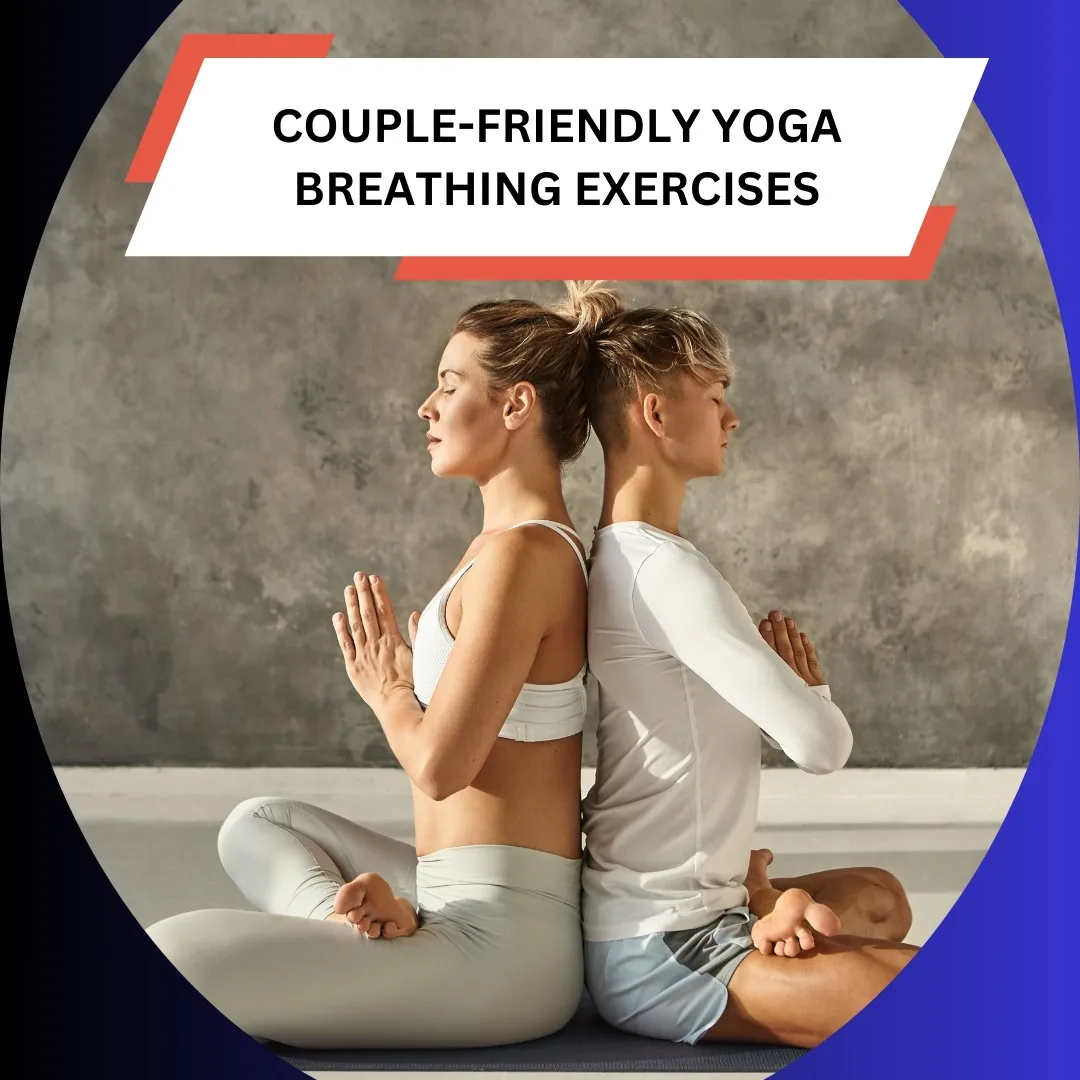
Breath In Yoga: Proper breathing and stretching techniques are essential components of a fulfilling yoga practice. They enhance the overall experience and provide numerous physical and mental benefits. In this guide, we’ll explore the significance of breath control and stretching in yoga and delve into specific techniques and exercises for intermediate practitioners.
Table of Contents
Toggle🧘♀️ The Significance of Breath Control in Yoga
Breath control, known as pranayama, is a fundamental part of yoga practice. It helps improve focus, increase body awareness, and support natural energy flow. Proper breathing techniques oxygenate the body, promote relaxation, and calm the mind.
When breath is synchronized with movement, your practice becomes more fluid and balanced—enhancing flexibility, stability, and overall well-being.
🌬️ Different Breathing Techniques
Inhale deeply through your nose while gently constricting the back of your throat to create a soft, ocean-like sound. Exhale the same way. This technique helps warm the body and improve concentration.
Known as the “skull-shining” breath, this technique involves short, forceful exhalations through the nose with passive inhales. It energizes the body and helps clear the mind.
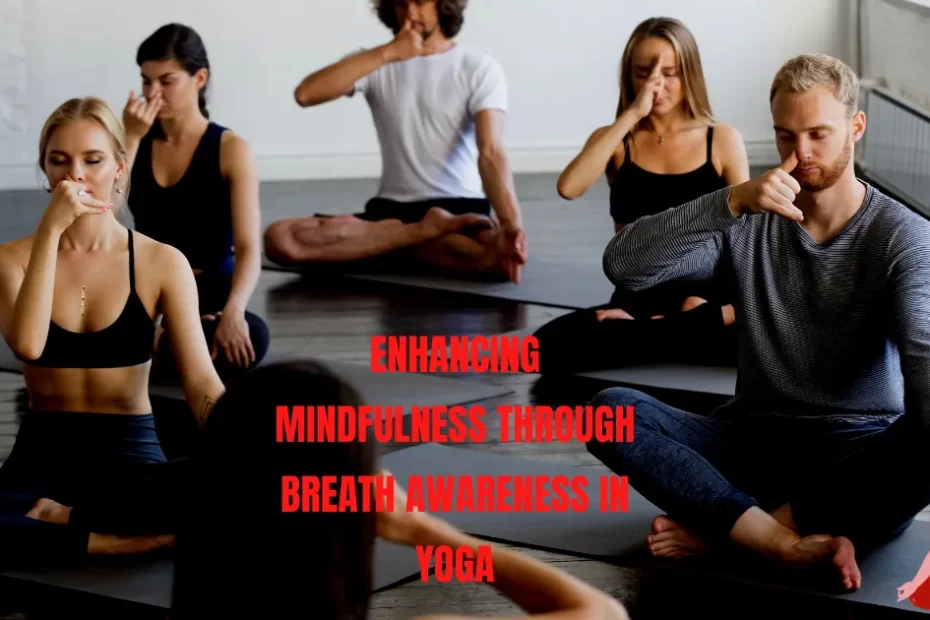
Close one nostril, inhale through the other, then switch sides. This calming practice helps balance the nervous system and improve mental clarity.
🔄 Synchronizing Breath with Movement
In yoga, breath and movement work together. For example, during a Sun Salutation, you inhale as you raise your arms and exhale as you fold forward.
Synchronizing breath with movement enhances flexibility, balance, and flow , helping you move more comfortably and mindfully through each pose.
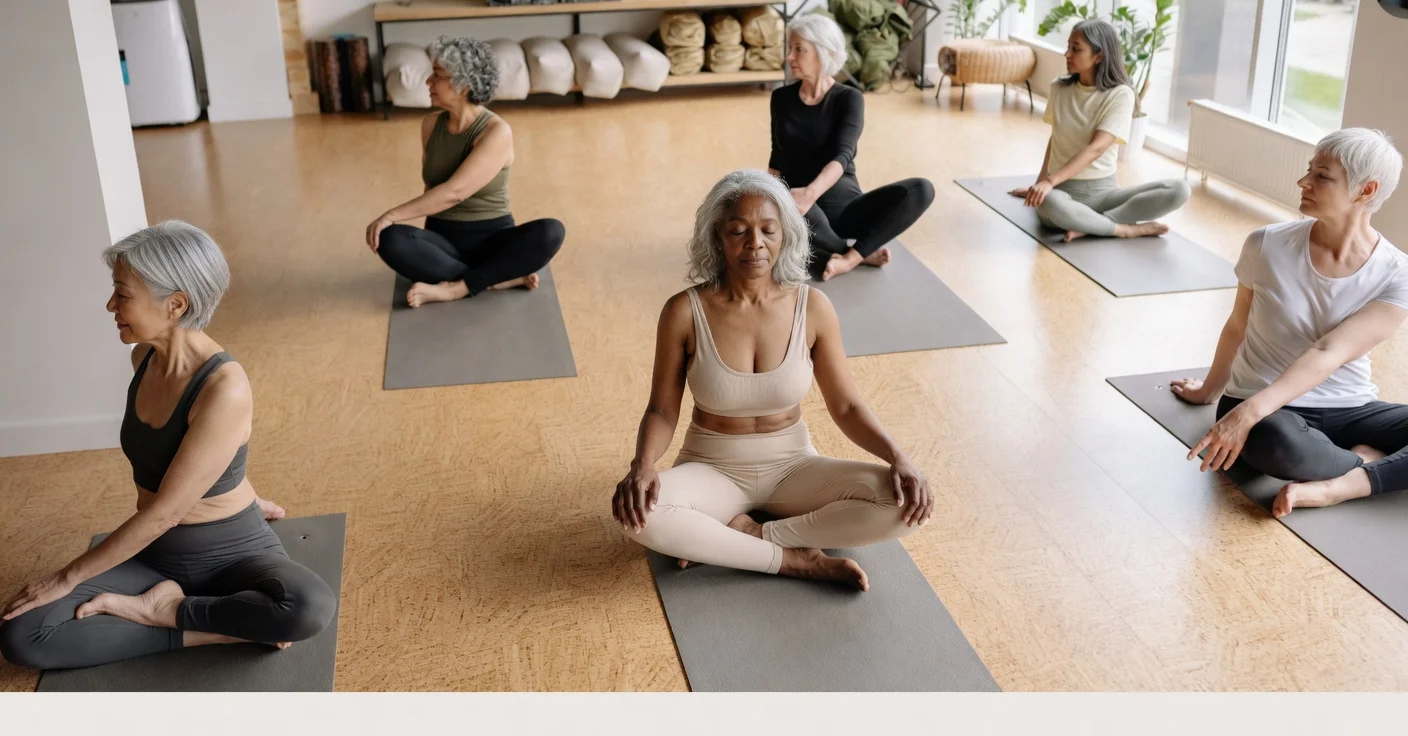
🌿 Gentle Yoga Breathing Exercises for Adults Over 60
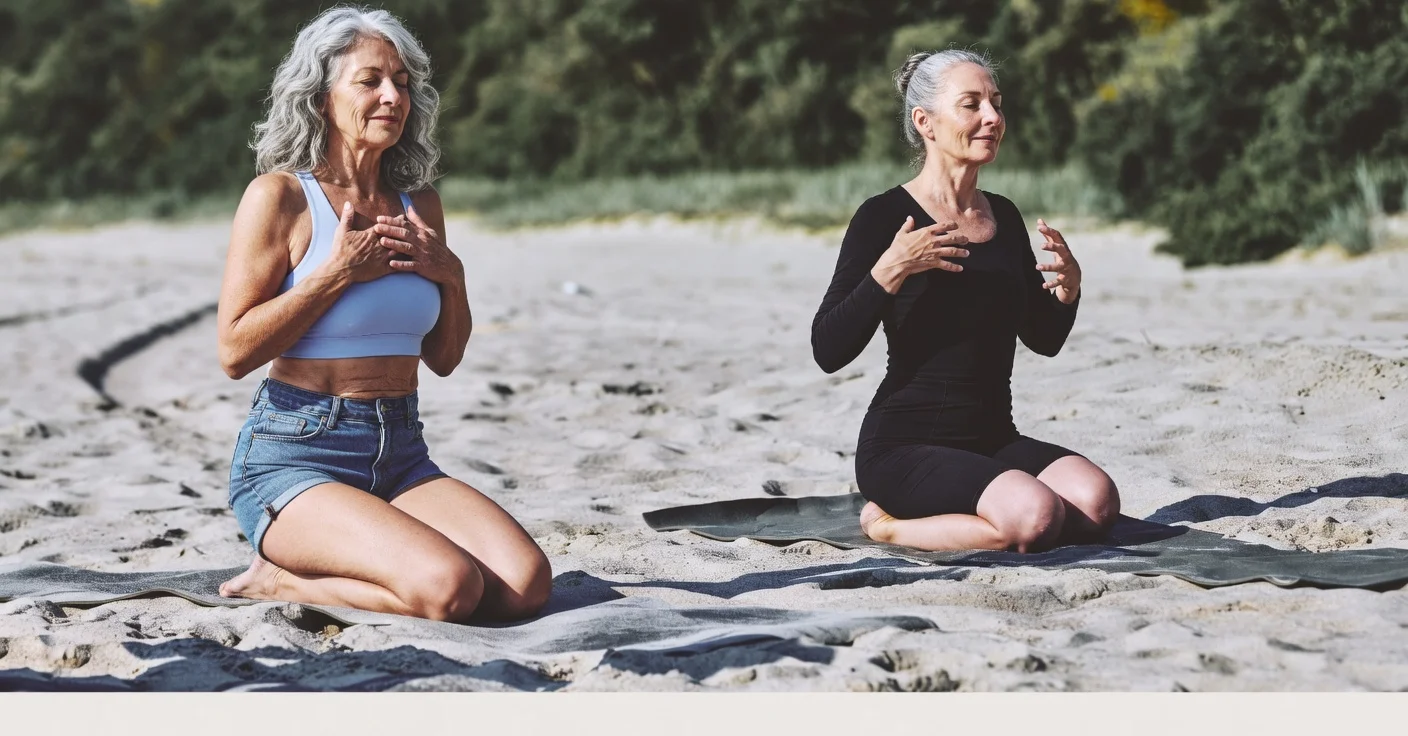
Breathing exercises in yoga—also known as pranayama—can be especially beneficial after the age of 60. As the body changes with age, simple breathing techniques can help improve lung capacity, reduce stress, and support overall well-being without placing strain on the joints or muscles.
For older adults, the focus should be on slow, comfortable breathing rather than advanced techniques. A simple method to start is deep diaphragmatic breathing: sit comfortably, inhale slowly through the nose, allowing the abdomen to expand, and then exhale gently through the nose or mouth. This helps promote relaxation and improves oxygen flow.
Another gentle option is paced breathing, where you inhale for a count of four and exhale for a count of four. This can help calm the nervous system and support better sleep.
Practicing these breathing exercises for just a few minutes each day can improve energy levels, reduce anxiety, and support heart and respiratory health over time.

Mindful Breathing & Yoga Flow
"Practicing these breathing exercises for just a few minutes each day can improve energy levels, reduce anxiety, and support heart and respiratory health over time."
Find a comfortable space with a neutral temperature. Ensure your mat is on a flat surface and minimize external noise to fully immerse yourself in the practice.
Gently wake up your muscles with shoulder rolls, side bends, and ankle circles. This prepares your body for deeper stretches and boosts overall circulation.
Start by counting your breath (Inhale 1-4, Exhale 1-4). As you settle in, explore advanced techniques like Alternate Nostril Breathing or Ujjayi Pranayama.
Scan your body from head to toe. Hold each stretch for 10 seconds or a few deep breaths. Don't hesitate to use blocks or props to maintain perfect alignment without stress.
Balance dynamic movements with moments of inward rest. This rhythmic approach heightens your body's proprioceptive system and physical intuition.
End with 5+ minutes of stillness in Corpse Pose. Observe the new space and shifts created in your body before carrying that harmony into the rest of your day.

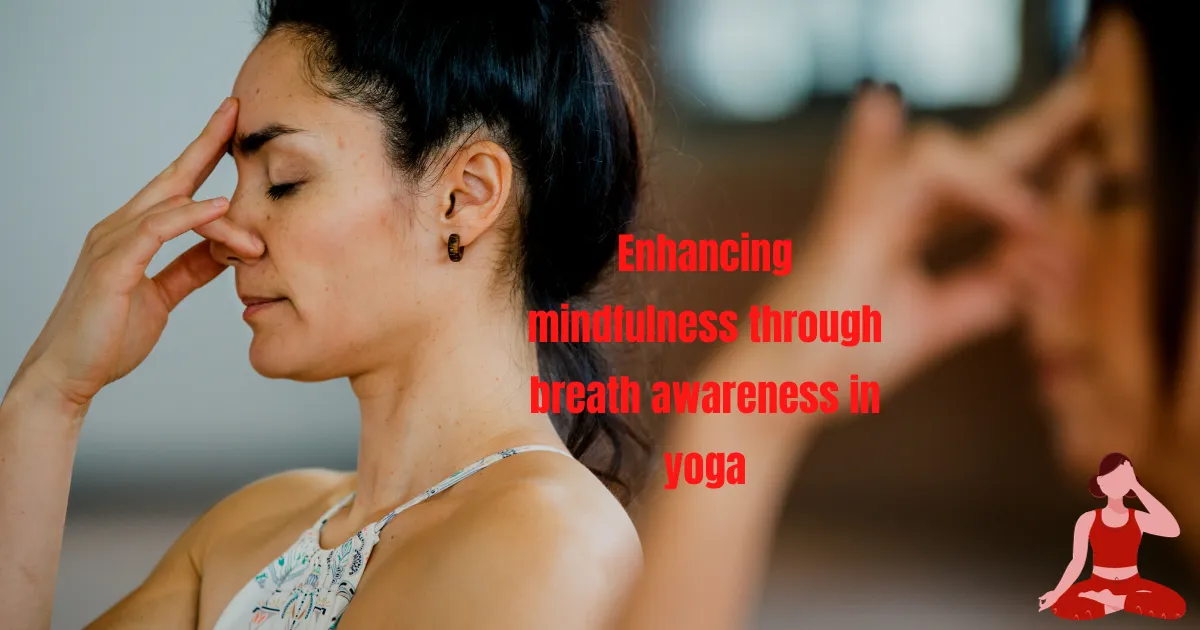
Utilize Proper Breathing Techniques (breathing in yoga)
Proper breathing plays a critical role in your yoga practice. It helps to relax and further concentration. While doing each pose, focus on slow, even breaths as you move into the posture and then hold it for several seconds. Inhale on your way into a pose, exhale when holding the posture, and then inhale again as you transition out.
Direct your breath through your mouth or nose, depending on your instructor’s instructions. Focusing on counting breaths is often beneficial because it can keep you in the present moment and open up space for peaceful reflection.
🧘 The Science: How Yoga Breathing Supports the Vagus Nerve
Yoga is often associated with flexibility and movement, but one of its most calming effects may come from the way it supports the nervous system. Through pranayama, or yogic breathing, you can use slow, mindful breath to help the body shift toward a more relaxed state.
🌿 What Is the Vagus Nerve?
The vagus nerve is one of the body’s major communication pathways, connecting the brain with areas such as the heart, lungs, and digestive system. It plays an important role in the parasympathetic nervous system, often called the “rest and digest” system.
🌬️ The Yoga-Breath Connection
When you practice slow, steady breathing in yoga, your body may begin to move away from stress mode and toward a calmer state. This can support relaxation, focus, and emotional balance.
Deep, diaphragmatic breathing may help stimulate the vagus nerve, encouraging the body to slow down and relax naturally.
Gentle breathing practices may support heart rate variability, a marker often associated with stress resilience and recovery.
Slow breathing can help signal safety to the body, supporting relaxation and helping ease everyday tension.
💡 Wellness Tip: To make breathing more calming, try extending your exhale slightly longer than your inhale. For example, inhale for 4 counts and exhale for 6 counts.
💗 Why This Matters for Everyday Wellness
Supporting the vagus nerve through gentle yoga breathing may contribute to a greater sense of calm and well-being. It can also complement other healthy habits, including flexibility and core-strength practices .
- Relaxation: May help calm the body and mind after a stressful day.
- Digestion Support: Relaxed breathing may support more comfortable digestion.
- Better Sleep Routine: Gentle breathing before bed may help prepare the body for rest.
Note: This information is for general wellness education only and is not medical advice. If you have heart, lung, blood pressure, anxiety, or other health concerns, consult a qualified healthcare professional before starting new breathing practices.
Yoga Breathing & Pranayama FAQ
Common questions about optimizing your respiratory health through mindful practice.- Inhaling through the nose for 4 seconds.
- Holding the breath for 7 seconds.
- Exhaling through the mouth for 8 seconds.
Senior Nutrition Tips
Get daily recipes, superfood guides, and nutrition strategies designed for energy, strength, and healthy aging.
Join Our Facebook Community
Connect with others, discover daily senior wellness tips, fitness ideas, and healthy recipes to stay active and independent.
Fitness & Healthy Aging
Explore low-impact workouts, balance exercises, and strength routines to improve mobility and independence.