

We’ve long been told that physical movement is the key to aging well, but the latest research reveals a more exciting truth: your brain is a dynamic organ capable of growth at any stage of life. Prioritizing Cognitive Health After 60 isn’t simply about avoiding mental decline—it’s about actively optimizing your mental performance and day-to-day focus.
Table of Contents
ToggleUnlocking Mental Vitality: Building Brain Power for Life
By engaging in targeted daily activities, you can stimulate neuroplasticity and build a robust "cognitive reserve" that keeps you sharp, creative, and independent. Strengthening your Cognitive Health After 60 ensures you stay witty, energized, and ready for life's adventures. Welcome to your mental gym.
The Cognitive Gym: Why Puzzles are the Secret to a Vibrant Mind After 60
We often talk about "staying in shape" through walking or swimming, but our most important muscle sits right between our ears. For the active senior, cognitive fitness is the ultimate "insurance policy" for independence. Puzzle-solving activities are more than just a quiet pastime; they are a high-intensity workout for your neural pathways.
The Science of "Mental Play"
When you sit down with a Sudoku grid or a complex jigsaw, your brain enters a state of high engagement. This isn't just entertainment—it's neuroplasticity in action. By forcing the brain to recognize patterns and logic through brain teasers for seniors, you are physically strengthening the synaptic connections that govern memory and focus.
Beyond the Grid: A Holistic Wellness Boost
While the primary goal is mental clarity, the benefits of puzzles ripple through your entire wellness routine:
-
Stress Mastery: Much like "Green Therapy" in the garden, puzzles induce a meditative flow state. This lowers cortisol, the "stress hormone" that can impact metabolic health.
-
Dopamine & Drive: Completing a difficult crossword triggers a release of dopamine. This "reward" chemical doesn't just feel good—it boosts your motivation for other fitness and nutrition goals.
-
Social Vitality: Puzzles are a bridge. Solving a mystery with a grandchild or a friend builds the social connections essential for emotional longevity.
Reclaiming Your Vitality
The beauty of cognitive play is its adaptability. Whether you are using a pen and paper or a tablet, you are taking a proactive, loving step toward your future health. By dedicating just 20 minutes a day to these challenges, you aren't just passing the time—you are fueling a sharper, faster, and more vibrant version of yourself.
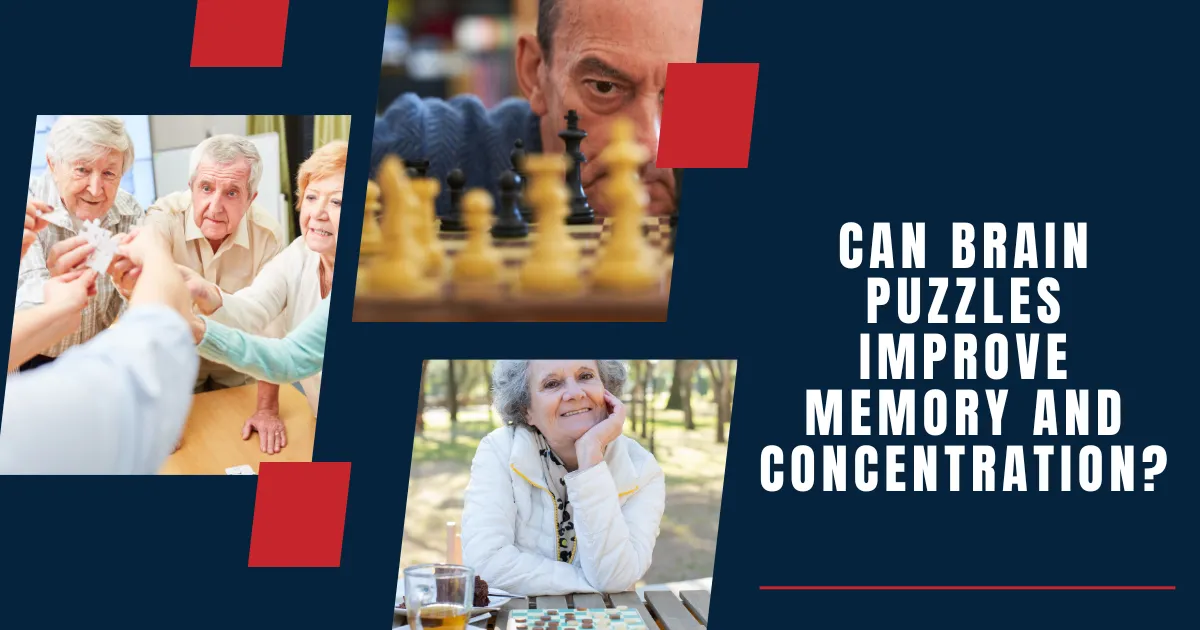
The Science of Play: Boosting Brain Health After 60
Engaging in puzzles isn't just a pastime; it's a high-performance tool for maintaining a vibrant mind. From crosswords and Sudoku to creative photography activities for seniors, these hands-on mental exercises serve as your daily dose of cognitive conditioning and creative focus.
Enhanced Cognitive Function
Active problem-solving stimulates your brain to analyze information and make new neural connections, keeping your mental processing sharp and efficient.
Memory Reinforcement
Whether recalling Sudoku patterns or crossword clues, you are exercising your "memory muscles," leading to better short-term and long-term retention in daily life.
Precision & Concentration
Puzzles train the brain to maintain focus for extended periods. This heightened attention to detail spills over into better decision-making and awareness of nuances.
Stress Reduction & Mood
The meditative quality of puzzles provides a form of escapism, lowering cortisol. Additionally, the dopamine release from solving a challenge boosts self-esteem.
Social Connection
Collaboration on a common goal fosters a sense of belonging. Working on a puzzle with family or friends strengthens relationships and mental well-being.
Adaptive Challenge
As you become proficient, you can scale the complexity. This constant adaptation ensures your brain is never stagnant and always improving.
Ready to start your mental workout?
Explore our curated Activities for Longevity Guide to find your next challenge.
Always consult a qualified healthcare professional before starting any new exercise program, changing your diet, or making changes to your medication or treatment plan. If you experience sudden dizziness, chest pain, shortness of breath, or severe symptoms, seek immediate medical attention.
5 Daily Activities for Cognitive Vitality
Science-backed habits to strengthen your mental reserve after 60.
🧩 Strategic "Deep Play"
Engage in Sudoku, chess, or logic puzzles to toggle between big-picture strategy and micro-detail, strengthening the prefrontal cortex.
🌿 Sensory Gardening
A multi-sensory workout. Coordination and spatial awareness fire up multiple brain areas while lowering cortisol levels.
📸 The "New Skill" Sprint
Learn a new language or master a new setting on your camera. Novelty forces neurons to forge entirely new pathways.
🗣️ Social Storytelling
Engage in deep narrative recall. Describing events in detail exercises long-term memory and verbal fluency.
🍳 Culinary Experimentation
Managing a complex new recipe is a masterclass in executive function, timing, and fine motor coordination.
Weekly Brain-Flex
Your 5-Minute Cognitive Conditioning Routine
The "Golden Ratio" Word Riddle
Consistently challenging your problem-solving skills is an essential habit for optimizing Cognitive Health After 60. Before checking the solution, attempt to solve this word-pattern puzzle:
The Blueberry Brain Boost
Did you know? Anthocyanins in blueberries increase blood flow to key brain structures, enhancing memory recall and focus during complex daily tasks.
The 10-Minute "Garden Sit"
This week's Green Therapy challenge: Find a peaceful spot in your garden or a local park. Sit quietly for 10 minutes with no digital devices. Focus on identifying three distinct bird calls or foliage textures. Lowering cortisol levels through sensory grounding directly protects your long-term Cognitive Health After 60.
Sharpening the Senior Mind: How Photography Boosts Cognitive Health
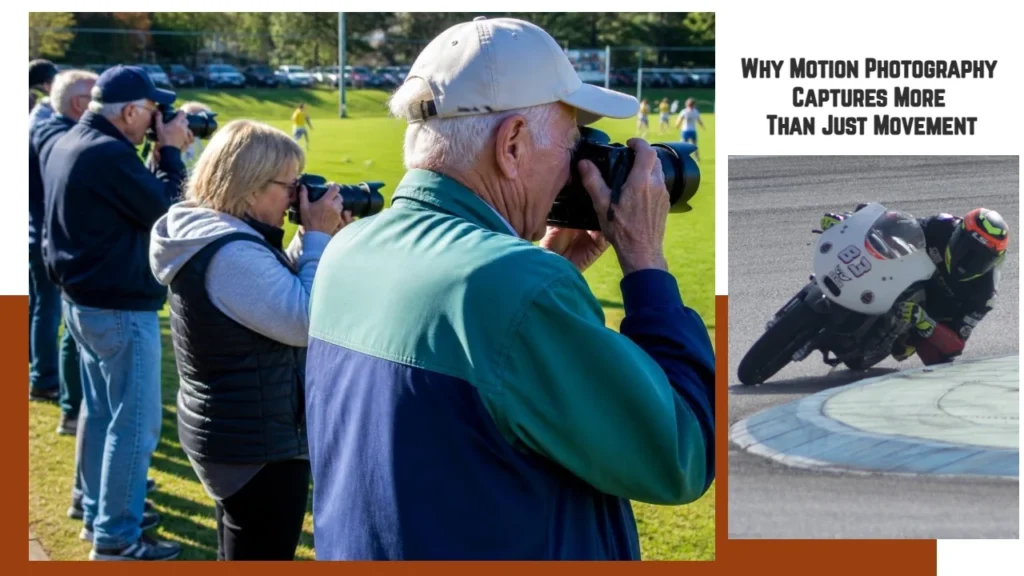
Keeping your mind active after 60 requires continuous learning, creative challenge, and purposeful focus. While crosswords and memory games are popular, engaging in photography activities serves as a comprehensive, multi-sensory workout for the brain—combining physical movement, visual perception, spatial orientation, and technical problem-solving.
The Mental Benefits of Creative Camera Work
1. Spatial Reasoning & Framing
Composing a shot through a lens forces your brain to calculate depth, balance light and shadow, and predict movement—stimulating neuroplasticity in visual-spatial centers.
2. Focus & Mindfulness
Tracking moving subjects or searching for fine details in macro nature photography engages deep concentration, calming mental clutter while honing observational skills.
3. Memory & Technical Skills
Learning camera controls, aperture-shutter relationships, and editing software exercises working memory and promotes ongoing cognitive resilience.
Photography seamlessly fits into a daily wellness routine, encouraging gentle outdoor walks and inspiring meaningful creative goals. To discover additional food, lifestyle, and exercise habits that support lasting mental agility, explore our full guide on Capturing Action: Sports Photography for Active Seniors.
Summary: Reclaiming Your Mental Edge
Prioritizing cognitive health after 60 is more than a wellness goal; it is a commitment to a life of independence and mental clarity. By incorporating diverse cognitive health activities for seniors—such as strategic play, sensory gardening, and narrative storytelling—you are actively conditioning your brain to stay resilient and sharp.
The research is clear: consistency is the key to maintaining cognitive health after 60. When you engage in these daily cognitive health activities for seniors, you aren't just passing the time—you are building a powerful neurological reserve. Start today by choosing one activity that challenges you, and make mental vitality your signature legacy.
📢 share this article
✨ tap to share — help others crack the comment code


Great article you put together, I have always liked doing the Cryptoquote Puzzles in the newspaper. They are great for keeping the old brain cells active.
Great Site Razz, I would like to share efforts with you
Pingback: Alin
Pingback: Jorginho
Pingback: Memory Games For Brain Health: Boost Your Memory - praktikotips
Pingback: Active Aging: Burn Calories, Stay Vital in The Golden Years