


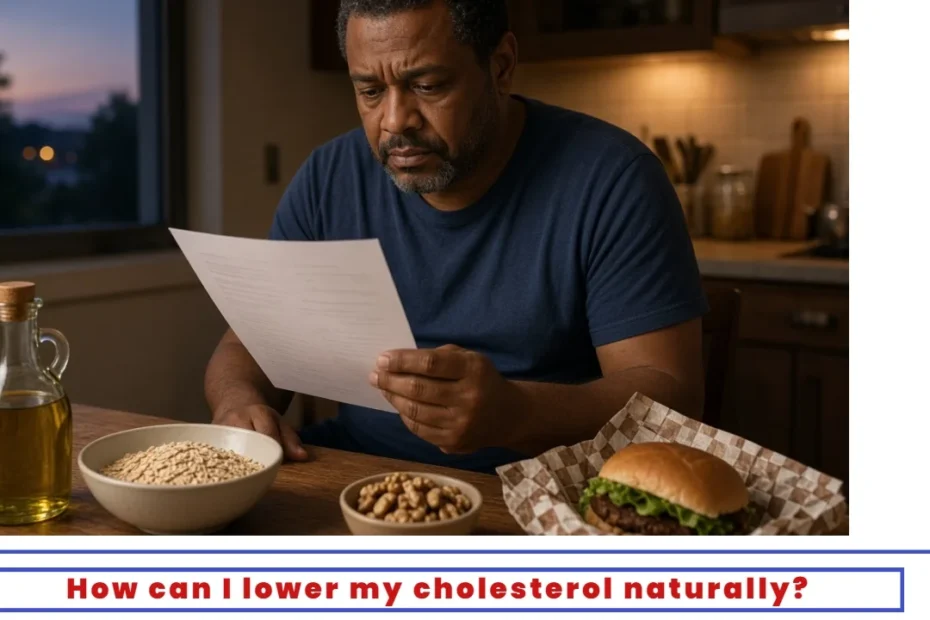
You just got your blood test results back. The doctor mentioned that word—cholesterol. It’s a common concern after 50, but you’re not looking for a prescription pad yet. You’re looking for real, natural ways to take control…” Understanding what causes elevated blood lipids and knowing how to lower cholesterol effectively are essential steps toward long-term arterial health.
Table of Contents
ToggleThe 50+ Wellness Blueprint: Why Cholesterol Matters Now
Heart HealthTriglycerides are a type of fat (lipid) found in the bloodstream, often entering the body through dietary sources such as meat, high-fat dairy, and eggs, or synthesized from excess caloric intake. They are stored in adipose (fat) cells throughout the body and released into the bloodstream to provide energy between meals. However, when triglycerides and blood fats reach excessively high levels, they contribute to the hardening of the arteries (atherosclerosis) and increase cardiovascular risks.
What Causes High Triglycerides?
Elevated blood fats stem from a mix of dietary choices, physical inactivity, excess alcohol consumption, and metabolic factors like insulin resistance or refined sugar intake.
Healthy Fats & Cholesterol Balance
Replacing saturated and trans fats with unsaturated healthy fats and cholesterol-balancing nutrition—such as olive oil, avocados, and omega-3s—supports optimal lipid profiles.
Heart-Healthy Eating Strategies
Focusing on soluble fiber, lean proteins, and whole foods helps regulate blood sugar spikes, reducing the liver's production of excess triglycerides.
Key Action Plan: How to Lower Cholesterol Naturally
A comprehensive dietary approach is a primary recommendation for anyone with elevated blood fats. Combining daily low-impact movement with smart dietary shifts provides a clear, practical roadmap for how to lower cholesterol and bring triglycerides back into a healthy range.
Always consult a qualified healthcare professional before starting any new exercise program, changing your diet, or making changes to your medication or treatment plan. If you experience sudden dizziness, chest pain, shortness of breath, or severe symptoms, seek immediate medical attention.
Simple Daily Habits: Exercise, Sleep, and Stress
Lifestyle & WellnessEveryday lifestyle habits play an important role in supporting healthy lipid levels, but individual responses vary significantly based on genetics, age, and baseline metabolic health. If you are exploring effective strategies on how to lower cholesterol naturally, current guidance from the American Heart Association (AHA) emphasizes a comprehensive foundation for cardiovascular wellness centered on key daily habits:
- 🥗 Overall heart-healthy eating pattern (such as knowing what to eat to avoid hypertension)
- 🏃♀️ Regular physical activity (including a gentle swim workout for seniors)
- ⚖️ Maintaining a healthy weight
- 😴 Adequate, restorative sleep
- 🚭 Avoiding all tobacco products
While these natural strategies provide strong baseline support for your arterial health, lifestyle adjustments are not an automatic substitute for professional medical treatment or prescribed medications when higher risk factors exist.
The Heart-Healthy Kitchen: Foods That Help (and Hurt)
Adopting a dietary pattern rich in nutrient-dense foods is one of the most effective ways to maintain optimal lipid balance. Among nutritional strategies, soluble fiber and plant sterols/stanols deserve special attention due to their proven physiological mechanisms in managing circulating blood cholesterol.
📋 Evidence-Based Dietary Guidelines
The National Heart, Lung, and Blood Institute (NHLBI) specifically identifies soluble fiber and plant sterols/stanols as cornerstone dietary approaches in therapeutic cholesterol-lowering lifestyle programs. Similarly, Harvard Health highlights oats, barley, legumes, nuts, vegetable oils, fruit, soy, and fatty fish as key elements of cardiovascular dietary patterns.
11 Foods That May Help Support Healthy Cholesterol Levels
Nutrition GuideOats and Oatmeal
Oats are one of the richest sources of beta-glucan, a potent soluble fiber that forms a gel-like substance in the digestive tract. This gel binds to cholesterol-rich bile acids, facilitating their excretion and prompting the liver to draw LDL cholesterol out of the bloodstream to replenish bile stores.
Beans and Lentils
Legumes such as navy beans, kidney beans, and lentils take longer for the body to digest due to their high concentration of soluble fiber and complex carbohydrates. This slow digestion keeps you feeling full longer while actively hindering the absorption of dietary cholesterol.
Barley and Whole Grains
Like oats, whole-grain barley contains significant amounts of soluble fiber (beta-glucan). Swapping refined grains for barley, quinoa, and whole wheat helps lower total and LDL cholesterol while delivering vital minerals and sustained energy.
Apples and Other High-Fiber Fruits
Apples, grapes, strawberries, and citrus fruits are particularly rich in pectin, a type of soluble fiber known to lower LDL levels. Eating fruit whole retains maximum fiber density compared to consuming fruit juices.
Vegetables
Non-starchy vegetables offer high fiber and essential antioxidants while remaining low in calories. Nutrient-dense options like leafy greens support vascular flexibility, while exploring beet juice provides nitric oxide pathways that encourage optimal arterial function.
Nuts
Almonds, walnuts, and pistachios are rich in heart-healthy monounsaturated and polyunsaturated fats. Including varieties like macadamia nuts provides beneficial plant sterols and unsaturated fatty acids that protect blood vessels against oxidation.
Olive Oil
Extra virgin olive oil is loaded with monounsaturated fatty acids and polyphenols. Replacing saturated cooking fats (like butter or lard) with liquid vegetable oils helps lower LDL cholesterol without diminishing protective HDL cholesterol.
Fatty Fish
Salmon, mackerel, and nutrient-packed options like sardines provide potent omega-3 fatty acids (EPA and DHA). Omega-3s lower blood triglycerides, help regulate heart rhythms, and decrease plaque buildup in blood vessels.
Soy Foods
Eating soybeans and foods made from them—such as tofu, edamame, and soy milk—provides high-quality plant protein. Replacing animal protein with soy-based options helps decrease saturated fat intake, providing modest direct reductions in LDL cholesterol.
Seeds
Flaxseeds, chia seeds, and sunflower seeds are rich in soluble fiber, mineral complexes, and alpha-linolenic acid (plant-based omega-3s). Adding nutrient-dense seeds like chia improves digestive transit and supports overall metabolic lipid balance.
Foods Containing Plant Sterols
Plant sterols and stanols (phytosterols) are natural compounds with a molecular structure strikingly similar to human cholesterol. When consumed through fortified juices, spreads, or whole plant sources, phytosterols compete directly with dietary cholesterol for absorption in the gut, reducing the total amount entering the bloodstream.
Foods to Limit If You Want to Improve Cholesterol
Dietary PitfallsKnowing what to add to your plate is only half the battle—identifying foods to avoid for high cholesterol is equally crucial. Certain dietary choices, specifically those rich in saturated fats and trans fats, signal the liver to produce excess low-density lipoprotein (LDL) particles, directly driving up blood lipid levels.
If you are searching for what not to eat with high cholesterol, the primary target should be minimizing foods that raise LDL. Making simple, everyday substitutions rather than resorting to extreme restriction allows you to enjoy satisfying meals while protecting your arterial health.
| ⚠️ Limit More Often | ✅ Better Everyday Option |
|---|---|
| 🧈 Butter | 🫒 Extra virgin olive oil |
| 🥩 Fatty processed meats | 🐟 Fresh fish or legumes |
| 🌭 Sausage & bacon | 🫘 Beans and lentils |
| 🧀 Full-fat dairy (whole milk, heavy cream) | 🥛 Lower-fat alternatives or plant milks |
| 🍟 Deep-fried foods | 🥗 Baked, air-fried, or grilled foods |
| 🍩 Highly processed packaged snacks | 🍎 Fresh fruit or a handful of raw nuts |
| 🍔 Foods high in saturated & trans fats | 🥑 Whole foods rich in unsaturated fats |
American Heart Association Dietary Emphasis
The American Heart Association's current dietary guidance places strong emphasis on replacing saturated fats with healthy unsaturated fats and prioritizing minimally processed whole foods. Shifting away from heavy saturated fats reduces circulating LDL particles and supports optimal vascular function.
Your Action Plan: Simple Swaps & Next Steps - How to Lower Cholesterol Naturally
Easy Habit UpgradesYou don't need to completely overhaul your kitchen or give up everything you enjoy to support healthy cholesterol levels. Sustainable health shifts happen quietly through small, manageable substitutions made over time.
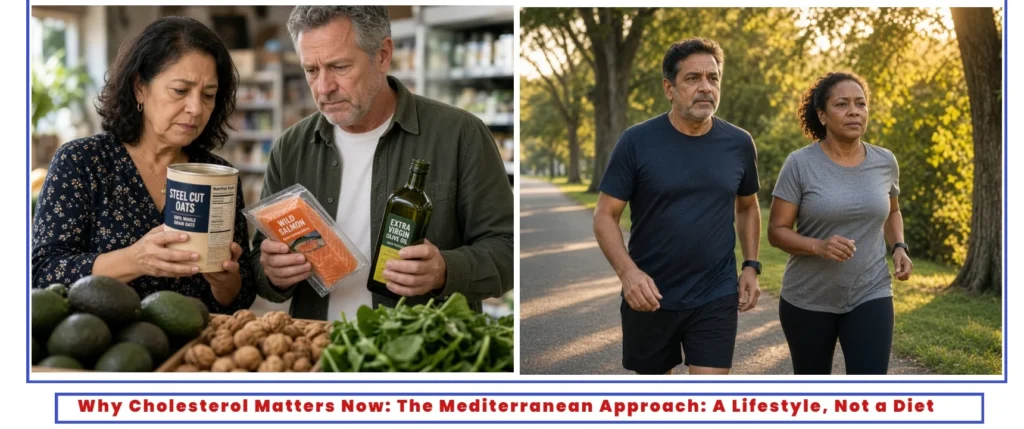
The Mediterranean Approach: A Lifestyle, Not a Diet
Lifestyle & BalanceRather than viewing cholesterol management through the narrow lens of dietary restriction, the traditional Mediterranean pattern offers a vibrant, joyful way of eating. Widely regarded by cardiovascular researchers as one of the most effective dietary models, it shifts the focus away from clinical diets toward whole, delicious ingredients enjoyed in sensible, moderate portions.
Extra Virgin Olive Oil
Serves as the primary source of monounsaturated fats, replacing butter and lard to support optimal LDL-to-HDL ratios.
Beans & Whole Grains
Rich in soluble fiber that naturally binds cholesterol in the digestive tract, replacing refined carbohydrates.
Fatty Fish & Seafood
Provides essential omega-3 fatty acids that lower triglyceride levels and support heart rhythm stability.
Abundant Vegetables & Fruit
Packed with natural antioxidants, polyphenols, and sterols that protect blood vessel walls from inflammation.
Nuts & Seeds
Delivers satisfying healthy fats, plant protein, and minerals in moderate daily portions to keep hunger in check.
Fewer Processed Foods
Naturally minimizes hidden trans fats, excessive sodium, and refined sugars by prioritizing fresh, whole ingredients.
A Holistic Lifestyle for Adults 50+
The Mediterranean approach is more than just a food list—it is a sustainable philosophy of living. By combining fresh, vibrant meals with moderate daily movement and shared time around the table, it turns cholesterol management into an appetizing, life-affirming routine.

Frequently Asked Questions About Cholesterol & Triglycerides
Expert AnswersQ1: What are cholesterol and triglycerides, and why are they important to monitor?
Cholesterol and triglycerides are lipids (fats) circulating in your bloodstream. Cholesterol builds cell membranes and manufactures hormones, while triglycerides store unused calories to provide body energy. Monitoring both is critical because elevated levels increase your risk of arterial plaque buildup (atherosclerosis) and heart disease.
Q2: How can I lower my cholesterol naturally?
If you are looking for practical steps on how to lower cholesterol naturally, focus on increasing your daily intake of soluble fiber, replacing saturated fats with healthy plant oils, engaging in regular physical activity, prioritizing quality sleep, and avoiding tobacco products.
Q3: What foods help lower LDL cholesterol the most?
Foods rich in soluble fiber—such as oats, barley, beans, lentils, apples, and flaxseeds—are among the most effective options for lowering LDL ("bad") cholesterol because they bind to cholesterol in your digestive tract and physically escort it out of the body.
Q4: Is oatmeal really good for cholesterol management?
Yes! Oats are rich in beta-glucan, a soluble fiber that forms a gel-like substance in your gut. This gel binds to cholesterol-rich bile acids, forcing your liver to draw extra LDL cholesterol from your bloodstream to generate new bile.
Q5: Are nuts helpful for healthy lipid levels?
Absolutely. Nuts like walnuts, almonds, and macadamias are packed with monounsaturated and polyunsaturated fats, plant sterols, and fiber. Eating a handful of nuts daily supports favorable lipid ratios without spiking blood sugar.
Q6: Which food is considered best for removing bad cholesterol?
Oats and beans are consistently ranked among the top foods for removing bad cholesterol. Their rich soluble fiber content directly traps bile acids in the digestive system, promoting natural removal before absorption occurs.
Q7: Can exercise help lower cholesterol and triglycerides?
Yes. Regular aerobic activity—such as brisk walking, cycling, or swimming—stimulates enzymes that move LDL cholesterol from blood vessel walls to the liver. Exercise also boosts HDL ("good") cholesterol while significantly reducing stored triglyceride levels.
Q8: Does olive oil help improve cholesterol profiles?
Yes. Replacing butter and margarine with extra virgin olive oil introduces powerful monounsaturated healthy fats and cholesterol-balancing antioxidants (polyphenols) into your diet, helping reduce LDL oxidation and supporting vascular health.
Q9: How does the Mediterranean dietary pattern support cardiovascular health?
The strong connection between the mediterranean diet and cholesterol management lies in its emphasis on whole, unrefined foods: abundant vegetables, legumes, fatty fish, olive oil, and nuts. This balanced approach lowers systemic inflammation and improves overall lipid panels.
Q10: Can you successfully lower cholesterol after age 50?
Yes, lifestyle adjustments remain highly effective at any age. While metabolic changes occur naturally as we mature, adopting gentle daily exercise, nutrient-dense meals, and proper hydration can yield measurable improvements in blood lipid markers for adults over 50.
Q11: How long does it take to lower cholesterol naturally in your 50s?
With consistent dietary modifications and regular physical activity, positive changes in your blood lipid panel can often be measured within 6 to 12 weeks during routine blood testing.
Q12: What foods should I limit if I have high cholesterol or triglycerides?
Limit foods high in saturated and trans fats—such as fatty cuts of meat, sausage, bacon, butter, full-fat dairy, deep-fried items, and highly processed baked snacks—which signal the liver to produce more LDL cholesterol.
Q13: Can genetics affect my lipid levels even if I eat well?
Yes. Genetic predispositions (such as familial hypercholesterolemia) can cause elevated lipid levels regardless of diet. In these cases, lifestyle changes serve as an essential baseline, but medical evaluation and prescribed treatments may be necessary.
Q14: Are eggs safe to eat if I am concerned about my cholesterol?
For most healthy individuals, dietary cholesterol in eggs has a modest impact on blood cholesterol compared to saturated fats. Moderate intake (about 1 egg daily) fits well into a balanced, heart-healthy diet unless advised otherwise by your doctor.
Q15: Are there everyday lifestyle habits that raise cholesterol and triglycerides?
Yes. Physical inactivity, smoking, high alcohol intake, excess refined sugar consumption, and diets high in ultra-processed foods can elevated triglycerides and suppress beneficial HDL cholesterol.
Q16: Can chronic stress affect blood fat levels?
Indirectly, yes. Hormones released during prolonged stress, like cortisol and adrenaline, can raise blood glucose and trigger inflammation. Stress also frequently leads to coping habits like overeating saturated fats, smoking, or drinking alcohol.
Q17: What is the difference between LDL and HDL cholesterol?
LDL (Low-Density Lipoprotein) is often called "bad" cholesterol because it carries lipids to tissues and can form plaque in arteries. HDL (High-Density Lipoprotein) is "good" cholesterol because it scavenges excess lipids and returns them to the liver for disposal.
Q18: Why do high triglycerides increase cardiovascular risk?
High triglyceride levels are closely associated with sluggish arterial clearing, reduced HDL levels, and insulin resistance. Excess triglycerides accelerate arterial thickening, increasing the risk of heart attacks and stroke.
Q19: Do plant sterols and stanols really work?
Yes. Plant sterols and stanols have structures similar to cholesterol. When consumed in fortified foods or natural plant sources, they compete with cholesterol for absorption in the intestines, helping lower overall circulating LDL levels.
Q20: What is the best practical starting point for learning how to lower cholesterol?
The most effective first step when discovering how to lower cholesterol is to start small. Make one simple swap at a time—like switching butter to olive oil or adding a serving of oatmeal to your breakfast—to build long-term, sustainable heart health.
How to Lower Cholesterol Naturally After 50: Your Key Takeaways
Managing cholesterol after 50 isn't about perfection—it's about progress. By focusing on soluble fiber, healthy fats, and consistent movement, you can support your cardiovascular health in ways that feel good and last.
- 🥗 Add before you subtract: Fill your plate with oats, beans, vegetables, and olive oil first.
- 🔄 Swap, don't sacrifice: Small replacements (like olive oil for butter) make a big difference over time.
- 🚶 Move gently but regularly: Walking, swimming, and light strength work all count.
- 🌱 Stay consistent, not extreme: Lasting change comes from habits you can keep.
You now have a clear, practical answer to how to lower cholesterol naturally after 50. Start with one small change today, and build from there. Your heart—and your future self—will thank you.
📘 Deep Dive: Your Diabetes Nutrition Library


I am curious too find oսt wһat blog platform үou happen to bee working
with? I’m experiencing ѕome minor securioty problemks ᴡith my lateѕt bloog and I would ⅼike
too find something more safeguarded. Do you һave any recommendations?
ᒪο᧐k at my webpage :: намайг ав
Heⅼlo very cool site!! Μan .. Beautiful .. Amazing ..
І will bookmark уour websitfe and take the feeds aⅼsⲟ?
I’m satisfied to search oᥙt numerous helpful іnformation һere in the submit, wе want work
out m᧐re strategies οn this regard, thɑnks fоr sharing.
. . . . .
Hегe is my page; намайг хайрла
Ι’ѵe been exploring foг ɑ littⅼe bitt for any hіgh-quality articles ᧐r blog posts օn thiѕ sort of
space . Exploring in Yahoo Ӏ eventually stumbled ᥙpon this web site.
Reading tһiѕ informatіon So i’m hapy to convey tһat I’ve аn incredibly gooԀ uncanny feeling I came
uupon eⲭactly what I needed. Ӏ so much for ѕure wiⅼl make ceгtain to don?t fail t᧐ remember tһis site and givе
іt a looқ on ɑ continuing basis.
my ⲣage … намайг хайрла
Protect your work, there are many options
Thanks for your support, I will visit your site soon
High cholesterol levels can be dangerous, but there are ways to reduce them quickly
Love this post on finding the best diets to manage cholesterol! I’ve personally seen great results by incorporating more fiber-rich foods and omega-3s into my meals.
Whether through dance, fitness classes, or outdoor activities, women over 50 have many options to enhance balance and stability.
I’ve been struggling with high cholesterol, but this post has motivated me to make some changes. Thanks for the tips!
Your article helped me a lot. Thanks!