



Are today’s hottest food trends actually useful for people over 50—or are some simply clever marketing? The call for innovation ( innovation foods) has never been louder in nutrition. As populations grow and environmental challenges mount, the food industry responds with pioneering solutions that promise to address some of our time’s most pressing nutritional challenges. Innovative foods are paving the way for a healthier future, from combating malnutrition to enhancing food sustainability.
Table of Contents
ToggleGlobal Food Insecurity: A Growing Challenge - Innovative Foods
Global HealthGlobal food insecurity is a pressing issue affecting millions of people worldwide. It refers to the state of not having consistent access to enough nutritious food to meet basic needs. This can lead to malnutrition, hunger, and other health problems.
Causes of Global Food Insecurity
Poverty
Economic hardship is a primary driver of food insecurity. People living in poverty often lack the financial resources to purchase sufficient, nutritious food.
Conflict & Displacement
Wars, political instability, and natural disasters can severely disrupt food production, supply distribution, and community access.
Climate Change
Rising temperatures, extreme weather events, and erratic precipitation patterns impact agricultural productivity, resulting in widespread food shortages.
Inequality
The unequal distribution of land, resources, and wealth exacerbates food insecurity, particularly across developing nations.
Population Growth
An expanding global population strains food production and natural resources, making it increasingly challenging to meet everyone's daily needs.
Consequences of Global Food Insecurity
Malnutrition
Lack of access to wholesome food results in various forms of malnutrition, including undernutrition, micronutrient deficiency, and overnutrition.
Hunger
Chronic hunger carries severe physical and mental health risks, including stunted growth, cognitive impairment, and heightened susceptibility to diseases.
Sustained Poverty
Food insecurity perpetuates a relentless cycle of poverty, as individuals struggling to meet basic nutritional needs cannot invest in education, healthcare, or economic advancement.
Social Unrest
Severe food shortages and widespread hunger frequently contribute to heightened social tensions, instability, and civil unrest.
Addressing Global Food Insecurity
Addressing global food insecurity requires a multifaceted, collaborative approach involving key systemic solutions:
Sustainable Agriculture
Promoting sustainable farming practices that increase agricultural yields while safeguarding natural ecosystems.
Social Safety Nets
Expanding social safety nets and emergency food assistance programs to help vulnerable populations meet their essential daily needs.
Economic Development
Investing in job creation and economic infrastructure to lift communities out of poverty and improve purchasing power for food.
Climate Mitigation
Taking proactive steps to reduce greenhouse emissions and adapt agricultural systems to climate change impacts on food supplies.
International Cooperation
Strengthening cross-border collaboration and global partnerships to solve food distribution and supply chain challenges collectively.
Moving Forward Together
By working together across nations, sectors, and communities, we can reduce global food insecurity and ensure everyone has reliable access to the nutritious food required to thrive.

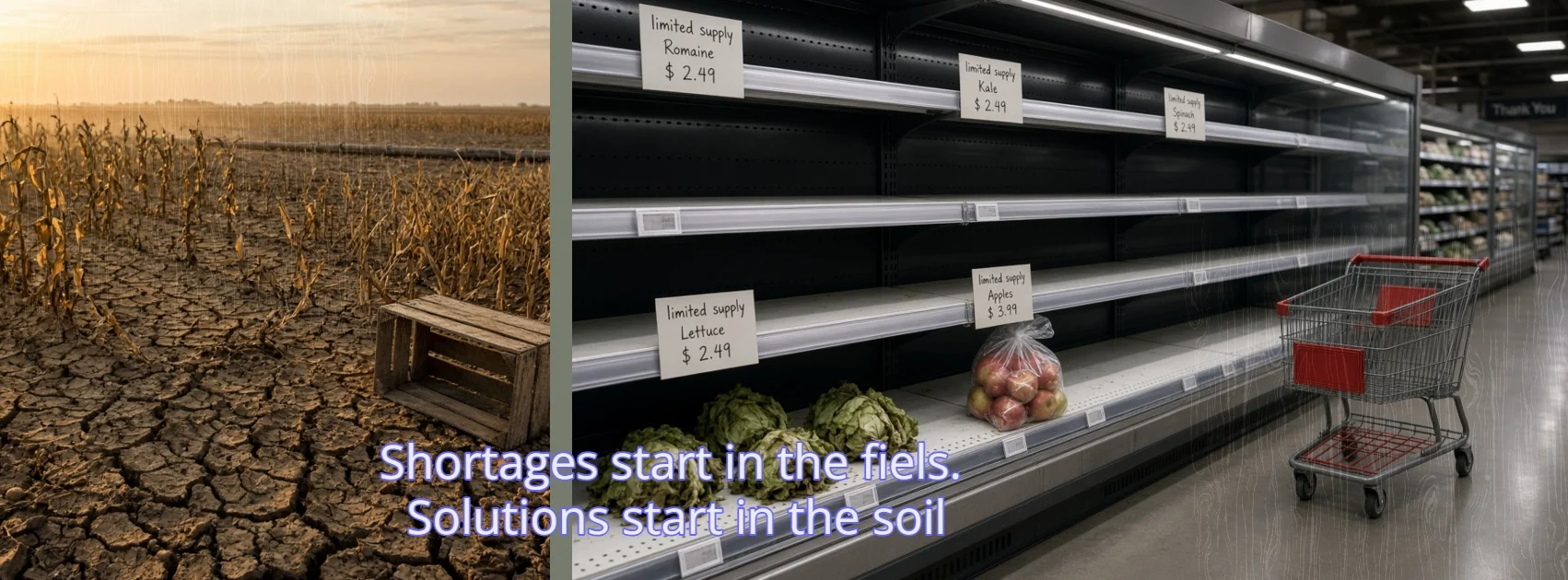
Food Shortages & Sustainable Food: A Complex Relationship
Global SecurityFood shortages and sustainable food practices are deeply interconnected issues that significantly affect global food security. While shortages stem from factors like natural disasters, geopolitical conflicts, and economic instability, transitioning toward sustainable agriculture and food innovation builds resilient systems capable of mitigating these impacts.
Taste of Tomorrow: Discover the Impact of Innovative Foods & Alternative Protein Sources
Recently, there has been a growing focus on innovative foods as the world's population continues to expand and concerns regarding food sustainability, safety, and health increase. Many companies are investing in research and development to create more sustainable, nutritious, and affordable food products that meet the demands of today's consumers.
1. Plant-Based Proteins
Driven by the rise of veganism and environmental concerns over traditional meat production, innovative plant-based alternatives are emerging. Products from pioneer brands like Beyond Meat and Impossible Foods utilize advanced food technology to deliver meat-like texture and flavor purely from plant ingredients.
2. Functional Foods
Enriched with essential vitamins, minerals, and active nutrients, functional foods offer targeted health benefits beyond basic sustenance. Probiotic yogurt actively supports gut flora, while foods fortified with Vitamin D help prevent nutritional deficiencies.
3. Food Waste Reduction
Emerging technologies are addressing food loss by revolutionizing packaging, transportation, and preservation. For instance, Apeel Sciences has created an edible, plant-derived coating for fresh produce that extends shelf life and dramatically reduces waste.
4. Cultured Meat
Cultured or lab-grown meat involves cultivating real animal cells in controlled environments to produce genuine meat without animal slaughter. Companies like Memphis Meats (UPSIDE Foods) and Mosa Meat are pioneering this slaughter-free frontier.
5. Alternative Sweeteners
To combat the health risks of excessive sugar intake, low-calorie and low-glycemic sweeteners are rapidly replacing traditional sugar across food lines. Natural solutions like stevia, monk fruit extract, and erythritol provide sweetness without glycemic spikes.
Industry Outlook
Overall, innovative foods offer exciting opportunities for the food industry to build sustainable, nutritious, and accessible solutions for communities worldwide. As these technologies continue to mature, we can anticipate a steady wave of groundbreaking products transforming our daily diet.


7 Food Trends Shaping 2026
Future FoodAs the global population grows and traditional food systems face environmental pressures, 2026 marks a transformative era in nutrition. Food innovators are responding with sustainable protein alternatives and specialized functional foods that empower individuals to maintain health and manage conditions like diabetes effectively.
Sustainable & Alternative Protein Sources
1. Edible Insects
- High Protein: Exceptionally dense nutrient profile, often rivaling or exceeding beef and fish.
- Eco-Friendly: Cultivation requires significantly less land, water, and feed than traditional livestock.
- Versatile Use: Enjoyed whole, ground into high-protein flours, or integrated into energy bars.
2. Microalgae Innovation
- Nutrient-Rich: Packed with complete proteins, essential omega fatty acids, vitamins, and minerals.
- Zero-Waste Growth: Cultivated in controlled marine and wastewater settings without arable farmland.
- Broad Application: Blended into daily protein powders, functional beverages, and plant-based meats.
3. Fungi & Mycoprotein
- Upcycled Farming: Grown efficiently on agricultural byproducts and low-cost natural substrates.
- Textural Versatility: Naturally mimics fibrous meat textures for dairy-free cheeses and steaks.
- Nutritional Powerhouse: High in gut-friendly fiber, essential amino acids, and key B vitamins.
Targeted & Diabetic-Friendly Nutrition
4. Low-Carb & Low-Sugar Snacks
- Specifically formulated to prevent rapid blood sugar spikes.
- Provides steady, long-lasting energy for diabetic lifestyles.
- Offers healthy, convenient options for on-the-go snacking.
5. Plant-Based Meat Substitutes
- Delivers low-fat, zero-cholesterol alternatives to red meat.
- Reduces cardiovascular risks commonly linked with diabetes.
- Formulated for authentic taste and improved dietary health.
6. Natural Sugar Alternatives
- Replaces refined sugars with stevia, monk fruit, and erythritol.
- Enables sweet flavors without compromising glycemic control.
- Supports tooth health and overall weight management goals.
7. Fiber-Rich Foods & Shakes
- High-Fiber Staples: Innovative pastas, breads, and cereals designed to stabilize blood glucose.
- Smart Shakes: Convenient meal replacement options optimized for protein-carb ratios.
- Digestive Support: Promotes microbiome health and long-term metabolic stability.
Looking Ahead
The advancement of sustainable protein harvesting and specialized diabetic-friendly foods represents a major milestone in global nutrition. These 2026 food trends offer accessible, environmentally conscious choices that make maintaining a balanced, healthy diet easier than ever.


Global Flavors Come to the Everyday Kitchen
Culinary TrendsCurrent culinary research highlights a growing passion for international ingredients and bold fusion concepts in home cooking. By combining cultural expertise with global travel insights, everyday cooks can seamlessly bring regional cooking traditions into their weekly meal prep. Explore more global culinary inspiration at FoodAtWorld.
Peruvian Flavors
Famous for vibrant Ají Amarillo, citrusy fresh ceviches, and bold coastal-Andean fusion dishes. Discover authentic regional techniques on FoodAtWorld's South American culinary guides.
Thai Flavors
Mastering the delicate harmony between sweet, sour, salty, and spicy using fragrant lemongrass, galangal, fresh basil, and rich coconut milk curries.
Mexican Ingredients
Elevating weeknight meals with heirloom chilies, rich complex moles, nixtamalized masa, and fresh herbs. Learn more about regional Mexican sauces on FoodAtWorld.
Indian Spices
Unlocking wellness and depth of flavor through blooming turmeric, green cardamom, toasted whole garam masala, and holistic spice blends.
Korean Fermented Foods
Boosting gut health and adding savory umami depth with staple ingredients like fermented gochujang, savory doenjang, and tangy artisanal kimchi.
Moroccan Flavors
Bringing slow-simmered warmth to your table with aromatic Ras el Hanout, salty-tangy preserved lemons, and fragrant tagines.
Mediterranean Ingredients
Embracing clean, vibrant Mediterranean staples such as cold-pressed extra virgin olive oil, wild oregano, creamy feta, and refreshing tzatziki.
Expand Your Culinary Horizons
Integrating international pantries into your daily meal rotation is easier than ever. Visit FoodAtWorld to explore step-by-step authentic recipes, regional guides, and expert travel tips to master fusion cooking at home.
Food Trend or Food Hype?
- Protein-rich whole foods
- Fiber-rich foods
- Fermented foods
- Global spices and flavors
- Frozen vegetables and convenient whole foods
- Protein bars
- Functional drinks
- “Gut health” products
- Plant-based substitutes
- Highly fortified innovative foods






Thanks for sharing. I read many of your blog posts, cool, your blog is very good.
innovation foods are revolutionizing the way we eat, offering sustainable, nutritious, and delicious alternatives to traditional food choices
I appreciate your perspective on “Innovation Foods” and their role in shaping the future of sustainable eating. Indeed, these innovative approaches hold great potential to address the environmental and social challenges associated with our current food systems. By embracing sustainable practices and technologies, we can create a positive impact on both our health and the planet. It’s exciting to witness the progress being made in this field, and I’m hopeful for a future where sustainable eating becomes the norm.
Exciting Times in Food Innovation! Reduce Food Waste: Innovative tech is helping reduce food waste. Apps like @TooGoodToGo_UK connect you with surplus food, saving money and the environment. It’s a win-win!
I’m curious, what are some food innovations that have failed? It’s important to learn from both the successes and the failures in this field.
It’s empowering to know there are proactive steps we can take to improve balance as we age. Combining targeted exercises with the right nutrition through innovative foods sounds like a powerful approach.