


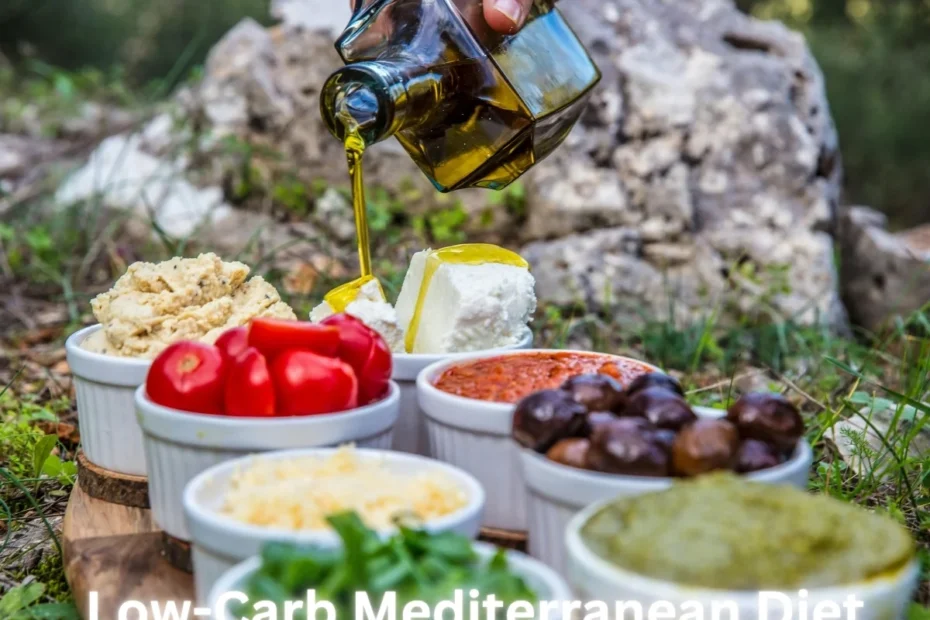
You’ve heard the Mediterranean diet is the “healthiest in the world,” but you’re worried about all that pasta and bread, right? You’re not alone. The fear of carbs keeps millions from trying this life-changing way of eating.
Table of Contents
ToggleBut here’s the truth: You can enjoy the proven benefits of the Mediterranean diet—incredible heart health, steady energy, and sustainable weight loss—while keeping your carbs in check. I’ve created this complete guide to show you exactly how.
Inside this 7-day Low-Carb Mediterranean Diet & meal plan, you’ll discover:
- 🍽️ A full week of delicious, low-carb meals for breakfast, lunch, and dinner.
- 📝 A **free, printable PDF** with a meal plan & grocery list to take the guesswork out of shopping.
- 🔥 **Proven strategies** to boost weight loss by focusing on protein and healthy fats [citation:2].
- 🩺 **Tips for managing blood sugar** and feeling fuller for longer [citation:1].
No more wondering what to eat. Let’s get started.
Mediterranean Diet: What to Enjoy vs. What to Limit
Enjoy Abundantly
- Vegetables: tomatoes, broccoli, kale, spinach, onions, , carrots, Brussels sprouts, cucumbers, potatoes, sweet potatoes, turnips,cauliflower
- Fruits: apples,oranges, pears, strawberries, grapes, dates, figs, melons, peaches, bananas,
- Nuts & Seeds: almonds, walnuts, macadamia nuts, hazelnuts, cashews, sunflower seeds,pumpkin seeds, almond/peanut butter
- Legumes: beans, peas, lentils, pulses, peanuts, chickpeas
- Whole Grains: oats, brown rice, rye, barley, corn, buckwheat, whole wheat bread/pasta
- Seafood:trout, tuna, mackerel, shrimp, oysters, clams, crab, mussels,salmon, sardines, swordfish,
- Poultry & Eggs: chicken, duck, turkey, quail eggs
- Dairy: cheese,milkyogurt,
- Herbs & Spices:basil, mint, rosemary, sage, nutmeg, cinnamon, pepper garlic,
- Healthy Fats: avocados, and avocado oilblack olives
Limit or Avoid
- Added Sugars: soda, candies, ice cream, table sugar, syrup, and sugary baked goods
- Refined Grains: white bread, white pasta, flour tortillas, chips, crackers
- Trans Fats: margarine, fried fast foods, and commercially processed snacks
- Refined Oils: soybean oil, canola oil, cottonseed oil, grapeseed oil
- Processed Meat: Sausages, hot dogs, deli meats, and beef jerky
- Highly Processed: fast food, convenience meals, microwave popcorn, granola bars
Always consult a qualified healthcare professional before starting any new exercise program, changing your diet, or making changes to your medication or treatment plan. If you experience sudden dizziness, chest pain, shortness of breath, or severe symptoms, seek immediate medical attention.
The diet examined by most studies is high in healthy plant foods and relatively low in animal products and meat. However, eating fish and seafood is recommended at least twice a week.
The Mediterranean lifestyle also involves regular physical activity, sharing meals with other people, and minimizing stress levels.
You can include a mix of fresh, frozen, dried, and canned fruits and vegetables, but check package labels for added sugar and sodium.

Can the Mediterranean Diet Improve My Health?
Inspired by the traditional longevity of Greece and Italy, this isn't just a diet—it’s a scientifically backed blueprint for a longer, more vibrant life.
🫀 Heart Health
Rich in monounsaturated and omega-3 fatty acids from olive oil and fish, helping to optimize cholesterol and blood pressure.
⚖️ Weight Control
Emphasis on whole, unprocessed foods makes managing caloric density natural, supporting sustainable weight loss without deprivation.
🩸 Glycemic Balance
High fiber content from legumes and whole grains regulates blood sugar, a critical factor for managing or preventing Type 2 diabetes.
🧠 Mental Sharpness
Healthy fats and antioxidants support cognitive function, reducing the risk of depression and age-related decline.
⏳ Cellular Vitality
Nutrient-dense plant foods combat oxidative stress and inflammation, significantly lowering the risk of chronic disease.
🌊 Lifestyle Sustainability
Unlike restrictive regimens, this approach celebrates variety and moderation, making it easy and enjoyable to maintain for life.
Ready to shift your nutrition strategy?
Start Your Mediterranean Journey →🌿 Low-Carb Mediterranean Diet - Mediterranean Diet meal plan
🔄 Low-Carb Swap Guide
🛒 Weekly Grocery List
Spinach, broccoli, cauliflower, zucchini, bell peppers, mushrooms, tomatoes, cucumber, avocado, onion, garlic, salad greens
Eggs, chicken, salmon, shrimp, tuna, Greek yogurt, cottage cheese, feta, goat cheese
Olive oil, olives, almonds, walnuts, seeds, hummus, lentils, beans, whole grain pasta, herbs, spices
Berries, banana, oranges, apple, lemon
• Sunday: Cook lentils, roast vegetables, grill chicken, make cauliflower rice
• Stay hydrated: 6-8 glasses of water daily
• Read labels: Avoid added sugar in sauces
• Don't skip protein: Aim for 20-30g per meal


he Mediterranean diet emphasizes fruits, veggies, whole grains, and lean proteins. The magic is in its balance – tasty and nutritious! Plus, it’s good for your heart.
Nice, Great Tips for Eating Out Safely as a Diabetic
One of the key benefits of the Mediterranean diet is its potential to reduce the risk of cardiovascular issues, including stroke, heart attack, and death, by about 30% compared with other diets.
Mediterranean cuisine is known for its use of healthy fats, primarily olive oil. These fats can help improve heart health and reduce inflammation.
I love the Mediterranean diet for its focus on fresh produce and healthy fats! My energy levels feel so much better.