

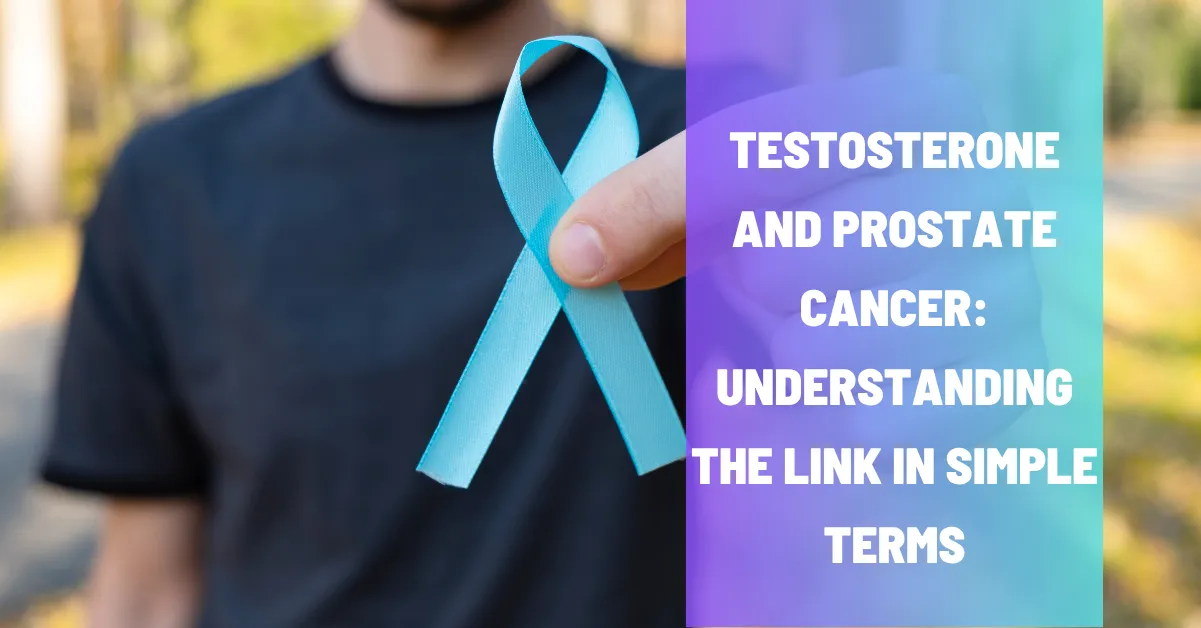
Testosterone and prostate cancer – for years, men have been told that higher testosterone fuels the disease. But new research tells a different story. This guide separates myth from fact and gives senior men (and their families) a clear, science-backed path to prostate health. You’ll learn what testosterone therapy actually does, foods that lower PSA levels naturally, and what questions to ask your doctor. Always consult a professional before changing any treatment.
Table of Contents
ToggleSeparating Facts from Myths About Testosterone & Prostate Health
Understanding the complex connection between male hormones, prostate cancer, and daily nutrition requires separating long-held myths from modern scientific consensus.
⚡ What Is Testosterone?
Testosterone is an essential hormone produced in higher amounts in men. It supports muscle mass, bone density, energy, mood, and sexual health.
As men age, levels naturally decline—leading some to consider Testosterone Replacement Therapy (TRT) to restore energy, though questions persist regarding its safety and prostate impact.
🩺 What Is Prostate Cancer?
Located just below the bladder, the prostate gland produces seminal fluid.
Prostate cancer occurs when cells within this gland multiply uncontrollably. It remains one of the most common cancers among aging men, highlighting the importance of regular screening and protective dietary choices.
🏛️ Where Did the Concern Start?
The belief that testosterone accelerates prostate cancer originated in the 1940s when researchers observed that lowering testosterone helped slow advanced cancer growth.
However, those early studies evaluated men who already had advanced cancer—not healthy men. This created a long-standing misconception that higher hormone levels automatically trigger disease.
What We Know Now
Recent clinical research paints a far more nuanced picture than earlier assumptions suggested:
📉 Low Testosterone Protection Myth
Having low testosterone levels does not automatically protect you from developing prostate cancer.
📊 High Levels & Risk
Men with normal or higher natural testosterone levels are not inherently at a higher risk for cancer.
⚓ The Saturation Point
The prostate appears to have a saturation limit—once tissue receptors are filled, additional hormone levels do not increase cellular growth response.
Modern Perspective: Recent studies show no direct link between supervised testosterone therapy and increased prostate cancer rates in healthy men. In fact, some evidence suggests low testosterone may correlate with more aggressive disease in certain individuals.
Because the relationship between hormones and prostate health is nuanced, relying solely on medical therapy is incomplete without lifestyle management. Integrating specific foods that lower PSA levels naturally—such as cooked tomatoes rich in lycopene, green tea, cruciferous vegetables, and pomegranate—helps reduce systemic inflammation.
Combining evidence-based hormone management with a diet featuring foods that lower PSA levels naturally offers the most effective, comprehensive approach to long-term prostate well-being.

How to Lower Prostate Cancer Risk Naturally
While testosterone might not be the main villain, key lifestyle habits play a crucial role in overall prostate health:
🥦 1. Healthy Diet
Focus on nutrient-dense foods including fresh fruits, vegetables, whole grains, and healthy fats.
🏃♂️ 2. Exercise Regularly
Staying physically active helps manage weight, optimize hormone levels, and reduce systemic inflammation.
⚖️ 3. Maintain a Healthy Weight
Obesity is strongly linked to more aggressive forms of prostate cancer; maintaining a healthy BMI offers key protection.
🚭 4. Quit Smoking
Smoking harms cardiovascular function and significantly increases overall cancer risks, including prostate issues.
🍷 5. Limit Alcohol
Excessive drinking impacts hormone regulation and isn’t beneficial for overall or prostate health.
🩺 6. Routine Screenings
Essential for early detection, especially for men over 50 or those with a family history of prostate cancer.
Health Takeaway: Consistently integrating these daily habits supports long-term prostate health and promotes overall lifelong well-being.
🍽️ Sample Day: Prostate-Healthy Eating
- Breakfast: Green tea + oatmeal with berries and walnuts.
- Lunch: Spinach salad with grilled salmon, cherry tomatoes, and avocado.
- Snack: Greek yogurt with a sprinkle of turmeric and black pepper.
- Dinner: Baked chicken with roasted broccoli and quinoa.
- Evening: Pomegranate juice (small glass).
📥 Download the full 7-day plan (Click here to download).
🥗 The Foods That Can Help Stop Prostate Cancer – Prostate Cancer Prevention Diet for Men Over 60
Curcumin (Turmeric)
Curcumin is a bioactive compound found in turmeric, a spice commonly used in cooking and traditional medicine. Research has shown that curcumin possesses anti-inflammatory, antioxidant, and anticancer properties, making it a subject of interest in prostate cancer research.
Green Tea
Green tea is packed with antioxidants known as catechins. Studies suggest that compounds in green tea may help stop the growth of prostate cancer cells by inhibiting their proliferation and inducing cell death. Green tea may also help reduce inflammation.
Tomatoes (Lycopene)
Tomatoes are rich in lycopene, a powerful antioxidant that may inhibit cancer cell growth and reduce inflammation. Cooking tomatoes (e.g., in sauces) increases lycopene availability, making it easier for the body to absorb.
Fish Oils (Omega-3)
Omega-3 fatty acids may help reduce inflammation and influence cell growth and apoptosis (programmed cell death). While some research suggests diets high in omega-3s might lower prostate cancer risk, other studies have shown mixed results.
Pomegranate
Contains ellagitannins and has been used in Ayurvedic medicine for centuries. A long-term study showed that consuming pomegranate juice could slow prostate cancer progression even when conventional medicine had failed. Another study showed pomegranate can block prostate metastases.
Broccoli (Sulforaphane)
Contains sulforaphanes, known to kill prostate cancer cells. To get broccoli to yield its high sulforaphane content, add an enzyme called myrosinase – found in mustard, horseradish, wasabi, chili, Brussels sprouts, cabbage, and sprouting seeds.
Ginger
Research from Georgia State University showed that ginger could kill prostate cancer cells in vitro, and eight weeks of eating ginger in mice halved tumor size. Ginger is also known for its anti-inflammatory and blood sugar-lowering benefits.
Black Cumin Seed Oil (Nigella Sativa)
Researchers at Tulane Medical School found that black seed oil kills prostate cancer cells. Several studies have shown it can be successful in treating hormone-sensitive and hormone-refractory prostate cancer.
🌿 Natural Anti-Inflammatory Foods for Prostate
Prostate-specific antigen (PSA) levels can be influenced by diet and lifestyle choices. Here are foods and dietary practices that may help lower PSA levels naturally.
Fruits & Vegetables
Eating a variety of fruits and vegetables is crucial. These foods are rich in antioxidants, which help protect the body from oxidative stress and inflammation. Tomatoes (high lycopene) are especially notable – men who consume tomato sauce regularly may significantly lower their prostate cancer risk.
Soy Products
Soy products, such as soy milk and tofu, contain compounds called isoflavones which may help slow the progression of prostate cancer and potentially lower PSA levels.
Healthy Fats (Omega-3s)
Incorporate healthy fats – particularly omega-3 fatty acids found in fish (salmon, mackerel), avocados, and nuts. These fats help reduce inflammation and support overall prostate health.
Cruciferous Vegetables
Cruciferous vegetables like broccoli, cauliflower, Brussels sprouts, and cabbage are beneficial due to their high levels of glucosinolates, which may help prevent cancer cell growth and lower inflammation.
Whole Grains & Legumes
Whole grains (oats, quinoa, brown rice) and legumes (beans, lentils, chickpeas) are excellent sources of fiber and nutrients that help maintain a healthy weight and reduce prostate issues.
📌 Remember: Diet is one part of prostate health. Regular screenings, exercise, and discussions with your doctor are equally important.
Final Thoughts: Testosterone & Prostate Health
The connection between testosterone and prostate cancer is far more nuanced than early medical assumptions suggested. For most older adults, properly monitored testosterone therapy does not carry the severe risks once believed. At the same time, incorporating foods that lower PSA levels naturally—such as cooked tomatoes, broccoli, green tea, and pomegranate—offers a safe, effective, and side-effect-free way to support prostate vitality.
🚀 3 Simple Action Steps for This Week
Download the Guide: Get your copy of our free Prostate Health Checklist above.
Consult Your Physician: Schedule a conversation with your healthcare provider to discuss your personal health history and risk factors.
Upgrade Your Diet: Add one prostate-supportive food to your daily menu —starting with green tea or cooked tomatoes rich in lycopene.
Medical Note: The information provided in this article and associated tools is for educational purposes only and does not constitute medical advice, diagnosis, or treatment. Always consult a qualified physician regarding any personal health concerns or dietary changes.
📋 Free Prostate Health Checklist
Keep your proactive health habits structured with this free actionable guide. Designed to track key nutrition habits, physical activity, and screening milestones.
📥 Get Your Free Printable Checklist (PDF)
This checklist is 100% free to download immediately. No registration is required.

📢 share this article
✨ tap to share — help others crack the comment code


From new drugs to innovative surgical techniques, prostate cancer treatment is evolving rapidly
Thanks for sharing.
Thank you very much for sharing, I learned a lot from your article. Very cool. Thanks.
Can you provide more information about how to naturally lower PSA levels. Thanks.
Your article helped me a lot. Thanks!