
Have you ever snapped at a loved one over something small, only to wonder, “Who am I right now?” Or felt tears well up for no clear reason, followed by hours of irritability that leaves you exhausted? At 54, Margaret started noticing these shifts. Her husband gently called it “that time of life.” Her friends nodded knowingly and said, “Welcome to menopause.” But Margaret felt something deeper — a rollercoaster that didn’t match any description of hot flashes or night sweats.
Table of Contents
ToggleWhat Margaret didn’t know was that she was experiencing thyroid mood swings after 50 — a common but often overlooked pattern where an underactive or overactive thyroid directly affects emotional regulation. And she’s far from alone. For countless women and men navigating their 50s and 60s, these sudden waves of anxiety, low mood, or unexplained anger are dismissed as “just aging” or “stress.” But the truth is more hopeful: thyroid mood swings after 50 are real, and they are often treatable.
— Carol, 61, diagnosed with Hashimoto’s thyroiditis
If you’ve been told to “calm down,” “relax,” or “accept the changes of aging” — please pause. Your feelings are valid, and your body may be sending you a signal. The thyroid gland, a small butterfly-shaped organ in your neck, produces hormones that regulate everything from heart rate to body temperature to brain chemistry. When thyroid hormone levels are too low (hypothyroidism) or too high (hyperthyroidism), the emotional centers of your brain can become destabilized.
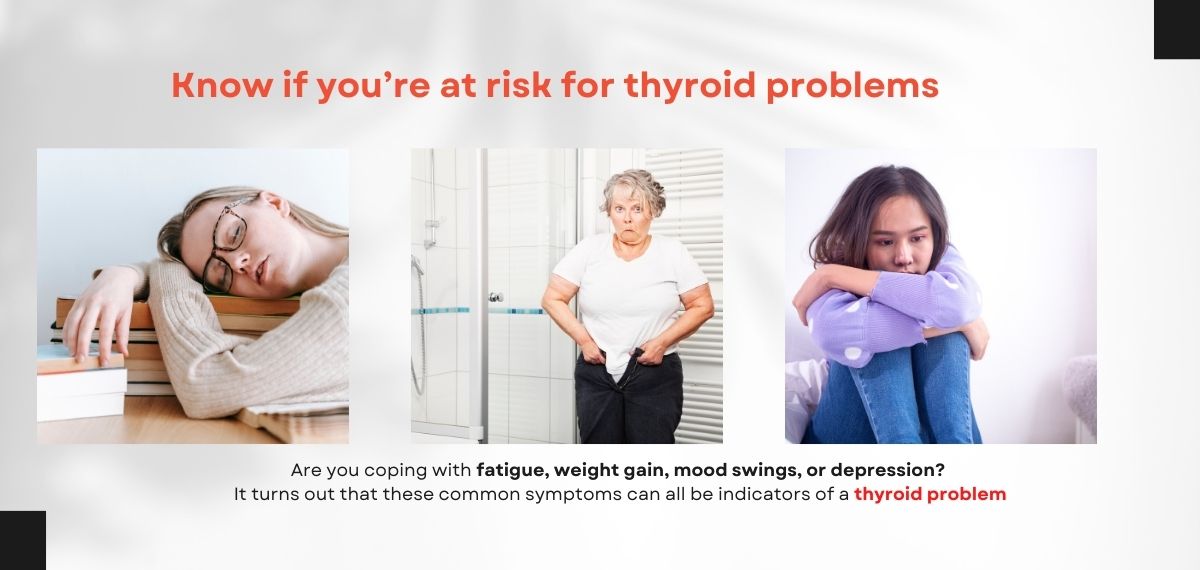
For women over 50, there’s an extra layer of confusion: the symptoms of menopause (hot flashes, night sweats, sleep disruption) overlap with both hypothyroidism and hyperthyroidism. But thyroid mood swings after 50 often have a distinct pattern — they may appear without physical menopause symptoms, or they may come with other signs like unexplained weight gain, fatigue, feeling constantly cold (hypothyroidism) or racing heartbeat, heat intolerance, and nervous energy (hyperthyroidism).
The most important message? You don’t have to live like this. A simple blood test (TSH, Free T4, and sometimes antibodies) can help determine whether your thyroid is contributing to emotional challenges. And if it is, treatment — whether medication, lifestyle adjustments, or both — can bring remarkable relief. Many people report feeling like “themselves again” within weeks of addressing an underlying thyroid imbalance.
⚠️ Important Wellness Note: This article is for educational awareness only and is not medical advice. Thyroid disorders require professional diagnosis and treatment by a doctor. The signs discussed here may also be caused by other conditions common after 50. Never self-diagnose or treat based on online information. Always consult your healthcare provider.

Thyroid Mood Swings After 50
🧠 Emotional & Psychological Symptoms
How thyroid imbalances can affect mood, mind, and mental well-being
The thyroid doesn’t just control your metabolism — it has a powerful influence on your brain and emotions. When thyroid hormone levels are out of balance, many people notice changes in mood, thinking, and sleep long before physical symptoms appear. For those over 50, these emotional shifts can easily be mistaken for “normal aging,” menopause, or stress. Understanding the difference — and when to talk to your doctor — is an act of self-care.
Mood swings & irritability
Feeling fine one moment and frustrated the next? Thyroid hormone fluctuations can destabilize emotional regulation. Small frustrations may feel overwhelming, and you might snap at loved ones without understanding why.
Anxiety & nervousness
A constant feeling of being “on edge,” racing thoughts, heart palpitations, or unexplained worry — even when life feels stable. This isn’t just stress; it can be a direct result of excess thyroid hormone overstimulating the nervous system.
Depression & low mood
Persistent sadness, loss of interest in activities you once enjoyed, low motivation, or feeling “flat.” Unlike situational sadness, this mood shift lingers and may not respond to typical coping strategies.
Poor sleep & concentration
Trouble falling or staying asleep, waking unrefreshed, and finding it hard to focus on tasks like reading, conversations, or following instructions. Your mind feels “scattered.”
Brain fog & memory lapses
Forgetting names, losing your train of thought mid-sentence, struggling to find common words, or feeling like your thinking is “wading through mud.” This is more than normal forgetfulness.
💡 Why does the thyroid have such a strong impact on emotions and thinking?
Thyroid hormone receptors are found throughout the brain — in areas that regulate mood, memory, attention, and sleep. When thyroid levels are too high or too low, these brain regions don’t function properly. Additionally, thyroid dysfunction affects neurotransmitters like serotonin, dopamine, and norepinephrine, which directly influence anxiety, depression, and focus.
For adults over 50, these symptoms are often dismissed as “just part of aging” or menopause. But thyroid-related mood changes are treatable. If you recognize several of these signs, a simple blood test (TSH, Free T4, and sometimes Free T3) can provide answers.
🩺 When to bring this up with your doctor:
- You’ve noticed new or worsening mood swings, anxiety, or depression — especially if they don’t match your life circumstances.
- You feel “mentally slower” or struggle with memory more than you used to.
- Sleep problems are affecting your daily energy and focus.
- You have other signs of thyroid imbalance (weight changes, temperature sensitivity, fatigue, or heart palpitations).
A thyroid evaluation won’t explain every emotional challenge, but it’s an important piece of the puzzle — especially for women and men over 50.
📋 Summary: Thyroid Mood Swings After 50 – What You Need to Know
Emotional ups and downs aren't "just aging." Learn why thyroid health matters for your mood.
If you've noticed sudden irritability, unexplained sadness, or anxiety that feels different from everyday stress — you're not alone, and you're not "just getting moody." For countless women and men navigating their 50s and 60s, thyroid mood swings after 50 are a real, common, and often treatable experience. This summary highlights the key takeaways from our full guide.
🔑 Key Takeaways in a Nutshell
Mood swings & irritability
Common in both hyper- and hypothyroidism. Small frustrations feel overwhelming.
Anxiety & nervousness
Most common in hyperthyroidism (overactive thyroid). Feeling "wired but tired."
Depression & low mood
Most common in hypothyroidism (underactive thyroid). Persistent sadness, low motivation.
Brain fog & memory
Very common in hypothyroidism. Feeling like your thinking is "wading through mud."
What makes thyroid mood swings after 50 especially confusing is their overlap with menopause symptoms. Hot flashes, night sweats, and sleep disruption can happen alongside thyroid imbalances — or independently. That's why many women are told, "It's just menopause," when their thyroid may be the real culprit. Men and women over 50 also experience age-related metabolism slowdown (muscle loss, hormonal shifts), which can compound the emotional effects of an undiagnosed thyroid issue.
📊 Quick symptom comparison:
- Hypothyroidism (underactive): Depression, low energy, brain fog, feeling cold, weight gain, slow thinking.
- Hyperthyroidism (overactive): Anxiety, irritability, racing heart, heat intolerance, weight loss, trouble sleeping.
- Both can cause: Mood swings, fatigue, concentration problems, and sleep disruption.
📝 What You Can Do Next
- Track your symptoms – Keep a simple 2-week journal of mood, energy, sleep, and any physical changes. This helps your doctor see patterns.
- Talk to your doctor – Ask for a simple blood test: TSH, Free T4, and thyroid antibodies. It's a standard test covered by most insurance.
- Don't dismiss yourself – If you're told "it's just stress" or "it's normal aging," gently advocate for yourself. You deserve answers.
- Support your overall wellness – While you wait for testing, prioritize sleep, gentle movement (walking, stretching), protein-rich meals, and stress management.
📢 share this article
✨ tap to share — help others crack the comment code


Understanding the connection between thyroid function and hypertension is crucial for managing both conditions. Regular check-ups, lifestyle changes, and appropriate treatment can help maintain optimal thyroid health and blood pressure levels.
including foods like leafy greens, fish, nuts, and seeds in your diet, you can ensure you’re getting the necessary nutrients to support your thyroid
I was diagnosed with thyroid issues last year, and it took a while to recognize the signs.
Your point of view caught my eye and was very interesting. Thanks.
There’s increasing evidence to suggest that low levels of vitamin D (deficiency of Vitamin D ) may play a role in thyroid disorders.
It’s so important to be aware of how thyroid changes can affect women around 50. Many symptoms can be mistaken for menopause, so getting regular thyroid checks is crucial.