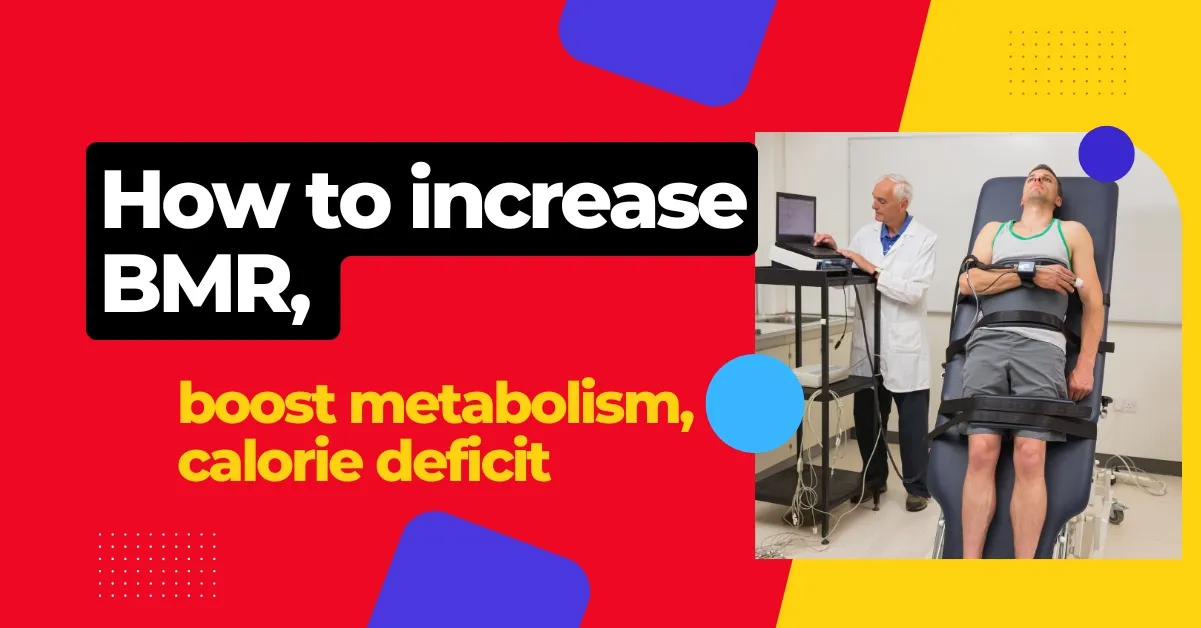

Ever wondered why two people with the same weight can eat completely differently and get different results? The answer lies in your BMR—the engine idling speed of your body. (Free Tool BMR Calculator)
Your Basal Metabolic Rate (BMR) is the number of calories your body burns just to stay alive: breathing, heartbeat, brain function. It accounts for 60-75% of your total daily calorie burn. Knowing your exact BMR is the difference between guessing and knowing when it comes to your health goals.
Use our free, science-backed calculator below to find your number in seconds.
BMR Calculator - Free - BMR Calculator Online
📌 This is what your body burns at complete rest. Your actual needs are higher based on activity.
What Is BMR? Understanding Your Basal Metabolic Rate
Basal Metabolic Rate (BMR) is the single most important number you need to understand your body’s energy needs. It represents the exact calories your body requires to perform its most basic life-sustaining functions while at complete rest—including breathing, circulation, cell production, nutrient processing, protein synthesis, and ion transport.
Think of your BMR as your body’s “engine idling speed.” Even if you did absolutely nothing all day, this is the energy your heart, lungs, brain, and organs demand to keep you alive. For most people, BMR accounts for 60–75% of total daily calorie burn, which is why guessing this number is the #1 mistake in nutrition planning.
This is exactly why a science-backed BMR calculator is non-negotiable for anyone serious about their health. Instead of relying on generic 2,000-calorie recommendations, our free BMR calculator below uses the Mifflin-St Jeor equation—the gold standard endorsed by the American Dietetic Association—to give you a number that’s actually yours.
Why Your BMR Matters More Than You Think
- It prevents under-eating: Many “stalled weight loss” cases are simply people eating below their BMR, triggering metabolic slowdown.
- It personalizes your goals: Weight loss, maintenance, and muscle gain all require different targets—and they all start with your unique BMR.
- It reveals hidden metabolism changes: Age, muscle gain, and hormonal shifts all affect BMR. Recalculating every 3–6 months with our BMR calculator keeps your plan up to date.
⚡ Quick fact: The Mifflin-St Jeor equation used in our BMR calculator is 85–90% accurate for most adults—significantly better than older formulas or “one-size-fits-all” charts.
Your BMR is your metabolic fingerprint.
No two people are the same. Stop guessing with generic 2,000-calorie plans. Get your exact number in 15 seconds—100% free.
⏱️ Takes 15 seconds • No email required • Updated for 2026
3 Surprising Facts That Affect Your BMR
Next Steps: Tools to Plan Your Nutrition & Fitness
📌 Build Your Complete Wellness Toolkit
Now that you know your BMR, these free tools help you apply it:
- Total Daily Energy Expenditure (TDEE) Calculator: This tool calculates the total number of calories a person needs to consume in a day, taking into account their BMR and level of physical activity. This would be a natural next step for users after calculating their BMR, as it would give them a more accurate picture of their daily caloric needs.
- Macronutrient Calculator: This tool would provide users with a breakdown of how many grams of protein, carbohydrates, and fats they should consume each day based on their caloric needs. This would be useful for users who are interested in more detailed diet planning.
- Body Mass Index (BMI) Calculator: This tool calculates a person’s BMI, a measure of body fat based on height and weight. Although it has its limitations, BMI can be a useful initial indicator of whether a person is underweight, at a healthy weight, overweight, or obese.
- Fitness Tracker: This tool would allow users to log their workouts and track the number of calories they burn through exercise. This would be useful for users trying to lose or maintain a healthy weight, as it helps them ensure they burn more calories than they consume.
- Meal Planner: This tool would help users plan meals that meet their caloric and macronutrient needs. It could suggest recipes based on the user’s dietary preferences and nutritional needs.
- Hydration Tracker: Staying hydrated is an important part of overall health. This tool would remind users to drink enough water throughout the day.
Frequently Asked Questions About Basal Metabolic Rate (BMR)
What's the exact difference between BMR and RMR?
BMR (Basal Metabolic Rate) is measured under strict laboratory conditions: complete rest, 12-hour fast, 8 hours of sleep, no prior exercise, and a dark, temperature-controlled room. RMR (Resting Metabolic Rate) is measured under less strict conditions and is typically 10-20% higher than BMR.
For practical weight management, most calculators (including ours) use the Mifflin-St Jeor equation, which estimates RMR. The difference is negligible for daily calorie planning.
Should I eat below my BMR to lose weight?
No—this is a critical nutrition myth. Eating below your BMR consistently puts your body into "starvation mode," signaling it to conserve fat and break down muscle for energy. This lowers your metabolism long-term and makes weight loss harder.
✅ Correct approach: Create a deficit from your TDEE (Total Daily Energy Expenditure), not your BMR. A 300-500 calorie daily deficit from TDEE is sustainable for most people.
Can I increase my BMR naturally? How fast?
Yes, and it's more achievable than most believe. The two most effective levers are:
- 🏋️ Strength training: Adding 1kg of muscle increases BMR by 50-100 calories/day. New lifters can gain 1-2kg muscle in 8-12 weeks.
- 🍗 Protein intake: High-protein diets have a higher thermic effect (20-30% of calories burned during digestion).
- 😴 Sleep: Poor sleep reduces BMR by 5-20% and increases hunger hormones.
A realistic goal: Increase BMR by 100-200 calories/day within 3-6 months through consistent resistance training and adequate protein.
Why is my BMR different from calculator results? (Thyroid, medications)
BMR equations (Mifflin-St Jeor, Harris-Benedict) are population averages with ~85% accuracy for individuals. Common reasons for variance include:
- Hypothyroidism: Can lower BMR by 15-40%.
- Medications: Stimulants (increase BMR), beta-blockers (decrease BMR).
- Body composition: Two people at 70kg can have very different BMRs if one has 15% body fat and the other 30%.
📌 Action: Use our calculator as a starting point. Track your weight for 2 weeks eating the TDEE estimate—adjust based on real-world results.
Does intermittent fasting lower my BMR?
Short answer: No, if total calorie intake is adequate. Research shows that intermittent fasting (16:8, 5:2) does not cause metabolic damage when calorie intake matches energy needs. However, extreme prolonged fasting (>48 hours) can temporarily lower BMR by 5-10% as an adaptive mechanism.
Key takeaway: How often you eat matters less than how much and what you eat for metabolic rate.
⚕️ Sources: National Institutes of Health, Journal of the Academy of Nutrition and Dietetics, ACE Fitness.
Your BMR is your metabolic fingerprint.
No two people are the same. Stop guessing with generic 2,000-calorie plans. Get your exact number in 15 seconds—100% free.
⏱️ Takes 15 seconds • No email required • Updated for 2026
BMI Index Calculator
Basal Metabolic Rate

Tdee Calculator