
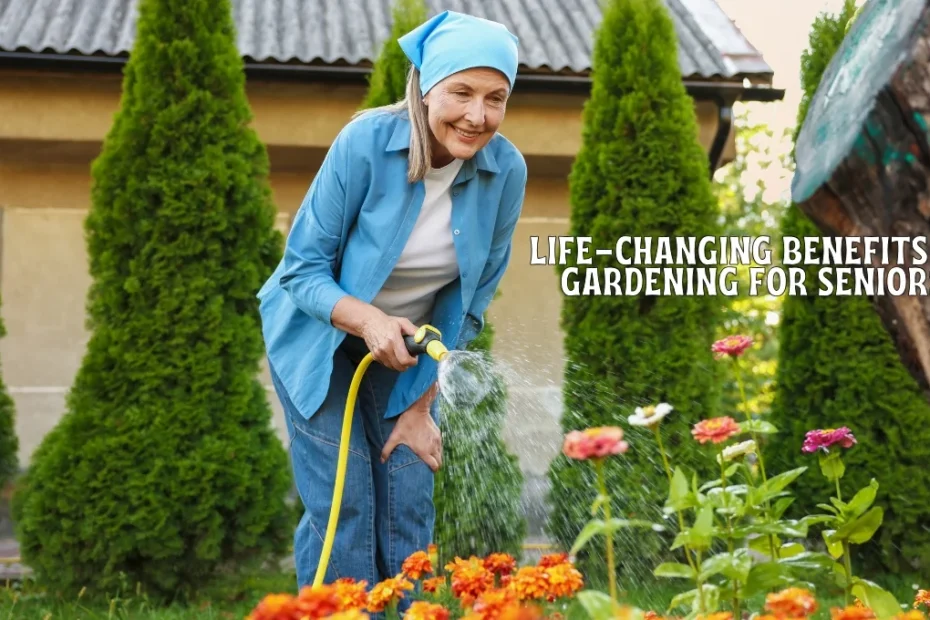
Welcome to a world where health meets the horizon. Many people don’t realize that gardening for seniors is one of the most effective ways to combine physical activity with mental restoration. Whether you have a sprawling backyard or a sunny windowsill, the benefits of gardening for seniors extend far beyond the beauty of a blooming flower; it is a holistic approach to longevity that strengthens the heart and calms the mind.
Table of Contents
ToggleMore Than a Hobby: Why Gardening is the Secret to Staying Active and Independent
If you are limited by space or mobility, don’t worry—the growth doesn’t have to stop at the doorstep. Exploring creative indoor gardening ideas for seniors, such as herb towers or succulent arrangements, ensures that everyone can participate in this “green therapy.” By embracing gardening for seniors, you are not just growing plants; you are cultivating a lifestyle of independence and vitality.
🌱 Start Gardening Today: 3 Simple Steps
| If you have… | Try this | Time needed |
|---|---|---|
| 🪴 A sunny windowsill | Plant basil or mint in a small pot | 10 minutes |
| 🌿 A small balcony or patio | Use a container for cherry tomatoes or lettuce | 20 minutes |
| 🏡 A backyard (or community garden) | Start with a small raised bed (2x4 feet) | 1 hour |
💡 No yard? No problem. Indoor herb gardens count!
🌿 Why Gardening is the Best Hobby for Seniors
Cultivating Health, Happiness, and Independence in the Golden Years.
Gardening is far more than a simple pastime; it is a holistic lifestyle intervention known as "Green Therapy." For those over 60, the garden becomes a sanctuary where physical activity meets meditative focus. Whether you are tending to a vast backyard vegetable patch, a vibrant balcony flower box, or a collection of indoor succulents, the act of nurturing life provides a unique synergy of benefits that support longevity. It is a hobby that grows with you, adapting to your physical needs while providing endless intellectual and emotional rewards.
🌱 Supports Physical Health
Gardening is a form of "functional exercise." The pulling, reaching, and squatting movements improve core strength and balance, which are critical for preventing falls. Unlike a gym workout, these movements are varied and natural, promoting joint lubrication and bone density without the high impact of traditional cardio.
🧠 Boosts Mental Well-Being
The soil contains Mycobacterium vaccae, a natural bacterium that triggers serotonin release in the brain. This "happy chemical" reduces cortisol levels, making gardening a powerful tool against late-life anxiety and depression. It provides a meditative escape from the digital world.
🌸 Creates a Sense of Purpose
Retirement can sometimes lead to a loss of routine. Caring for living organisms provides a reason to get up every morning. Seeing a seedling sprout or a flower bloom offers a profound sense of accomplishment and proof that your efforts have a tangible, beautiful impact on the world.
🍅 Encourages Healthy Eating
When you grow your own food, you control the nutrients. Fresh-picked vegetables have higher vitamin counts than store-bought ones. This encourages a Mediterranean-style diet rich in antioxidants, which is essential for maintaining heart health and cognitive function after 60.
👥 Supports Social Connection
Gardening breaks the cycle of isolation. Community gardens, seed swaps, and local clubs foster a sense of belonging. Sharing a surplus of tomatoes or a bouquet of home-grown roses with neighbors strengthens community ties and provides regular social engagement.
🧩 Keeps the Mind Active
Gardening is a continuous learning process. Tracking seasons, managing pest control, and planning crop rotations act as a mental puzzle. This cognitive stimulation is vital for maintaining neuroplasticity and may help delay the onset of memory-related decline.
🌞 Outdoor Sunlight & Vitamin D
Regular time outdoors ensures your body can synthesize Vitamin D, which is crucial for calcium absorption and bone health. Proper exposure to natural light cycles also regulates your circadian rhythm, the internal clock that dictates energy levels.
😴 Supports Restorative Sleep
The combination of physical exertion and psychological relaxation leads to deeper, more restorative sleep. Gardening helps "burn off" restless energy and lowers the mental chatter that can lead to insomnia, ensuring you wake up refreshed.
🛡️ Gardening Safely and Smartly
To ensure gardening remains a lifelong joy, it’s important to adapt your methods to protect your body:
- Raised Garden Beds: These bring the garden to you, reducing the need for bending and kneeling.
- Ergonomic Tools: Use lightweight tools with padded, non-slip grips to protect hand joints from strain.
- Vertical Gardening: Use trellises and wall planters to keep your harvest at eye level.
- The 20-Minute Rule: Change your posture or take a hydration break every 20 minutes to prevent muscle stiffness.
🚀 Your Path to a Green Thumb
- Choose "Success Plants": Start with resilient options like basil, mint, marigolds, or radishes. They provide quick rewards with minimal fuss.
- Audit Your Sunlight: Most vegetables need at least 6 hours of sun. Watch your space throughout the day before you plant.
- Invest in Soil Quality: Your plants are only as healthy as the earth they sit in. Use organic compost to give them the best foundation.
- Stay Hydrated: Use self-watering pots or a light hose. Remember, if your plants are thirsty, you probably are too!
- Practice Patience: Gardening is a journey of observation. Celebrate the small wins, like a new leaf or a bumblebee visitor.
💬 Join the Conversation!
Whether you’re a master gardener or just bought your first pot of rosemary, we want to hear from you. What is your favorite plant to grow, and why? Share your tips below to inspire your fellow gardeners in our community!
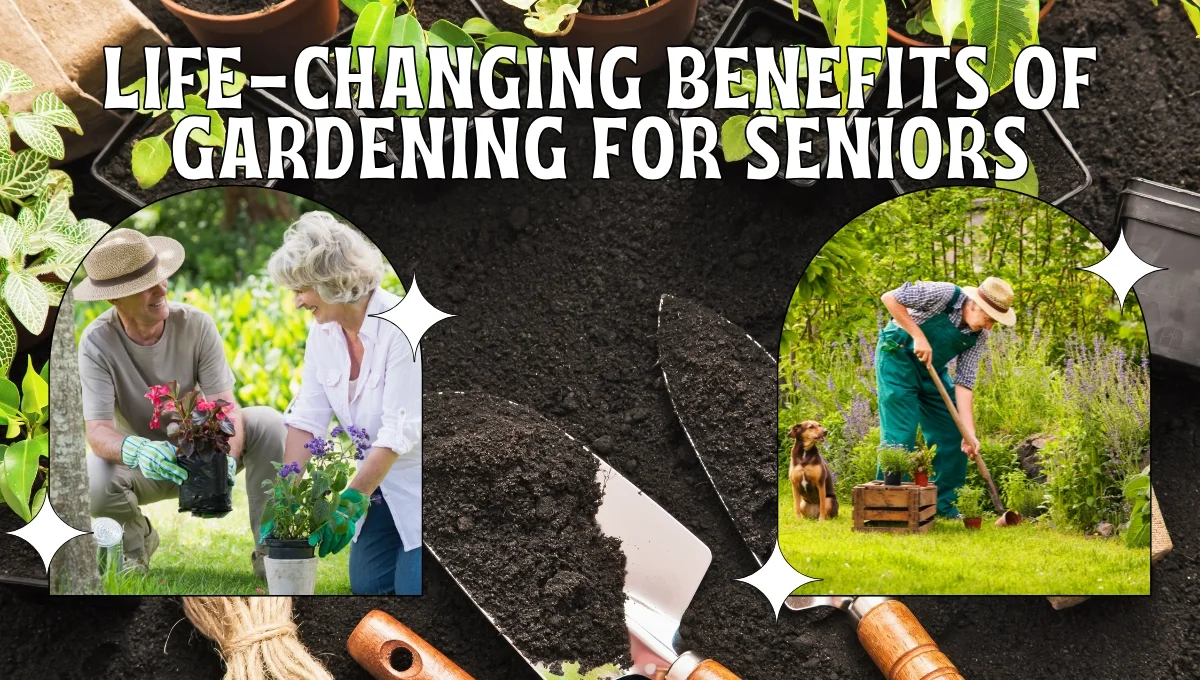
Gardening: The Secret to a Happier, Healthier Senior Life! – Q&A Guide 🌱🌿
- Flowers: Marigolds, lavender, petunias, and daisies.
- Herbs: Basil, rosemary, mint, and thyme (great for cooking).
- Succulents: Aloe vera and jade plants (low water needs).
- Shrubs: Hydrangeas and azaleas.
- Physical: Improves flexibility, encourages cardiovascular activity, and reduces arthritis stiffness.
- Mental: Reduces anxiety, provides a sense of purpose, and combats loneliness through social interaction.
- Ergonomic Tools: Lightweight with padded handles.
- Kneelers/Seats: To reduce knee and back strain.
- Long-Handled Tools: To prevent over-reaching.
- Grip Gloves: To protect hands and improve tool handling.
- Container Gardening: Use pots on a patio or balcony.
- Windowsill Herbs: Grow mint or basil indoors.
- Vertical Gardening: Use wall planters to maximize space.
- Mini Gardens: Try decorative fairy gardens in small containers.
- Leafy Greens: Lettuce, spinach, and kale.
- Root Veggies: Radishes, beets, and carrots.
- Easy Favorites: Tomatoes, cucumbers, and bell peppers.
- Promotes balance to reduce fall risks.
- Enhances grip strength and hand-eye coordination.
- Creates a consistent daily routine for the body.
- 🌱 Windowsill herbs – basil, mint, rosemary (need 4-6 hours of sun)
- 🏺 Self-watering planters – reduce daily maintenance
- 🧱 Vertical wall planters – save space, no bending
- 💡 Grow lights – for rooms without natural sunlight
- 🍃 Succulents & aloe vera – thrive on neglect
- 🌿 Snake plant – survives low light and irregular watering
- 🍃 Pothos – trails beautifully, thrives on neglect
- 🌵 Succulents & cacti – water once a week (or less)
- 🌱 Spider plant – very hard to kill, produces baby plants
- 🌸 Peace lily – droops when thirsty (easy reminder!)
- 🌿 Aloe vera – useful for minor burns, very low maintenance
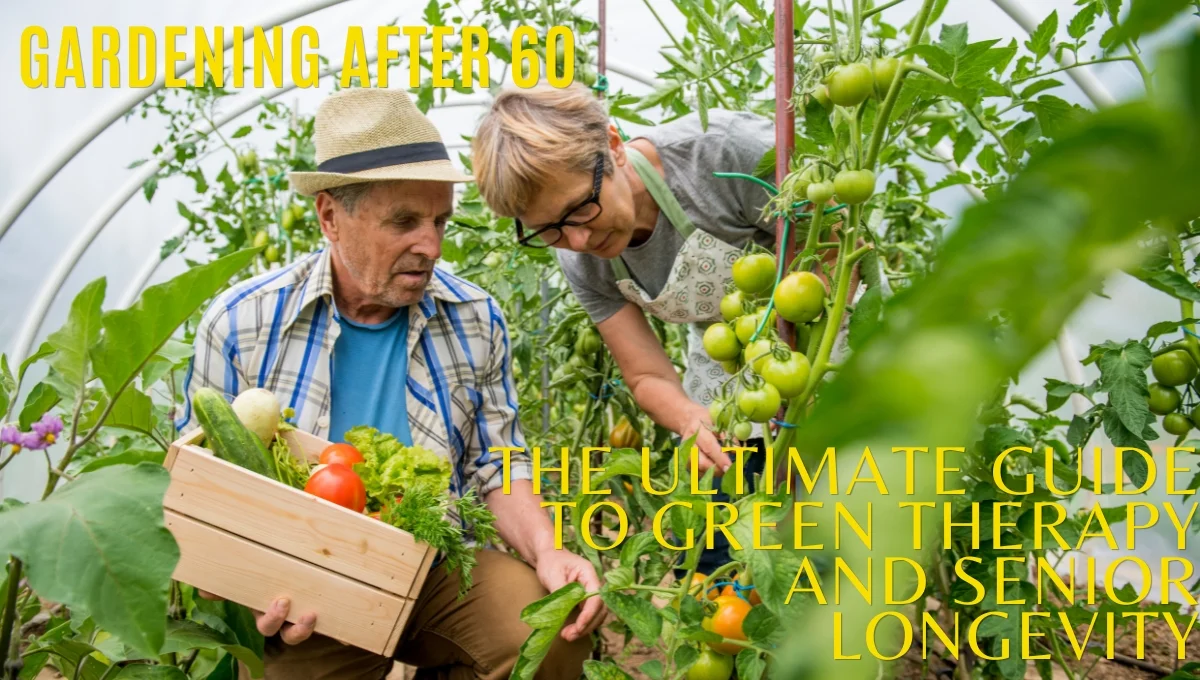
Cultivating a Lifelong Passion
As we have explored, the benefits of gardening for seniors touch every aspect of life, from improving grip strength and balance to providing a vital sense of daily purpose. It is a unique hobby that adapts to your needs, offering a perfect blend of gentle exercise and cognitive stimulation. Even if outdoor space is a challenge, implementing simple indoor gardening ideas for seniors—like windowsill microgreens or self-watering planters—allows you to enjoy the restorative power of nature year-round.
Ultimately, gardening for seniors is about more than just the harvest; it is about the joy of the process and the community connections it fosters. By staying active in the dirt and keeping your hands engaged, you are making a profound investment in your future health. So, grab your trowel and start small, because when it comes to gardening for seniors, every seed planted is a step toward a happier, healthier you.
📢 share this article
✨ tap to share — help others crack the comment code


