
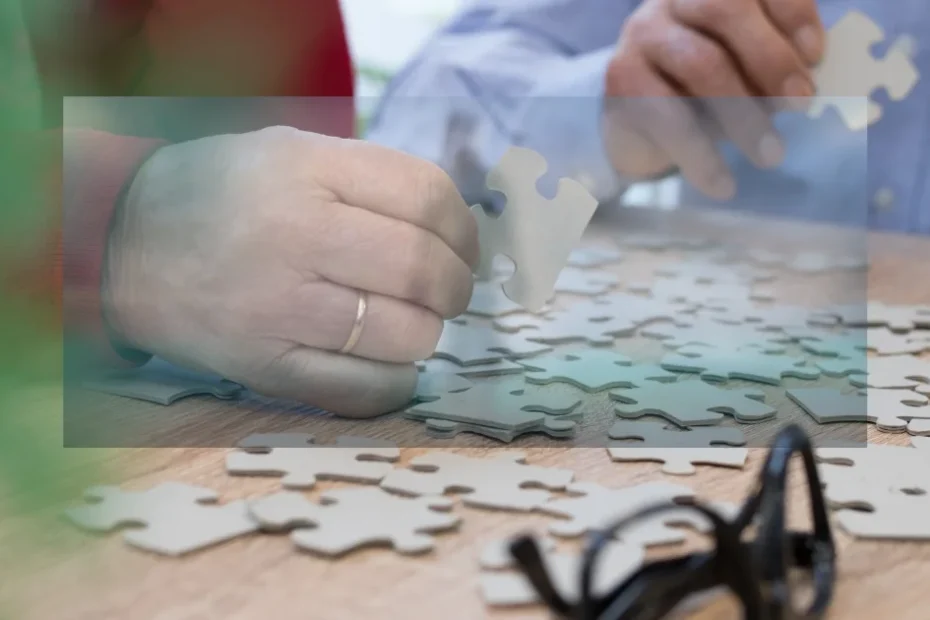
Forgetting where you left your keys or struggling to recall a familiar name can happen to anyone, and many adults over 50 start to wonder what they can do to keep their minds sharp. The good news is that small, enjoyable habits may make a difference. Research has linked regular mental stimulation with better brain health as we age, and simple brain exercises for seniors to improve memory can fit easily into your daily routine, with no special equipment needed.
Table of Contents
ToggleIn this guide, you’ll find easy, fun memory games for seniors, from word puzzles to card matching, along with other activities to prevent memory loss that you can enjoy at home, alone or with family and friends. Whether you’re looking to stay mentally active yourself or to support a loved one, these ideas are a friendly place to start.
This article is for general wellness information and is not medical advice. If you have concerns about your memory, please talk to your doctor.
💡 Understanding Cognitive Decline & Embracing Brain Health
Taking charge of your brain health is an empowering journey! Understanding cognitive decline helps us nurture our minds as we grow. It simply describes measurable shifts in mental function, such as memory loss, focus, or reasoning. While occasional old-age memory loss is a natural part of growing wiser, staying mindful of persistent changes helps keep your mind sharp and resilient.
Understanding the difference between everyday healthy aging and early symptoms of Alzheimer's or other types of cognitive disease gives you and your family the tools to take positive, proactive action early. Spotting small cognitive issues early means you can seek timely guidance with confidence.
With simple lifestyle adjustments, positive habits, and engaging physical routines—like trying targeted balance exercises for seniors—you can significantly manage cognitive decline and support a vibrant, healthy aging brain. Stay inspired, stay active, and keep glowing! 🌟🧠
Always consult a qualified healthcare professional before starting any new exercise program, changing your diet, or making changes to your medication or treatment plan. If you experience sudden dizziness, chest pain, shortness of breath, or severe symptoms, seek immediate medical attention.
Explore the Power of Memory Games
Scientifically-Backed Brain Health Benefits
Memory games offer more than entertainment—they act as a structured workout for your neural pathways.
Enhanced Retention & Recall
- Boost Retention: Train the brain to store data efficiently.
- Speed Up Recall: Remember names and tasks with ease.
- Supports both short-term and long-term memory.
Improved Cognitive Skills
- Concentration: Reduce distractions through focused effort.
- Strategic Thinking: Master pattern recognition and logic.
- Agility: Adapt to new rules and changing difficulty levels.
Long-Term Resilience
- Your brain can grow new connections at any age: Encourage the brain to rewire itself.
- Mental savings account: Build a buffer against decline.
- Mood Boost: Reduce stress through fun, successful learning.
Why Seniors Should Play
Regular mental clarity, improved multitasking, and a commitment to lifelong learning are just a few games away. Start your brain-health journey today.
Boost Your Brainpower: Top Training Games
How to Play
Gather a group. Each person says their name and one fact. The next person must repeat all previous names and facts before adding their own.
Cognitive Targets
- Short-term memory recall
- Active listening skills
- Social focus & attention
How to Play
Lay a shuffled set of matching cards face down. Flip two at a time to find pairs. The player with the most matches wins.
Cognitive Targets
- Pattern recognition
- Visual memory concentration
- Attention to detail
How to Play
Start with a word like "Apple." The next person says a related word like "Fruit." Keep the chain going as long as possible!
Cognitive Targets
- Associative thinking
- Creative recall speed
- Vocabulary maintenance


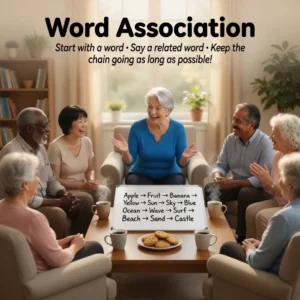
9 Memory Games for Unbelievable Brain Health
Cognitive engagement doesn't have to be a chore. These activities are designed to improve memory and problem-solving while staying pleasant and engaging.
Sudoku
Challenge your memory and logic. Regularly solving these puzzles helps seniors maintain cognitive abilities across varying difficulty levels.
Crossword Puzzles
Stimulate your verbal memory. Recalling words and connecting clues is a full-brain workout found in newspapers and online.
Memory Card Games
Classic games like "Concentration" require you to remember the location of flipped cards—an excellent drill for active memory training.
Jigsaw Puzzles
Improve your visual-spatial recall by remembering shapes and positions. It’s a meditative way to sharpen attention to detail.
Brain Training Apps
Platforms like Lumosity and Peak provide personalized exercises targeting specific cognitive areas through your smartphone or tablet.
Word Searches
Maintain language skills and scanning speed. These puzzles are a fun, low-stress way to keep the brain active daily.
Board Games
Scrabble or Bananagrams offer a dual benefit: intense mental stimulation combined with the cognitive perks of social interaction.
Chess
The ultimate mental workout. Enhances long-term planning, critical thinking, and the ability to anticipate multiple scenarios.
Online Memory Games
Adaptive digital games offer shifting difficulty levels, ensuring your brain is constantly challenged regardless of your skill level.
Consistency is the secret to cognitive improvement. Incorporate these games into your routine today and pair them with a healthy lifestyle for the best results!
Unlock Cognitive Excellence
Working memory is your mental workspace—the crucial area where your brain juggles information to complete daily tasks, solve complex puzzles, and maintain vital fun activities for seniors and active adults alike.
Hold and manipulate various pieces of data—like card positions or sequences—simultaneously as you navigate through a game.
Adapt your strategy as the game progresses. Seamlessly switch between different observations to find the winning move.
Analyze, compare, and apply retained knowledge to solve puzzles and make high-stakes decisions with clarity.
Maintain deep focus and filter out external distractions, allowing your brain to hone in on the precise task at hand.
Track and reproduce intricate patterns and sequences in the exact order required, sharpening your precision.
Regular practice makes your memory "engine" more efficient. Engaging in targeted activities for seniors and elderly adults translates to enhanced cognitive skills in daily life.

🧠 Summary: Keeping Your Brain Vibrant
Keeping your brain active is one of the most enjoyable parts of healthy aging. Brain exercises for seniors to improve memory, such as crosswords, jigsaw puzzles, trivia, and matching games, can be done in just 15 to 20 minutes a day. They work best when practiced consistently and combined with a healthy lifestyle—where regular movement, quality sleep, social connection, and a balanced diet all play a supportive role alongside mental challenges.
Choose memory games for seniors that you actually enjoy, since fun is what keeps a habit going. Try a few of the activities to prevent memory loss from this list, start small, and build from there. Every bit of mental stimulation counts. If you notice sudden or worrying changes in memory, check in with your healthcare provider.
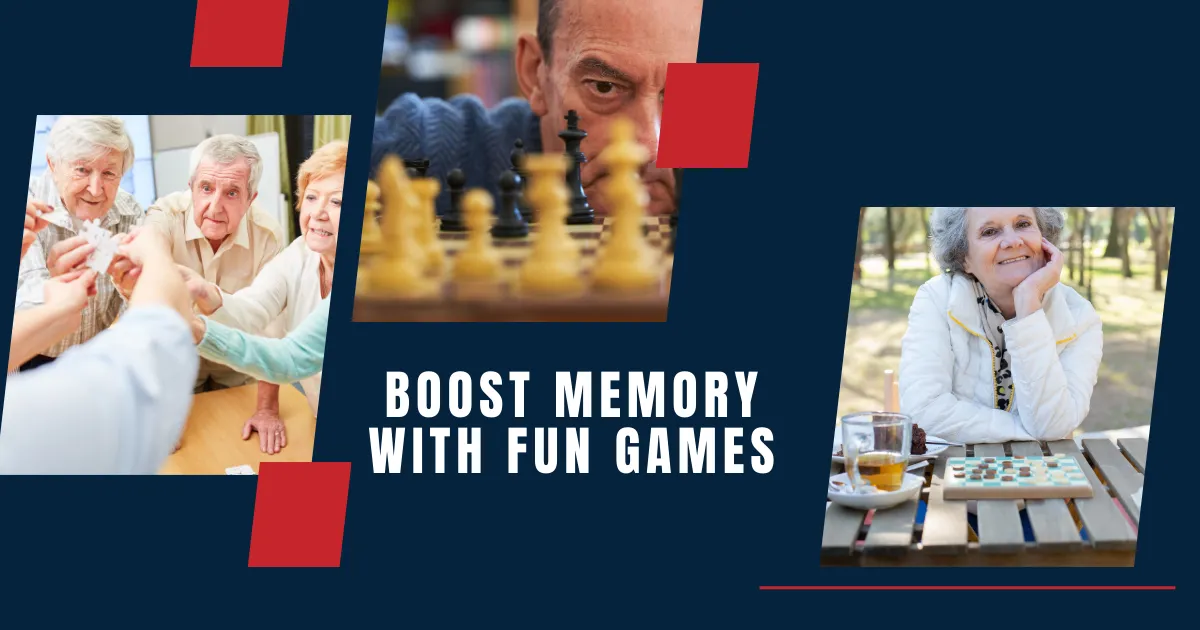
Which game will you try first?
Share this article with a friend – playing together doubles the brain benefits (and the fun).
Click HereJoin the Conversation
Connect with us for daily tips, healthy aging inspiration, and community support across your favorite platforms.


Thank you for sharing these insightful tips on memory games for brain health! It’s wonderful to see how engaging in these games not only provides entertainment but also offers numerous cognitive benefits. Incorporating these activities into our routines can indeed lead to improved memory, enhanced cognitive skills, and overall brain agility. Here’s to challenging our minds while having fun!