
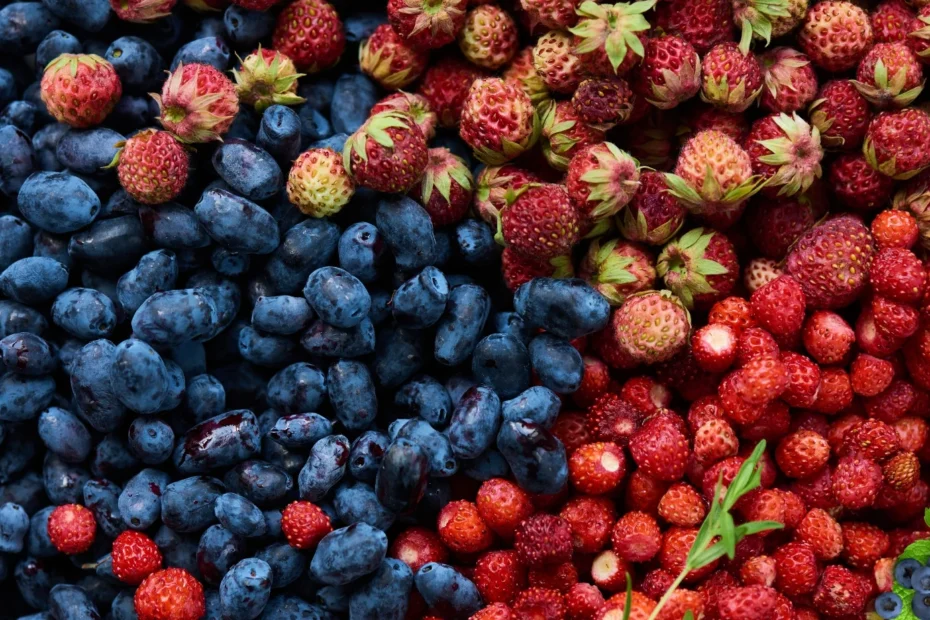
Wild berries: Incorporating certain berries into your diet can be a delicious and effective way to naturally manage your blood pressure. These berries have been scientifically proven to have blood pressure-lowering properties, offering a tasty way to support cardiovascular health.
Table of Contents
Toggle🌿 Wild Berries Benefits for Healthy Aging
Wild berries’ benefits go far beyond great taste—they are among the most powerful healthy aging foods you can add to your daily routine. For those looking for berries for seniors, these small fruits deliver essential nutrients that support overall wellness. Rich in antioxidants for older adults, wild berries help protect cells from oxidative stress, which is linked to aging and chronic conditions.
They are also considered excellent foods for brain health after 60, as their natural compounds may support memory, focus, and cognitive function. In addition, their fiber content supports digestion, while their low calorie density helps with weight management.
Including wild berries regularly can contribute to better heart health, improved immunity, and sustained energy levels. Whether fresh or frozen, they are a simple, natural way to nourish your body and support long-term health as you age.
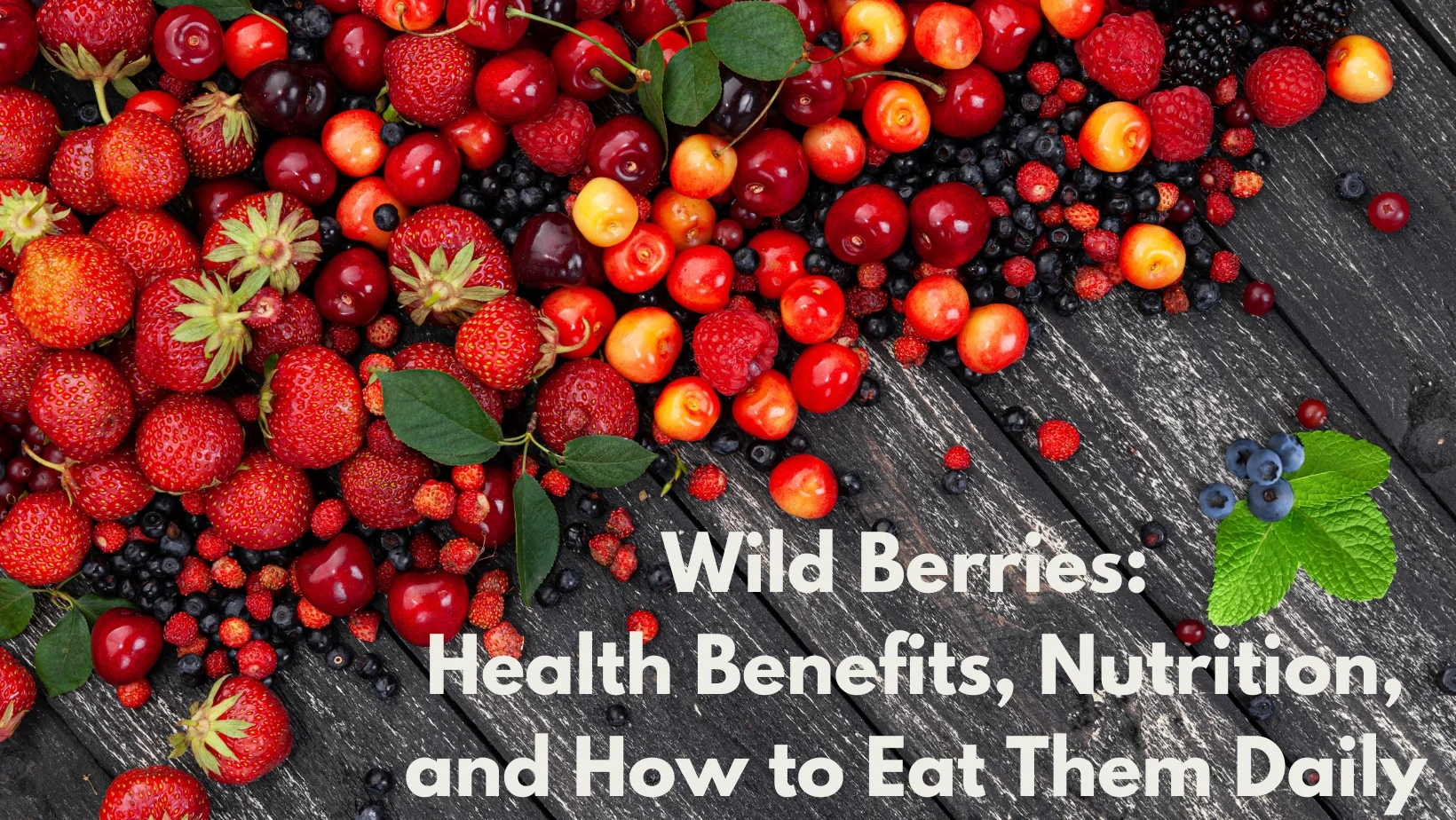
Berries & Health Benefits: Antioxidants, Vitamin C
A comparison of berries—including raspberries, blueberries, strawberries, goji berries, acai berries, and cranberries—covering digestive support, heart and brain health, anti-inflammatory effects, and key antioxidants like vitamin C and anthocyanins.
| Berry | Overview / Summary | Health Benefits | Health Benefits 2 | Antioxidants & Vitamin C |
|---|---|---|---|---|
| Raspberries | Often overlooked, raspberries are a nutritional powerhouse rich in fiber to aid digestion and help regulate blood sugar. They also provide antioxidants, including ellagic acid, linked to potential anti-cancer effects. Vitamin C supports immunity, collagen, and skin health. | Aids digestion—~8 g fiber per serving—and delivers diverse antioxidants and anti-inflammatory phytonutrients. | Research suggests support for type-2 diabetes and obesity management. Raspberry leaves have long been used for pregnancy-related nausea and vomiting. | Ellagic acid; vitamin C; potential anti-cancer properties; helps regulate blood sugar. |
| Blueberries | Known as the “brain berry,” blueberries are rich in anthocyanins that protect cells from damage and may improve memory and cognitive function. They also support heart health by reducing inflammation and helping manage cholesterol. | One cup provides fiber and plant compounds that support digestion and weight management. | May enhance memory and cognition; cellular protection; supports healthy inflammation response. | High in anthocyanins; vitamin C; noted for reducing inflammation. |
| Strawberries | Strawberries are packed with vitamin C for immune function and collagen synthesis, plus potassium for heart health and blood pressure regulation. Fiber supports digestive health and blood sugar control. | Rich in antioxidants, polyphenols, and anti-inflammatory flavonoids that may help curb cognitive decline. | Promotes digestive health; helps control blood sugar levels; heart-friendly potassium. | Excellent vitamin C source; diverse polyphenols for immune and skin support. |
| Goji Berries | Traditionally used in Chinese medicine; noted for anti-inflammatory and antioxidant activity. Studies associate intake with lower blood pressure and improved cardiovascular health. | May improve immune function and eye health; potential support for blood sugar regulation. | Cardiovascular support; general wellness and vitality. | Rich in antioxidants (incl. lycium polysaccharides), vitamins A & C, and minerals. |
| Acai Berries | Small purple berries from Brazil with very high antioxidant content. Research links acai with reduced blood pressure and better heart health. | High in anthocyanins, fiber, and healthy monounsaturated fats; may promote heart health. | Supports digestion and exhibits anti-inflammatory properties. | Potent anthocyanins; supportive fiber; modest vitamin C. |
| Cranberries | A good source of vitamin C and antioxidants; associated with reduced inflammation and improved blood vessel function. Cranberry juice may help lower blood pressure in some studies. | Supports urinary tract health; may help prevent certain infections. | Aids digestion and provides fiber for gut health. | Excellent source of PACs (proanthocyanidins), vitamin C, and fiber. |
English Hawthorn Berries Benefits: Heart Health, Antioxidants, Digestion & Calming Effects
| Benefit | SEO-Friendly Description |
|---|---|
| Heart Health Support | English hawthorn berries have been traditionally used to support cardiovascular health. They promote healthy blood circulation and help maintain optimal blood pressure and cholesterol levels. |
| Antioxidant Properties | Rich in antioxidants—especially flavonoids and proanthocyanidins—these berries help protect cells from oxidative stress and free-radical damage, supporting overall heart and immune health. |
| Digestive Aid | English hawthorn berries are used to support digestive health. Their mild digestive properties may help ease occasional discomfort and promote balanced digestion. |
| Calming Properties | Known for gentle calming effects, hawthorn berries are commonly used to support relaxation and stress reduction, helping the body maintain a sense of balance and well-being. |
How to Eat Blueberries for Maximum Benefits
When it comes to the health benefits of blueberries, how you eat them matters:
Twice Daily Servings
Research indicates that splitting your blueberry intake into two smaller servings is more effective than consuming a large amount all at once. For example, 100 grams of blueberries twice daily was found to be more effective for blood sugar control than eating 200 grams in a single sitting.Choose Organic Blueberries
Because blueberries have fragile skin, they are more vulnerable to pesticide residues compared to fruits like pineapple, which have thick protective layers. To minimize toxin exposure, it’s best to opt for organic blueberries whenever possible.Stick to Whole Berries, Not Juice
Eating the whole fruit is key. Blueberry juice may cause spikes in blood sugar and even blood pressure because it lacks fiber and delivers concentrated sugar. Whole blueberries, on the other hand, provide fiber, antioxidants, and slower sugar release—exactly what your body needs for stable energy and health.
Why Blueberries Deserve a Place in Your Diet
Incorporating blueberries into your daily routine can be a simple yet powerful way to protect your health. Alongside their role in reducing the risk of diabetes, blueberries are recognized for supporting brain function, reducing inflammation, and promoting heart health. Whether added to oatmeal, blended into a smoothie, or enjoyed fresh as a snack, they deliver significant results in a small package.
If you’re serious about long-term health, consider making blueberries a daily habit. They’re proof that small, consistent dietary choices can make a major difference.
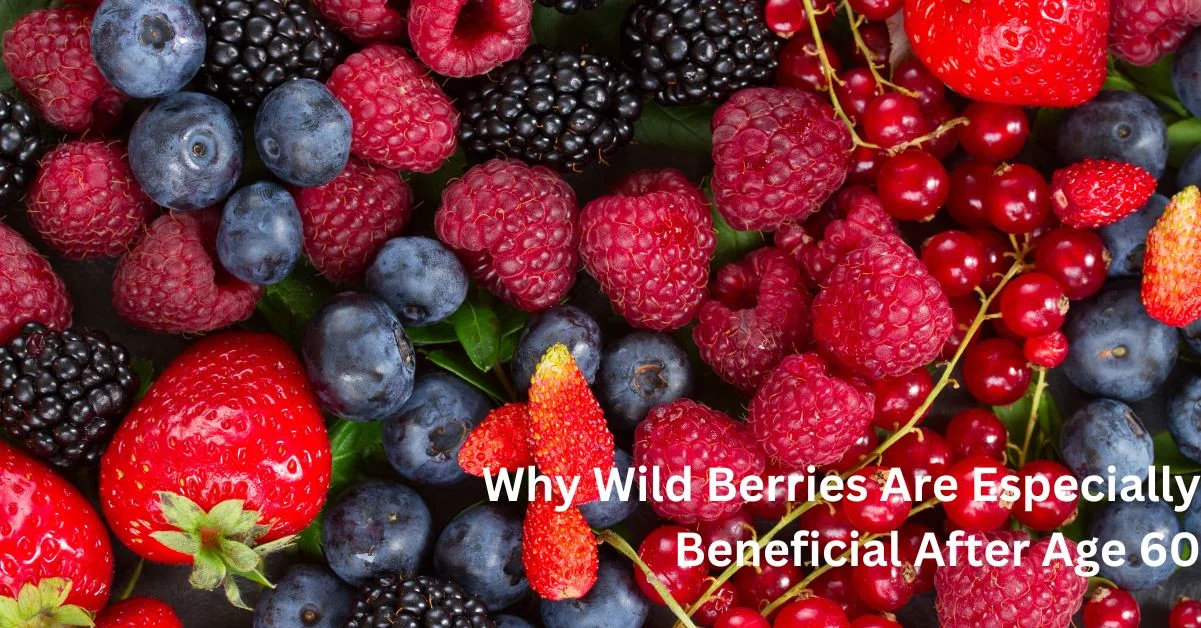
🌿 Wild Berries: The Longevity Superfood for Age 60+
Small fruits, massive benefits for metabolism, immunity, and heart health.
🧠 Brain Health
Rich in flavonoids that protect brain cells from oxidative stress. Regular consumption supports memory and mental sharpness, vital for maintaining independence.
❤️ Heart & Circulation
Low in sodium and high in plant compounds that support healthy blood pressure. A heart-friendly choice to reduce cardiovascular risk after 60.
🛡️ Immune Defense
Wild berries provide Vitamin C and antioxidants that bolster a maturing immune system and help reduce chronic inflammation.
🍽️ Gentle Digestion
Natural fiber supports gut regularity and promotes a balanced digestive system, which often slows down as we age.
⚖️ Weight Support
Satisfying yet low in calories, wild berries are the perfect snack for managing a slower metabolism without excess calorie intake.
🦴 Bone & Mobility
Essential Vitamin K and manganese support bone density and joint mobility, reducing the risk of age-related bone loss.
The Simple Path to Longevity
Adding wild berries to your diet is one of the easiest and most natural ways to support your health as you age. From heart health to brain function and weight management after 60, this small daily choice can lead to meaningful improvements over time.
✉️ Get in Touch
Questions about exercises, nutrition, or home safety? Send us a message.


I had no idea that berries could have such a positive impact on blood pressure! 🍓 It’s great to know that something so delicious can also be so good for our health.
When it comes to incorporating nutrient-dense foods into your diet, berries are a great choice! These colorful fruits are rich in antioxidants, which help protect your body against free radicals and oxidative stress. Berries are also high in fiber, aiding in digestion and promoting feelings of fullness. Plus, they’re a delicious way to satisfy your sweet tooth while maintaining a balanced lifestyle. However, it’s worth mentioning that some berries, like strawberries or raspberries, may be sprayed with pesticides, so opt for organic options whenever possible. Embrace the goodness of berries and enjoy their natural benefits!
Berries are not only delicious, but they are also packed with antioxidants and vitamins that are great for your health. From the sweet juiciness of strawberries to the tartness of blueberries, there’s a berry for every taste!
I absolutely love incorporating anti-inflammatory drinks into my daily routine, and berries are one of my favorites!
Thank you for your sharing.
I like many types of berries. For me they are: Nature’s Blood Pressure Remedy
Incorporating berries into your diet can be a great step toward weight loss and blood pressure control! Low in calories and high in fiber, they help you feel full longer and can satisfy sweet cravings without added sugars.