
Low-Mercury Fish: Are you looking to add more delicious and nutritious seafood to your diet, but worried about mercury? You’re not alone. Choosing the right fish is a simple way to protect your health while still enjoying all the incredible benefits of the ocean. The key is knowing which varieties are both nutrient-rich and consistently low in mercury.
Table of Contents
ToggleWhy Mercury Matters After 60
Why Low-Mercury Fish Matter After 60 – As we age, the body’s ability to eliminate heavy metals like mercury slows. Decades of cumulative exposure mean that choosing low-mercury fish becomes even more critical for seniors. Mercury can worsen age-related memory issues, balance problems, and nerve function – all of which affect independence.
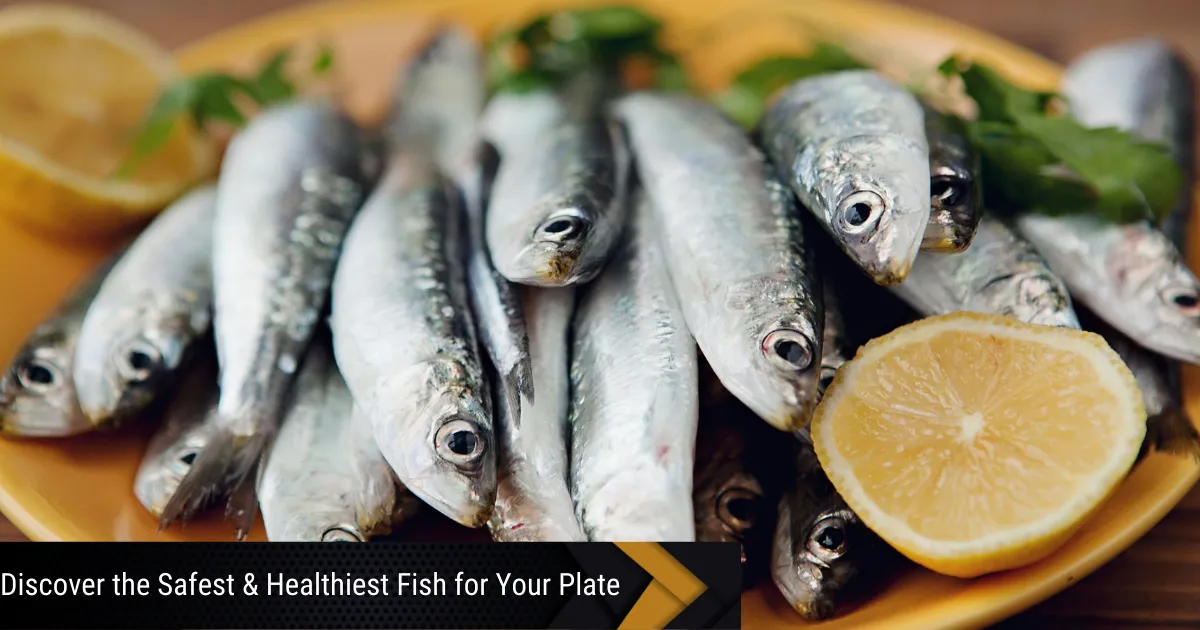
Fortunately, choosing low-mercury fish like sardines, trout, and salmon delivers brain-protecting omega-3s without the risk. These safer options reduce inflammation, support heart health, and provide easy-to-digest protein for muscle maintenance. For adults over 60, the simple shift to low-mercury seafood is a powerful investment in long-term cognitive and physical wellness.
🐟 Smart Fish Nutrition Calculator For adults 60+
Why This Calculator Matters for Adults Over 60
As we age, every bite needs to work harder. Fish is one of the best protein sources for seniors, but not all fish are created equal. This calculator helps you answer four critical questions before you eat:
| Question | Why It Matters After 60 |
|---|---|
| 🔥 How many calories? | Weight management becomes harder due to a slower metabolism. Knowing calories helps you maintain a healthy weight without under-eating. |
| ⚠️ Is the mercury level safe? | Mercury accumulates in the body over decades. Seniors may have higher baseline levels, and mercury can worsen memory, balance, and nerve function. |
| 💪 How much protein? | After 60, the body needs more protein (1.0–1.2g per kg of body weight) to prevent muscle loss (sarcopenia), which leads to falls and frailty. |
| 🧠 How many omega-3s? | Omega-3 fatty acids reduce inflammation, support brain health, lower triglycerides, and may reduce joint pain – all common concerns for older adults. |
📊 How to Interpret the Calculator Results
Once you select a fish and enter a weight, the calculator shows four results. Here is how to use each one:
1. 🔥 Calories
- What it means: The energy your body gets from that serving.
- For seniors: A typical serving of fish is 150–200 grams (about the size of your palm).
- Target: Most seniors should aim for 300–450 calories from a fish meal, leaving room for vegetables and healthy carbs.
2. ⚠️ Mercury Level (Color-Coded)
| Color | Level | Meaning | Recommended Frequency |
|---|---|---|---|
| 🟢 Green | Low | Safe for regular consumption | 2–3 times per week |
| 🟠 Orange | Moderate | Some risk with frequent eating | Once per week |
| 🔴 Red | High | Significant risk for seniors | Once per month or avoid |
Senior-specific note: Because mercury accumulates over a lifetime, even moderate-mercury fish should be limited for those over 60.
3. 💪 Protein
What it means: Building blocks for muscle, skin, and the immune system.
For seniors: Aim for 25–40 grams of protein per fish meal (depending on your weight).
Example: A 150g serving of salmon provides ~30g protein – about half of your daily need for a 150lb senior.
4. 🧠 Omega-3s
What it means: Healthy fats that reduce inflammation and support brain function.
For seniors: Aim for at least 1–2 grams of omega-3s per serving of fish.
Best sources: Sardines (2.7g per 150g), Atlantic mackerel (3.75g per 150g), salmon (3.3g per 150g).
🐟 Quick Reference: Best vs. Worst Fish for Seniors
| Recommendation | Fish | Why |
|---|---|---|
| ✅ Eat Freely (2-3x/week) | Sardines, Anchovies, Wild Salmon, Trout, Atlantic Mackerel | Low mercury, high omega-3s, |
| ⚠️ Eat Occasionally (1x/week) | Light Tuna (canned), Halibut, Shrimp | Moderate mercury or lower omega-3s |
| ❌ Limit (1x/month or avoid) | Swordfish, Albacore Tuna, King Mackerel | High mercury risk outweighs benefits for seniors |
🐟 Which Fish Is Best for Your Diet? A Side-by-Side Comparison
| Seafood | Omega-3 Fatty Acids (per 100g) | Protein (per 100g) | Mercury Level | Key Nutrients | Health Benefits | Health Risks |
|---|---|---|---|---|---|---|
| 🐟 Sardines | High (~1.5–2g) | High (~25g) | Low | Vitamin D, B12, calcium, selenium | Heart health, bone strength, anti-inflammatory, good for weight loss | Sodium in canned varieties |
| 🐟 Anchovies | High (~1.5g) | High (~29g) | Low | Niacin, selenium, calcium, iron | Supports metabolism, brain, and bone health | Often very salty; can raise blood pressure |
| 🐟 Swordfish | Moderate (~0.6g) | High (~20g) | Very High ⚠️ | Selenium, B12, niacin | Lean protein supports energy and the thyroid | High mercury risk, not safe for pregnant women |
| 🐟 Trout | High (~2g) | High (~20g) | Low | B12, niacin, potassium, vitamin D | Brain health reduces inflammation and supports the heart | Generally safe; farmed varieties may contain contaminants |
| 🐟 Mackerel | Very High (~2.5g) | High (~19g) | Varies (Low–Moderate) | Vitamin D, B12, selenium | Lowers triglycerides, is anti-inflammatory, and provides brain support | Some types (e.g., king mackerel) are high in mercury |
| 🦞 Lobster | Low (~0.2g) | High (~19g) | Low | Zinc, copper, B12, phosphorus | Supports nerve function, immune health | High cholesterol; often cooked with butter/salt |
| 🐟 Tuna | Moderate (~0.5–1g) | High (~23–25g) | Moderate to High ⚠️ | Selenium, B3, B6, B12 | Heart health supports metabolism | Mercury concern (especially in albacore); choose light tuna more often |
💚 Low mercury fish are safest for regular consumption. Pregnant women and children should avoid high mercury options.
Best for Omega-3s
Mackerel, Trout, Sardines
Lowest Mercury
Sardines, Anchovies, Trout
Caution for Mercury
Swordfish, Tuna (especially albacore), King Mackerel
Great for Bone Health
Sardines, Anchovies
High Sodium Risk
Anchovies, canned sardines
High Cholesterol
Lobster
🌍 Sustainable & Eco-Friendly Choices
Protect your health and the planet – one seafood meal at a time
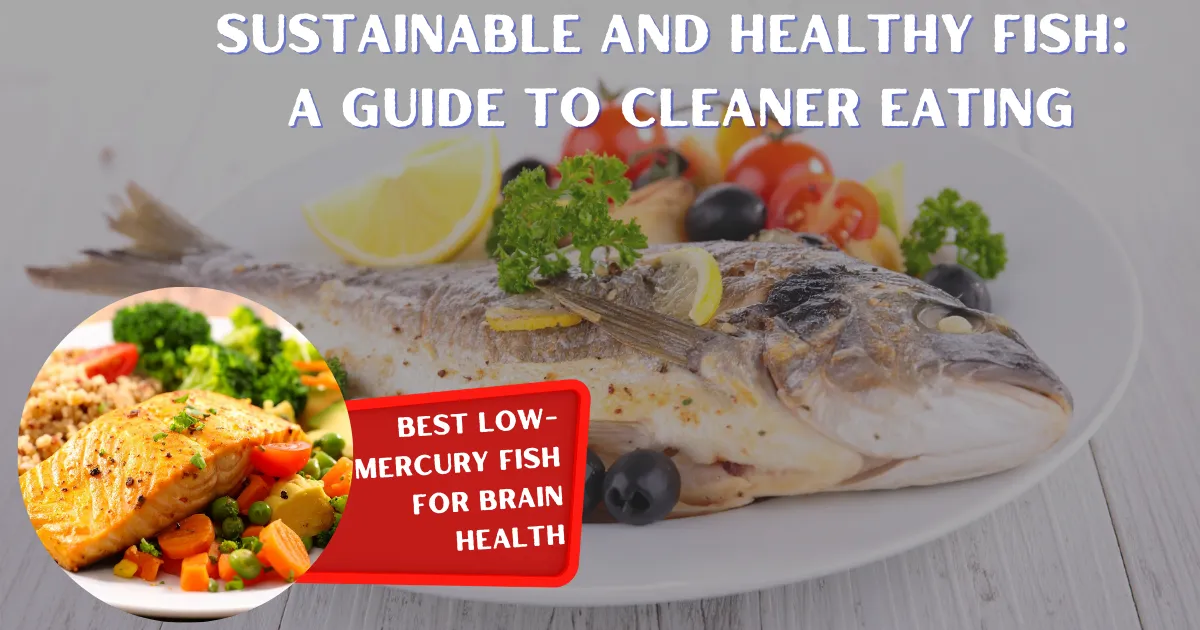
Sustainable and healthy fish – often called eco-friendly seafood – come from strictly monitored fishing and aquaculture practices. Choosing these varieties ensures your dinner plate supports both your longevity and the planet's vitality.
Preventing Overfishing
Responsible practices ensure fish populations replenish naturally, maintaining ocean food chain balance.
Mercury-Safe Profiles
Low-mercury fish at the bottom of the food chain mean clean eating without neurotoxic risks.
Minimal Environmental Impact
Sustainable methods reduce bycatch and avoid destroying seafloor habitats.
🐟 Top Sustainable Choices
| Fish Type | Sustainability Rating | Why It’s Healthy |
|---|---|---|
| 🐟 Sardines | Highest | Rich in Vitamin D & Calcium; negligible mercury |
| 🐟 Wild Alaskan Salmon | High | Superior Omega-3 content; well-regulated populations |
| 🐟 Atlantic Mackerel | High | Excellent source of Vitamin B12 and healthy fats |
✅ Bottom line: By focusing on low-mercury fish like sardines, anchovies, and wild-caught Alaskan salmon, you minimize heavy metal accumulation while maximizing Omega-3 intake – for a healthier you and a healthier ocean.
Critical Characteristics of Sustainable Fish
- Abundant Populations: Sustainable fish species are plentiful, ensuring their populations thrive even with fishing activities.
- Responsible Fishing Methods: Eco-friendly fishing methods, such as pole-and-line, troll, and trap fishing, reduce bycatch and minimize damage to ocean habitats.
- Well-Managed Aquaculture: Sustainable aquaculture operations follow strict environmental standards, such as minimizing antibiotic use and waste production.
- Traceability: You can trace the journey of sustainable fish from source to plate, ensuring transparency and legality.
- Certifications: Look for labels like MSC (Marine Stewardship Council) and ASC (Aquaculture Stewardship Council) certifying sustainable seafood.
- Low Mercury Levels: Some fish species are naturally lower in mercury, making them safer for regular consumption.
- Local and Seasonal Choices: Opting for locally sourced and seasonal fish supports nearby communities and reduces the carbon footprint associated with long-distance transport.
Why Choose Sustainable Fish?
- Preserve Ocean Health: Sustainable choices protect marine ecosystems, maintaining biodiversity and the balance of ocean life.
- Combat Overfishing: Avoiding overfished species will help prevent further decline in fish populations.
- Support Fishing Communities: Sustainable practices benefit fishing communities by ensuring stable livelihoods and access to fish stocks for future generations.
- Health Benefits: Low mercury levels and responsible sourcing make sustainable fish safer and healthier for you and your family.


Join the Conversation
Connect with us for daily tips, healthy aging inspiration, and community support across your favorite platforms.