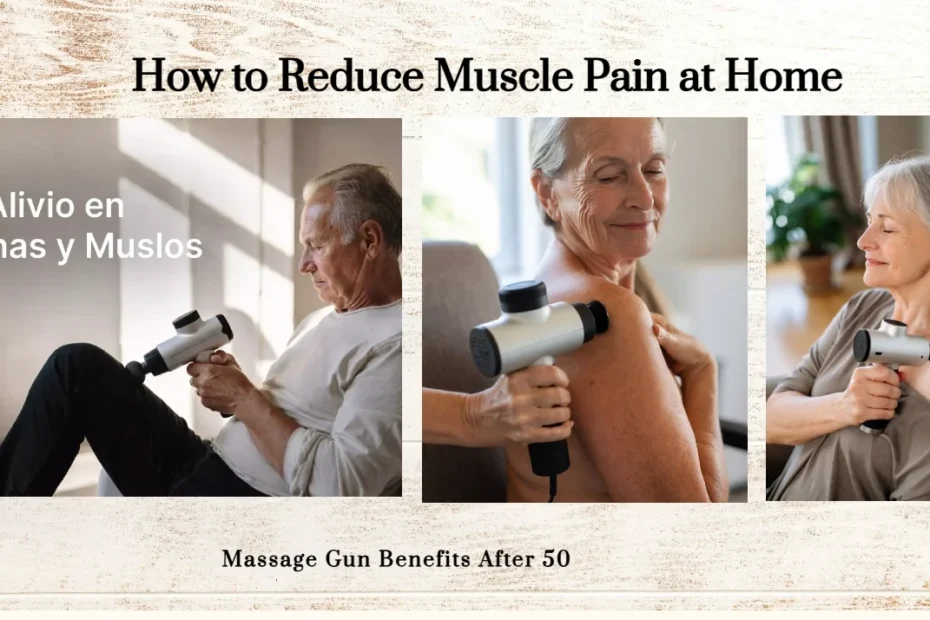
Massage guns and EMS massagers: Numerous tools are available to relieve muscle pain. But which ones are truly effective? Massage guns and EMS massagers have gained popularity as go-to options, but which one should you choose? Let’s delve into the battle of the tools and determine which is better suited for muscle pain relief.
- Why Muscle Pain Increases After 50
- Benefits of Massage Guns for Adults Over 50
- How to Use a Massage Gun Safely
- Who Should NOT Use a Massage Gun
- Best Areas of the Body for Relief
- Massage Gun vs EMS Massagers vs Foam Roller vs Traditional Massage
- Massage Guns: Realistic Expectations & Daily Use
- Which Device Is Better for Chronic Muscle Pain?
- Elevate Your Game: Join the Amateur Sports Photography Hub!
Massage guns and EMS (Electrical Muscle Stimulation) massagers are popular devices used for muscle relaxation and pain relief, but they work in different ways.
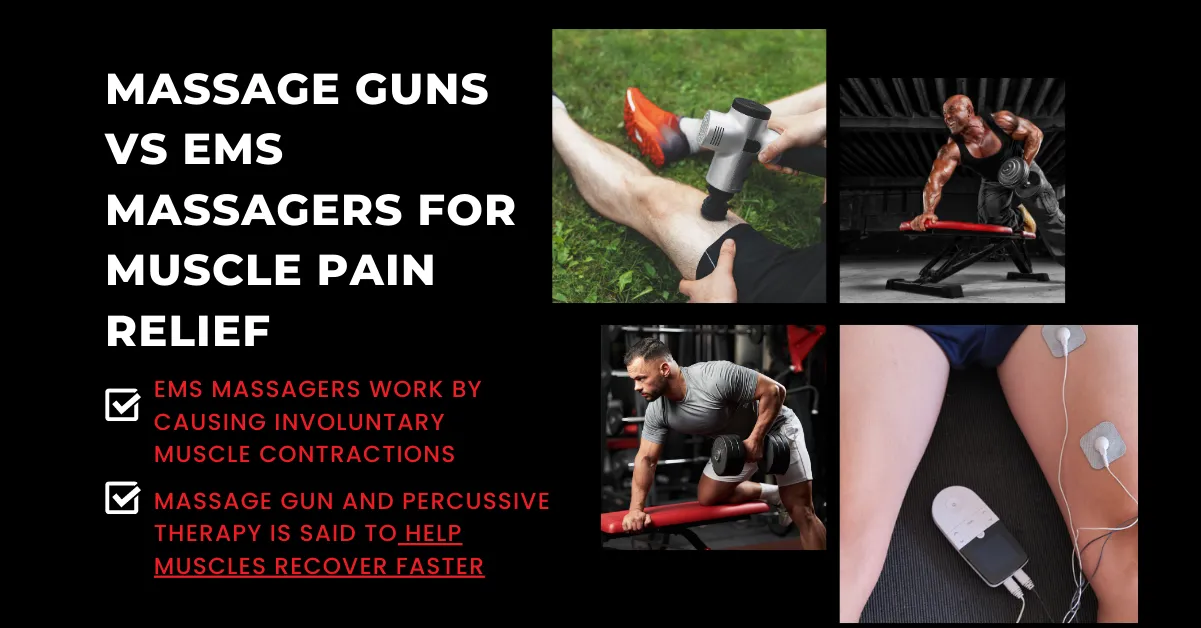
A massage gun is a handheld device that uses percussive therapy to target specific areas of the body. It uses a high-frequency pulsating motion to penetrate deep into the muscle tissue, which can help relieve tension, improve blood flow, and reduce soreness. Athletes and fitness enthusiasts often use massage guns in their recovery routines.
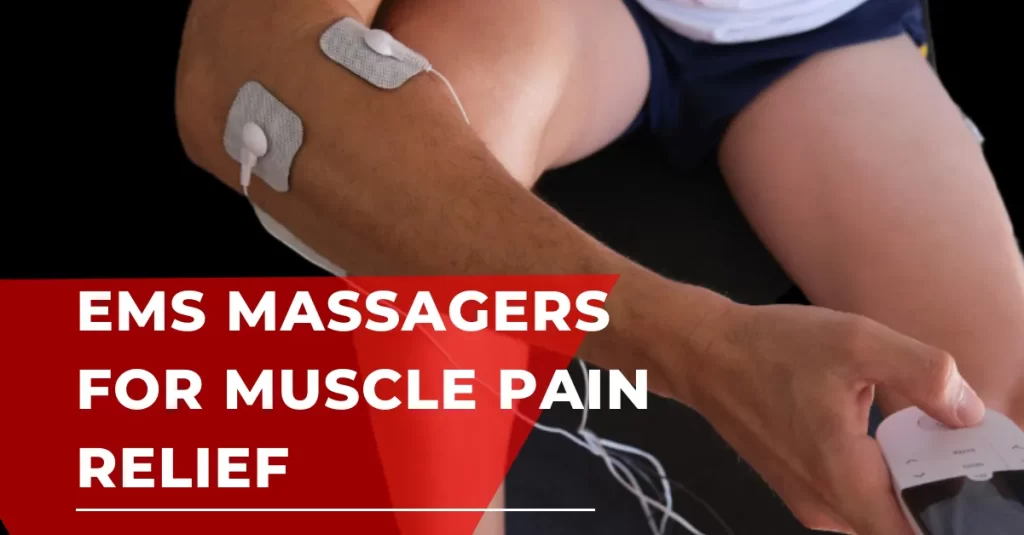
On the other hand, an EMS massager uses electrical impulses to stimulate the muscles. The device sends electrical signals to the muscles, causing them to contract and relax. This can help to improve muscle strength, increase blood flow, and reduce pain and stiffness.
While both massage guns and EMS massagers can be effective for muscle relaxation and pain relief, they work in different ways and are suited to other users. Massage guns are generally better suited for targeting specific body areas and providing deep tissue massage. At the same time, EMS massagers are better suited for improving overall muscle strength and reducing pain and stiffness. Choosing the device that best suits your needs and using it properly to avoid injury is essential.
Why Muscle Pain Increases After 50
As we age, the body naturally goes through physiological changes that can increase muscle stiffness, discomfort, and recovery time. Understanding these changes can help improve mobility and support a more active and comfortable lifestyle after 50.
🫀 Reduced Circulation
- Slower blood flow to muscles
- Less oxygen delivery
- Delayed healing and recovery
🧱 Muscle Stiffness
- Loss of elasticity in muscle fibers
- Increased tightness after rest
- Reduced flexibility in daily movement
⏳ Reduced Recovery Speed
- Slower repair after physical activity
- Longer soreness duration
- Increased fatigue after exercise
🪑 Sedentary Lifestyle Effects
- Muscle weakening from inactivity
- Joint stiffness from prolonged sitting
- Reduced mobility and endurance
Benefits of Massage Guns for Adults Over 50
Percussive therapy devices such as massage guns may support muscle recovery and comfort by improving circulation and reducing tension. When used correctly, they can be a helpful tool for maintaining mobility and reducing everyday stiffness.
🌿 Reduced Stiffness
- Helps relax tight muscles
- Improves range of motion
- Supports daily movement comfort
🚶 Improved Mobility
- Enhances flexibility
- Supports easier walking and activity
- Reduces feeling of heaviness in muscles
⚡ Faster Recovery
- After walking or light exercise
- Helps reduce post-activity soreness
- Supports active lifestyle consistency
💆 Temporary Pain Relief
- Short-term reduction in muscle discomfort
- Helps ease tension areas
- Promotes relaxation after activity
🧘 Relaxation Effect
- Reduces stress in muscle tissue
- Supports overall body relaxation
- Can improve post-activity comfort
How to Use a Massage Gun Safely
Using a massage gun correctly is essential to avoid injury and maximize benefits. Percussive therapy should feel comfortable and relaxing, not painful. Proper technique helps support muscle recovery, circulation, and mobility—especially for adults over 50.
⏱ Duration Limits
- Use 30–60 seconds per muscle group
- Maximum 10–15 minutes per session
- Avoid prolonged pressure on one area
🎯 Pressure Control
- Start with the lowest intensity setting
- Do not press too hard into muscles
- Let the device do the work, not your force
🚫 Areas to Avoid
- Neck (front side / throat area)
- Bones and joints directly
- Spine (direct pressure)
- Injured or inflamed areas
🔁 Frequency
- 2–5 times per week is usually sufficient
- Can be used after walking or light exercise
- Allow muscles to rest between sessions
Who Should NOT Use a Massage Gun
Although massage guns can support recovery, they are not suitable for everyone. Certain medical conditions or physical situations require caution or professional guidance before use.
⚠️ Medical Conditions
- Blood clot disorders (DVT risk)
- Severe osteoporosis
- Advanced diabetes complications
🤕 Injury or Pain
- Acute injuries or swelling
- Fractures or recent surgery areas
- Severe or unexplained pain
🧓 Special Populations
- Individuals with fragile skin or tissue
- People with severe mobility limitations
- Those advised against vibration therapy by a doctor
Best Areas of the Body for Relief
Massage guns are most effective when used on large muscle groups. These areas respond well to percussive therapy and can help reduce tension, stiffness, and fatigue.
🧍 Back
- Upper and mid-back muscles
- Helps reduce daily tension
- Supports posture comfort
💪 Shoulders
- Relieves stiffness from sitting
- Improves mobility in arms
- Reduces stress-related tension
🦵 Calves
- Helps after walking or standing
- Improves circulation in lower legs
- Reduces fatigue sensation
🦵 Thighs
- Supports recovery after activity
- Reduces muscle tightness
- Improves mobility and comfort
Massage Gun vs EMS Massagers vs Foam Roller vs Traditional Massage
Muscle recovery tools work in different ways. Some focus on deep tissue percussion, others use electrical stimulation or manual pressure. Understanding these differences helps you choose the best option for pain relief, mobility, and recovery—especially for adults over 50.
| Feature | Massage Gun (Percussive Therapy) | EMS Massager | Foam Roller | Traditional Massage |
|---|---|---|---|---|
| How it works | Rapid percussive pulses stimulate deep muscle tissue, increasing blood flow and reducing tension. | Electrical impulses trigger muscle contractions to improve circulation and reduce soreness. | Body weight pressure rolls over muscles to release tight fascia and improve mobility. | Manual hands-on manipulation of muscles by a therapist to relieve tension and pain. |
| Main benefit | Deep tissue relief and fast recovery after activity. | Targeted muscle activation and pain relief. | Improves flexibility and releases tight muscles. | Full-body relaxation and professional muscle treatment. |
| Best for | Muscle stiffness, post-walk soreness, recovery after exercise. | Muscle spasms, targeted rehab, circulation support. | General tightness, mobility work, warm-ups. | Chronic tension, stress relief, deep manual therapy. |
| Ease of use | Very easy, handheld device. | Moderate setup (pads or electrodes required). | Requires body weight control and technique. | Requires appointment and therapist. |
| Portability | High – compact and travel-friendly. | High – small device with pads. | High – lightweight but bulky. | Low – location-dependent. |
| Intensity control | Adjustable speed and pressure levels. | Multiple electrical stimulation modes. | Controlled by body weight pressure. | Controlled by therapist technique. |
| Limitations | Not suitable for bones, joints, or injuries. | Not suitable for pacemakers or some medical conditions. | Can be uncomfortable for seniors or beginners. | Costly and not always accessible. |
| Cost | Medium to high (one-time purchase). | Low to medium. | Low. | High (per session). |
| Best choice when… | You want fast, at-home muscle recovery and pain relief. | You need targeted muscle stimulation or rehab support. | You want simple mobility and stretching support. | You want professional full-body treatment and relaxation. |
Massage Guns: Realistic Expectations & Daily Use
Important: Massage guns are supportive wellness tools. They are not a medical treatment and should not be considered a cure for injuries or chronic conditions. Their effects are generally temporary and focused on muscle relaxation, soreness relief, and mobility support.
Is a massage gun a medical treatment or cure?
Answer: No. A massage gun is not a cure or medical treatment. It is a recovery and wellness tool designed to help reduce muscle tension and improve comfort temporarily. It can support relaxation and mobility but does not treat underlying medical conditions.
How long do massage gun benefits last?
Answer: The effects are usually temporary. Users may feel reduced stiffness, improved circulation, and relaxation for a few hours or after activity, but results depend on lifestyle, activity level, and muscle condition.
When should I use a massage gun in daily life?
Answer: Massage guns are most effective when used in everyday situations that cause muscle tension or stiffness, such as:
- After walking: Helps reduce calf and leg tightness and supports recovery after activity.
- After gardening: Relieves back, shoulder, and arm strain from repetitive movements and bending.
- After sitting long hours: Helps reduce stiffness in the lower back, neck, and shoulders caused by poor posture or inactivity.
Can massage guns improve performance or fitness?
Answer: They may support muscle readiness by increasing circulation and reducing stiffness, which can improve comfort during movement. However, they do not directly enhance fitness or replace training and exercise.
Can massage guns help with sleep and stress?
Answer: Yes, indirectly. As described in percussive therapy benefits, massage guns may help reduce muscle tension and promote relaxation. This can support better sleep quality and lower stress levels when used before bedtime.
Do massage guns improve mobility long term?
Answer: Massage guns may temporarily improve flexibility and mobility by loosening tight muscles and improving circulation. As explained in mobility-focused benefits, they can support range-of-motion and reduce stiffness, especially when combined with regular stretching and movement.
Which Device Is Better for Chronic Muscle Pain?
Choosing the right recovery tool for chronic discomfort depends on the cause, intensity, and location of the pain. For adults focusing on muscle recvery after 50, both massage guns and EMS devices can play a supportive role, but they work in different ways and are suitable for different needs.
Massage Gun for Pain Relief (Tension & Tight Muscles)
A massage gun for pain relief is often more effective when chronic discomfort is related to muscle tightness, stiffness, or localized tension. For many people experiencing muscle recvery after 50, percussive therapy helps target deep muscle layers, improve circulation, and temporarily reduce soreness.
A massage gun for pain relief works by delivering rapid percussive pulses that may help:
- Loosen tight muscle knots
- Improve blood flow to affected areas
- Reduce post-activity soreness and stiffness
EMS Massagers (Muscle Activation & Weakness Support)
EMS (Electrical Muscle Stimulation) devices may be more suitable when chronic pain is linked to muscle weakness, inactivity, or reduced muscle engagement. Unlike a massage gun for pain relief, EMS devices stimulate muscles through electrical impulses, encouraging contraction and activation.
This can be helpful for improving muscle function in individuals working on muscle recvery after 50, especially when reduced strength or mobility is part of the issue.
Important Consideration
Chronic muscle pain can have multiple causes, including posture, aging, previous injuries, or inactivity. While a massage gun for pain relief can provide temporary comfort and support muscle recvery after 50, it is not a medical treatment. For persistent or unexplained pain, professional medical advice is recommended.
Elevate Your Game: Join the Amateur Sports Photography Hub!
Are you passionate about capturing the action, drama, and emotion of amateur sports? Whether you're shooting local leagues or weekend tournaments, your perspective matters!
Share tips, review gear, and showcase your best shots with a supportive community of fellow amateur sports photographers.
✉️ Get in Touch
Questions about exercises, nutrition, or home safety? Send us a message.


Before starting any workout program and weight loss plan, please consult with your specialist.
After dealing with chronic back pain for years, I was skeptical when my doctor suggested trying yoga. But honestly, it’s been a revelation. The gentle stretches and core strengthening poses have not only improved my flexibility but have significantly reduced my pain
Massage guns are a game-changer for post-workout recovery! I use mine to target sore muscles and ease tension, and it’s been a game-changer for my training routine
Massage guns and EMS massagers are devices used for muscle recovery and pain relief. Massage guns use rapid, targeted pulses to provide deep tissue massage and improve circulation. EMS massagers use electrical impulses to stimulate muscles, helping them relax and recover. Both devices can be effective tools for athletes, people with chronic pain, or anyone looking to improve their muscle health.