
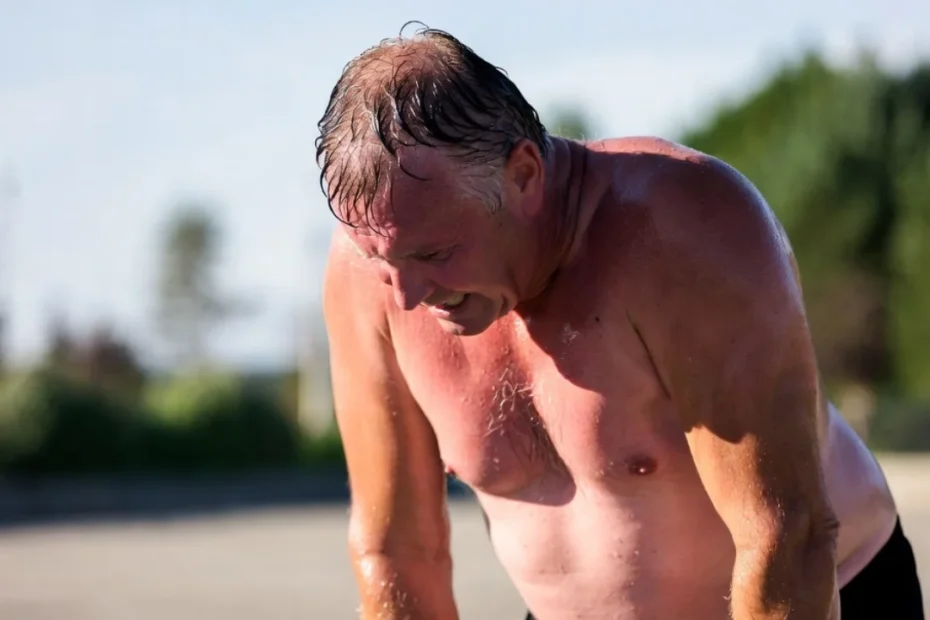
Exercise Mistakes After 50 That Cause Weight Gain – You’re doing everything ‘right’—hitting the gym, logging the miles—but the scale is creeping up, and you feel exhausted. Welcome to midlife fitness, where the rules have changed. It’s not about doing more; it’s about doing smarter. The culprit? Often, it’s a classic case of ‘overtraining’ fueled by changing hormones. Here’s why your workouts might be backfiring and how to flip the switch.
Table of Contents
ToggleAre you over 50, eating well, and exercising regularly, only to see the scale creep up? You’re not alone. The frustrating reality is that your body doesn’t respond to workouts the way it used to. The culprit behind this “exercise resistance” is often a complex interplay of changing hormones and stress.
For women, the drop in estrogen during menopause creates a perfect storm where high-intensity training can backfire, leading to menopause exercise weight gain. This is frequently driven by elevated cortisol, which signals your body to store stubborn cortisol and belly fat over 50.
This guide unpacks the hidden signs of overtraining symptoms in women and men, revealing why more effort isn’t the answer, and how strategic rest is the key to unlocking the fit, energized body you deserve.
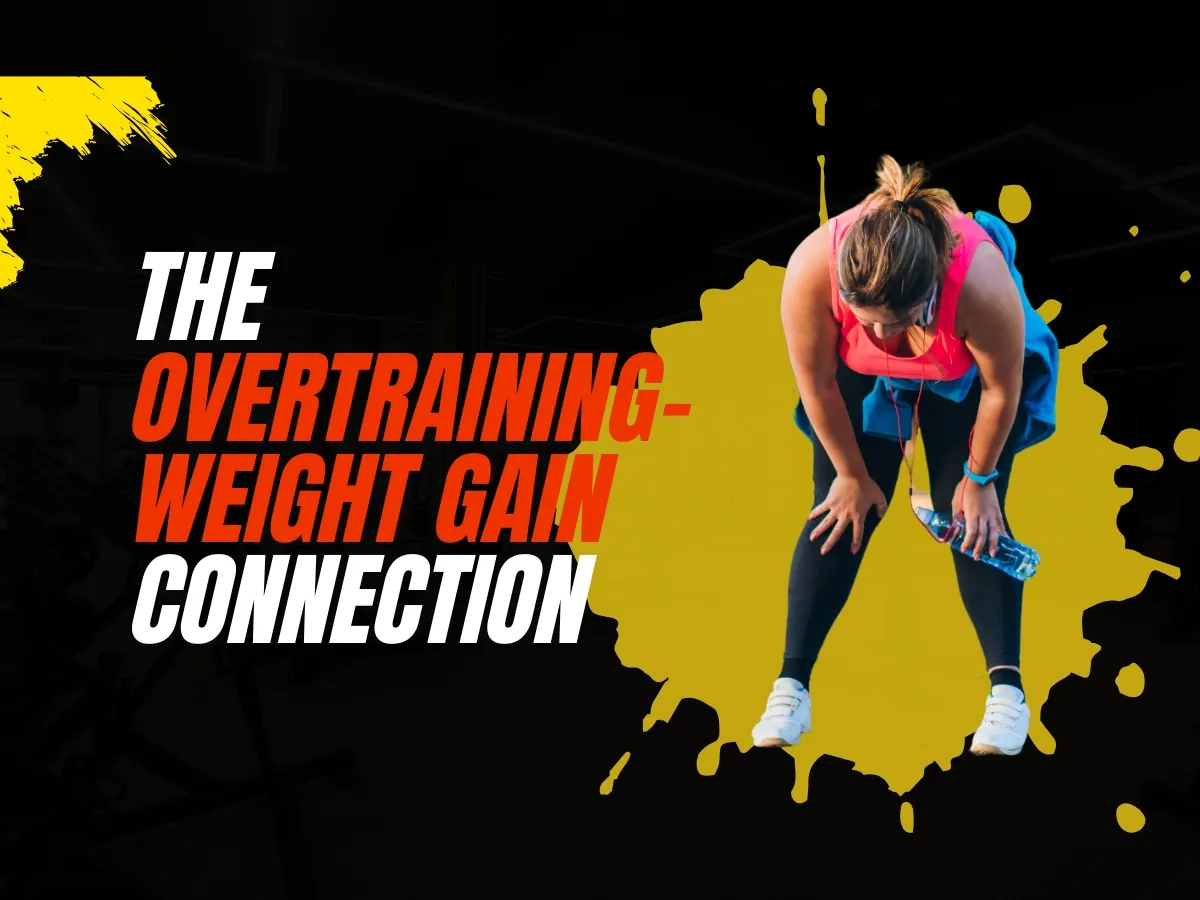
Pushing Beyond Limits
⚡ The Hormonal Connection
The primary stress hormone. Chronic overtraining keeps cortisol constantly elevated, triggering muscle breakdown, systemic inflammation, and stubborn fat storage.
Crucial for joint health, bone density, and energy. Overtraining plummets estrogen levels, leading to low stamina, poor recovery, and irregular menstrual cycles.
Essential for both men and women for muscle repair and drive. Chronic exhaustion tanking testosterone causes loss of muscle tone and prolonged soreness.
🚨 5 Signs You're Overtraining
For decades, you were told that a 'good' workout leaves you drenched in sweat and barely able to walk. This mentality is a fast track to burnout and weight gain in your 50s. When you push at high intensity daily, your body releases a flood of cortisol.For women, this is particularly problematic during menopause, as estrogen's protective buffer is gone. Elevated cortisol tells your body to hold onto visceral fat—the dangerous kind around your organs—and break down muscle for energy. The result? You're gaining weight and losing strength, despite your best efforts
#1: The Weight Gain Struggle
Sign 01Despite working out harder and cutting calories, the scale refuses to move—or worse, creeps up around your midsection due to high cortisol holding onto fluid and fat reserves.
#2: The Never-Ending Fatigue
Sign 02This isn't just feeling tired after a good session; it's a deep, bone-heavy exhaustion that three cups of coffee can't fix, stemming from depleted nervous system capacity.
#3: The Sleep Sabotage
Sign 03You’re physically exhausted, yet you lie awake staring at the ceiling. High nighttime cortisol spikes keep your body in "fight or flight" when it should be resting.
#4: The Mood Rollercoaster
Sign 04Hormonal imbalance directly impacts neurotransmitters. Expect sudden irritability, anxiety, brain fog, or a total loss of motivation for things you usually love.
#5: The Constant Colds
Sign 05Your immune system relies on recovery. When energy goes toward repairing constant tissue damage, your body can't defend against everyday germs.
Men vs. Women: cortisol & overtraining
How chronic stress and excessive training reshape fat distribution differently — and why a deload is your most powerful tool.
| Gender | Fat storage pattern | Cortisol & overtraining effect |
|---|---|---|
| Men |
🍎 Visceral (belly) fat
Deep abdominal fat surrounding organs.
⬆️ higher risk
metabolic syndrome
Testosterone decline amplifies central storage |
⬆ cortisol spike → visceral hoarding
Overtraining keeps cortisol elevated, signalling the body to store fat deep in the abdomen.
➡️ “stress belly” worsens, even with calorie control. ⬆ insulin resistance |
| Women |
🍐 Subcutaneous & menopausal shift
Hips, thighs, and lower body — but after menopause, fat migrates to the belly.
⚖️ estrogen drop ⬆ visceral risk Pear → apple shape transition |
⬆ cortisol + low estrogen = double hit
Overtraining raises cortisol, which overrides the protective effect of estrogen.
➡️ fat shifts to the midsection, and muscle breakdown accelerates. ⬆ inflammation · poor recovery |
| both | The overtraining solution: deload & rest For both men and women over 50, recovery lowers cortisol, resets metabolism, and shifts fat burning back on. HRV + sleep | |
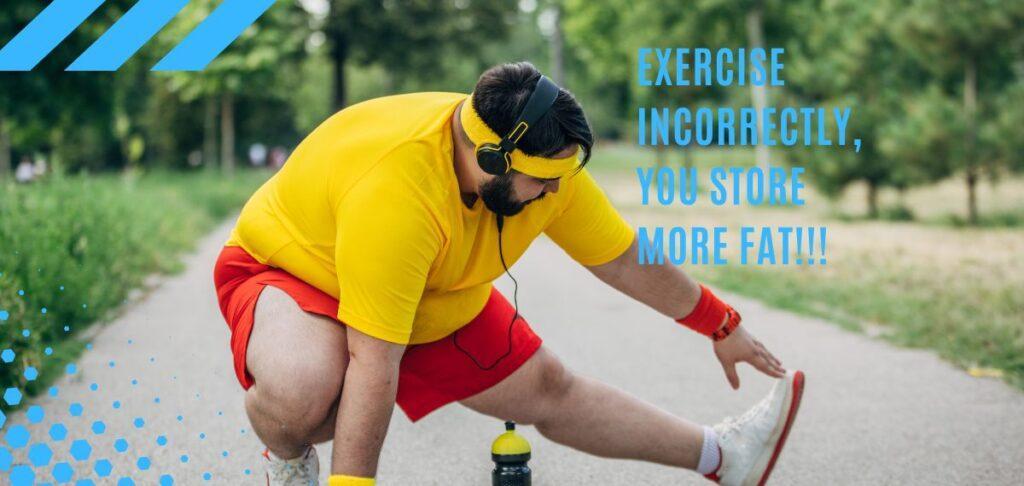
🏊♂️ Can You Gain Weight from Swimming?
1. Cool-Water Appetite Trigger
Swimming in cool water drops your core temperature slightly, which stimulates hunger hormones like ghrelin far more aggressively than land workouts.
2. Lean Muscle Hypertrophy
Water provides continuous resistance. Swimming builds dense muscle tissue in your shoulders, upper back, core, and legs.
3. Muscle Fluid Retention
Microscopic muscle fiber tears from a new routine cause temporary inflammation and force muscle tissue to hold onto extra water for repair.
4. High Cortisol Spikes
Excessive intensity without adequate rest keeps stress hormones elevated, causing fluid retention and encouraging abdominal fat storage.
Looking for a Balanced Routine?
Learn how to optimize your pool sessions without triggering severe fatigue or hormone disruption.
Explore Senior Swim Workouts →Ghrelin is a hormone primarily produced in the stomach that signals hunger to the brain and regulates appetite, energy balance, and several other bodily functions.
Summary
Understanding biology is the first step to reclaiming your health. The old “no pain, no gain” mindset is not only outdated but can be actively harmful after 50.
When you overtrain, your body produces excess cortisol, a stress hormone that encourages visceral fat storage—a primary driver of cortisol and belly fat over 50.
For women, this effect is amplified by declining estrogen, creating a metabolic hurdle that directly contributes to menopause exercise weight gain. The solution isn’t to work harder, but smarter. By learning to recognize the symptoms of overtraining in women and men, such as persistent fatigue and sleep disruption, you can take corrective action.
Prioritizing recovery, swapping high-intensity workouts for moderate strength training and walking, and fueling your body properly help your hormones rebalance, paving the way for sustainable, healthy weight management.
📢 share this article
✨ tap to share — help others crack the comment code


Ready to burn those calories and crush your fitness goals? Wait up! It’s important to strike a balance between pushing your limits and respecting your body
It’s so frustrating when hard work doesn’t show the expected results. Overtraining can impact weight loss. Perhaps consider adding more variety to your workouts and focusing on quality over quantity. Also, make sure you’re getting enough sleep and proper nutrition – they’re game-changers! You’ve got this!
I totally get where you’re coming from. I went through a phase of overtraining, and it seemed counterintuitive that I was gaining weight. Turns out, our bodies need that recovery time to shed fat and build muscle effectively. Maybe try easing up a bit, and the results might surprise you!
I’ve been exploring ways to maintain a healthy weight as I age, and understanding the link between burning fat and the aging process is eye-opening.
Feeling overly fatigued despite regular rest? Overtraining can sneak up on you! 🌟 Listen to your body—symptoms like persistent muscle soreness, lack of motivation, and disturbed sleep might be signs.
Wow, this really resonates! I’ve been so focused on pushing hard, but feeling constantly drained. The idea that overtraining could actually cause weight gain is a wake-up call. It really makes me think about how I approach my fitness routine.
Figures. Another reason why fitness is just a setup for disappointment. Work yourself to exhaustion, then get rewarded with weight gain? What’s even the point anymore.