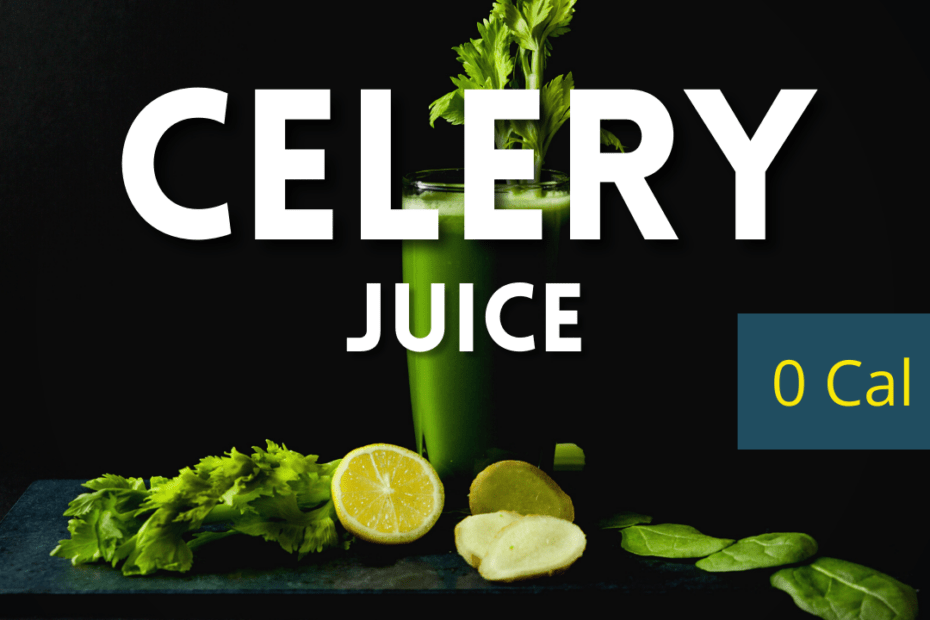
Move over, trendy superfoods; one of the most powerful health tools might already be in your refrigerator. Celery juice has surged in popularity, and for good reason—it’s a concentrated source of vital nutrients and antioxidants. But the benefits don’t stop at the glass.
This article explores five proven advantages of drinking celery juice and, just as importantly, how to fully utilize the often-overlooked celery stalks. We’ll show you that from a refreshing morning beverage to a crunchy kitchen staple, integrating both celery juice and stalks into your routine is a simple, holistic strategy for enhancing your wellness.
The Power of Celery: A Vital Superfood for Seniors and Longevity
Whole celery seeds are a nutritional powerhouse, containing high levels of vitamin C, calcium, iron, magnesium, potassium, phosphorus, zinc, copper, manganese, selenium, and niacin. While often overlooked, this versatile vegetable is becoming a cornerstone of modern nutritional strategy.
Why Celery Juice is the Ultimate Wellness Trend
Celery juice has taken the health world by storm because it is exceptionally low in calories, high in antioxidants, and low in carbohydrates.
For those managing metabolic health, diabetics can easily consume celery juice as part of a balanced diet without worrying about significant blood sugar spikes.
Weight Loss and Detoxification
An excellent choice for individuals seeking to lose weight. Its natural diuretic properties help eliminate toxins from the body.
Unique compounds within the juice help cleanse the liver and significantly improve its overall metabolic function.
Essential Benefits for People Over 60
For seniors, celery offers specific advantages that target common age-related concerns:
- Joint Health & Inflammation: Celery seeds contain high amounts of antioxidants that fight inflammation, offering natural relief for stiff joints and supporting overall mobility.
- Cardiovascular Support: The fiber and minerals in celery support heart health and help in lowering cholesterol levels, which is critical for maintaining heart health after 60.
- Cognitive Function: Emerging research suggests that celery’s nutrients may enhance brain function and protect neurological health.
- Bone Density: With significant amounts of calcium and vitamin K, celery supports the skeletal system, a vital benefit for preventing bone density loss in older adults.
Simple Ways to Use Celery
Celery is a unique and versatile food. Beyond juicing, you can harness the benefits of celery juice by incorporating the seeds into your daily routine. Try adding them to fresh salads or sprinkling them over warm soups as a nutrient-dense garnish to support healthy digestion.

The Top 6 Science-Backed Benefits of Celery Juice
If you haven’t already, here are six effective ways to enjoy the health-boosting benefits of celery and the benefits of celery seeds as part of your everyday wellness routine.
| Health Benefit | Description |
|---|---|
| Regulates Blood Pressure | Celery is rich in potassium, an essential mineral that helps regulate blood pressure and support heart health. |
| Reduces Cholesterol | Celery juice contains a natural chemical shown to reduce harmful LDL cholesterol by up to 7%, according to a University of Chicago study. Just two stalks are enough to achieve this effect. |
| Strengthens Joints and Bones | Celery helps reduce inflammation linked to gout and arthritis. Its juice is rich in calcium, silicon, and vitamin K—nutrients that rebuild bone tissue and protect against osteoporosis. These compounds, also found in celery seeds, contribute to joint support and mobility. |
| Supports Weight Loss | Low in calories and high in fiber, celery helps you feel full longer. One stalk contains just 15 calories, making it a perfect food for weight management and appetite control. |
| Boosts Digestive and Urinary Health | Celery's high water and fiber content aid digestion and help flush out toxins. Celery seeds promote healthy blood circulation and assist in uric acid elimination, supporting kidney and urinary function. This highlights more benefits of celery seeds. |
| Improves Skin Clarity | Packed with antioxidants, celery juice clears toxins from your system, helping reduce acne and wrinkles. It's rich in vitamins A, B, C, and K—key nutrients for collagen production and healthy, glowing skin. Many of these skin-clearing nutrients are also among the benefits of celery seeds. |
Including celery and celery seeds in your diet not only enhances your nutrition but also supports long-term health. The benefits of celery seeds range from improved digestion and detoxification to joint support and cardiovascular health.
Your Celery FAQ: Safety, Preparation, and Best Practices
A Note on Safety and Side Effects.
While incorporating celery stalks and juice into your diet offers many benefits, it’s essential to note safety considerations. Some individuals may have an allergy to celery, which can cause reactions ranging from skin irritation to severe anaphylaxis.
Furthermore, due to its natural diuretic properties, consuming very high amounts of celery juice might interact with certain medications, such as diuretics or blood thinners, or contribute to dehydration. As with any significant dietary change, it is wise to consult with a healthcare professional, especially if you have existing health conditions or concerns.
Conclusion:
In summary, both fresh celery stalks and juice provide a powerful, natural boost to your wellness routine. By enjoying crunchy celery stalks and sipping on freshly pressed celery juice, you can harness their unique hydrating and nutrient-rich properties.
Whether your goal is to enhance your daily nutrition, support specific health functions, or simply enjoy a refreshing drink, making celery stalks and juice a regular part of your diet is a simple and effective way to improve your health. Start exploring the benefits today and experience the vitality they can bring.
Join the Conversation
Connect with us for daily tips, healthy aging inspiration, and community support across your favorite platforms.


Share your favorite ways to incorporate celery and nuts into your meals or any tips for managing uric acid
Thanks for sharing your comment!!
I’ve been incorporating celery seeds into my diet and have noticed a significant improvement in my digestion
Celery is my go-to crunchy snack! I love how refreshing and hydrating it is, especially dipped in a little almond butter. So simple, yet so satisfying.
Discover the amazing health benefits of celery, from digestion to hydration. This simple celery, lemon, and water combination is a great way to start!