
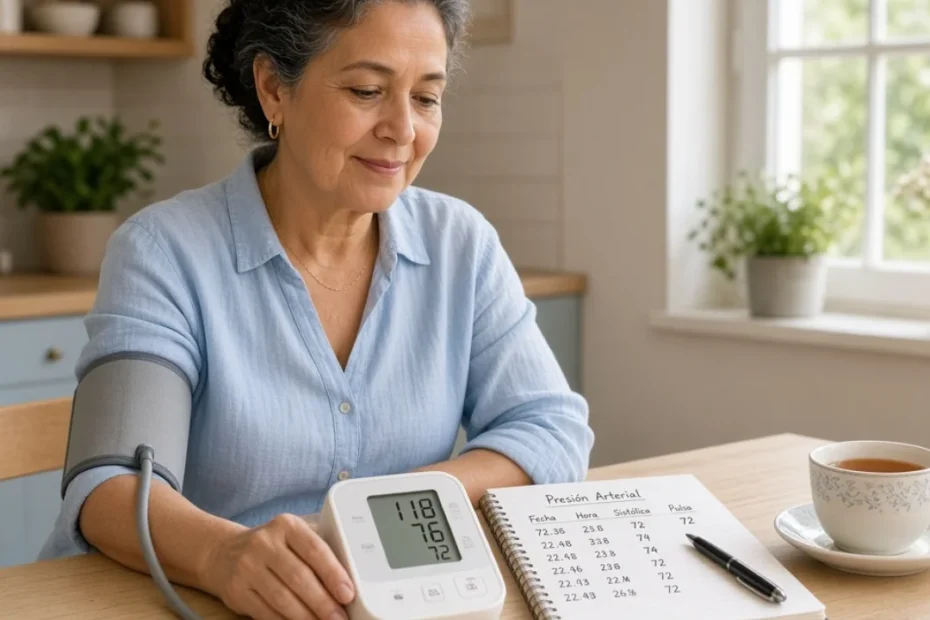
As we get older, keeping an eye on blood pressure can become a useful part of an overall wellness routine. The good news is that tracking your numbers at home doesn’t have to be complicated.
Table of Contents
ToggleA blood pressure tracker can mean three different things:
- A traditional digital BP monitor
- A smartphone/app-based blood pressure log
- A wearable such as a smartwatch
Always consult a qualified healthcare professional before starting any new exercise program, changing your diet, or making changes to your medication or treatment plan. If you experience sudden dizziness, chest pain, shortness of breath, or severe symptoms, seek immediate medical attention.
Blood Pressure Tracking at a Glance
Choosing the right way to track your blood pressure depends on whether you want to measure, record, or simply follow your health trends over time.
Why Track Your Blood Pressure at Home?
Tracking blood pressure at home can turn an occasional number into a clearer picture of your everyday wellness. A home record can help you notice patterns over time rather than focusing on one isolated reading. It can also be convenient for people over 50 who prefer keeping their health information organized in one place.
A simple routine might include recording the date, time, reading, and a brief note about what was happening that day. You can use a paper log, spreadsheet, or smartphone app. Consistency matters more than choosing a complicated system. If you regularly monitor your blood pressure, keeping your records organized can also make it easier to discuss your readings with a healthcare professional.
How to Measure Blood Pressure at Home
Good technique can make home blood pressure tracking more consistent. Before measuring, sit quietly for a few minutes and avoid rushing directly into a reading after physical activity. Sit with your back supported, keep both feet comfortably on the floor, and rest your arm in a relaxed position. Place the cuff as directed by the monitor manufacturer and avoid talking during the measurement.
An automatic upper-arm monitor is generally the preferred option for home monitoring. Use a cuff that fits correctly and follow the device instructions carefully. Recording readings under similar conditions can make your personal log easier to follow. If you're unsure about your technique, consider asking a healthcare professional to review how you use your monitor.
Blood Pressure Cuff vs. Smartwatch
Blood pressure cuffs and smartwatches serve different purposes. An automatic upper-arm cuff is designed specifically to obtain a blood pressure measurement, while a smartwatch can combine wellness information such as activity, heart rate, sleep, and other metrics. Some wearable devices also offer blood-pressure-related features, but the technology and capabilities can vary significantly.
If your main goal is to track blood pressure at home, an appropriately validated upper-arm monitor is the more straightforward choice. A smartwatch can still be useful for broader wellness tracking, particularly if you enjoy seeing activity and other measurements in one app. Rather than choosing based solely on convenience or brand recognition, check exactly what the device measures and whether the specific model has appropriate validation.
Can a Smartwatch Really Measure Blood Pressure?
The answer depends on the particular smartwatch and the technology it uses. Some wearable devices include blood-pressure-related functions, but not every device measures blood pressure in the same way. Some technologies may estimate values rather than directly measuring blood pressure with a traditional inflatable cuff. That's why it's important not to assume that every smartwatch provides a reading equivalent to an upper-arm monitor.
Before purchasing a wearable for blood pressure tracking, check the manufacturer's information and determine what the feature actually does. Look for appropriate validation and understand any setup or calibration requirements. For people who primarily want a dependable home blood pressure routine, an appropriate automatic upper-arm monitor remains the simpler choice.
How to Choose a Blood Pressure Monitor After 50
Choosing a blood pressure monitor after 50 doesn't have to mean buying the most expensive device. Start with usability. Look for an automatic upper-arm monitor with a cuff that fits properly, clear numbers, simple controls, and instructions that are easy to follow. A memory function can be helpful if you want the monitor to store previous readings, while Bluetooth connectivity may appeal to people who prefer managing information on a smartphone.
Validation is another important consideration when comparing monitors. Also think about practical details such as battery life, portability, multiple-user support, and display size. If you travel frequently, a compact design may be particularly useful. The best monitor is ultimately one that fits comfortably into your lifestyle and makes regular tracking feel simple rather than burdensome.
Lifestyle & Wellness Habits
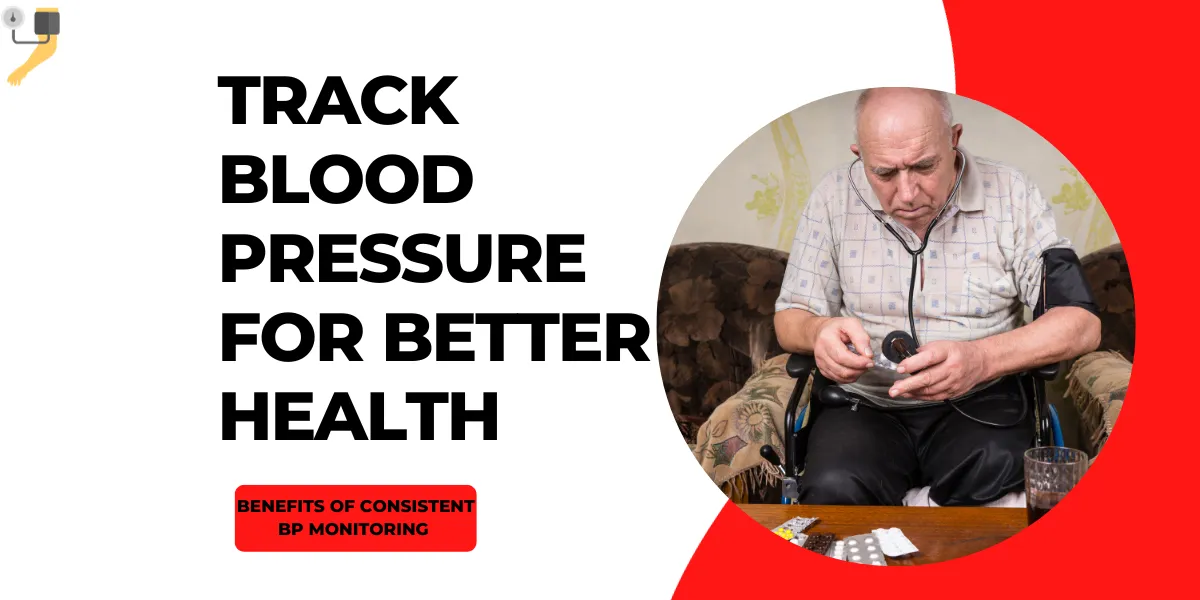
A blood pressure tracker can be one small part of a broader healthy-aging routine. Regular movement, balanced meals, good sleep, stress management, and staying socially connected can all contribute to overall wellness. The goal isn't to become obsessed with numbers, but to use tracking as a simple way to become more aware of your everyday habits.
If you use a blood pressure tracker at home, consider pairing your readings with brief notes about your routine. For example, you might record whether you walked, exercised, traveled, slept poorly, or had an unusually busy day. This can give you useful context when reviewing your personal records. A blood pressure monitor for seniors should also be straightforward to operate, easy to read, and comfortable to use. Choose tools that support your lifestyle rather than making your wellness routine complicated.
Blood Pressure Tracking While Traveling
Traveling doesn't have to mean abandoning your normal wellness routine. If you regularly use a blood pressure tracker, consider taking a compact monitor with you, particularly when you'll be away from home for several days. A lightweight case can protect the device, while keeping your readings in a phone app or digital log can reduce the need to carry paperwork.
Before leaving, check that you have the correct cuff, batteries or charging cable, and any accessories your device requires. When possible, maintain a familiar routine for taking readings rather than comparing numbers from completely different circumstances. Long flights, changes in schedule, unusual meals, or disrupted sleep can make travel days different from your normal routine. The goal of a blood pressure tracker at home or on the road is simply to make your personal records easier to maintain wherever your travels take you.
Blood Pressure Tracker Questions & Answers
Have questions about tracking blood pressure at home? These simple answers cover monitors, smartwatches, apps, blood pressure logs, and practical features to consider after 50.
Blood Pressure Tracker: A Simple Approach to Healthy Aging
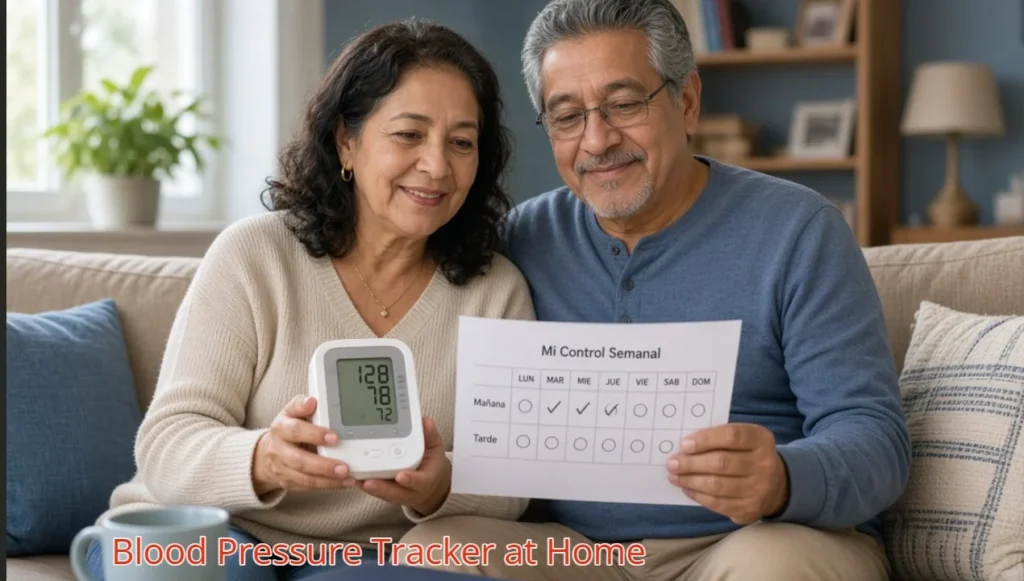
A blood pressure tracker can make it easier to organize your readings and become more aware of your personal wellness patterns. Whether you prefer a digital monitor, smartphone app, or simple paper log, the key is choosing a method that fits comfortably into your routine.
For many people, a blood pressure tracker at home can be a practical way to maintain consistent records. An appropriate blood pressure monitor for seniors should be easy to read, simple to operate, and fitted with the correct cuff size.
A blood pressure tracker is only one part of a healthy lifestyle. Staying active, eating a balanced diet, getting adequate sleep, managing everyday stress, and maintaining social connections can all support overall wellness.
Whether you’re using a blood pressure tracker at home or taking your equipment on vacation, consistency and simplicity can make tracking easier. Choose practical tools that help you stay informed without making your wellness routine complicated.
Unlock Your Most Vibrant Chapter
Vibe 60+ is a dedicated wellness and longevity platform focused on empowering the active senior demographic. Join us for science-backed insights on functional fitness, metabolic nutrition, and holistic wellness.
Start Your Journey at Vibe 60+ →🏡 Senior Home Safety & Mobility tips delivered daily
Join us on Facebook →Practical advice for independence and vitality in your golden years.


The Biospectal OptiBP app runs on a typical smartphone and uses the built-in camera to record a user’s blood flow via their fingertip quickly and easily
As someone with high blood pressure, finding the right monitoring tool is essential.
Tracking your blood pressure is crucial for maintaining good health. Whether you’re monitoring it at home or using a wearable device
A sleek blood pressure wrist watch makes it easy to keep tabs on your numbers without interrupting your lifestyle.