

Feelings Of Abandonment At Age 50 – Anxiety and sadness are among the most common mental health problems worldwide. Many individuals experience feelings of sadness, anxiety, and abandonment. Understanding the reasons behind these emotions is crucial for effective management.
Table of Contents
TogglePeople often experience sadness and anxiety due to personal experiences. For example, individuals who have undergone traumatic events may feel sorrow and anxiety triggered by memories associated with those events. Similarly, those who have experienced rejection from loved ones may feel abandoned and lonely.
Always consult a qualified healthcare professional before starting any new exercise program, changing your diet, or making changes to your medication or treatment plan. If you experience sudden dizziness, chest pain, shortness of breath, or severe symptoms, seek immediate medical attention.
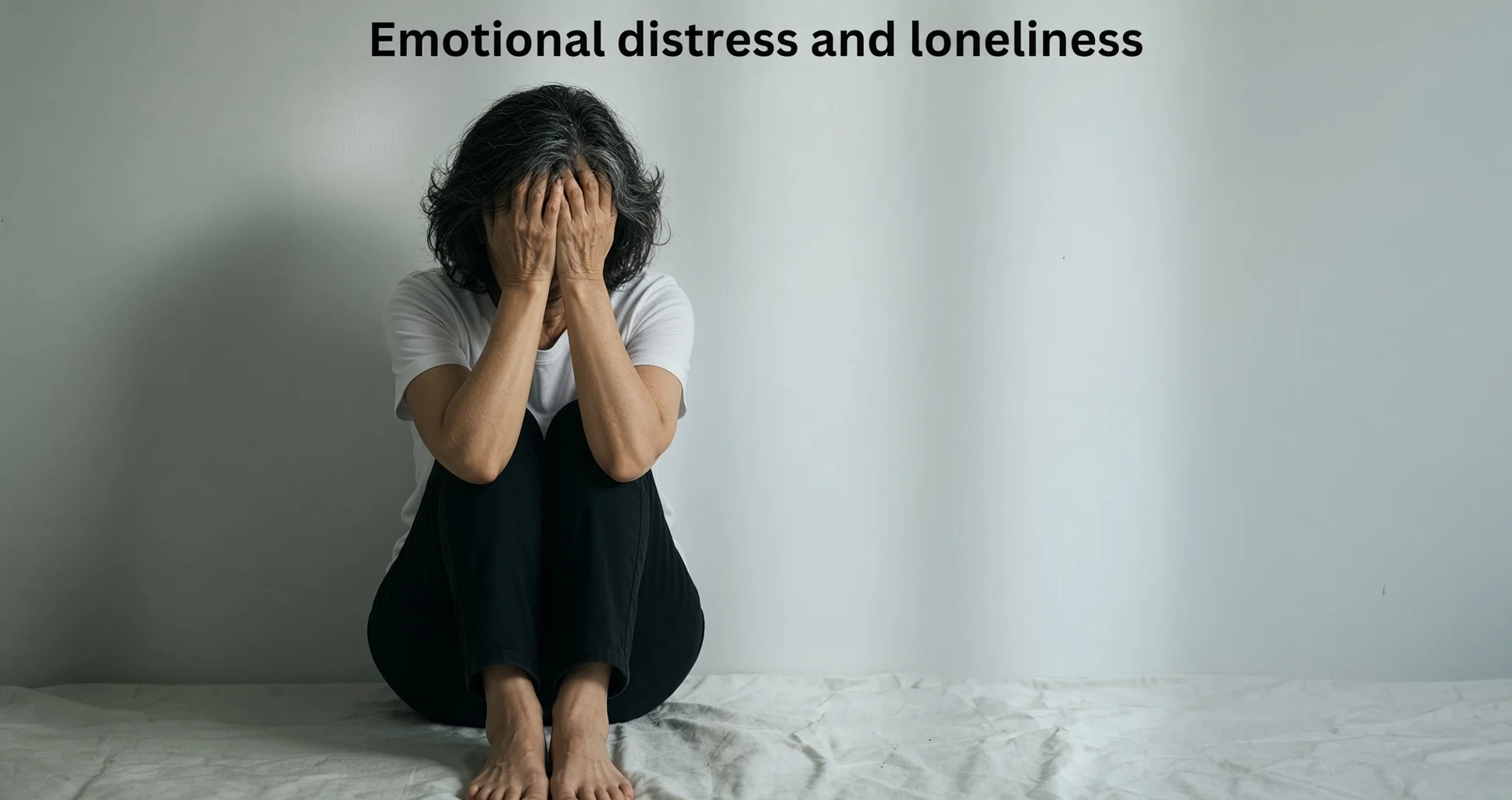
Understanding Feelings of Abandonment: Navigating Overwhelming Emotions
Dealing with overwhelming emotions is a skill that can significantly improve emotional well-being. It involves recognizing, understanding, and managing intense emotional responses such as anger, sadness, or frustration. Practices like deep breathing exercises, meditation, and journaling can help regulate these feelings.
Coping With Stress, Anxiety, and Depression
Stress is a common occurrence in everyday life, frequently leading to occasional episodes of anxiety, panic attacks, and periods of deep depression. Restlessness and seeking treatment are common responses when individuals try to address these mental health challenges.
Feeling depressed, chronic stress, anxiety, and profound sadness can present significant psychological hurdles, leaving individuals feeling helpless. These emotional states affect mood and carry direct implications for overall well-being and long-term health. It is essential to recognize the differences between standard sadness and clinical depression.
Differentiating Sadness & Depression
Sadness is a natural reaction to life's challenges, losses, or disappointments. By contrast, persistent clinical depression runs deeper and requires dedicated care, understanding root causes, and professional guidance.
Proven Calming Strategies
Talking to a therapist, practicing mindfulness, and engaging in structured self-care help individuals manage and alleviate heavy emotions, promoting a more balanced and resilient state of mind.
Nighttime Anxiety: Breaking the Vicious Cycle of Poor Sleep
Feelings of sadness and anxiety are common emotional responses that many people experience at some point in their lives. While sadness responds to life's disappointments, anxiety can stem from various accumulated stressors.
When these feelings become overwhelming and persistent, they significantly impact mental health. Anxiety often relates directly to sleep problems, with nighttime being a widespread time for anxiety to surge. Consequently, anxiety can contribute to a vicious cycle of stress and poor sleep.
🌙 The Sleep Dilemma: Individuals experiencing nighttime anxiety often find it challenging to determine whether their underlying anxiety prevents sleep, or if the lack of restorative sleep is what triggers daytime anxiety in the first place.
Overcoming Feelings of Isolation: Rebuilding Connection
Are you feeling depressed? Overcoming feelings of isolation is essential for maintaining good mental health. Loneliness and social isolation can contribute to a range of mental health issues, including depression and anxiety. Connecting with others, even in small ways, can help combat these heavy feelings.
Meaningful Activities
Joining social groups, engaging in shared hobbies, or volunteering in your community are effective, low-pressure ways to step out of isolation and spark daily purpose.
Building Your Circle
Cultivating a reliable network of friends, family, or peer support groups provides a lasting sense of belonging, reducing persistent feelings of loneliness.
Loneliness and Its Impact on Mental Well-being
Loneliness is not merely a fleeting emotional state; it can profoundly affect mental and physical well-being. Chronic loneliness is associated with an increased risk of depression, anxiety, and broader health challenges, as it can alter brain functioning and contribute to feelings of worthlessness and despair.
Recognizing and addressing loneliness is essential for emotional resilience. Building connections, seeking professional help when needed, and engaging in activities that foster social interaction are effective ways to mitigate its impact. Understanding that loneliness is a common human experience—and taking proactive steps to combat it—can meaningfully improve your mental health and overall quality of life.
Feelings of Abandonment & Depression: Can Anxiety Cause Chest Pain?
When feelings of abandonment, chronic stress, and anxiety build up, they often trigger physical symptoms alongside emotional distress. Some people experience anxiety frequently, and there are many examples of how chest tightness or pain can appear as a physical symptom of acute or ongoing stress.
⚕️ Important Health Note: Chest pain associated with anxiety feels different for each person—some experience sudden sharpness, while others notice dull tension on a gradual basis. Because chest discomfort can also signal cardiovascular conditions, always seek prompt medical evaluation to rule out physical heart issues before attributing chest pain to stress or anxiety.
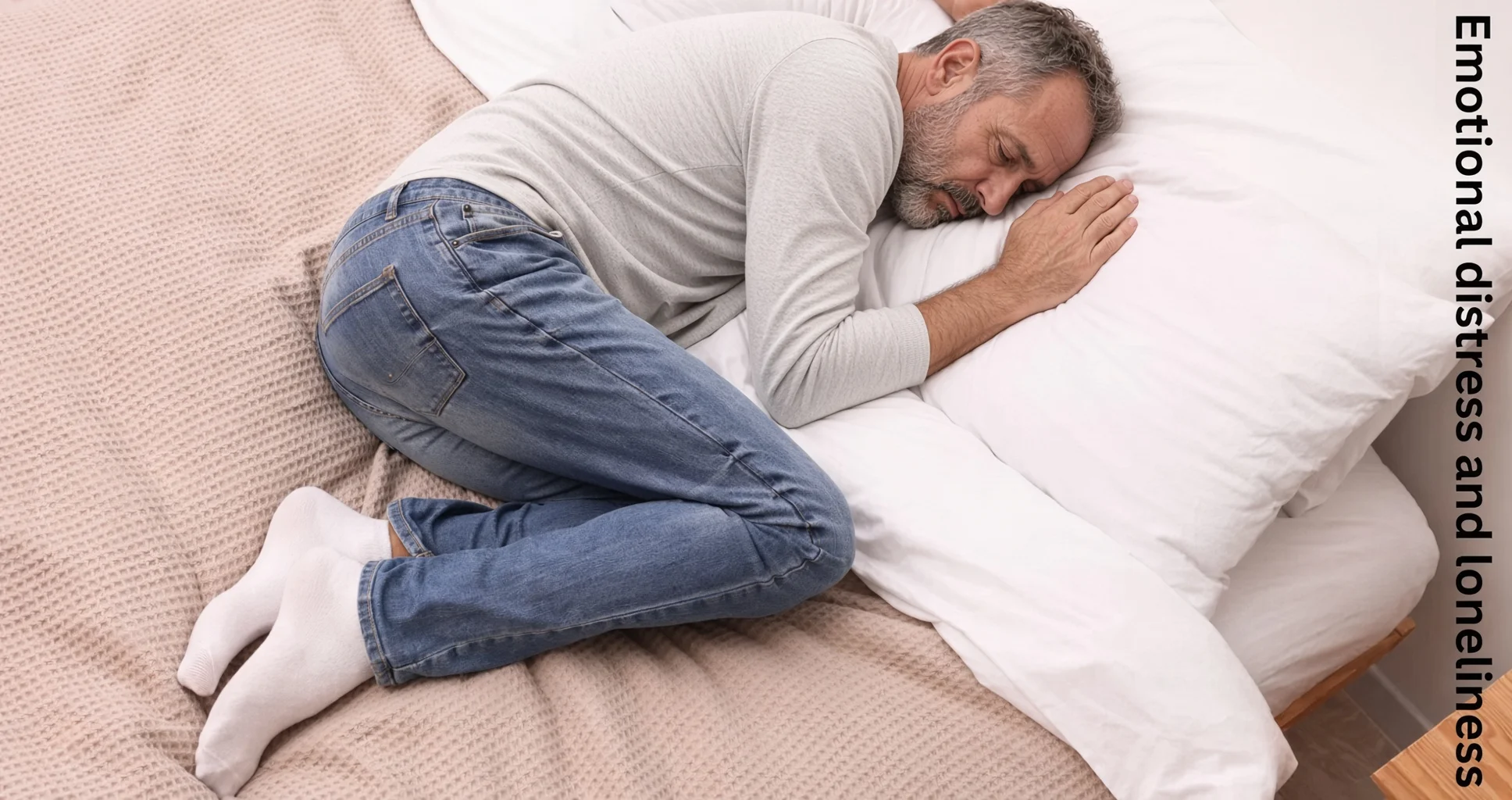
Feelings of Abandonment at Age 50: Understanding Midlife Shifts
Midlife Transitions · Emotional Resilience · Healthy Aging
Reaching midlife often brings overlapping personal, family, and physical changes that can unexpectedly stir up deep feelings of abandonment at age 50. When routines shift or long-standing roles evolve, it is common for adults to find themselves feeling depressed at age 50—not because something is wrong with them, but because major life transitions require emotional adjustment and renewed support.
Why Abandonment Fears Often Resurface in Your 50s
Empty Nest & Caregiving Shifts
Watching grown children build independent lives, losing aging parents, or experiencing divorce and retirement can leave a sudden quiet space that feels like personal rejection or loss of purpose.
Hormones, Sleep & Mood
Natural drops in estrogen, progesterone, or testosterone after 50—combined with disrupted sleep—can heighten emotional sensitivity, making everyday distance from loved ones feel heavier.
Old Wounds Reawakened
Stressful midlife milestones frequently reactivate earlier attachment insecurities, turning minor communication gaps with friends or partners into intense fears of being left behind.
Practical Steps When You Are Feeling Depressed at Age 50
Recognizing the root of feelings of abandonment at age 50 allows you to respond with steadiness rather than self-criticism. If you are feeling depressed at age 50, small, consistent daily anchors can help restore emotional balance:
- Name the trigger without judgment: Separate current reality (a busy friend or a quiet house) from old fears of rejection. Writing thoughts in a brief evening journal helps quiet spiraling worries.
- Create structured social touchpoints: Schedule one reliable weekly connection—such as a walking group, community class, volunteer shift, or regular phone call with a trusted friend.
- Support your nervous system physically: Gentle daily movement, deep breathing exercises, and steady sleep hours lower stress cortisol and stabilize daytime mood.
- Talk with a healthcare professional: If low mood, hopelessness, or isolation lasts more than two weeks, consult a doctor or therapist to check hormonal, thyroid, and nutritional markers alongside emotional care.
🌿 Remember: Midlife is not an ending—it is a recalibration. Experiencing feelings of abandonment at age 50 is a signal to rebuild meaningful connections and prioritize your own emotional well-being, one gentle step at a time.
Understanding Anxiety and Sadness: A Practical Guide
Many people across the world feel sadness, experience anxiety, or navigate Feelings Of Abandonment At Age 50 as life roles and relationships evolve. Recognizing why these emotional responses happen is the first step toward stronger mental health and steadier emotional resilience.
| Topic | Explanation |
|---|---|
| 🌱 Personal Triggers | Sadness and anxiety often stem from personal life transitions. People who have faced heartbreak, loss, or Feelings Of Abandonment At Age 50—such as an empty nest, divorce, or shifting friendships—may feel sadness and deep loneliness that carry lasting emotional weight. |
| 🧠 Biological Response | Our brains are wired to react quickly to perceived danger, isolation, or emotional stress. During difficult moments, the nervous system releases stress hormones like cortisol and adrenaline that make us feel sadness, tension, or heightened anxiety. |
| 💧 What Is Sadness? | Sadness is a natural human emotion triggered by grief, change, or disappointment. Everyone experiences it at times. However, temporary sadness is distinct from feeling depressed, which involves persistent low mood, hopelessness, and loss of interest in daily life. |
| ⚡ Stress and Anxiety | Ongoing stressful events can trigger acute anxiety, panic episodes, or prolonged low mood. Unmanaged long-term stress strains mental health, causing people to feel sadness and worry much more frequently. |
| 🔋 Chronic Stress | Prolonged sadness, isolation, or anxiety often leads to emotional exhaustion. Individuals may feel helpless or emotionally drained, and if left unaddressed, chronic strain can develop into feeling depressed. |
| 🌙 Sleep Disturbances | Many adults experiencing anxiety struggle to fall or stay asleep. Poor sleep heightens daytime stress sensitivity, creating a difficult cycle where nighttime worry disrupts rest and exhaustion fuels next-day anxiety. |
| ❤️ Physical Symptoms | Anxiety frequently shows up in the body as chest tightness, rapid heartbeat, or muscle tension. While common during stress, recurring or unexplained chest pain should always be evaluated promptly by a healthcare professional. |
| 🌿 Healthy Coping Strategies | When you feel sadness, give yourself space to process emotions without judgment. Gentle daily movement, deep breathing, staying socially connected, and consistent sleep routines support both mood and physical well-being. |
| 🩺 When to Get Help | If you are feeling depressed or overwhelmed by anxiety for more than two weeks, reach out for professional support. Doctors and therapists can evaluate hormonal, physical, and emotional factors to build a personalized care plan. |
🤝 You Are Not Alone: Whether you are navigating a major midlife transition or simply feeling emotionally off balance, it is okay to feel sadness—you do not have to stay stuck in it. Compassionate support is available, and steady healing is possible.
Take Charge of Your Healthy Aging Journey
Join thousands of readers over 50 discovering expert guidance on hormone health, restorative sleep, nourishing culinary traditions, and emotional resilience.
✨ Delivered weekly · 100% free expert insights for vibrant living
Join the Conversation
Connect with us for daily tips, healthy aging inspiration, and community support across your favorite platforms.


Feeling the weight of sadness and anxiety? You’re not alone. Many of us grapple with these emotions, and it’s okay to admit it. Let’s break the silence and start the conversation.
Your article helped me a lot, is there any more related content? Thanks!
Feeling sad, anxious, and abandoned can be overwhelming. You are not alone. This post delves into the common causes and offers practical solutions.
The experiences of sadness, anxiety, and feelings of abandonment are complex and deeply personal. These emotions can arise from a variety of causes and have a profound impact on mental and emotional well-being
Listen and offer support!!
I’ve noticed a direct link between my stress levels and how I eat. It’s a tough cycle to break