Skip to content

Low Testosterone in Men Over 60: Signs & Natural Solutions

low testosterone symptoms in men over 60

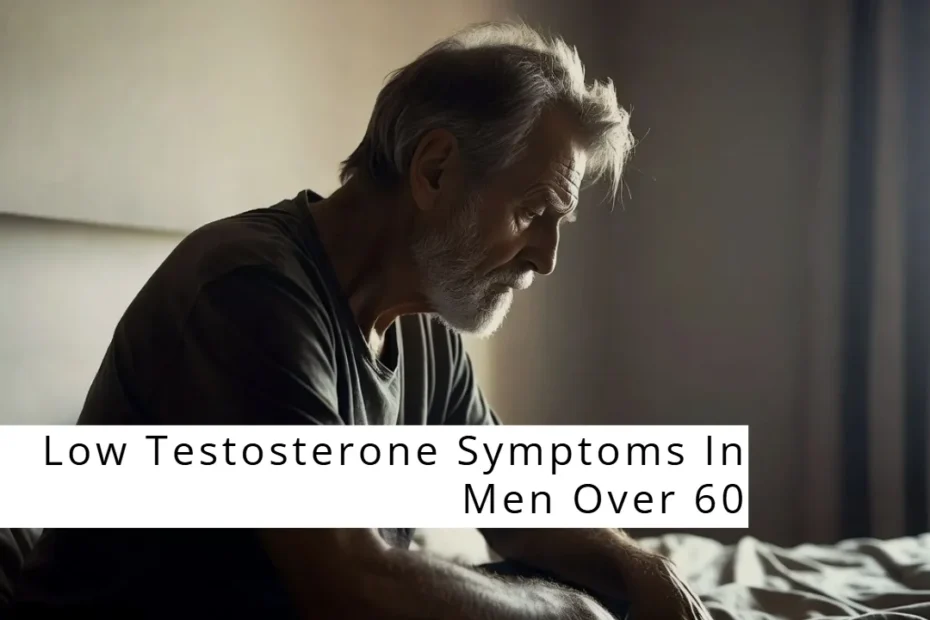
Low testosterone in men over 60Β are often mistaken for normal aging. Fatigue, muscle loss, low libido, and depression may actually signal a hormone imbalance that can be treated. This guide coversΒ how to boost testosterone naturally after 60Β with diet, exercise, and lifestyle changes – and when to see a doctor about testosterone therapy. Always consult a physician before starting any hormone treatment.

⚠️ Medical Disclaimer: This information is for educational purposes only. Low testosterone can be caused by underlying medical conditions (pituitary issues, testicular problems). Testosterone replacement therapy (TRT) has risks, including blood clots and sleep apnea. Always consult your doctor before starting any hormone therapy or supplement regimen.

⚑ Boost Your Vitality: Reclaim Energy, Strength & Confidence

πŸ’ͺ

Muscle Loss

Your muscles need energy to work. When testosterone levels drop, your muscles get less energy. This makes it harder to stay strong and active.

Over time, this leads to age-related muscle loss. Daily tasks like carrying groceries or climbing stairs become more difficult. It also increases your risk of falling.

πŸ’‘ The good news? Strength training and eating enough protein can help preserve muscle at any age.
πŸ”

Belly Fat Increase

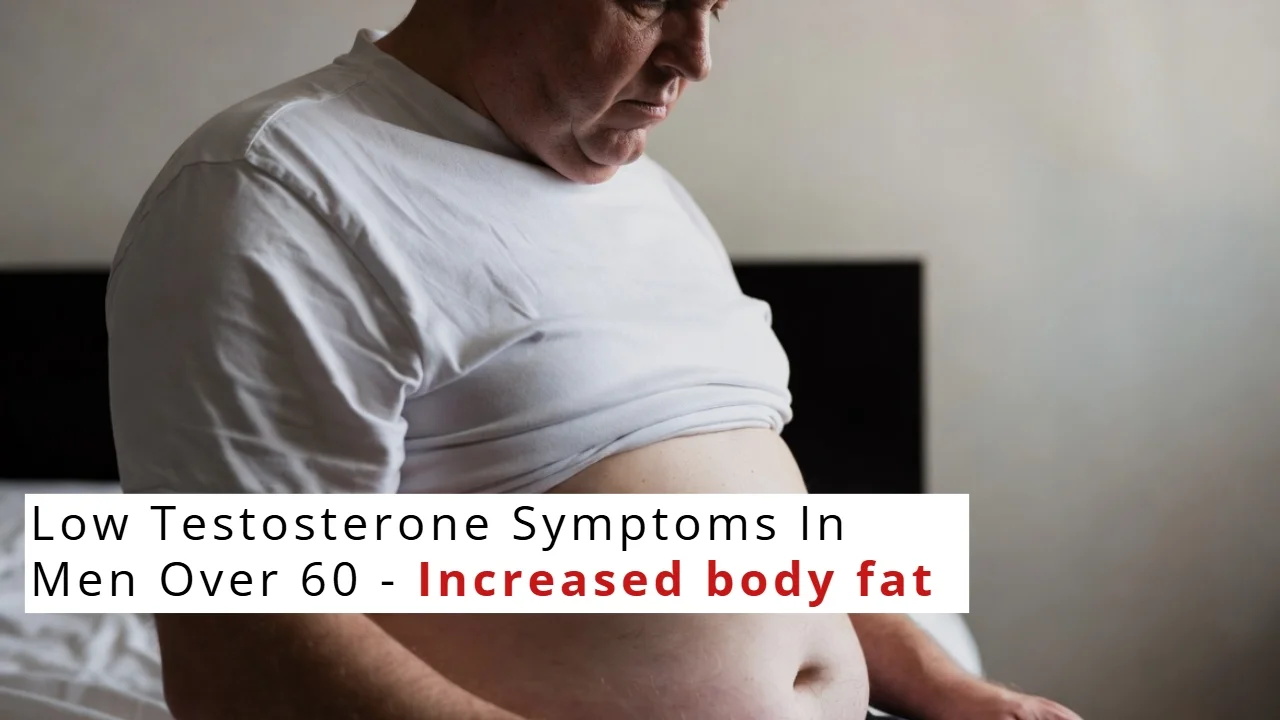
When testosterone drops, your body starts storing more fat – especially around the waistline. This is sometimes called a "spare tire."

Belly fat is not just about appearance. It releases harmful substances that can lead to inflammation and blood sugar problems.

πŸ“ Check your waist: A waist over 40 inches (102 cm) is linked to higher health risks.
🦴

Weaker Bones

Testosterone helps keep your bones strong. When levels drop, bones can become weak and brittle. This condition is called osteoporosis.

By age 70, men are about twice as likely to develop weak bones compared to younger men. This raises the risk of fractures from minor falls.

⚠️ Hip fractures after 60 can be serious. Weight-bearing exercise (like walking) and calcium/vitamin D are important for bone health.
😴

Poor Sleep

Sleep and testosterone affect each other. Poor sleep can lower testosterone, and low testosterone can make sleep worse.

This creates a downward spiral: you sleep poorly, your testosterone drops further, and you feel even more tired the next day.

πŸ’‘ Aim for 7-9 hours of quality sleep. Avoid screens, caffeine, and large meals before bed.
πŸ˜”

Depression

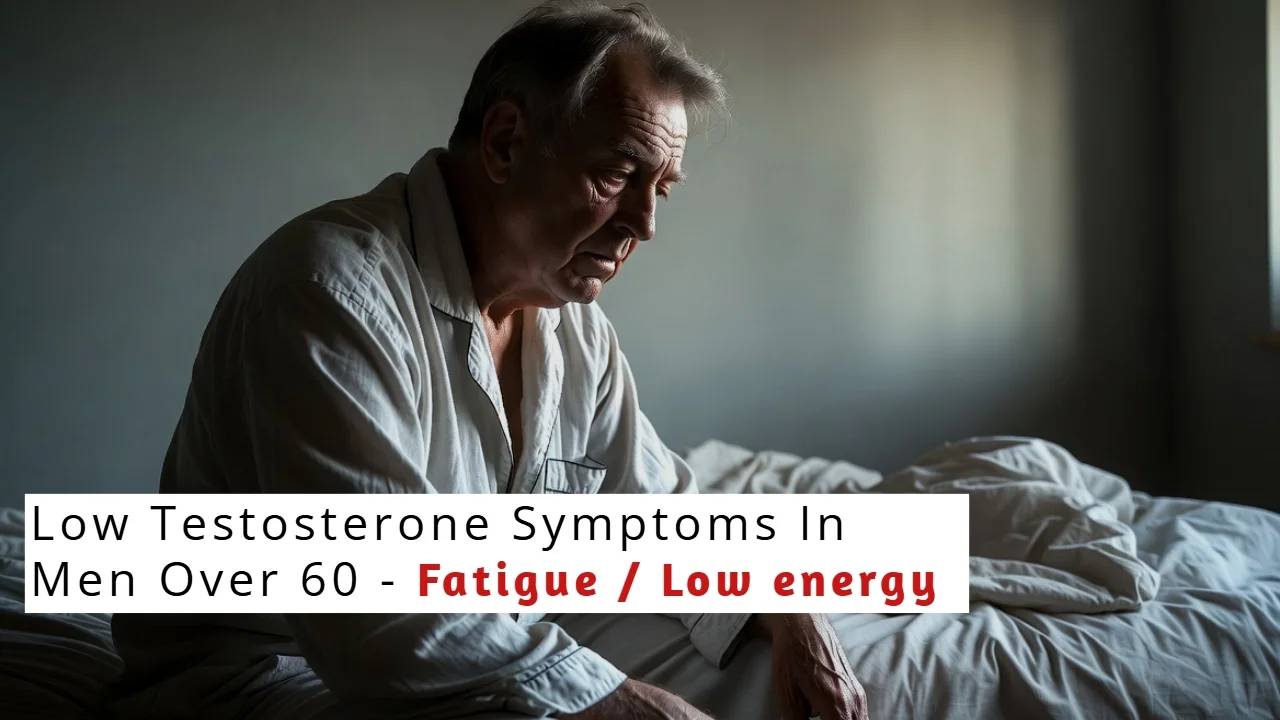
Depression is common among older men. Studies show that men with low testosterone are more likely to feel depressed.

If you have lost interest in activities you used to enjoy, feel sad most of the time, or have low energy – low testosterone could be part of the reason.

🧠 Important: If you're experiencing persistent sadness or loss of interest, talk to your doctor. A simple blood test can check your hormone levels.
🩸

Blood Sugar Problems

Type 2 diabetes affects how your body uses sugar for energy. Men with diabetes are more likely to have low testosterone.

Low testosterone can make it harder to control blood sugar. This affects your energy, mood, and muscle strength – not just your blood sugar numbers.

πŸ“‹ Know your numbers: Regular blood sugar and testosterone checks can catch problems early.
πŸ”₯

Body Inflammation

Inflammation is the body's response to irritation or injury. But long-term (chronic) inflammation is harmful and linked to arthritis and heart disease.

Research shows that people with higher inflammation levels are more likely to have low testosterone. Reducing inflammation can help support healthy hormone levels.
πŸ₯— Foods that fight inflammation: Leafy greens, fatty fish (salmon), nuts, berries, and olive oil.
Low Testosterone In Men
⚠️ Medical Disclaimer: Low testosterone can be caused by underlying health conditions. Hormone therapy has risks. Always consult your doctor before starting any new treatment or supplement.

πŸ“Š Want to know what's "normal" for your age? See Testosterone Levels by Age β†’

*Includes normal ranges for men over 50, 60, and 70, plus symptoms in both men and women.

πŸ’ͺ Say Goodbye To Low Testosterone With These Tips

Are you ready to take back your energy, strength, and confidence? With the right lifestyle adjustments, you can say goodbye to low testosterone and enjoy a healthier, more vibrant life. Understanding how low testosterone levels for men affect overall health is the first step toward improving hormonal balance.

πŸ“‹ Lifestyle Habits for Better Hormone Health

πŸƒβ€β™‚οΈ

Exercise Regularly

Improves circulation, reduces inflammation, and supports healthy hormone levels.

πŸ’‘ Try brisk walking, light strength training, or Tai Chi – start with 15 minutes daily.
βš–οΈ

Maintain a Healthy Weight

Excess body weight raises the risk of prostate problems and contributes to low testosterone levels for men.

πŸ’‘ Even losing 5-10% of body weight can improve hormone levels.
🍷

Limit Alcohol

Excessive alcohol intake is linked to prostate cancer and hormone imbalance.

πŸ’‘ Stick to 1-2 drinks per day maximum – or none for best results.
🚭

Quit Smoking

Smoking increases the risk of prostate disease and negatively affects testosterone.

πŸ’‘ Your doctor can help with cessation programs – it's never too late to quit.
πŸ’§

Stay Hydrated

Adequate water intake supports urinary and prostate health.

πŸ’‘ Aim for 6-8 glasses of water daily. Keep a bottle by your chair as a reminder.
🧼

Good Hygiene

Reduces infection risks that can impact both prostate and hormone balance.

πŸ’‘ Daily showers and proper bathroom habits help prevent urinary tract infections.
🩺

Prostate Screenings

Early detection can save lives and ensure long-term vitality.

πŸ’‘ Men over 50 should discuss PSA testing with their doctor annually.
⚧️

Low Testosterone: Not Just a Men's Issue!

Did you know that low testosterone levels don't just affect men? While the topic is most often associated with low testosterone levels for men, women also produce this hormone – just in smaller amounts. When levels fall below normal, both men and women can experience symptoms that disrupt daily life.

πŸ‘¨ For Men

  • Fatigue – Low energy even after sleeping well
  • Reduced libido – Loss of sexual desire
  • Muscle loss – Harder to stay strong
  • Mood swings – Irritability or depression
  • Brain fog – Difficulty concentrating

πŸ‘© For Women

  • Low energy – Feeling tired all the time
  • Weight gain – Especially around the belly
  • Low sex drive – Loss of interest in intimacy
  • Depression – Persistent sadness or apathy
  • Poor sleep – Trouble falling or staying asleep

πŸ›‘οΈ Ready to fight back against low testosterone? Get Natural Boosting Tips β†’

*Includes foods to avoid, muscle-saving exercises, and lifestyle changes that work after 60.

πŸ“‹ Summary: Take Control of Your Hormone Health

Low testosterone in men is common after 60, but it is not inevitable. Recognizing low testosterone symptoms in men – such as fatigue, muscle loss, low libido, and mood changes – is the first step toward reclaiming your energy and vitality.

By understanding how to boost testosterone naturally – through strength training, quality sleep, stress reduction, and a hormone-supporting diet – you can fight back against low testosterone in men without medication. Many men see improvement within weeks.

However, if low testosterone symptoms in men persist despite lifestyle changes, see your doctor for a simple blood test. Treatment options are available, and addressing the root cause can dramatically improve your quality of life.

πŸ“Œ Your 3-Step Action Plan:

  1. πŸ“‹ Track your symptoms using our free Low T Symptom Tracker (download below)
  2. πŸ‹οΈ Add one strength training session (even 15 minutes) to your weekly routine
  3. 🩺 Schedule a doctor's appointment to discuss a simple blood test

πŸ’™ Your energy, strength, and confidence can improve at any age. Start with one small change today.

πŸ“‹ Free Download: Low T Symptom Tracker

Track your symptoms, daily habits, and prepare for your doctor's appointment.

πŸ”’ We respect your privacy. Unsubscribe anytime. We do not share your information.

πŸ“±

Join the Conversation

Connect with us for daily tips, healthy aging inspiration, and community support across your favorite platforms.

✨ Respectful discussions and shared experiences are always welcome in our community.
Please follow and like us:

3 thoughts on “Low Testosterone in Men Over 60: Signs & Natural Solutions”

  1. This article was a wakeup call for me! I never knew how much sleep affected testosterone levels. For those who’ve improved their sleep patterns, did you see a noticeable change in your energy throughout the day?

  2. Thanks for sharing this! Do you think stress management could also play a role in boosting testosterone levels? I’m curious because I’ve noticed my energy dips when I’m more stressed out.

Leave a Reply

Your email address will not be published. Required fields are marked *