
Table of Contents
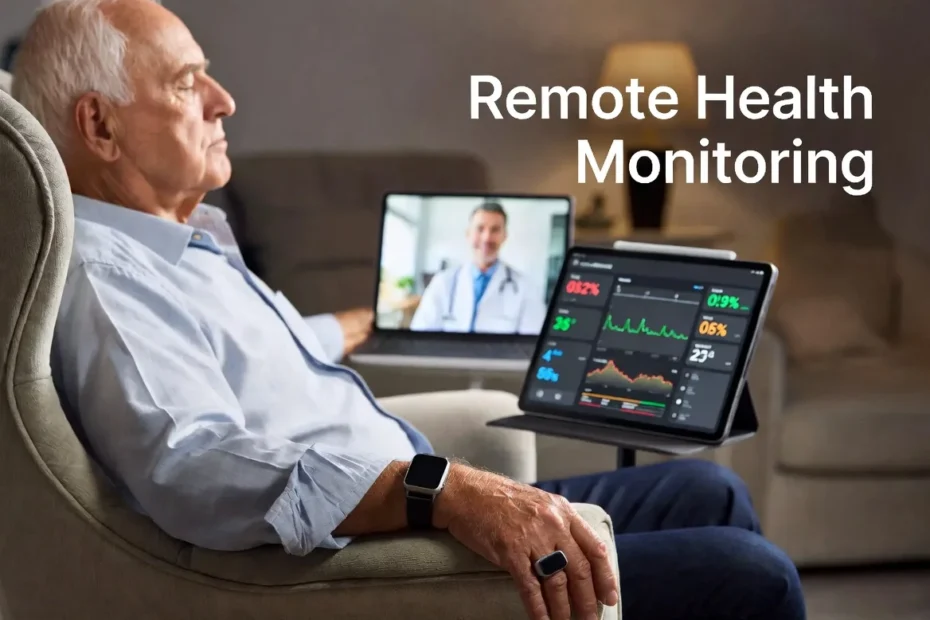
ToggleImagine checking your blood pressure with your smartphone in under 20 seconds, or having a smartwatch that alerts your doctor if your heart rhythm becomes irregular. For adults over 50, healthcare innovation isn't about futuristic concepts—it's about practical tools that keep you independent, reduce doctor visits, and give you peace of mind. This guide explores the most impactful healthcare technologies for seniors, (Remote Health Monitoring for Seniors ) from AI-powered monitoring to telemedicine, and shows you how to use them to take control of your health today.
Healthcare Innovation for Healthy Aging · Over 50
Why Healthcare Innovation Matters for People Over 50
Healthcare innovation isn't about futuristic concepts—it's about practical tools that keep you independent, reduce doctor visits, and give you peace of mind. For adults over 50, remote health monitoring for seniors and other digital solutions can transform daily life. From smartwatches that detect falls to smartphone apps that measure blood pressure, these technologies help you stay in control of your health.
This guide explores the most impactful healthcare innovations for older adults, with a special focus on remote health monitoring for seniors—showing you how to use these tools to manage chronic conditions, avoid hospital visits, and age confidently at home.
Key Healthcare Innovations at a Glance
These innovations are making remote health monitoring for seniors more accessible and effective than ever.
1. Stay Independent with Remote Health Monitoring (Wearables & Telemedicine)
Smartwatches and fitness trackers do more than count steps. Today's devices detect falls, monitor heart rhythm (ECG), and track blood oxygen levels—sending alerts to family or caregivers if something seems off. This is the heart of remote health monitoring for seniors, giving you and your loved ones peace of mind.
Virtual doctor visits let you consult with healthcare providers from home. No waiting rooms, no travel—just a video call on your phone or tablet. For managing chronic conditions, this convenience means more frequent check-ins and better adherence to treatment plans.
From medication reminders to symptom trackers, health apps turn your phone into a personal health assistant. Many apps now integrate with wearables and send data directly to your doctor, creating a seamless loop of care. This is the new standard for remote health monitoring for seniors.
2. Manage Chronic Conditions from Home (Blood Pressure, Diabetes)
High blood pressure is a silent threat—but smartphone-based tools now make it easy to track. By placing a fingertip on your phone's camera, apps like Biospectal OptiBP deliver medical-grade blood pressure readings in under 20 seconds. This allows you to monitor your levels daily and share data with your doctor without leaving home.
Continuous glucose monitors (CGMs) have become smaller, more accurate, and more affordable. They send real-time glucose readings to your phone, eliminating painful finger-prick tests. Many systems now alert you when your levels are trending too high or low—helping you stay ahead of dangerous swings.
What it is: A patented mobile app that turns your smartphone into a medical-grade blood pressure monitor.
How it works: Place your fingertip on the phone's camera. The app captures optical data from blood flow and uses proprietary algorithms to translate it into real-time systolic and diastolic readings—all in under 20 seconds.
Why it matters: Traditional cuffs are bulky and often used incorrectly. OptiBP makes monitoring effortless, which leads to better adherence and more accurate data for your doctor. This is a prime example of remote health monitoring for seniors done right.
Global impact: With over 1.5 billion people expected to have hypertension by 2025, smartphone-based monitoring offers a scalable solution—especially in rural or underserved communities where access to care is limited.
3. How to Get Started with Health Tech (Simple, Actionable Steps)
Talk to Your Doctor
Ask which remote monitoring tools they recommend for your specific conditions.
Start with One Device
Begin with a simple smartwatch or a blood pressure app—don't overwhelm yourself with too many tools at once.
Learn & Practice
Watch tutorials, ask family for help, and use the device consistently for a few weeks to build a routine.
Share Your Data
Make sure your device can share reports with your healthcare team. Regular data sharing turns monitoring into a collaborative effort for better health outcomes.
Reduce expensive hospital visits. Remote monitoring helps catch issues early, preventing complications that lead to ER visits or hospital admissions. Telehealth visits are often cheaper than in-person appointments and save you travel costs.
Monitor from anywhere. Take your blood pressure or check your glucose while watching TV or making coffee. No traffic, no waiting rooms, no time off work. Data syncs automatically to your provider, making follow-ups more productive.
Stay safe at home. Fall detection, medication reminders, and vital sign alerts give you and your family confidence that you're protected. For adults over 50, this remote health monitoring for seniors is about preserving dignity, independence, and quality of life.
The best health apps for older adults are those that are simple, intuitive, and address specific needs. Popular categories include:
- Medication reminders: Apps like Medisafe or Pill Reminder help you stay on track with prescriptions.
- Blood pressure monitoring: Apps like Biospectal OptiBP turn your smartphone into a medical-grade monitor.
- Fitness and activity tracking: MyFitnessPal and Apple Health integrate with wearables to track steps, sleep, and more.
- Mental wellness: Headspace and Calm offer guided meditation and sleep stories.
Pro tip: Look for apps with large text, high-contrast colors, and voice-control options. Many apps now offer "senior mode" for simplified navigation.
AI in healthcare for seniors is transforming care in several ways:
- Predictive analytics: AI analyzes health data to predict falls, hospital readmissions, or medication non-adherence.
- Diagnostic support: AI-powered tools help doctors detect conditions like diabetic retinopathy or heart arrhythmias earlier.
- Virtual assistants: Voice-activated devices like Amazon Alexa offer medication reminders, emergency calls, and even social companionship.
- Personalized health recommendations: AI learns your patterns and suggests adjustments to diet, exercise, or sleep for better outcomes.
For example, AI-enabled wearables can alert caregivers if a senior's movement pattern changes, potentially preventing a fall before it happens.
Yes, most FDA-cleared wearables are safe and accurate for everyday use. However, it's important to:
- Choose FDA-cleared devices for medical-grade features like ECG or blood pressure monitoring.
- Understand limitations: Wearables are screening tools, not diagnostic devices. Always share data with your doctor for professional interpretation.
- Ensure proper fit: A loose watch can affect heart rate accuracy. Follow manufacturer guidelines for best results.
Popular choices for seniors include the Apple Watch (with fall detection), Fitbit (with heart rate monitoring), and Garmin (with GPS safety features).
Data privacy is a top concern for seniors. Here's what to look for:
- HIPAA compliance: Apps that share data with your doctor should be HIPAA-compliant in the U.S. or follow equivalent data protection laws.
- Encryption: Ensure the app uses end-to-end encryption for data transmission.
- Read the privacy policy: Avoid apps that sell your data to third parties without explicit consent.
Stick with well-known brands and apps recommended by your healthcare provider to minimize risk.
Technology offers a comprehensive safety net for aging in place:
- Fall detection wearables that automatically call for help.
- Smart home devices like voice-activated lights, thermostats, and door locks.
- Medication dispensers with alarms and auto-locking features to prevent double dosing.
- Video doorbells and security cameras for remote monitoring by family members.
These tools are designed to give you independence while giving your loved ones peace of mind.
Many seniors feel intimidated by new technology, but there are many resources to help:
- In-app tutorials and video guides are often built into the device.
- Local community centers and libraries offer free tech classes for seniors.
- Family and friends can help you set up and practice.
- Tech support lines for seniors are available from many device manufacturers (e.g., Apple's senior support line).
Start with one device, master it, and then add more as you feel comfortable.
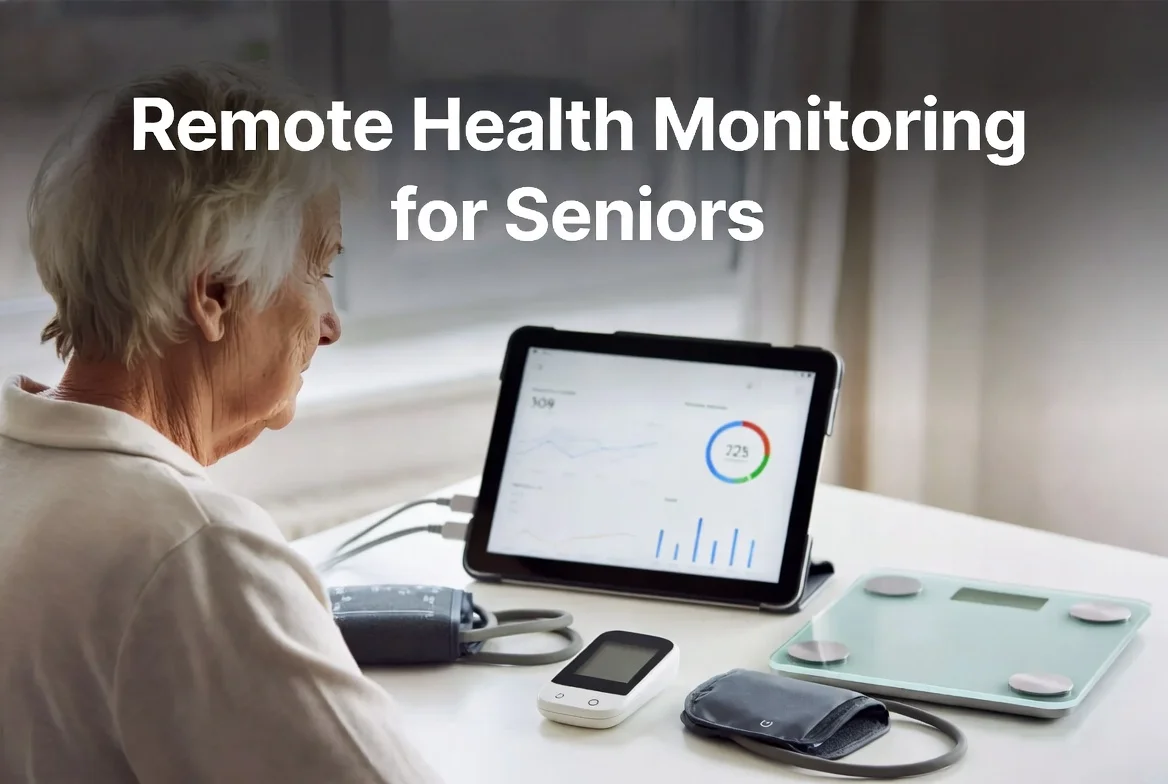
Remote health monitoring for seniors uses digital devices to track vital signs, activity levels, and symptoms from home. Data is transmitted wirelessly to healthcare providers who can review it and intervene if needed. Common tools include:
- Wearable devices (smartwatches, fitness trackers) that monitor heart rate, sleep, and activity.
- Home medical devices (blood pressure cuffs, glucose monitors, pulse oximeters) that sync with apps.
- Mobile health apps that collect and share data with your care team.
- Smart home sensors that detect movement patterns and alert caregivers to potential issues.
This continuous flow of information helps doctors make more informed decisions and catch problems early—before they become emergencies.
Yes—extensive research shows that remote health monitoring for seniors leads to better health outcomes. Key benefits include:
- Lower blood pressure in hypertensive patients (studies show reductions of up to 10 mmHg systolic).
- Better glucose control for diabetics, with reduced HbA1c levels.
- Fewer hospital readmissions, especially for heart failure patients.
- Early detection of issues like arrhythmias, infections, or declining mobility.
The key is consistency—the more regularly you monitor, the better your care team can adjust your treatment plan.
Remote health monitoring for seniors is increasingly covered by Medicare and private insurers:
- Medicare Part B covers remote patient monitoring (RPM) for certain chronic conditions, including hypertension, diabetes, and heart failure.
- Medicare Advantage plans often include RPM as a supplemental benefit.
- Private insurers are expanding coverage, especially for patients with multiple chronic conditions.
- Out-of-pocket costs vary—some devices are fully covered, while others may require a copay or deductible.
Check with your provider and insurance company to understand your specific coverage. Many companies have dedicated RPM programs you can enroll in.
Absolutely. Remote health monitoring for seniors is designed to be accessible, even for those who aren't comfortable with technology. Here's how:
- Simplified devices: Many monitors have one-touch operation and large, easy-to-read displays.
- Voice control: Smart speakers like Amazon Echo or Google Nest can set reminders and even place emergency calls.
- Family support: You can share device access with a family member who can help with setup and troubleshooting.
- Setup assistance: Many providers offer in-home setup and training for new users.
Start with one simple device—like a blood pressure monitor that automatically syncs to an app—and build confidence over time. You don't need to become a tech expert to benefit from these tools.
Explore more: Wellness Technology for Over 50 | Healthcare Technology Trends
📢 share this article
✨ tap to share — help others crack the comment code


Healthcare innovations are constantly shaping the medical landscape, improving patient care, and transforming the healthcare industry as a whole
thank you for your comment on my post about healthcare innovations. I appreciate your interest in this topic. Healthcare innovations are indeed a fascinating and dynamic area, continually transforming the industry to improve patient care and outcomes.
Innovative tech is revolutionizing healthcare! From telemedicine to AI diagnostics, these advancements call for content that educates and engages both patients and practitioners.
Absolutely! These innovative healthcare solutions are paving the way for a healthier future. It’s inspiring to witness the power of technology and creative thinking in addressing the challenges we face. Let’s keep pushing for progress! #HealthTech #InnovativeHealthcare #HealthcareForward
Healthcare innovation is a rapidly evolving field that has the potential to transform the way we approach healthcare. I’m excited to see how the latest innovations in telemedicine, artificial intelligence, and machine learning are being used to improve patient outcomes and reduce healthcare costs
Exciting times ahead!
Adopting new technologies in healthcare facilities can significantly improve patient outcomes and operational efficiency. Yet, the integration of these technologies often requires overcoming substantial financial and training barriers, especially in under-resourced settings
Innovations in healthcare are truly shaping the future of medicine. It’s incredible to see how technology and new approaches are revolutionizing patient care and outcomes
The debate around healthcare innovation often revolves around challenges we face versus the potential for quick solutions.
Your article helped me a lot, is there any more related content? Thanks!