
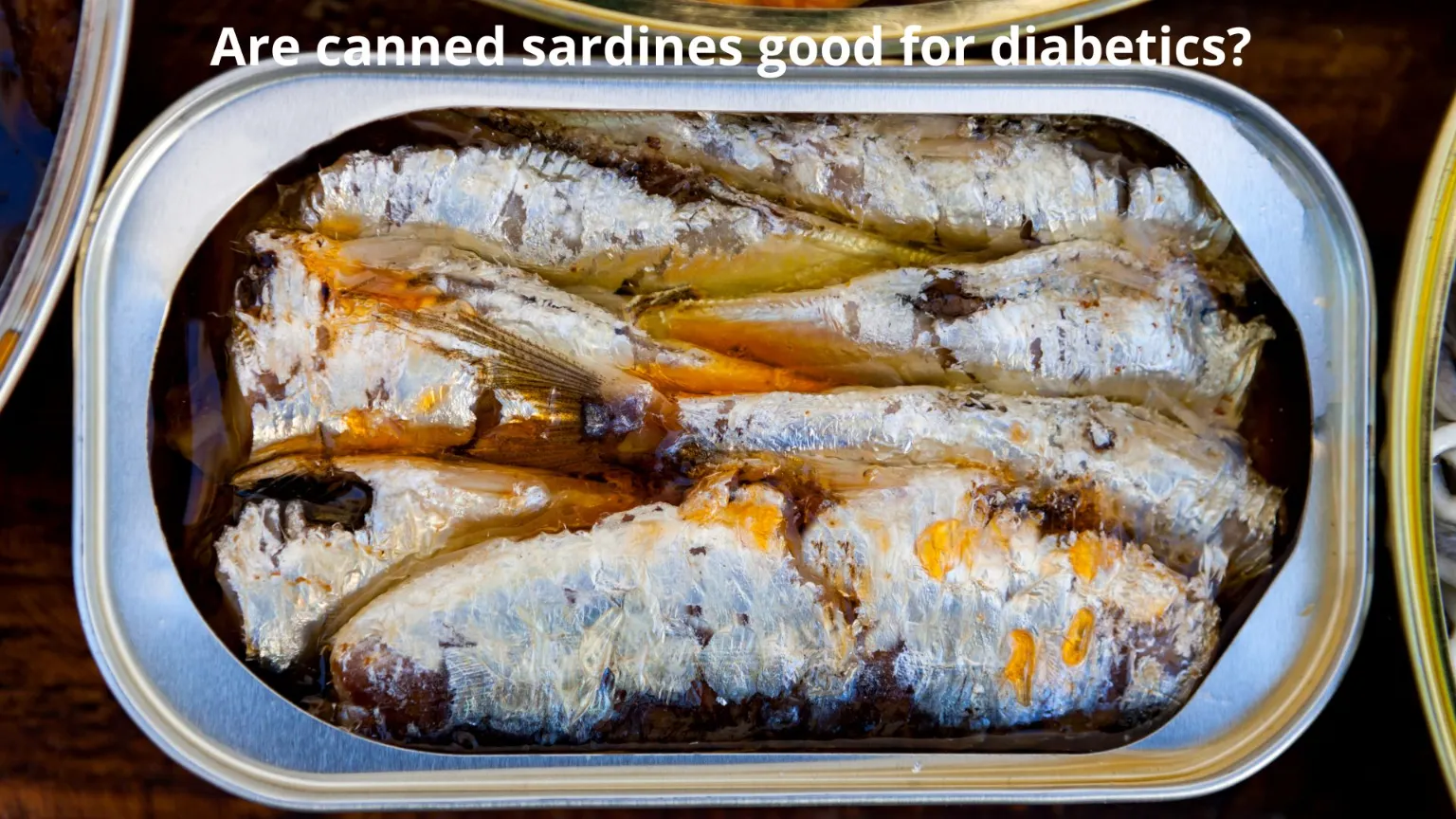
Sardines in a Can: Are you diabetic and looking for a healthy protein source for your diet? Look no further than sardines and sardine meal, a nutrient-rich fish often overlooked in favor of more popular options like salmon or tuna. Sardines are not only delicious and versatile, but they also offer a variety of health benefits for diabetic patients.
Sardines are trending heavily in 2026 as a sustainable, budget-friendly alternative to salmon.
When discussing budget-friendly, nutrient-dense pantry staples, few items rival the mighty Sardines in a Can. These small, oily fish are revered by nutritionists for their incredibly high levels of Omega-3 fatty acids (EPA and DHA), essential for brain and heart health. They also provide a rare dietary source of Vitamin D and are loaded with calcium thanks to their soft, edible bones.
While Sardines in a Can set the gold standard for convenience and health, they are just one part of a robust canned fish selection. To diversify your diet and maximize variety, it’s smart to consider other low-mercury, high-protein canned options. Discovering alternatives to the excellent Sardines in a Can ensures your pantry is fully stocked with the best protein source the sea has to offer.
| Pros of Sardines in a Can | Cons of Sardines in a Can |
|---|---|
|
|
Rich in Omega-3 Fatty Acids
Sardines are rich in omega-3 fatty acids, which offer numerous health benefits, particularly for individuals with diabetes. Omega-3s help reduce inflammation, improve heart health, and enhance insulin sensitivity. This can lead to better blood sugar control and a lower risk of cardiovascular complications, which are common among diabetics.
Low in Carbohydrates
One of the main challenges for people with diabetes is managing carbohydrate intake to control blood sugar levels. Sardines are naturally low in carbohydrates, making them a perfect protein source that won’t cause a spike in blood sugar. Incorporating low-carb foods like sardines can help maintain stable glucose levels throughout the day.
Packed with Nutrients
Sardines are a good source of essential nutrients, including vitamin D, calcium, and selenium. Vitamin D is crucial for bone health and immune function, while calcium supports strong bones and teeth. Selenium is a powerful antioxidant that helps protect cells from damage. These nutrients contribute to overall well-being and can help mitigate some of the health challenges associated with diabetes.
Easy to Incorporate into Meals
Sardines are versatile and easy to incorporate into a variety of dishes. Whether you enjoy them grilled, in salads, or mixed with vegetables, sardines can be a tasty and convenient addition to your meal plan. Their robust flavor enhances simple dishes, making healthy eating enjoyable and satisfying. Incorporating sardines into your diabetic meal plan is a smart choice for anyone looking to improve their health and manage diabetes effectively. With their impressive nutrient profile and health benefits, sardines genuinely are a superfood that can support your journey to better health.
Hate the smell? Make Canned Sardines Gourmet
If you’ve avoided this superfood because of the "fishy" stigma, you’re missing out on the most efficient protein in the pantry. Turning sardines from a "survival food" into a gourmet meal is all about acid, heat, and texture.
Tuna (High Mercury) vs. Sardines (Low Mercury)
Tuna, a high-level predator, bioaccumulates significant mercury over its long lifespan, necessitating limited consumption. Conversely, sardines sit at the bottom of the food chain; their short lives and plankton-based diet result in negligible mercury levels, making them a safer, cleaner choice for frequent, heart-healthy, and neuroprotective meals.
Sardines, the Superfood & ultimate efficiency food.
Sardines are a powerhouse of nutrition, making them an excellent addition to any diabetic meal plan. Sardines are low in carbs, high in omega-3s, and perfect for diabetic-friendly healthy dieting plans.
🐟 Sardines and Omega Fatty Acids: Why Your Body Thanks You
🚀 Omega-3s: EPA & DHA Powerhouses
- Reduce inflammation
- Support memory and mental clarity
- Improve cholesterol and lower blood pressure
- Decrease the risk of heart disease
🛡️ Safer Seafood Choice (Low Mercury)
🦴 Nutritional Profile Beyond Omega-3s
- Strong bones and teeth
- A robust immune system
- Healthy muscles and efficient repair
🩸 Sardines for Diabetics & Blood Sugar
📉 Sardines and Blood Pressure
⚖️ Fat Loss, Satiety & Potassium
🦴 Why Sardines Beat Milk for Calcium?
Sardines for Weight Loss? Absolutely — Here’s Why
Sardines are among the most underrated superfoods for healthy, sustainable weight loss. These small fish are packed with protein, which helps promote satiety, reduce cravings, and support muscle maintenance—key factors for anyone trying to shed pounds.
In addition to their protein content, sardines are rich in omega-3 fatty acids, which have been shown to help reduce inflammation, support metabolism, and even improve insulin sensitivity. This makes them especially helpful for those on low-carb or anti-inflammatory diets.
Sardines are also low in calories, carb-free, and loaded with nutrients like vitamin D, calcium, and B12, making them a wise choice for nutrient-dense eating. Plus, they’re inexpensive, shelf-stable, and incredibly versatile—perfect for quick meals or snacks.
If you’re following a high-protein diet for weight loss or just looking for clean, nourishing foods, sardines deserve a spot on your plate.
The Smart-Pairing Guide
Maximize your nutrition! Pair your low-mercury sardines with these low-GI powerhouses for stable energy:
Healthy fats in avocado combine with Sardine Omega-3s to improve heart health and keep you full for hours.
Adding fiber-rich chickpeas creates a "Sardine Salad" that stabilizes blood sugar and supports gut microbiome.
Vitamin C from lemon enhances the absorption of the non-heme iron found in sardines—perfect for fighting anemia.
A hydrating, zero-carb base that lets the savory "umami" flavor of the sardines shine without adding calories.
| Fish Type | Omega-3 Fatty Acids | Protein (per 100g) | Mercury Level | Calcium Content | Disease Risk Factors / Health Benefits |
|---|---|---|---|---|---|
| Sardines | High (EPA & DHA) | ~25g | Low | Very High (bones included) | – Supports heart & brain health – Anti-inflammatory – Excellent for bone health – Safe for frequent consumption |
| Anchovies | High (slightly less than sardines) | ~29g | Low | High (if bones included) | – Good for heart health – Anti-inflammatory – Strong umami flavor, but often high in sodium (watch for hypertension) |
| Swordfish | Moderate-High | ~20g | Very High (not recommended for children/pregnant women) | Low | – Rich in protein & selenium – Risk: High mercury content can affect nervous system & heart health |
| Tuna | Moderate (varies by species) | ~23-25g | Moderate-High (especially albacore) | Low | – High in protein & selenium – Risk: Mercury exposure – Canned versions may have high sodium |
Healthy Canned Fish
Here are some excellent, healthy fish that are commonly available canned, similar to Sardines in a Can:
Canned Salmon:
Why it’s Great: A powerhouse of Omega-3s (EPA and DHA), especially if you choose wild-caught Sockeye or Pink salmon, canned salmon often includes the soft, edible bones, which provide a massive boost of calcium—something you don’t typically get from other protein sources.
Canned Mackerel:
Why it’s Great: Mackerel is small, fast-growing, and sustainable, with a flavor profile often described as richer than tuna but milder than sardines. Like Sardines in a Can, mackerel is very high in Omega-3s and low in mercury.
Canned Anchovies:
Why it’s Great: While often used as a flavoring or seasoning, anchovies are incredibly nutrient-dense. They are usually packed in oil or salt, so look for varieties packed in olive oil and rinse them before consuming. They are tiny fish, meaning their mercury content is negligible, and they are loaded with Omega-3s and Vitamin D.
Canned Light Tuna:
Why it’s Great: Light tuna (like skipjack) tends to be smaller than albacore, making it a lower-mercury choice. It’s affordable, widely available, and a fantastic source of protein. Just be sure to check how it’s packed (water is generally lower in fat than oil).



I remember sardines but have not eaten it in a long time.
Give them a chance and tell me after
I have read your article carefully and I agree with you very much. This has provided a great help for my thesis writing, and I will seriously improve it
Enhance Mental Health with Sardines! The omega-3 fatty acids in sardines have been linked to improved mood and reduced risk of depression, making them a valuable addition to your diabetes management plan.
Fish like salmon, tuna, and mackerel are rich in omega-3 fatty acids, which can help reduce inflammation, support weight loss goals, and improve insulin sensitivity. Make a delicious and nutritious choice for your health!
For those with diabetes, choosing fish ,like sardines, as a protein option can be a smart choice. The omega-3 fatty acids in fish have been shown to improve insulin sensitivity and reduce inflammation, both of which are important factors in managing diabetes.
Thanks for sharing. I read many of your blog posts, cool, your blog is very good.