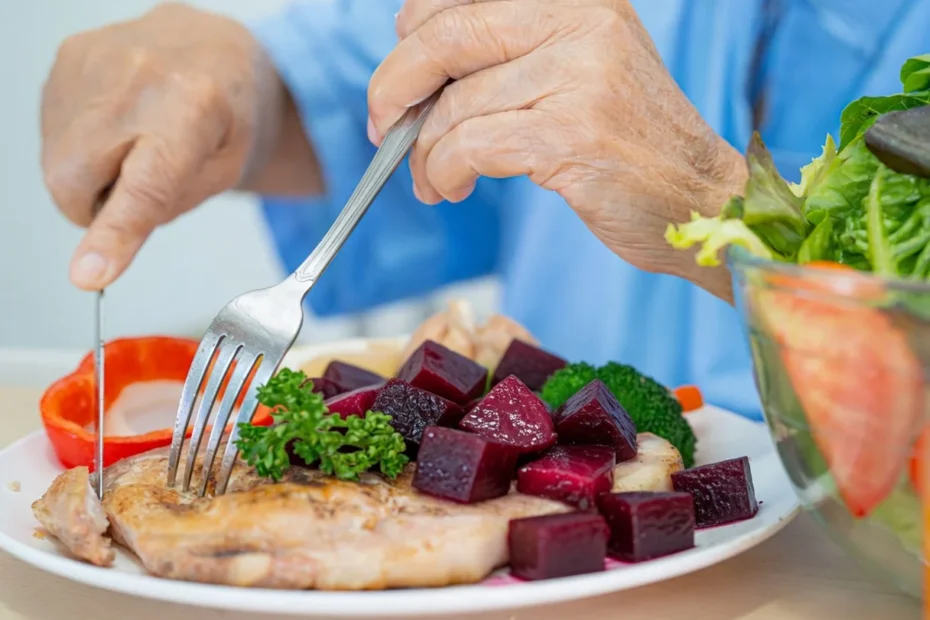
📘
Quick Summary: Beet Juice Benefits for Adults
-
❤️
#1 senior benefit: May help lower systolic blood pressure naturally. Studies show 8–10 oz (about 1 cup) daily can reduce top number by 4–5 points. Works best when drunk consistently for 2+ weeks.
-
⚠️
#1 risk to watch: High oxalates – limit to 3–4 times per week if you have a history of kidney stones. Drink plenty of water alongside beet juice to help flush oxalates.
-
⏰
Best time to drink: 60–90 minutes before physical activity (walking, gardening, climbing stairs, errands). This gives nitrates time to convert to nitric oxide for better blood flow and stamina.
🥤 Beet Juice Benefits for Adults & & Athletic Performance
🏊 Beet Juice & Athletic Performance
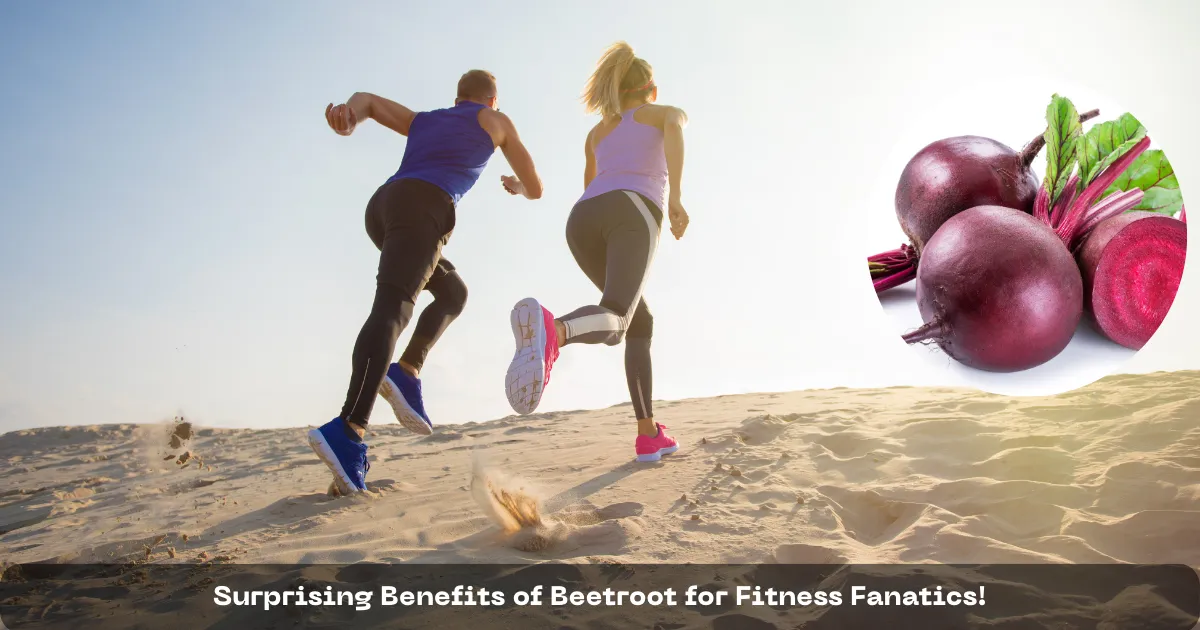
Studies on beet juice have explored its effects across several sports, including running, swimming, cycling, and power walking. One notable investigation involved fourteen healthy male master swimmers in their mid-to-late thirties.
Researchers evaluated how beetroot juice supplementation affected aerobic response during controlled swim tests, comparing performance with and without supplementation.
⚡ Enhanced Endurance
Swimmers who consumed beet juice significantly improved their anaerobic threshold, allowing them to swim longer before reaching exhaustion. The supplementation also reduced aerobic energy costs, helping athletes sustain exercise with less energy expenditure.
🫁 Oxygen Capacity & High Altitude
Beet juice may enhance oxygen efficiency under normal training conditions. However, its effectiveness at high altitudes remains less consistent due to reduced oxygen availability in the environment.
⛰️ Altitude Environment
A small study involving trained runners in simulated altitude conditions found increased nitrate levels after beet juice supplementation, but no measurable improvement in athletic performance.
Clinical reviews suggest that some athletes may not experience the expected performance benefits while training or competing at high altitudes.
🥫 Are Canned Beets as Healthy as Fresh Beets?
Canned beets retain most of the nutritional value found in fresh beets, making them a convenient and healthy option for many people. While fresh beets generally contain higher amounts of certain nutrients, canned varieties still provide valuable vitamins, minerals, and antioxidants.
Fresh beets contain roughly twice the phosphorus, potassium, and folate compared to canned beets. However, one cup of sliced canned beets still provides a meaningful source of folate, potassium, and phosphorus.
Canned beets are especially useful for busy lifestyles because they are pre-cooked, easy to store, and ready to eat. Choosing low-sodium or no-salt-added canned beets may provide an even healthier option.
🥗 Is It Better to Eat Beets Raw or Cooked?
Raw beets naturally contain higher levels of vitamins, minerals, and antioxidants than cooked beets. As with many vegetables, prolonged cooking—especially boiling—can cause some nutrients and colorful phytonutrients to leach into the water.
🔥 Healthier Cooking Methods
- Roasting: Helps preserve flavor, texture, and nutrients.
- Sautéing: Maintains more antioxidants compared to boiling.
- Steaming: A gentler cooking method that reduces nutrient loss.
Both raw and cooked beets offer health benefits, but lightly cooked or roasted beets may provide the best balance between taste, digestion, and nutrient retention.
You don't need to be an athlete to benefit from beet juice. For adults over 50, the nitrates in beets can make everyday activities feel easier and more enjoyable.
Walking Endurance
Studies show older adults who drank beet juice walked longer before feeling tired. Better blood flow means more oxygen to leg muscles.
Gardening & Chores
Bending, lifting, and raking require stamina. Drinking beet juice 1 hour before physical chores may reduce fatigue and help you work longer.
Climbing Stairs
Less windedness after climbing stairs is a common benefit reported by seniors who drink beet juice regularly. Nitric oxide improves circulation to the heart and legs.
💡 What seniors say: "I drink 8 oz of beet juice before my morning walk. I notice I don't get as tired and my walking pace has picked up naturally." – Carol, 67
🧪 The Science Behind Beetroot Performance
Nitrates & Nitric Oxide
- Beets are naturally rich in nitrates, which the body converts into nitric oxide.
- Nitric oxide helps dilate blood vessels and improves circulation.
- Improved blood flow enhances oxygen delivery to muscles during exercise.
- Better oxygen efficiency may help improve endurance and reduce fatigue.
Potential Benefits
- Improved Endurance: Beetroot may help delay fatigue during exercise.
- Lower Blood Pressure: Nitric oxide may support healthier blood pressure levels.
- Reduced Muscle Soreness: Some studies suggest beetroot may aid post-workout recovery.
Overall, beetroot appears to be a promising natural supplement for athletes seeking improved endurance, oxygen efficiency, and exercise performance.
Beet juice is safe for most healthy seniors, but the following groups should talk to a doctor first or limit intake:
- 🪨 History of kidney stones – Beets are high in oxalates, which can contribute to calcium oxalate stones. Limit to 3–4 times per week and drink plenty of water.
- 💊 Low blood pressure or blood pressure medication – Beet juice can lower pressure further. Monitor your numbers and consult your doctor, especially if you take nitrates or beta-blockers.
- 🩸 Blood thinners (warfarin, etc.) – Beets are high in vitamin K, which can affect clotting. Keep intake consistent and inform your doctor.
- 🩸 Iron overload (hemochromatosis) – Beets are rich in iron. Those with iron absorption disorders should limit intake.
💡 Senior tip: If you're unsure, start with a small 4 oz serving (half cup) and see how you feel. Always tell your doctor about any new supplements or dietary changes.
❓ Frequently Asked Questions: Beet Juice & Seniors
Yes, it can. Beet juice naturally lowers blood pressure by increasing nitric oxide. If you already take blood pressure medication (especially ACE inhibitors, beta-blockers, or calcium channel blockers), adding beet juice may cause your pressure to drop too low — leading to dizziness, lightheadedness, or falls.
Senior safety tip: If you take blood pressure meds, start with a small 4 oz serving and monitor your numbers. Always tell your doctor before adding beet juice to your daily routine. Do not replace your medication with beet juice.
Yes, if you are prone to calcium oxalate stones. Beets are naturally high in oxalates, which can bind with calcium to form kidney stones in susceptible individuals. Seniors with a history of kidney stones should limit beet juice to 3–4 times per week, not daily.
Safe consumption tips:
- Drink plenty of water alongside beet juice to help flush oxalates
- Pair with calcium-rich foods (yogurt, cheese) to bind oxalates in the gut before they reach the kidneys
- Start with a small serving (4 oz) and see how your body responds
If you have had a kidney stone before, talk to your doctor before adding beet juice to your diet.
Morning, 60–90 minutes before physical activity or with breakfast.
Nitrates in beet juice take about 1-2 hours to convert into nitric oxide. Drinking it in the morning helps:
- Lower morning blood pressure surge (when heart attack risk is highest)
- Improve stamina for daily activities (walking, gardening, errands)
- Establish a consistent daily habit
Avoid drinking beet juice right before bed, as it may cause a blood pressure dip overnight. For best results, drink 8–10 oz at the same time each day for at least 2 weeks.
Not immediately, but within 1–3 hours. Studies show that blood pressure can start to drop as soon as 60 minutes after drinking beet juice, with peak effects around 2–3 hours after consumption. However, these effects are temporary (lasting 4–6 hours).
For sustained blood pressure benefits, you need to drink beet juice consistently for 2–4 weeks. Long-term use can lead to a modest but meaningful reduction (4–5 points in systolic pressure). Beet juice is not a "rescue" treatment for sudden high blood pressure — seek medical help for emergencies.
Both work, but each has pros and cons for seniors:
- Fresh beet juice: Higher nutrient density, no additives. But requires juicing equipment, time, and cleanup. Fresh beets are seasonal and can be expensive.
- Beet powder: Convenient, shelf-stable, easy to mix into water or smoothies. Look for powders with no added sugar or fillers. Quality varies by brand.
Senior recommendation: If you have arthritis or limited hand strength, beet powder is much easier to use daily. Mix 1 teaspoon into a glass of water or add to morning smoothies. Start with half the recommended dose to test tolerance.
Studies show that drinking even half a cup of beetroot juice (225 ml) can lower blood sugar levels. This means beets are beneficial for people with diabetes, supporting better glucose management while providing the benefits of beet juice.
However, portion control matters. Stick to 4–8 oz per serving and pair with a source of protein or fiber (like nuts or yogurt) to slow sugar absorption.
Yes! Beetroot juice improves blood sugar control, reduces blood pressure, and lowers the risk of heart disease and type 2 diabetes. Unlike some medications, it comes with no harmful side effects when consumed in moderation, making it a natural option for those seeking beet juice for blood pressure support.
Monitor your blood sugar when first trying beet juice, as individual responses vary.
Both have nutritional value. Fresh beets provide higher phosphorus, potassium, and folate. However, canned beets still offer significant nutrients — 1 cup provides 14% of daily folate and 4% of potassium and phosphorus needs.
Watch for added sodium in canned beets. Look for "no salt added" or "low sodium" versions, and rinse before eating.
Raw beets contain more vitamins, minerals, and antioxidants. Cooking, especially boiling, can reduce nutrient levels as phytonutrients leach into water. Roasting or sautéing helps retain the benefits of beet juice and antioxidants found in beets.
Best for seniors: Roasted beets (easier to chew than raw) or lightly steamed. If you have dentures or chewing difficulties, beet juice or pureed beets are excellent alternatives.
Beets support health by lowering blood pressure and protecting against oxidative damage. However, they may temporarily change the color of their urine or stool (red or pink — harmless but can be startling).
Individuals with oxalate kidney stones should exercise caution, as high oxalate levels can exacerbate the side effects of beet juice. Start with small amounts.
People with kidney or gallbladder stones should limit beetroot intake. Its oxalate content increases the risk of stone formation, making it unsuitable for those with pre-existing stone problems, even though it provides excellent benefits for hypertension in others.
Also, those on blood thinners (warfarin) should keep beet intake consistent and inform their doctor, as beets contain vitamin K which affects clotting.
Start with 4 oz (½ cup) per day. If tolerated well after 1 week, increase to 8–10 oz (1 cup) per day. Most studies showing benefits for blood pressure and stamina used 8–10 oz daily.
Senior-specific guidelines:
- Do not exceed 12 oz per day (excess nitrates can cause headaches or digestive upset)
- Skip 1–2 days per week to prevent oxalate buildup if you have kidney concerns
- Drink with a meal to reduce the chance of stomach upset

Beet juice is a nutrient-rich drink that offers numerous health benefits for older adults seeking to support their overall well-being. Among the most important beet juice benefits for adults are improved circulation, enhanced oxygen delivery, increased energy levels, and support for cardiovascular health. Research suggests that beet juice for blood pressure may help promote healthy blood flow thanks to its naturally occurring nitrates, which the body converts into nitric oxide.
For those interested in beet juice benefits after 50, this vibrant beverage may also contribute to better endurance, reduced fatigue, and support for brain and heart function. Whether consumed fresh, cooked, or as part of a balanced diet, beet juice can be a simple addition to a wellness-focused lifestyle. Overall, the many beet juice benefits for adults make it a promising natural option for supporting vitality, performance, and long-term health as we age.
📢 share this article
✨ tap to share — help others crack the comment code


Beet juice is an absolute game-changer! It’s packed with antioxidants, which are like little superheroes for our health. They help combat inflammation, boost endurance, and even support heart health. Cheers to this vibrant elixir!
This post got me interested in trying beet juice for detoxification. Has anyone experienced noticeable health improvements after starting to drink it regularly? Would appreciate any tips on how to incorporate it daily!
Love how beet juice is a natural, clean way to improve performance!
I used to only think of beets for their nitrates and endurance benefits. But the idea that they can actually support fat burn is a huge bonus for any athlete aiming for a leaner physique.
Beets for the win! I’ve heard they’re great for endurance, but the connection to helping athletes burn fat is fascinating. Anyone notice a difference in their metabolism after adding beets to their diet?”