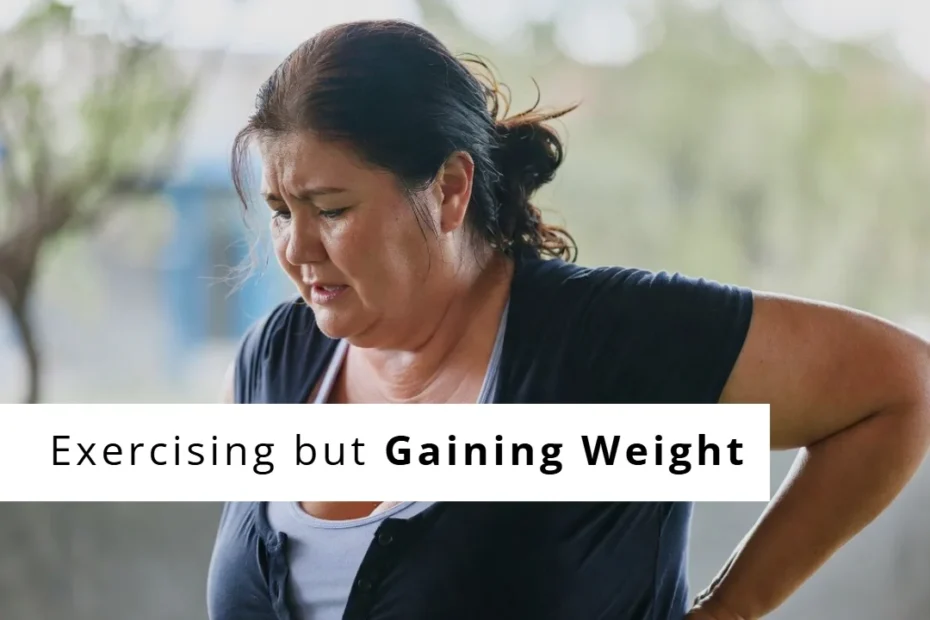
Exercising but gaining weight? You're not alone—and you're not imagining things. Many adults become frustrated when the scale goes up despite exercising consistently. You may be walking every day, spending more time at the gym, or increasing the intensity of your workouts—yet instead of seeing the results you expected, you notice stubborn weight gain, constant fatigue, or slower progress.
If this sounds familiar, take a deep breath. Exercising but gaining weight is a common and solvable problem, especially for those over 50. The answer isn't to quit—it's to understand what's happening beneath the surface.
Why Exercising More Doesn't Always Lead to Weight Loss
Healthy aging isn't about exercising harder—it's about exercising smarter. As we get older, our bodies naturally need more time to recover from physical activity. When we push too hard without adequate rest, we trigger a cascade of hormonal and metabolic changes that can actually cause weight gain while exercising.
Finding the right balance between movement, nutrition, sleep, and recovery is one of the most effective ways to support long-term wellness, maintain energy, and stay active. The good news? Once you understand why exercising but gaining weight happens, you can take simple, science-backed steps to reverse the trend and finally see the results you deserve.
Why Overtraining Causes Weight Gain: The Hidden Mechanisms
It seems counterintuitive—exercising more should lead to weight loss, right? But when your body is overworked, it triggers a cascade of physiological responses that can lead to the opposite effect. Here's what's happening beneath the surface.
The frustrating reality: Many people experience gaining weight while exercising and don't understand why. The answer often lies in overtraining—a state where your body is so chronically stressed that it begins working against your fitness goals.
🔗 The Direct Link: Overtraining & Weight Gain
Metabolic Slowdown
The Problem: When you constantly deny your body rest while demanding high energy output, it enters a protective state to conserve energy.
The Result: Your basal metabolic rate (BMR) drops. Your body becomes highly efficient at holding onto energy stores, making it incredibly easy to experience weight gain while exercising.
Cortisol & Chronic Stress
The Problem: Excessive training without adequate recovery spikes cortisol—your primary stress hormone. Chronically elevated cortisol signals your body to actively store fat, particularly around visceral abdominal organs.
The Result: You may notice stubborn weight gain around your midsection, which is a key structural indicator that your systemic stress levels are out of balance.
Appetite & Food Cravings
The Problem: Extreme physical depletion disrupts the delicate balance of your hunger hormones: ghrelin (which signals hunger) and leptin (which signals fullness).
The Result: This hormonal shift induces severe appetite spikes and hard-to-control cravings for fast-acting, high-calorie carbohydrates as your nervous system desperately seeks quick energy recovery.
📊 At a Glance: Why It Happens & How to Fix It
This table summarizes the core biological triggers behind overtraining-related weight stalls and provides actionable strategies to break the cycle.
| The Problem | Why It Causes Weight Gain | Your Action Plan |
|---|---|---|
| Chronic Stress & High Cortisol | Promotes visceral fat storage, drives system-wide inflammation, and blocks fat burning. | Incorporate low-intensity movement: drop 2 high-intensity sessions for dedicated walks or gentle mobility work. |
| Muscle Loss (Catabolism) | Depletes muscle tissue for fuel, lowering overall passive calorie-burning capacity. | Ensure protein intake targets 1.6–2.0g per kilogram of body weight to safeguard lean mass. |
| Appetite Dysregulation | Triggers unmanageable biological cravings for dense sugars, driving hidden caloric surpluses. | Focus on complex whole foods rich in fiber and healthy fats to stabilize blood glucose drops. |
| Inadequate Recovery Sleep | Suppresses human growth hormone (HGH) release, causing prolonged recovery delays. | Aim for 7 to 9 hours of quality sleep. Minimize screen use 60 minutes before bedtime. |
| Dehydration Stress | Triggers cellular fluid retention and mimics feelings of biological hunger. | Drink water consistently throughout the day, aiming for a pale straw color as an indicator. |
🧬 Systemic Physiological Impact
Beyond calorie tracking, overtraining fundamentally remodels internal systems, leading to a cascade of physical defense mechanisms:
Muscle Tissue Catabolism
Without proper rest windows, the body struggles to patch microscopic tears. Left with insufficient recovery fuel, it enters a catabolic state, breaking down functional muscle fibers for immediate amino acid fuel.
Water Retention & Micro-Trauma
Overtrained muscles suffer from chronic, systemic micro-tears and localized inflammation. To protect and heal the damaged tissues, your body holds onto extra water weight, causing a swollen look on the scale.
NEAT Compensation Drops
Central nervous system exhaustion causes an unconscious drop in Non-Exercise Activity Thermogenesis (NEAT). You will naturally fidget less, sit more, and move less outside of workouts, lowering daily energy expenditure.
Immune Suppression
Chronic overtraining depletes your cellular defenses, raising systemic cellular stress. This leaves you vulnerable to lingering fatigue, joint inflammation, and frequent minor bugs that repeatedly halt consistent fitness progress.
Autonomic Imbalance
The delicate balance between your sympathetic (fight-or-flight) and parasympathetic (rest-and-digest) nervous systems tears down, leading to elevated resting heart rates and erratic physical performance baselines.
Healthy Aging Is More Than Exercise
Staying active is an important part of healthy aging, but exercise is only one piece of the wellness puzzle. Recovery, quality sleep, stress management, and learning to listen to your body all work together to support long-term fitness, healthy weight management, and overall well-being after 50.
Recovery: The Missing Piece of Healthy Aging
Many people believe that exercising more automatically leads to better health and faster results. In reality, your body becomes stronger during recovery—not during the workout itself. Rest allows muscles to repair, energy stores to replenish, and the body to adapt to physical activity.
For adults over 50, recovery is especially important because natural changes in muscle repair and energy levels may require a more balanced approach to exercise. Prioritizing recovery can help support consistency, reduce fatigue, and make it easier to stay active over the long term.
Sleep, Stress, and Weight: The Hidden Connection
Quality sleep and effective stress management play an essential role in healthy aging and overall wellness. Poor sleep and ongoing stress can affect energy levels, exercise performance, recovery, and appetite, making it more challenging to maintain healthy lifestyle habits.
Creating a relaxing bedtime routine, managing daily stress, and allowing your body enough time to recover may help you feel more energized and ready for your next workout.
Smart Exercise Habits That Support Healthy Aging
Healthy aging is not about exercising harder every day—it's about creating a routine you can maintain for years. A balanced fitness plan combines cardiovascular activity, strength training, flexibility, mobility, and recovery days to support overall wellness.
Small, consistent habits often produce better long-term results than occasional high-intensity workouts. Walking, swimming, cycling, resistance training, and stretching can all contribute to a healthier lifestyle when performed consistently.
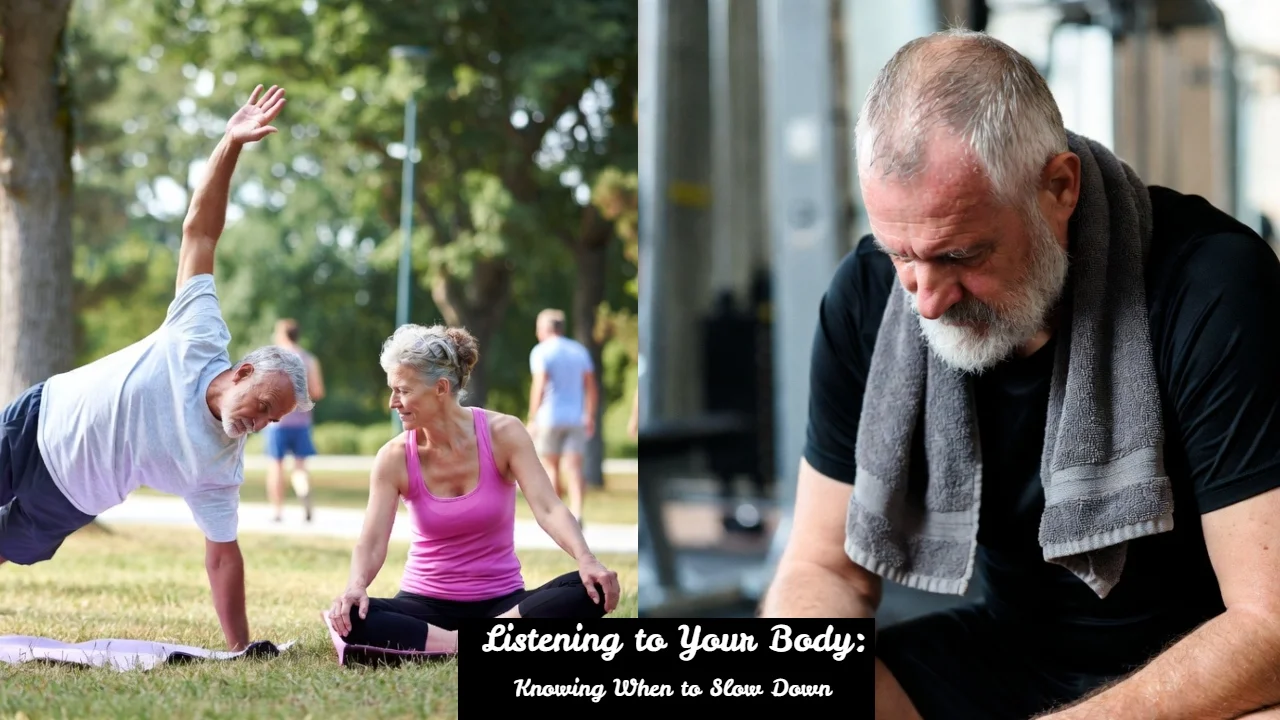
Listening to Your Body: Knowing When to Slow Down
One of the most valuable wellness skills after 50 is learning to recognize your body's signals. Feeling unusually tired, experiencing persistent soreness, struggling to recover between workouts, or losing motivation may indicate that your body needs additional rest.
Listening to these signals doesn't mean giving up on exercise—it means adjusting your routine to support recovery and long-term health. Building flexibility into your fitness plan helps reduce the risk of burnout and encourages a more enjoyable, sustainable approach to staying active.
Healthy Aging Is About Balance, Not Perfection
Exercise is one of the best investments you can make in your health, but lasting results come from balancing physical activity with quality sleep, proper recovery, good nutrition, hydration, and stress management. By building sustainable wellness habits and listening to your body, you can stay active, maintain your energy, and enjoy a healthier lifestyle for years to come.
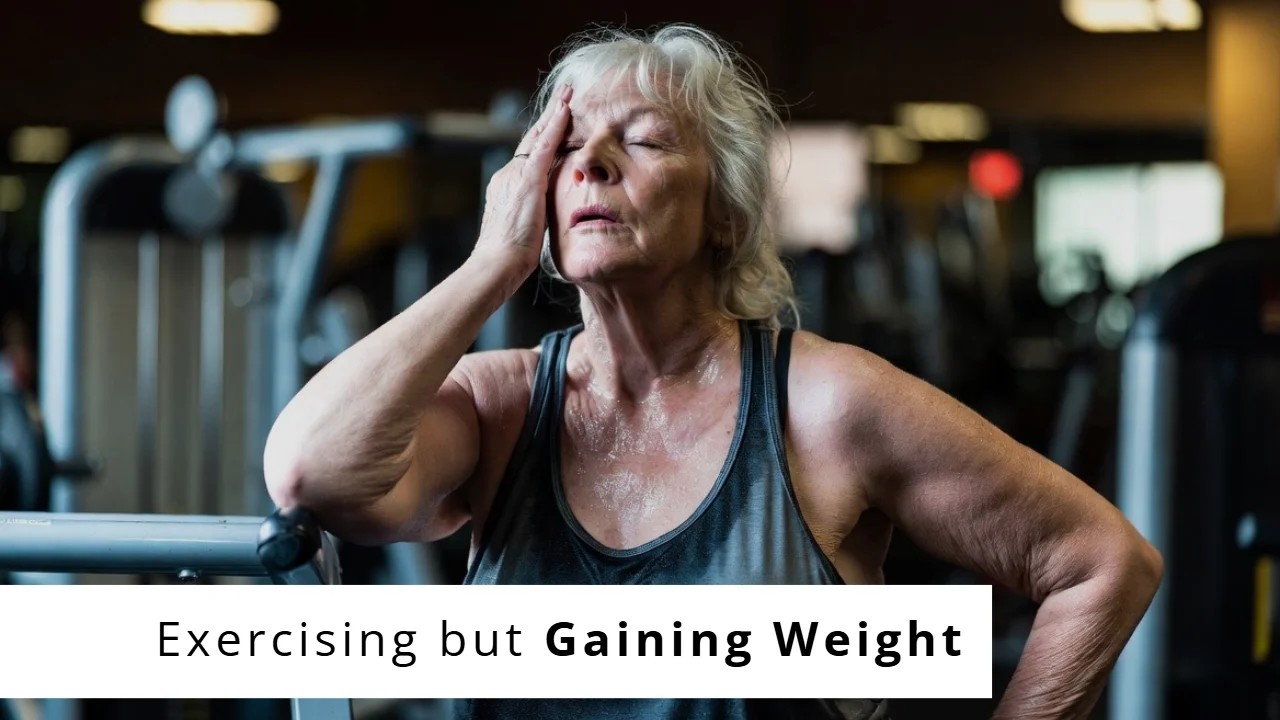
Why Overtraining Causes Weight Gain: The Hidden Mechanisms
It seems counterintuitive—exercising more should lead to weight loss, right? But when your body is overworked, it triggers a cascade of physiological responses that can actually lead to the opposite effect. Here's what's happening beneath the surface.
The frustrating reality: Many people experience gaining weight while exercising and don't understand why. The answer often lies in overtraining—a state where your body is so stressed that it begins to work against your fitness goals. Let's break down the science.
🔗 The Direct Link: Overtraining & Weight Gain
Caloric Imbalance
The Problem: Overtraining can lead to muscle breakdown. Since muscle tissue is metabolically active (it burns calories even at rest), losing muscle reduces your daily calorie-burning capacity.
The Result: Your body becomes less efficient at using the calories you consume, making it easier to gain weight—even when you're exercising but gaining weight despite your efforts.
Cortisol and Chronic Stress
The Problem: Excessive training without adequate recovery spikes cortisol—your body's primary stress hormone. Chronically elevated cortisol signals your body to store fat, particularly in the abdominal area.
The Result: You may notice weight gain around your midsection, a common sign that stress hormones are out of balance. This is one of the key reasons for gaining weight while exercising.
Appetite & Food Cravings
The Problem: Overtraining disrupts the hormones that regulate hunger (ghrelin) and fullness (leptin). This can lead to increased appetite and intense cravings, especially for high-calorie, sugary foods.
The Result: You may find yourself eating more than usual, often choosing less nutritious options—further contributing to the cycle of exercising but gaining weight.
📊 At a Glance: Why It Happens & How to Fix It
This table summarizes the key mechanisms behind overtraining-related weight gain and provides actionable solutions to break the cycle.
| The Problem | Why It Causes Weight Gain | Your Action Plan |
|---|---|---|
| Chronic Stress & High Cortisol | Promotes fat storage, especially around the abdomen. Increases inflammation. | Incorporate stress-reduction techniques: meditation, deep breathing, or gentle yoga. |
| Muscle Loss (Catabolism) | Reduces calorie-burning capacity. Slows metabolism over time. | Prioritize protein intake. Include strength training with adequate recovery days. |
| Appetite Dysregulation | Disrupts hunger hormones, leading to increased cravings and overeating. | Focus on balanced meals with protein, healthy fats, and fiber to stabilize blood sugar. |
| Inadequate Recovery | Prevents muscle repair and hormonal balance, perpetuating the stress cycle. | Schedule rest days. Prioritize 7-9 hours of quality sleep nightly. |
| Poor Nutrition & Hydration | Lack of nutrients impairs recovery, increases fatigue, and promotes inflammation. | Eat a balanced diet rich in whole foods. Stay hydrated with 8-10 glasses of water daily. |
🧬 Physiological Effects of Overtraining on the Body
Understanding these effects is crucial to grasp how overtraining impacts your weight and overall health:
Muscle Breakdown
What Happens: Excessive exercise without recovery leads to muscle tissue breakdown. Since muscle is metabolically active, this reduces your calorie-burning capacity.
Why It Matters: Less muscle means a slower metabolism, making it easier to gain weight even with the same caloric intake.
Energy Imbalance
What Happens: Overtraining can create an energy imbalance where calories burned exceed calories consumed. While this may initially cause weight loss, the body eventually slows its metabolism to compensate.
Why It Matters: This metabolic adaptation can lead to weight gain as your body becomes more efficient at storing calories.
Persistent Fatigue
What Happens: Overtraining often leads to chronic physical and mental fatigue. This can reduce your daily activity level outside of structured exercise.
Why It Matters: Less daily movement means fewer calories burned, contributing to the exercising but gaining weight phenomenon.
Weakened Immune System
What Happens: Overtraining can suppress immune function, making you more susceptible to illness. This disrupts training routines and recovery.
Why It Matters: Frequent illness means less consistent exercise, which can lead to muscle loss and weight gain over time.
Cardiovascular Changes
What Happens: Overtraining can cause changes in resting heart rate and blood pressure, impacting overall cardiovascular health.
Why It Matters: These changes can affect exercise performance and recovery, making it harder to maintain a healthy weight.
In summary: Overtraining disrupts appetite regulation, promotes inflammation, and slows metabolism—which is why many people find themselves exercising but gaining weight despite their best efforts. This frustrating cycle is driven by hormonal imbalances and chronic stress.
The good news? By prioritizing recovery, proper nutrition, and stress management, you can reverse these effects. Understanding why you're gaining weight while exercising is the first step toward a smarter, more sustainable approach to fitness.
Remember: exercising but gaining weight is a signal, not a sentence. Listen to your body, adjust your routine, and you'll break the cycle for good.
Ready to Break the Cycle?
If you've been asking yourself "Exercising but Gaining Weight?", understanding the science is the first step. Now it's time to take action with a balanced approach to exercise, recovery, and nutrition.
💡 Pro Tip: Download the PDF to track your progress and stay on track!
Join the Conversation
Recovery isn't just about what you do—it's about feeling supported. We'd love to hear from you!
- ✨ Have you experienced frustrating weight gain while exercising?
- 🗓️ Starting the 7-Day Plan? Let us know which day you're on!
- 🌱 What's one small change that made a difference for you?
Elevate Your Game: Join the Amateur Sports Photography Hub!
Are you passionate about capturing the action, drama, and emotion of amateur sports? Whether you're shooting local leagues or weekend tournaments, your perspective matters!
Share tips, review gear, and showcase your best shots with a supportive community of fellow amateur sports photographers.


Pingback: Life-Changing Hacks to Get Rid of Underarm Fat: Tips & Tricks
Pingback: Izabella Hickman
Pingback: Swim Workout Routines for Weight Loss and Toning For Seniors
Pingback: 5 Reasons Why Physical And Mental Health Are Deeply Connected
Pingback: Overtraining Symptoms: Gaining Weight While Working Out