


Becoming a vegetarian is a big decision—it means making a real lifestyle change. Being vegan often means giving up familiar foods and stepping away from the norm. But the benefits of living a vegetarian lifestyle are real and well worth it.
Table of Contents
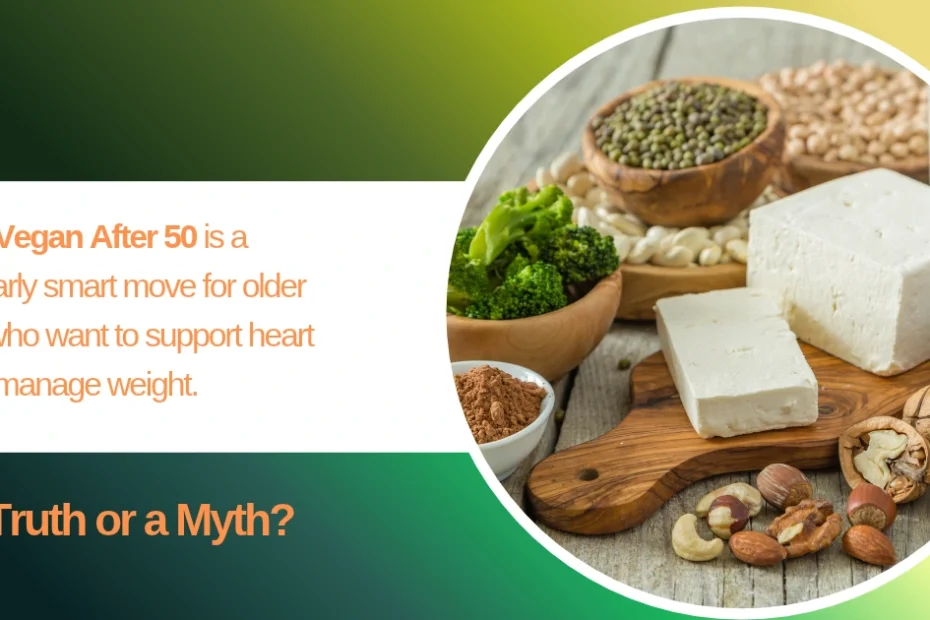
ToggleMore and more people today are adopting vegetarianism, and many are realizing that a healthy vegetarian diet is far better for them. Healthy vegan meals can replace unhealthy, meat-laden ones without giving up taste. Going Vegan After 50 is a particularly smart move for older adults who want to support heart health, manage weight, and reduce inflammation. In fact, Going Vegan After 50 can be one of the most rewarding health decisions you make in your later years—especially when you focus on adding abundant plant-based foods rather than focusing on what you’re giving up.
Always consult a qualified healthcare professional before starting any new exercise program, changing your diet, or making changes to your medication or treatment plan. If you experience sudden dizziness, chest pain, shortness of breath, or severe symptoms, seek immediate medical attention.
Vegan vs Vegetarian
for Weight Loss After 50
As metabolism slows, muscle mass decreases, and hormonal balances shift post-50, choosing the right plant-based path becomes crucial. Explore how plant-based strategies can optimize satiety, protect muscle, and support healthy weight management.
-2% to -5%
Average decline in BMR per decade after age 50.
1.0 – 1.2 g/kg
Recommended daily protein to prevent age-related sarcopenia.
25g – 35g+
Essential daily fiber for gut health, fullness, & glucose regulation.
Crucial
Stomach acid drops after 50, reducing natural B12 absorption.
Why Weight Loss Changes After Age 50
Sarcopenia & Muscle Retention
Natural muscle loss accelerates after age 50. Since muscle burns more calories than fat at rest, preserving lean tissue via adequate leucine-rich protein and resistance training is vital.
Hormonal Shifts
Menopause in women and declining testosterone in men promote visceral adiposity (belly fat). Dietary fiber and low-glycemic foods play a critical role in controlling insulin spikes.
Nutrient Malabsorption
Reduced gastric acid output makes extracting Vitamin B12 from food harder. Bone density also declines, raising calcium and Vitamin D requirements for active older adults.
Comprehensive Head-to-Head Comparison
Analyzing Vegan vs Vegetarian diets for sustainable fat loss after 50.
1. Definition & Dietary Scope
Core boundaries and lifestyle involvement
Excludes all animal products: meat, poultry, fish, eggs, dairy, and honey. Extends to lifestyle choices (leather, cosmetics).
Weight Loss Advantage: Automatically eliminates high-calorie saturated fats found in full-fat cheese and butter.
Excludes meat, poultry, and fish, but includes animal-derived foods like eggs, dairy (yogurt, cheese, milk), and honey (Lacto-Ovo Vegetarian).
Weight Loss Advantage: Highly flexible with easy access to high-protein, low-prep options like Greek yogurt and egg whites.
2. Satiety, Fiber & Caloric Density
Managing hunger and volume while in a calorie deficit
Naturally very high in dietary fiber via legumes, whole grains, vegetables, nuts, and seeds. Lower overall calorie density allows for higher meal volume.
Combines fiber-rich plant foods with dense protein sources like cottage cheese and eggs. High satiety potential when focused on whole foods.
3. Protein Quality & Muscle Preservation
Crucial for maintaining metabolic rate during weight loss after 50
Requires deliberate planning to hit 1.0–1.2g/kg protein goals. Key sources: tofu, tempeh, edamame, lentils, seitan, and pea protein powders.
Tip for 50+: Focus on soy and legumes to ensure sufficient leucine intake for muscle protein synthesis.
Easier to reach higher protein thresholds with complete amino acid profiles via egg whites, non-fat Greek yogurt, skyr, cottage cheese, and whey protein.
Tip for 50+: Utilize egg whites and low-fat dairy to maximize protein while keeping fat and calories in check.
4. Micronutrient Considerations for 50+
Preventing deficiencies during caloric restriction
- • Vitamin B12: Mandatory supplementation or fortified foods required.
- • Calcium & Vit D: Needed for bone health; rely on fortified plant milks, leafy greens, or supplements.
- • Iron & Zinc: Plant-based non-heme iron needs Vitamin C pairing for optimal absorption.
- • Vitamin B12: Readily available in dairy and eggs, though monitoring is still recommended.
- • Calcium & Vit D: Easily met via dairy intake, supporting bone density during weight loss.
- • Iron: Still requires attention if dairy intake displaces iron-rich whole foods.
5. Lifestyle Flexibility & Sustainability
Adherence is the #1 key to lasting weight management
Requires higher meal planning and diligence when dining out or traveling. Highly rewarding for health and ethical values, but may present a steeper learning curve initially.
Generally easier to adapt to social settings, family meals, and dining out. Highly sustainable for beginners transitioning away from meat while aiming for weight loss.
Post-50 Plant Protein & Fiber Estimator
Calculate your recommended daily protein, fiber, and target caloric deficit based on age and dietary style.
1,650 kcal
82 - 97 g
28 - 35 g
Evidence-Based Guidelines & External Resources - Going Vegan After 50
When planning a plant-based weight loss strategy after 50, consult reputable health authorities for evidence-backed nutrition advice:
-
Academy of Nutrition and Dietetics:
Position statement on vegetarian and vegan diets supporting healthy aging, weight management, and disease prevention.
Explore EatRight Nutrition Guidelines -
National Institute on Aging (NIH):
Comprehensive research on maintaining muscle strength, metabolic health, and proper supplementation for older adults.
Visit NIH Healthy Aging Portal -
Physicians Committee for Responsible Medicine (PCRM):
Practical meal planning guides for plant-based weight loss, metabolism boost, and reversing metabolic syndrome.
Learn More at PCRM Health Center
Which Is Better for You?
Neither diet is inherently superior for weight loss. Weight loss depends on maintaining a sustainable calorie deficit while preserving muscle.
• Choose Vegetarianism if you want an easier transition, higher protein convenience from dairy/eggs, and maximum lifestyle flexibility.
• Choose Veganism if you desire maximum fiber, higher meal volume, and complete elimination of dairy saturated fats.
Recommended Reading - Going Vegan After 50
📢 share this article
✨ tap to share — help others crack the comment code


