
Table of Contents
ToggleUnderstanding the connection between physical and mental health is essential because they go hand in hand.
Are you concerned about the effect of stress on your body? Do you worry about your mental well-being? If yes, then you must read this post. In it, we discuss the effects of both physical and mental illness. Mental illness refers to our emotional status.
Physical illness means our general physical conditions. Both these factors affect our lives significantly. Both physical and mental illnesses can cause severe problems for an individual. But if treated early enough, they can lead to complete recovery.
As technology continues to take up more space in our daily routines, we’re becoming increasingly stressed out and depressed. A recent study by the University of Göttingen, Germany, found that the more frequently we used laptops and smartphones, the worse off we were physically and mentally.
We must understand the connection between mental and physical health, from the biological to the social. However, what is most important is that we take action to improve our overall well-being. Therefore, it is essential that we actively seek out ways to improve our physical health. One of the best things we could do for ourselves is engage in regular physical activity.
6 Reasons Why Physical and Mental Health Go Hand in Hand
🔗 The Connection Between Physical and Mental Health
The powerful connection between our physical and mental health is more intertwined than we often realize. Scientific research increasingly shows that consistent physical activity significantly enhances emotional well-being, cognitive function, and quality of life. Below are five compelling reasons why physical health and mental health are inseparable.
💪 The "Why" for Seniors
The benefits of staying active extend far beyond our muscles. For those over 50, physical activity is one of the most powerful tools available to protect and enhance mental health. From reducing symptoms of depression to improving cognitive function, the benefits of exercise for seniors mental health are profound and well-documented.
| Reason | Explanation |
|---|---|
| 1. Exercise Helps Manage Stress | Physical activity reduces cortisol—the body's primary stress hormone. High cortisol is linked to anxiety and depression. Engaging in simple routines like walking, yoga, or jogging can drastically improve mood and reduce stress. A 30-minute walk, for instance, has been proven to lower anxiety levels and enhance overall mental health. |
| 2. Cardiovascular Fitness Boosts Brain Power | Cardiovascular exercises like cycling, swimming, and running stimulate neurogenesis (the growth of new neurons) in the hippocampus, the brain's memory center. Strength training and weightlifting also enhance self-esteem and cognitive clarity—reinforcing how physical health and mental health improve together. |
| 3. Protection Against Neurodegenerative Diseases | Starting physical activity as early as your 20s can lead to better brain health in later years. Exercise increases neurotrophic factors, essential proteins that keep neurons healthy and delay the onset of conditions like Alzheimer's. These benefits highlight the long-term synergy of physical and mental health. |
| 4. Prevention of Cognitive Decline |
Consistent exercise supports memory retention, learning, and focus. Activities such as sprinting or interval training have been linked to enhanced vocabulary acquisition and mental agility. This ongoing stimulation maintains brain sharpness and prevents age-related mental decline.
⚠️ Important: If you experience dizziness during exercise, learn more about potential causes in our guide on dizziness after 50. |
| 5. Better Sleep and Deep Relaxation | Quality sleep is fundamental to mental health. Regular physical activity helps regulate circadian rhythms, alleviates insomnia, and increases relaxation. Improved sleep further enhances emotional resilience and reduces symptoms of anxiety and depression—proving once again that physical health and mental health are strongly connected. |
| 6. Embrace New Technology for Fun and Fitness |
Staying active doesn't have to mean the same old routine. Modern technology offers exciting, effective ways to boost both physical and mental health.
📱 Explore More: Discover other innovative tools in our full guide on wellness technology for over 50. |
In conclusion, investing in your fitness isn't just about physical appearance—it's a profound commitment to your emotional and cognitive well-being. A balanced routine that nurtures both physical and mental health can empower you to live a longer, more fulfilling life.

🏃♂️ Your Practical Guide to Getting Started
The most important step is the one you take today. Here is a clear, safe, and enjoyable path to integrating physical activity into your life after 50.
1️⃣ Start Simple: The Power of Small Steps
"The best exercise is the one you'll do." This is the golden rule. Don't feel pressured to run a marathon or lift heavy weights on day one.
- Begin with 5-10 minutes of gentle movement each day. This could be a short walk around your home, some light stretching, or even marching in place while watching TV.
- Focus on consistency, not intensity. A 15-minute walk done daily is far more beneficial than an hour-long workout you do once and then abandon.
- Track your progress simply. Use a basic step counter or a notebook. Even small increases in daily steps—like an extra 500 steps—can have a significant impact on your overall health and mood.
- Celebrate every victory. Did you walk for 10 minutes today? That's a win! Building a habit is about positive reinforcement.
2️⃣ Safety First: Your Health is the Priority
Always check with your doctor before starting any new routine. This is not medical advice—it's a commonsense starting point for your journey.
- Schedule a check-up to discuss your plans. Your doctor can provide personalized advice based on your medical history and any conditions you may have.
- Listen to your body. Some muscle soreness is normal, but sharp pain, dizziness, or shortness of breath are warning signs. Stop and rest if you experience these.
- Start slowly and progress gradually. Increase the duration or intensity of your workouts by no more than 10% per week to avoid injury.
- Stay hydrated and dress appropriately. Drink water before, during, and after exercise, and wear comfortable, supportive shoes and clothing.
⚠️ Related: If you experience dizziness, consult our guide on dizziness after 50 to understand potential causes.
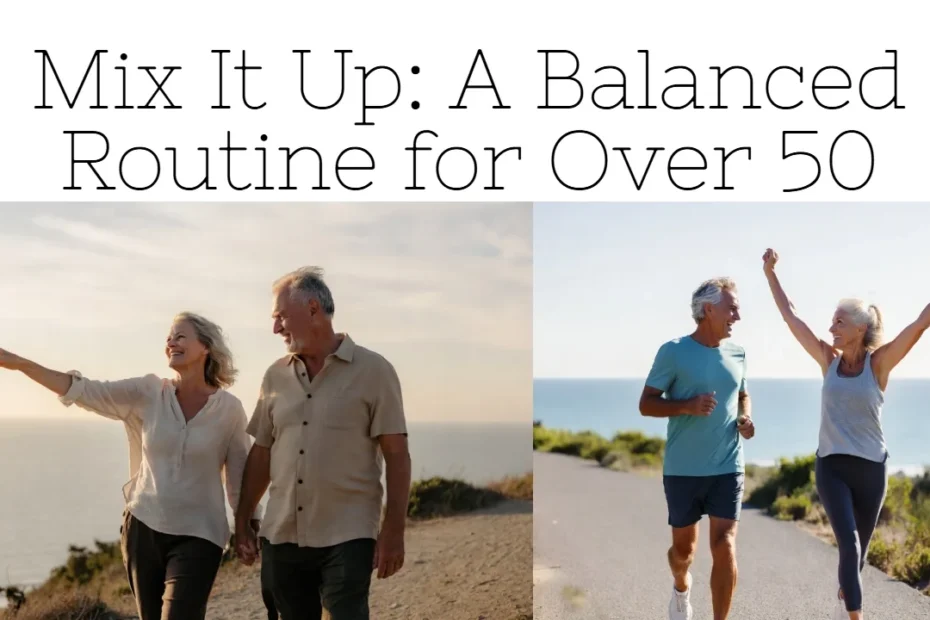
3️⃣ Mix It Up: A Balanced Routine for Over 50
A well-rounded fitness plan includes four key components. Here is a sample week to inspire you.
| Day | Focus | Example Activities | Why It Matters |
|---|---|---|---|
| Monday | 🚶 Endurance | Brisk walking (20-30 min), swimming, cycling | Improves heart health, lung capacity, and mood. |
| Tuesday | 💪 Strength | Resistance bands, light weights, bodyweight exercises (squats, wall push-ups) | Builds muscle, supports bone density, and boosts metabolism. |
| Wednesday | ⚖️ Balance | Standing on one leg (while brushing teeth!), heel-to-toe walk, Tai Chi | Prevents falls, improves coordination and core strength. |
| Thursday | 🧘 Flexibility | Full-body stretching, yoga, Pilates | Maintains joint range of motion, reduces stiffness, and promotes relaxation. |
| Friday | 🚶 Endurance | A slightly longer walk (30+ min) in nature or a new route | Combines cardiovascular benefits with mental stimulation. |
| Weekend | 🎉 Active Rest | Gentle stretching, a leisurely bike ride, dancing, or a game with friends | Recovery is crucial. Enjoy movement that doesn't feel like a workout. |
Tip: This is a template. Adapt it to your preferences and fitness level. The best routine is one you enjoy and can sustain.
4️⃣ Make it a Lifestyle: Long-Term Success
The goal is not a temporary program but a permanent, positive change in how you live.
- Find a workout buddy. Exercising with a friend or family member can boost motivation and make it more enjoyable.
- Join a class or group. Whether in-person or online, a community provides support and accountability.
- Use technology to your advantage. Explore fitness apps, online videos, or VR experiences designed for older adults.
- Be patient and kind to yourself. There will be days you miss a workout. That's okay. The key is to get back on track the next day without guilt.
📱 Explore More: For more ideas on using tech for health, see our guide on wellness technology for over 50.
Remember: Physical activity is a powerful tool for enhancing your quality of life. Start simple, stay safe, keep it interesting, and embrace the journey. Your body and mind will thank you.
In conclusion, investing in your fitness isn't just about physical appearance—it's a profound commitment to your emotional and cognitive well-being. A balanced routine that nurtures both physical and mental health can empower you to live a longer, more fulfilling life.

The 50+ Vitality Blueprint: Why Movement is Your Best Medicine
The powerful connection between physical and mental health becomes even more critical as we age. For those over 50, understanding this relationship isn’t just about staying fit—it’s about protecting your brain, boosting your mood, and extending your years of vibrant living. This article reveals why consistent physical activity is one of the most effective tools for enhancing emotional well-being, and provides a practical roadmap to get started safely.
Research shows that low-impact exercises for mental health—such as walking, swimming, and gentle stretching—can significantly reduce symptoms of anxiety and depression. These activities release feel-good endorphins and lower stress hormones, creating a natural mood boost without the strain of high-intensity workouts. For seniors, the benefits go far beyond stress relief: low-impact exercises for mental health also protect against cognitive decline and improve sleep quality.
Perhaps most importantly, regular movement is directly linked to cognitive longevity. Studies demonstrate that consistent physical activity can improve memory and physical fitness after 60, helping to preserve brain function and delay the onset of neurodegenerative conditions. The neurochemical changes triggered by exercise—like increased BDNF production—literally help your brain grow stronger and more resilient.
But the benefits don’t stop at memory. Regular exercise can also improve memory and physical fitness after 60 by enhancing cardiovascular health, maintaining muscle mass, and supporting balance—all of which contribute to independent living and a higher quality of life.
The science is clear: physical activity is a profound commitment to your emotional and cognitive well-being. A balanced routine that nurtures both body and mind can empower you to live a longer, more fulfilling life. This guide provides a clear, safe, and enjoyable path to integrating movement into your daily life—proving that it’s never too late to start investing in your health.
📢 share this article
✨ tap to share — help others crack the comment code


I suggest to you the title “How Fitness and Mental Health Fuel Each Other for Optimal Well-being”
I’ve definitely noticed a correlation between my mental health and physical well-being. When I’m feeling stressed or anxious, it’s harder to take care of my body.
This is such an important reminder! My fitness journey totally transformed my mental health. If you’ve been on the fence, definitely check out this link – it’s a game-changer.
Couldn’t agree more! Fitness isn’t just about physical gains, it’s a powerful tool for managing stress and anxiety. Thanks for sharing this valuable resource! What’s one positive change fitness brought to your mental well-being?