
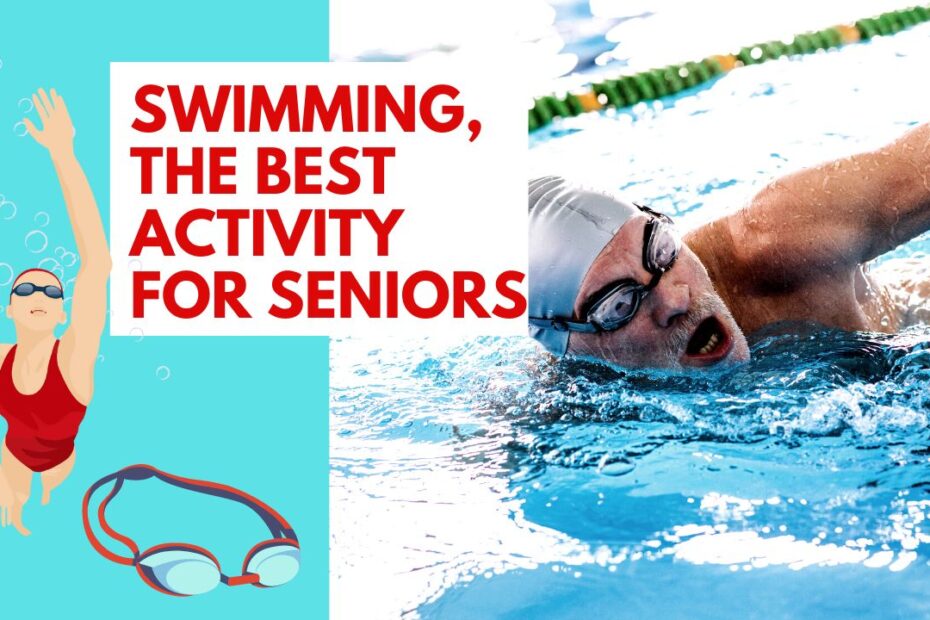
Swimming for Seniors Over 60: Swimming provides an excellent workout for anyone with joint pain or looking to add another cardio option to their fitness regimen. Swimming is especially good because it reduces the risk of injury due to its low-intensity nature.
Table of Contents
ToggleFor seniors, there are many reasons why water-related activities are the best choices. Swimmers are second only to walkers in injury rates.
Always consult a qualified healthcare professional before starting any new exercise program, changing your diet, or making changes to your medication or treatment plan. If you experience sudden dizziness, chest pain, shortness of breath, or severe symptoms, seek immediate medical attention.
Swimming is the Perfect Exercise for Seniors
🏊♀️ Your First 20-Minute Pool Workout (No Experience Needed)
| Step | Activity | Time |
|---|---|---|
| 1 | Walk in shallow water (chest-deep), swinging arms | 5 min |
| 2 | Hold pool edge, kick legs gently | 5 min |
| 3 | Use pool noodle or kickboard – kick across shallow end | 5 min |
| 4 | Standing arm exercises (elbow-to-elbow, arm circles) | 3 min |
| 5 | Cool down – slow walking and deep breathing | 2 min |
💡 Always have a lifeguard or buddy nearby. Stop if you feel pain or dizziness.
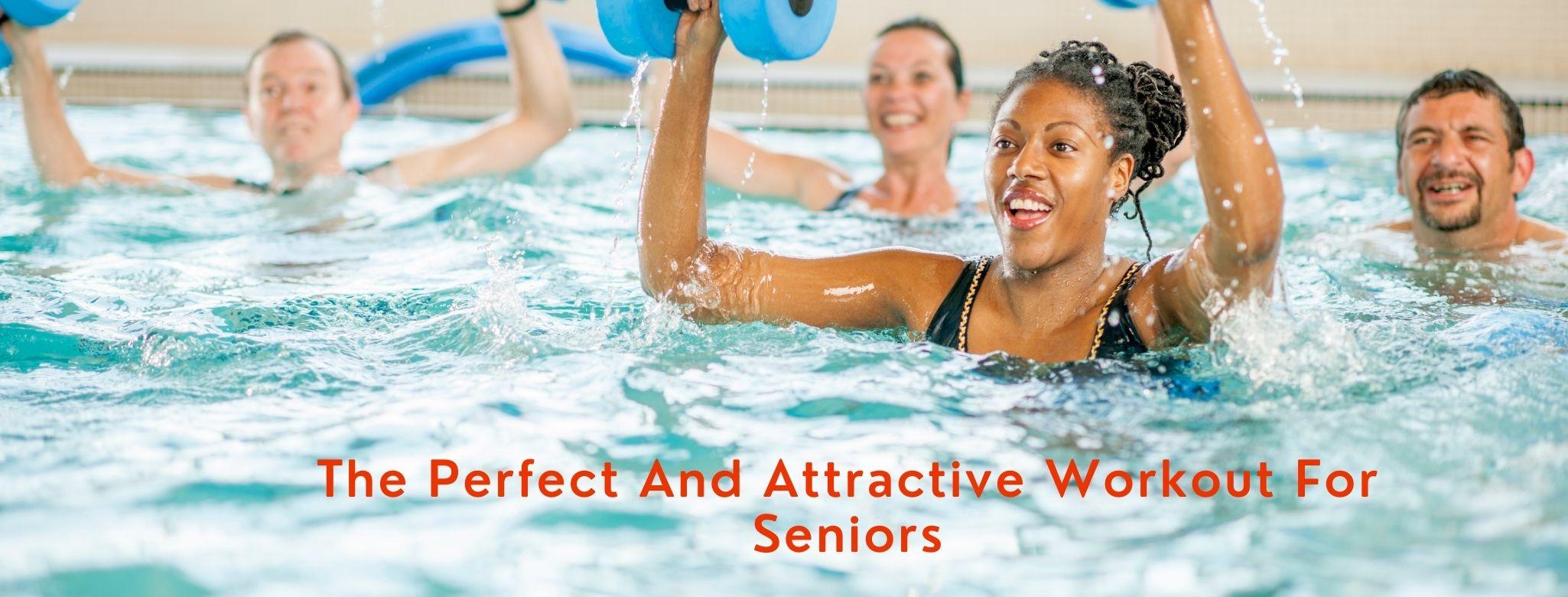
🛍️ Recommended Swim Gear for Seniors
- Comfortable swimsuit – easy to put on and take off
- Goggles – protect eyes and improve visibility (prescription options available)
- Swim cap – keeps hair out of face and protects from chlorine
- Kickboard or pool noodle – provides buoyancy and support for leg exercises
- Water shoes – prevents slipping on wet pool decks
- Water gloves or paddles – adds resistance for upper body strengthening
🛟 Safety Tips for Senior Swimmers
- ✅ Always swim where a lifeguard is present
- ✅ Enter the pool using a ladder or ramp – never jump
- ✅ Start in shallow water (chest-deep)
- ✅ Stay hydrated – you still sweat in water
- ✅ Use a kickboard or pool noodle for support
- ✅ Stop immediately if you feel dizzy, short of breath, or chest discomfort
One-Question Quiz
❓ Frequently Asked Questions: Swimming for Seniors Over 60
Answers to common questions about pool workouts, safety, and getting started.
Is swimming for seniors over 60 really safe?
Yes! Swimming for seniors over 60 is one of the safest forms of exercise available. The water supports up to 90% of your body weight, removing stress from joints while providing gentle resistance. Unlike running or weightlifting, swimming has virtually no risk of falling or impact injury. Of course, always check with your doctor before starting any new exercise routine, and start slowly in shallow water.
What are the best low-impact pool exercises for elderly beginners?
The best low-impact pool exercises for elderly beginners include: walking in chest-deep water (forward, backward, and sideways), holding the pool edge for leg kicks, using a kickboard for gentle laps, standing arm circles and elbow-to-elbow presses, and water aerobics movements like leg lifts and gentle bouncing. These exercises improve strength, balance, and flexibility without stressing your joints.
Can you suggest a beginner swim workout for older adults?
Absolutely. Here is a simple 20-minute beginner swim workout for older adults that requires no experience:
• 5 minutes: Walk in shallow water, swinging arms
• 5 minutes: Hold pool edge, kick legs gently (flutter kick)
• 5 minutes: Use a kickboard or noodle to kick across shallow end
• 3 minutes: Standing arm exercises (arm circles, presses)
• 2 minutes: Slow walking and deep breathing to cool down
Rest whenever you need to. Always have a lifeguard or buddy nearby.
Is water aerobics for arthritis knees effective?
Water aerobics for arthritis knees is one of the most recommended activities by physical therapists. The buoyancy of water reduces pressure on knee joints by up to 90%, allowing you to move with less pain. At the same time, the water's natural resistance strengthens the muscles around your knees without impact. Great moves include: leg lifts, gentle knee bends, walking in place, and using a noodle for support. Many seniors report less stiffness and better mobility after just a few weeks of regular water aerobics.
What are the first steps for how to start swimming after 60?
Learning how to start swimming after 60 is easier than you think. Here are 5 simple steps:
• Step 1: Talk to your doctor – get clearance for water exercise
• Step 2: Find a pool with a ramp or stairs, a lifeguard, and warm water (82-86°F is ideal for seniors)
• Step 3: Get basic gear: comfortable swimsuit, goggles, and a pool noodle or kickboard for support
• Step 4: Start in shallow water – just walk and get comfortable being in the pool
• Step 5: Take it slow – 10 minutes your first time is plenty. Add 2-3 minutes each week.
Many community centers also offer "adult beginner" or "senior water fitness" classes – a great way to learn with others.
How often should seniors swim to see benefits?
Aim for 2-3 times per week for noticeable improvements in strength, flexibility, and endurance. Even once a week provides benefits for mood and joint health. Consistency matters more than duration. A 15-minute swim twice a week is better than a 2-hour swim once a month. Listen to your body – rest when tired, and don't push through pain.
What swim gear is helpful for seniors?
For comfort and safety, consider these items:
• Comfortable swimsuit – choose one that's easy to put on and take off
• Goggles – protect eyes and help you see clearly underwater (prescription goggles are available)
• Swim cap – keeps hair out of your face and protects from chlorine
• Kickboard or pool noodle – provides buoyancy and support for leg exercises
• Water shoes – prevent slipping on wet pool decks
• Water gloves or paddles – add resistance for upper body strengthening (optional)
Can swimming help with chronic back pain?
Yes, for many people. The water's buoyancy decompresses the spine, reducing pressure on discs and nerves. Gentle swimming and water walking strengthen the core muscles that support your back. The best strokes for back pain are backstroke and breaststroke (with proper technique). Avoid butterfly stroke and any movement that causes twisting or sharp pain. Always consult your doctor or physical therapist before using swimming as therapy for a specific back condition.
Is it too late to learn to swim after 60?
Absolutely not. Many people learn to swim for the first time in their 60s, 70s, and even 80s. Adults have advantages over children: patience, focus, and the ability to understand technique. Look for "adult beginner" or "senior learn-to-swim" classes at your local pool. A good instructor will help you get comfortable in the water, learn to float, and practice basic strokes at your own pace. It's never too late to gain this life-saving skill and a wonderful form of exercise.
What if I'm not a strong swimmer? Can I still benefit?
Yes! You don't need to swim laps to benefit from the pool. Water walking and water aerobics are excellent options for non-swimmers or weak swimmers. Stay in shallow water where you can stand comfortably. Use a pool noodle or life vest for extra confidence. Many seniors enjoy water exercise classes where no swimming is required – just movement to music. The benefits of reduced joint pain, improved balance, and better mood are available to everyone, regardless of swimming ability.
📌 Jump to question:
Ready to make a splash?
After 60, your joints may ache, your balance may wobble, and high-impact exercises may feel impossible. The pool is your answer. Swimming for seniors over 60 offers a full-body workout without the pain – stronger muscles, better balance, improved mood, and healthier joints, all while being gentle on your body.
You don't need to be an Olympic swimmer. You don't even need to know how to swim laps. Low-impact pool exercises for elderly beginners can be as simple as walking in chest-deep water or using a kickboard. The key is showing up – consistently, gently, and without pressure.
Remember: every champion started as a beginner. Swimming after 60 isn't about speed or distance – it's about showing up for yourself. The water is waiting. Your stronger, more independent future starts with one small splash.
🌊 You've got this. Now go get wet.
📢 share this article
✨ tap to share — help others crack the comment code


Hello, I liked your article, and especially how you tied in the product photos at the end. I participated in Aqua Zumba locally for several years and I used these wonderful aqua gloves that helped create resistance in the water. They provided extra strengthening in my shoulders and chest. I’ve also used the barbells you mentioned. They are wonderful tools for adults and seniors.
–Kelly
Thanks Kelly,
I have been using the barbells to strength my shoulders
Excellent write-up. I am inspired try to start swimming again after many years. Thanks. Dilip
Do it,
You will enjoy every day
Your encouragement will get more people into the water where they’ll continue to discover all these benefits! I am a water advocate myself and now your follower too!
Thanks for your comment. This is my small contribution for the world
Swimming is gentle on the joints, making it ideal for seniors. It provides resistance without putting stress on the body, reducing the risk of injuries
I will try to help you
Swimming is such a great low-impact exercise for seniors! It’s gentle on the joints and can help improve cardiovascular health and flexibility.