

That nagging knee pain. The stiff fingers in the morning. The lower back that aches after sitting.
Table of Contents
ToggleIf you’re over 50, you know the feeling. Joint pain affects nearly 1 in 4 adults—but what if the solution is simpler than you think?
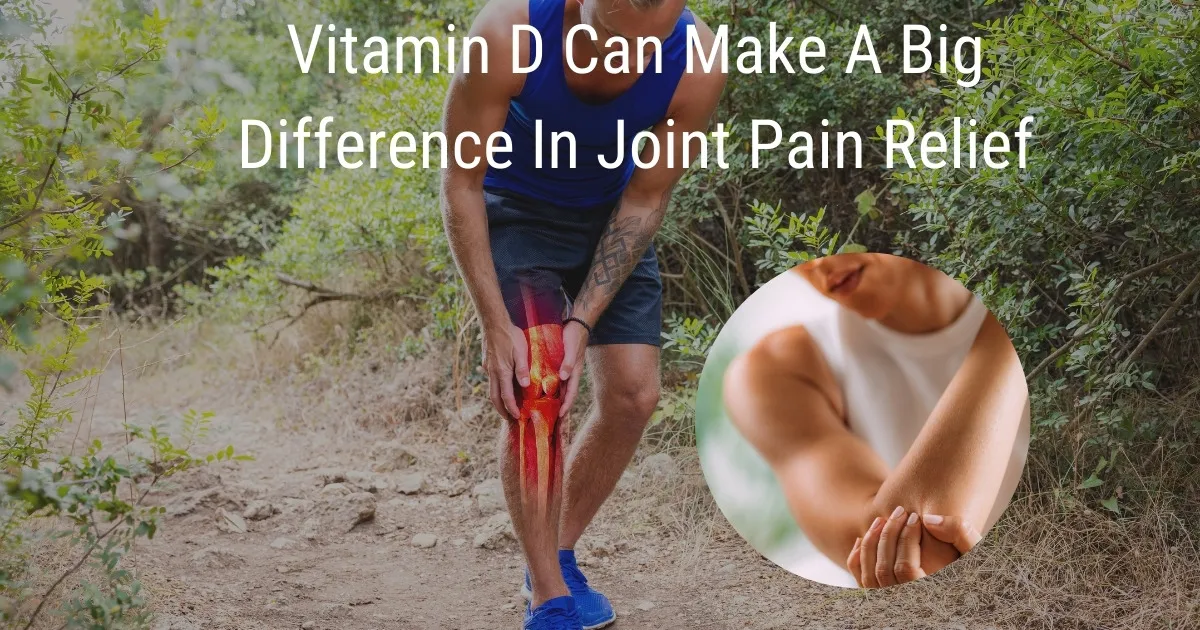
Recent research has uncovered a powerful link between vitamin D and joint pain relief. Low vitamin D levels are associated with increased arthritis severity, more frequent flares, and worse overall joint function. Yet many people over 50 never think to check their vitamin D levels—they simply accept the pain as an unavoidable part of aging.
In this guide, you’ll discover the Signs Your Joint Pain Is Linked to Low Vitamin D, the science behind vitamin D and joint pain after 50, and five gentle, natural strategies that can help you move with less discomfort—starting this week.
We’ll cover:
-
🦴 The 7 key signs that your joint pain may be connected to low vitamin D
-
📊 How much vitamin D research suggests for joint pain relief
-
🥚 Best food sources of vitamin D (including options for every diet)
-
🧘 Gentle exercises that complement vitamin D for maximum relief
-
⚠️ When to see your doctor—and what to ask
No extreme diets. No complicated routines. Just practical, wellness-focused steps designed for real life after 50.
Let’s get you moving with less pain.
⚠️ Medical Disclaimer: This information is for educational purposes only and is not a substitute for professional medical advice. Always consult your healthcare provider before starting any new supplement or exercise routine, especially if you have existing health conditions or take prescription medications.
7 Signs Your Joint Pain May Be Linked to Low Vitamin D
Joint pain after 50 rarely has one single cause. But when low vitamin D is part of the picture, the symptoms often follow a pattern. Read through this simple self-assessment checklist and notice how many feel familiar.
You don't need a diagnosis to benefit from awareness—you just need honesty with yourself.
☑️ The Self-Assessment Checklist
| # | Sign | What It Might Feel Like |
|---|---|---|
| 1 | Morning stiffness that lingers | Your joints feel "rusty" for 30 minutes or more after waking—especially knees, hips, or fingers. |
| 2 | Aching in the lower back, hips, or knees | A deep, dull ache that worsens in winter or after days without sunlight. |
| 3 | Muscle weakness alongside the pain | Stairs feel harder. Rising from a chair takes more effort. Groceries feel heavier than they should. |
| 4 | Bone tenderness | Pressing on your shins or ribs feels sore—not from injury, just from touch. |
| 5 | Fatigue that rest doesn't fix | You sleep, but you still feel drained. Low energy becomes your baseline. |
| 6 | Mood changes or low motivation | Irritability, flatness, or a loss of interest in things you usually enjoy—alongside physical pain. |
| 7 | Frequent colds or slow healing | You catch every bug that goes around, or small cuts and bruises take longer to recover. |
How to Read Your Results
- 0–1 signs: Low vitamin D is less likely to be the main driver—but gentle lifestyle habits still support joint health.
- 2–3 signs: Worth a conversation with your doctor and a simple blood test.
- 4+ signs: Strongly consider asking your doctor about the 25-hydroxyvitamin D test—it's quick, inexpensive, and tells you exactly where you stand.
One Important Note: These signs overlap with many other conditions, including normal aging, arthritis, and thyroid issues. This checklist is not a diagnosis—it's a starting point for a smarter conversation with your healthcare provider.
The good news? If low vitamin D is part of your picture, it's one of the most correctable factors in joint health. And the fixes are gentler than you might expect.
👇 Keep reading to learn why vitamin D matters so much for your joints—and the five simple steps you can start this week.
Why Vitamin D Matters for Joints
You don't need a biochemistry degree to understand this. Vitamin D supports your joints in three simple ways—and when levels drop, all three suffer.
It Helps Your Body Absorb Calcium
Calcium is the mineral that keeps bones strong and gives your joints a solid foundation. But here's the catch: without enough vitamin D, your body can't absorb calcium from your food—no matter how much dairy or leafy greens you eat. Over time, weak bones mean less structural support for the joints above them. That's why the link between vitamin D and joint pain after 50 is so direct: as vitamin D drops, bone support weakens, and joints feel it first.
It Helps Calm Inflammation
Low-grade inflammation is one of the quiet drivers of ongoing joint discomfort. Vitamin D has natural anti-inflammatory properties that help keep swelling and stiffness in check. When levels are low, that calming effect fades—and achy joints become far more sensitive, especially in the morning or after prolonged rest.
It Helps Regulate Your Immune System
This matters most for autoimmune joint conditions like rheumatoid arthritis, where the immune system mistakenly attacks healthy joint tissue. Vitamin D acts like a moderator—helping the immune system respond appropriately rather than overreacting. Research consistently shows that people with lower vitamin D levels tend to experience more frequent flares and greater disease activity.
The Bottom Line
The signs your joint pain is linked to low vitamin D are simply your body's way of asking for support. The good news is that vitamin D deficiency is one of the easiest issues to test—and one of the most correctable. A simple blood test, targeted food swaps, and a gentle daily routine can make a meaningful difference in how your joints feel.
👉 In the next section, we'll walk through five gentle fixes you can start this week—no extremes, no overwhelm.

Best Sources of Vitamin D for Joint Health
Sunlight
UV rays from the sun trigger vitamin D synthesis in your skin. However, output varies widely by season, latitude, time of day, skin pigmentation, and sunscreen use. Relying solely on sun exposure is not advised due to skin cancer risks.
Dietary Sources
Only a select few foods naturally contain vitamin D. Key sources include:
- Fatty fish (salmon, tuna, mackerel, trout)
- Fish liver oils
- Egg yolks
- Beef liver
- Mushrooms (especially UV-exposed)
Fortified Foods
Many staple foods are routinely enriched with vitamin D to aid absorption:
- Milk (cow's milk and plant-based alternatives like soy, almond, and oat milk)
- Breakfast cereals
- Select yogurts
- Fortified orange juice
Risks of Too Much Vitamin D (Toxicity)
High Calcium Levels
Excessive vitamin D drives abnormally high blood calcium, frequently resulting in persistent nausea, vomiting, and severe constipation.
Excessive Thirst & Urination
High systemic calcium stresses kidney function, causing frequent urination and unquenchable thirst.
Muscle Weakness
Elevated blood calcium impairs neuromuscular signaling, leading to notable muscle weakness and loss of functional strength.
Confusion & Brain Fog
Toxicity can affect central nervous system function, causing disorientation, difficulty thinking clearly, or memory lapses.
Bone Pain
Paradoxically, extreme vitamin D excess pulls calcium from bones, causing deep, intense, or chronic bone aches.
Kidney Stones
Excess calcium filtered through the renal system forms painful mineral deposits and stones in the kidneys or urinary tract.
Heart Rhythm Issues
In severe cases of hypercalcemia, disruption of cardiac electrical signaling can cause irregular heartbeats or dangerous arrhythmias.
🧘 Natural Joint Pain Relief: Gentle Exercises That Help
Vitamin D addresses the internal chemistry of joint health. Exercise addresses the mechanics – keeping joints mobile, muscles strong, and stiffness at bay. Together, they're more effective than either alone.
⚠️ Safety first: Always consult your doctor before starting new exercises, especially if you have existing neck or back issues. Stop immediately if you feel sharp pain or increased dizziness.
🦒 Neck Exercises for Arthritis (Do These Daily)
After age 60, more than 85% of people have arthritis in their neck, according to the American Academy of Orthopaedic Surgeons. These gentle exercises help maintain mobility and reduce stiffness.
Neck Drop and Raise
Stand or sit tall. Slowly drop your head forward until your chin touches your chest. Hold for 5 seconds. Raise back up. Repeat 5 times.
Head Tilt (Side to Side)
Slowly tilt your head toward your right shoulder (keeping your left shoulder down). Hold for 5 seconds. Repeat on the left. Do 5 times each side.
Neck Rotation
Slowly turn your head to the right, keeping your chin level. Hold for 5 seconds. Turn to the left. Repeat 5 times each side.
Neck Retraction (Chin Tuck)
Pull your chin straight back (like making a double chin). Hold for 5 seconds. Relax. Repeat 10 times.
Shoulder Rolls
Roll shoulders up, back, and down in a smooth circular motion. Repeat 10 times forward, then 10 times backward.
🧘♀️ Yoga for Arthritis: Safe, Modified Poses
Yoga is excellent for arthritis – it's low-impact, improves flexibility, and reduces stress. But some poses need modification. Here are three safe poses for neck and spine arthritis:
Cat-Cow Stretch
Start on hands and knees. Inhale: arch back, lift head (Cow). Exhale: round spine, tuck chin to chest (Cat). Repeat 5–10 times slowly.
Gentle Neck Rolls
Sit tall. Slowly roll your head in a circle – right shoulder, back, left shoulder, chest. Move only as far as comfortable. Repeat 3 times each direction.
Sphinx Pose
Lie on stomach, elbows under shoulders, forearms flat. Slowly lift head and chest, keeping neck long. Hold 15–30 seconds.
🧘♀️ Finding a Qualified Instructor
Look for "gentle yoga," "senior yoga," or "therapeutic yoga" classes. Tell the instructor

❓ Frequently Asked Questions About Vitamin D & Joint Pain
Short, evidence-based answers to the questions people ask most often about managing joint pain after 50 and the connection between vitamin D and joint pain after 50.
💊 How much vitamin D should I take for joint pain relief?
The recommended daily allowance (RDA) for adults up to age 70 is 600 IU (15 mcg); for those over 70, it's 800 IU (20 mcg). However, clinical studies focused on joint pain after 50 have evaluated higher therapeutic doses, typically 1,000–2,000 IU daily.
Important: Get your blood levels tested before supplementing. Too much vitamin D can be toxic. Always consult your doctor for the right dosage for your specific situation.
🦴 Can vitamin D reverse arthritis or cure joint pain?
No – vitamin D is not a cure for arthritis. However, understanding the link between vitamin D and joint pain after 50 shows that correcting a deficiency can significantly reduce pain, improve physical function, and slow disease progression in both osteoarthritis and rheumatoid arthritis. Think of vitamin D as a necessary part of your joint health toolkit—along with exercise, an anti-inflammatory diet, and medical care—not a magic bullet.
☀️ Can I get enough vitamin D from sunlight alone?
For most adults, sunlight alone is not reliable for maintaining adequate vitamin D levels, especially if you:
- Are over 60 (skin produces significantly less vitamin D with age)
- Live in northern latitudes (above 37°N)
- Spend most of your time indoors
- Use sunscreen (which blocks UV-driven vitamin D production)
- Have darker skin (melanin reduces vitamin synthesis)
That's why targeted food sources and supplements are often necessary—especially for seniors.
🥚 What are the best food sources of vitamin D for joint health?
The best natural food sources include:
- Fatty fish: Salmon, sardines, mackerel, tuna (3 oz salmon = ~450 IU)
- Egg yolks: 1 yolk = ~40 IU
- UV-exposed mushrooms: ½ cup = ~400 IU
- Fortified foods: Milk, plant-based milks, orange juice, cereals (check labels)
For seniors on a budget, canned tuna and fortified cereals offer accessible, budget-friendly options.
🩺 How do I know if I have a vitamin D deficiency?
The only definitive diagnostic method is a simple blood test called the 25-hydroxyvitamin D test. Recognizing the key signs your joint pain is linked to low vitamin D can help you spot issues early:
- Persistent joint or bone pain (especially lower back, hips, knees)
- Muscle weakness or difficulty standing from a chair
- Chronic fatigue and low baseline energy
- Frequent illness or slow-healing cuts
- Mood shifts or irritability
- Unexplained hair thinning
If several of these match your daily experience, ask your healthcare provider for a blood test.
⚠️ Can I take too much vitamin D? What are the risks?
Yes – vitamin D toxicity is possible but rare. It occurs exclusively from high-dose supplementation (typically >4,000 IU daily over extended periods), never from dietary sources or sunlight. Identifying whether signs your joint pain is linked to low vitamin D or another underlying factor requires careful monitoring. Toxicity symptoms include:
- Nausea, vomiting, and severe constipation
- Excessive thirst and frequent urination
- Severe muscle weakness
- Disorientation, brain fog, and fatigue
- Renal stones or kidney distress
Bottom line: Never take high doses without medical supervision. Always align your regimen with your doctor's instructions based on lab results.
📌 Still have a question about vitamin D and joint pain? Leave your question in the comments below—I reply to every reader within 48 hours. Always consult your medical doctor before starting any new dietary supplement.
Your Next Step Toward Less Joint Pain
Understanding the connection between vitamin D and joint pain after 50 is not about finding a miracle cure—it's about recognizing that your body may be missing a key nutrient that supports joint comfort and mobility. The signs that your joint discomfort is linked to low vitamin D levels are often subtle: morning stiffness, muscle weakness, persistent fatigue, and aches that worsen during the winter months. But once you recognize them, you can take meaningful action.
Key Takeaways to Remember:
- Test before you supplement: A simple 25-hydroxy vitamin D blood test can pinpoint your exact baseline.
- Food first, then supplement: Prioritize nutrient-dense sources such as fatty fish, egg yolks, UV-exposed mushrooms, and fortified foods.
- Move gently but consistently: Five minutes of gentle mobility exercises daily delivers far more benefit than an intense hourly session once a week.
- Pair vitamin D with an anti-inflammatory lifestyle: Synergize your intake with extra virgin olive oil, leafy greens, and omega-3 fatty acids for optimal joint protection.
- Talk to your doctor: Always consult your healthcare provider, particularly if you manage existing health conditions or take prescription medications.
The link between vitamin D and joint pain after 50 is clear—and so is your ability to support your joint health naturally. Start with one gentle adjustment today. Your knees, fingers, and lower back will thank you for years to come.



📢 share this article
✨ tap to share — help others crack the comment code


Yoga has become my secret weapon against arthritis pain. I feel stronger, more flexible, and empowered to take control of my health
After reading your article, I think the idea is very good and the creative techniques are also very innovative. However, I have some different opinions, and I will continue to follow your reply.
As someone who suffers from arthritis, I never realized how beneficial yoga could be for managing the pain and stiffness
Iyengar yoga is often recommended for people with arthritis because it can be adapted for limited mobility in one or more joints. This type of yoga prioritizes proper body alignment and precise movements and allows the use of aids, making it suitable for individuals with arthritis
A friend of mine in Israel was recently diagnosed with low Vitamin D and has been experiencing muscle aches. This post makes me wonder if there’s a link for her too. Sharing this with her now. Thanks for shedding light on this!