Breath In Yoga: Proper breathing and stretching techniques are essential components of a fulfilling yoga practice. They enhance the overall experience and provide numerous physical and mental benefits. In this guide, we’ll explore the significance of breath control and stretching in yoga and delve into specific techniques and exercises for intermediate practitioners.
The Significance of Breath Control in Yoga:
Breath control, known as pranayama, is fundamental to yoga practice. It helps increase awareness, focus, and energy within the body. Proper breathing techniques oxygenate the blood, promote relaxation, and calm the mind. You can create a harmonious flow in your practice by synchronizing breath with movement.
Different Breathing Techniques:
Ujjayi Breath is the “oceanic” or “victorious” breath. Inhale deeply through your nose, slightly constricting the back of your throat to create a soft hissing sound—Exhale with the same constriction. Ujjayi breath warms the body and promotes concentration.
Kapalabhati Breath: Also known as the “skull-shining” breath, Kapalabhati involves forceful exhalations through the nose while keeping the inhales passive. It energizes the body and clears the mind.
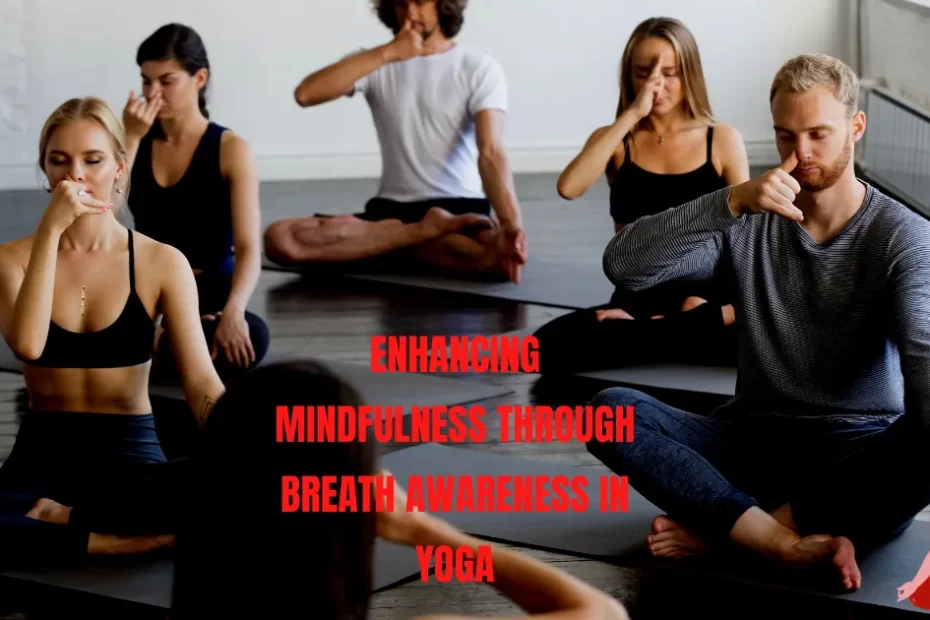
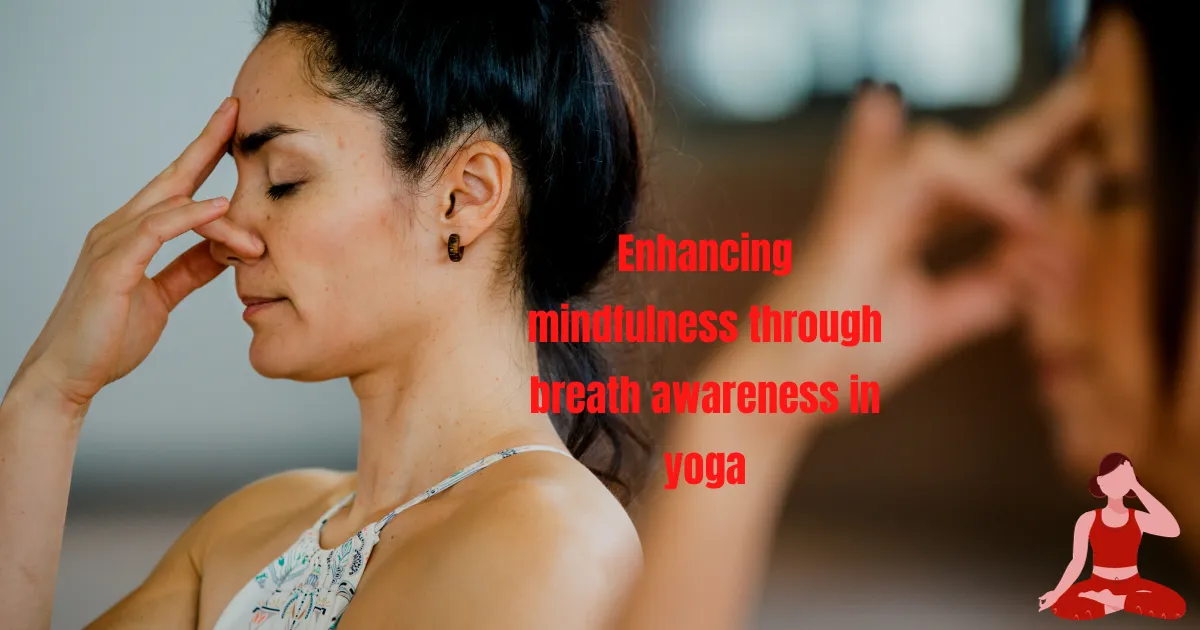
Nadi Shodhana Pranayama: This alternate-nostril breathing technique balances the left and right sides of the brain. Close your right nostril with your thumb, inhale through the left nostril, then close the left nostril with your ring finger and exhale through the right. Repeat this pattern.
Synchronizing Breath with Movement:
In yoga poses, breath and movement are intertwined. For instance, in a Sun Salutation, you inhale, raise your arms overhead, and exhale as you fold. Syncing breath with movement enhances flexibility, balance, and flow, allowing you to dive deeper into each pose.
Find a comfortable spot: It is important to find a comfortable space to practice yoga in order to truly get the benefits from it. Look for one that is not too hot or cold and be sure to place your mat or other materials on a flat surface. Reduce external noise and distractions as much as possible.
Warm up your body: Gently warm up your muscles with basic exercises such as shoulder rolls, side bends, chair twists, ankle circles etc. This will prepare you specifically for stretching and also increase circulation throughout the body before getting into deeper poses.
Start with breathing techniques: Start by consciously slowing down your breath and counting slowly in sets of 4 (inhale 1-2-3-4, exhale 1-2-3-4). As you begin to become more familiar with this type of breathing and its powerful effects, try some pranayama exercises such as alternate nostril breathing or even kapalabhati and ujjayi pranayama (breathing in yoga).
Focus on different muscle groups: While doing these stretches focus on different muscle groups within the body from head to toe — neck, shoulders, back, chest, abdomen/core, legs etc.). Take your time over each area and hold each stretch for around 10 seconds or a few deep breaths depending on what feels comfortable for you mentally and physically at any given time.
Use props: Props such as blocks can really help enhance stability when performing yoga postures so that we can fully embody each pose without compromising alignment or adding stress simply due to lack of flexibility or experience with the pose itself.
Create balance between intensity levels & relaxation: Alternate between dynamic stretching movements while integrating moments of rest – go inward and move slowly - just take a break! Taking this kind of approach provides an increased level of awareness while allowing us greater access into our bodies proprioception system and sense of physical intuitive beingness in our inner world too when done with mindful intent & diligence -- vital shadows required for sustainable long term growth in any Yoga practice!
Cool down & integrate changes: Once you’ve completed all the stretches spend 5+ minutes lying still perhaps focusing solely on following your breath whilst feeling any sensations (spaces/shifts) that may have been created from doing your practice beforehand...Savasana (corpse pose) is an excellent way also to let everything settle; considering how best we can use what has changed within & take it forward into our day harmoniously!
Utilize Proper Breathing Techniques (breathing in yoga)
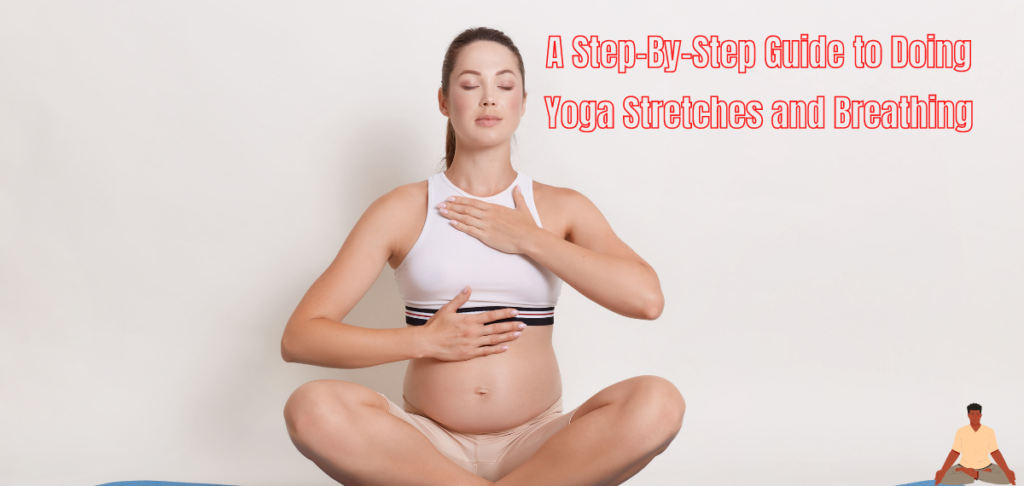
Proper breathing plays a critical role in your yoga practice. It helps to relax and further concentration. While doing each pose, focus on slow, even breaths as you move into the posture and then hold it for several seconds. Inhale on your way into a pose, exhale when holding the posture, and then inhale again as you transition out.
Direct your breath through your mouth or nose, depending on the instructions given by your instructor. Focusing on counting breaths is often beneficial because it can keep you in the present moment and open up space for peaceful reflection.
- Inhaling through the nose for 4 seconds.
- Holding the breath for 7 seconds.
- Exhaling through the mouth for 8 seconds.
The Science: How Yoga “Hacks” Your Vagus Nerve
Most people think yoga is just about muscles and flexibility. But the real “magic” happens in your nervous system. When you practice Pranayama (yogic breathing), you are essentially using your breath as a remote control for your brain.
What is the Vagus Nerve?
The Vagus Nerve is the longest cranial nerve in your body, often called the “wandering nerve” because it travels from your brainstem down to your heart, lungs, and digestive tract. It is the command center for your Parasympathetic Nervous System (PNS)—the system responsible for “Rest and Digest.”
The “Yoga-Vagus” Connection
When you take a slow, deep breath in yoga, two major biological shifts occur:
Vagal Tone Activation: Deep, diaphragmatic breathing stimulates the vagus nerve to release acetylcholine. This neurotransmitter acts as a natural tranquilizer, instantly telling your heart to slow down and your blood pressure to drop.
Heart Rate Variability (HRV): Scientific studies in 2025-2026 show that regular yoga increases your HRV—the variation in time between heartbeats. A high HRV is a primary marker of a resilient nervous system that can “bounce back” from stress quickly.
Cortisol Reduction: By shifting out of “Fight or Flight” mode (the Sympathetic Nervous System), yoga breathing signals the adrenal glands to stop pumping out cortisol, the body’s primary stress hormone.
Expert Tip: To maximize vagus nerve stimulation, focus on the exhale. Science shows that vagal activity is highest when your exhalation is longer than your inhalation.
Why This Matters for Your Health
Stimulating the Vagus Nerve isn’t just about feeling “zen.” It has measurable physical benefits:
Reduces Chronic Inflammation: A healthy vagal tone inhibits pro-inflammatory cytokines.
Improves Digestion: Since the nerve innervates the gut, “yoga breath” helps move food through the digestive tract and reduces bloating.
Better Sleep: Activating the PNS before bed is the fastest way to signal to your brain that it is safe to fall into deep, restorative sleep.
Source & Credits:
Unique Solutions to Cleanse Your Mind and Body
Yoga: La gran arma para combatir el estrés y encontrar serenidad
Flexibility and Core Strength in Yoga: Why They Matter and How to Improve Both
Stretch, Strength, And Balance Exercises For Seniors
Burn More, Track More: The Yoga Burn Calorie Calculator
https://www.health.harvard.edu/staying-healthy/the-importance-of-stretching