
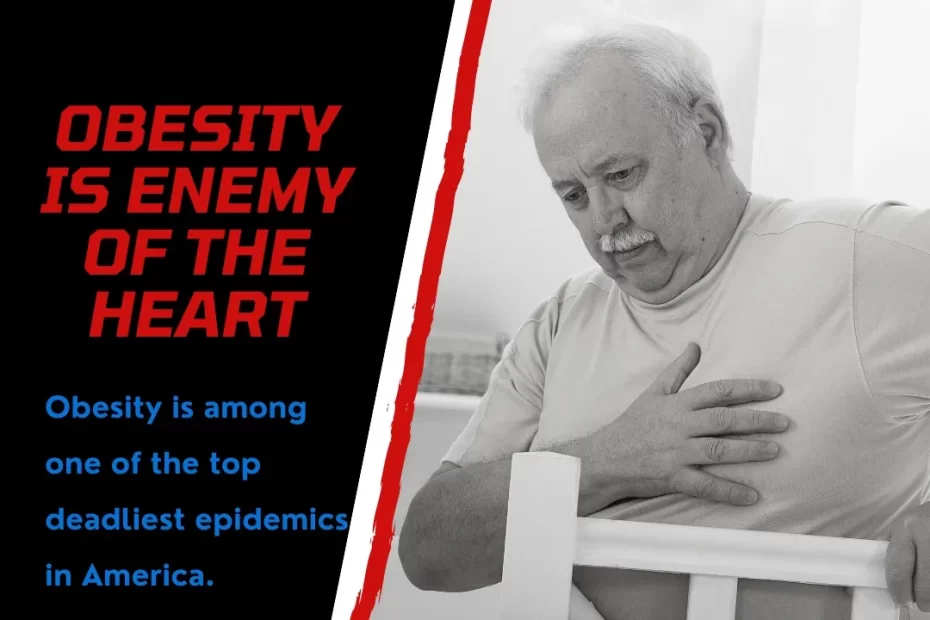
It’s natural to feel a twinge of worry when you hear about heart health, especially as you get older. The numbers can be alarming: global obesity rates have nearly tripled since 1975, and heart disease remains the world’s leading killer. But here’s the truth that changes everything: you are not a statistic. Understanding the Obesity-Heart Disease Connection is the first step, but the real power lies in what you do next. This isn’t about fear; it’s about control.
Table of Contents
ToggleThe Obesity-Heart Disease Connection doesn’t have to be your story. Science shows that even modest, sustainable changes—like improving your diet and increasing daily movement—can dramatically lower your risk, regardless of your age. It’s never too late to rewrite your health narrative and protect the heart that keeps you living fully.
The Heart of the Matter: What's the Connection?
Obesity-Heart Disease Connection
The relationship between overweight, obesity, and cardiovascular disease presents the latest evidence linking excess body weight with cardiovascular disease, including chronic diseases, blood pressure issues, coronary heart disease, stroke, heart failure, and their associated risk factors.
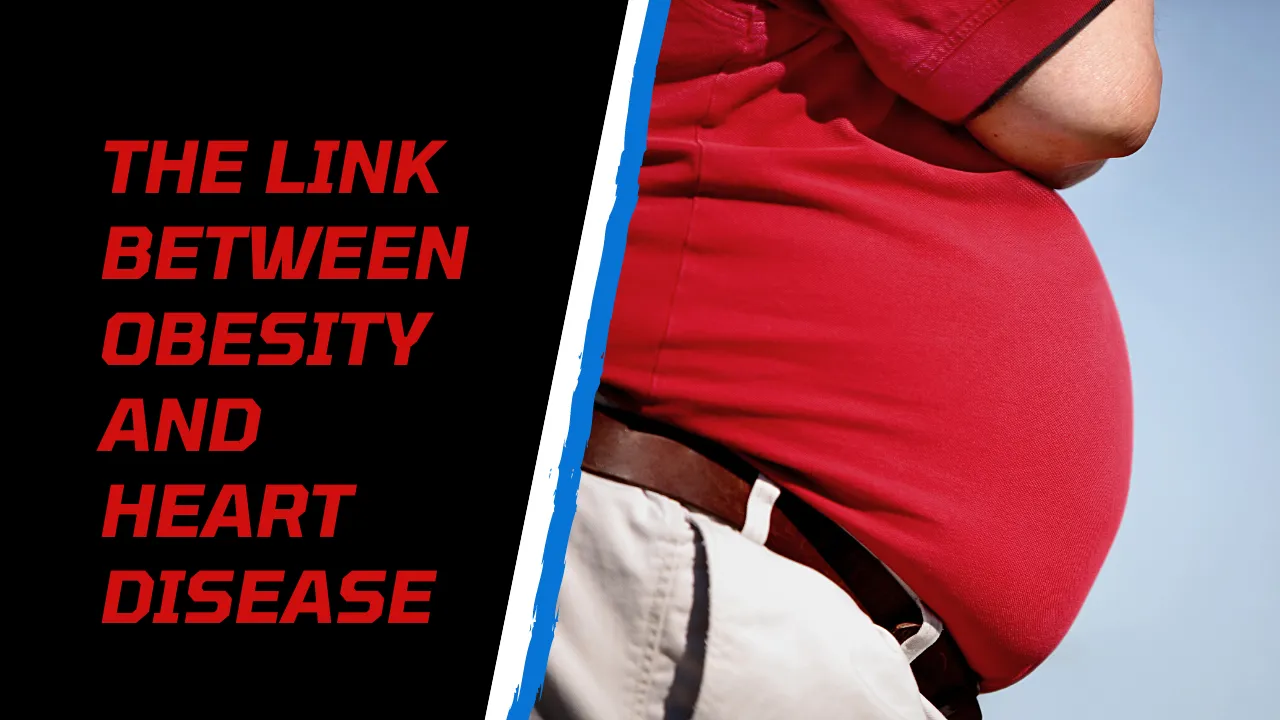
Excess weight doesn't just affect your appearance — it affects every organ in your body, especially your heart. The strain of carrying extra weight forces your heart to work harder to pump blood throughout your body, leading to a cascade of health problems over time.
Key conditions linked to excess weight:
What This Means for You Over 60
Understanding how excess weight affects your heart is the first step toward protecting it. Here's what you need to know—and what you can do about it.
Understanding Your Risks
Carrying extra weight puts continuous strain on your heart and blood vessels. This can lead to a cascade of interconnected conditions:
- High Blood Pressure — Added strain on your arteries, forcing your heart to work harder.
- Heart Disease Risk — Excess weight around your heart and cholesterol buildup can clog arteries, leading to heart attack or stroke.
- Arrhythmias — Irregular heartbeats that can cause dizziness, fainting, or more serious complications.
- Congestive Heart Failure (CHF) — Your heart struggles to pump blood efficiently, leading to fluid buildup and fatigue.
- Atherosclerosis — Hardening and narrowing of the arteries, often linked to metabolic syndrome (high blood pressure, high triglycerides, low HDL).
The Overlooked Factor: Sleep Apnea
Sleep apnea is a disorder characterized by pauses in breathing during sleep. It disrupts the natural restorative cycles your body needs to stay healthy. Why does it matter for your heart?
Each pause in breathing stresses your cardiovascular system, spiking blood pressure and reducing oxygen levels. Over time, this dramatically increases your risk of heart disease, arrhythmias, and heart failure.
Common symptoms to watch for:
Taking Control: Your Next Steps
The empowering truth: Every positive change you make—no matter how small—reduces your heart risk. Here's where to start:
- Start with your plate — Add one extra serving of vegetables to each meal.
- Move more — A daily 15-minute walk improves circulation and strengthens your heart.
- Monitor your numbers — Track your blood pressure and weight at home.
- Prioritize sleep — If you snore loudly or feel tired during the day, talk to your doctor about sleep apnea.
- Quit smoking — It's the single most powerful thing you can do for your heart.
Always consult a qualified healthcare professional before starting any new exercise program, changing your diet, or making changes to your medication or treatment plan. If you experience sudden dizziness, chest pain, shortness of breath, or severe symptoms, seek immediate medical attention.

Small Steps, Big Results
You have more control over your heart health than you think. These small, sustainable changes can dramatically reduce your risk and improve how you feel.
Fuel & Move Your Heart
Eating well and staying active are the most powerful tools you have. A low-sodium, high-fiber diet rich in fruits and vegetables helps reduce water retention, shortness of breath, and inflammation.
Exercise strengthens your heart muscle, improves circulation, and reduces inflammation — all while boosting your energy and mood.
Heart-Smart Eating
Fill half your plate with colorful vegetables. Choose whole grains and lean proteins. Limit sodium and processed foods.
Move More Daily
Start with a 15-minute walk. Gradually increase to 30 minutes most days. Even light activity makes a difference.
Lifestyle Modifications
Simple lifestyle changes can dramatically improve your heart health. Reducing stress, quitting smoking, moderating alcohol, and getting quality sleep should never be underestimated.
Smoking Cessation — Quitting smoking is the single most powerful thing you can do for your heart. It:
- Protects blood vessels — Improves blood flow and oxygen supply to your heart.
- Reduces clot risk — Lowers your chance of heart attacks and stroke.
- Prevents arrhythmias — Helps maintain a healthy, regular heartbeat.
Alcohol Moderation — If you drink, do so in moderation. Excessive alcohol:
- Weakens heart muscle — Can worsen heart failure symptoms.
- Interferes with medications — Reduces the effectiveness of your treatment.
- Raises blood pressure — Increases strain on your cardiovascular system.
Your Daily Heart Health Checklist
Eat Smart
One extra serving of vegetables
Move More
15-minute walk or light exercise
Track Numbers
Daily weight and fluid levels
Quit Smoking
Your heart's best friend
Moderate Alcohol
Limit to one drink per day
Sleep Well
7–8 hours of quality rest
Understanding the Big Picture
Obesity and heart disease affect millions worldwide. Here's what the data tells us — and why it matters for you.
The Global Epidemic
Obesity rates have nearly tripled since 1975, and heart disease remains the world's leading cause of death. The connection between the two is undeniable — but so is the power of prevention.
Regional Variations
While obesity and heart disease are global challenges, their prevalence varies significantly across regions — influenced by diet, lifestyle, and socioeconomic factors.
United States
Obesity rose from 30.2% in 2000 to 42.4% in 2020. Heart disease remains the leading cause of death.
Canada
Approximately 30% of adults are obese. Heart disease is a significant health concern nationwide.
Mexico
One of the highest obesity rates globally, with over 32% of adults affected. Heart disease is a leading cause of death.
Europe
Obesity rates are increasing across the continent, with regional variations — Southern Europe tends to have higher rates.
Understanding the Gender Differences
The connection between obesity and heart disease varies by gender — and understanding these differences can help you take the right steps for your health.
Men
Generally develop heart disease earlier in life. Higher testosterone levels and greater exposure to risk factors like smoking and stress play a role.
Women
Protected until menopause. After menopause, risk increases significantly and becomes comparable to men due to hormonal changes and loss of estrogen's protective effects.
Key factors linking obesity and heart disease in both genders:
- High blood pressure — Strains the heart and blood vessels
- High cholesterol — Elevated LDL and decreased HDL levels
- Type 2 diabetes — A significant risk factor for heart disease
- Inflammation — Damages blood vessels and increases risk
- Blood clots — Can lead to heart attacks and strokes
Sleep Apnea & Your Heart
Answers to the most common questions about the link between sleep apnea and heart problems — and what you can do about it.
Can sleep apnea cause heart problems?
Yes, sleep apnea is closely linked to cardiovascular disease. People with untreated sleep apnea are twice as likely to have a heart attack compared to those without the condition[citation:6].
Each time breathing stops during sleep, oxygen levels drop, triggering the body's "fight or flight" response. This releases stress hormones (adrenaline) that increase heart rate and blood pressure, placing strain on the heart[citation:6][citation:8].
What heart conditions are linked to sleep apnea?
Obstructive sleep apnea is linked to several serious heart conditions:
- High blood pressure (hypertension) — Sleep apnea is a major cause of hypertension[citation:7][citation:10].
- Atrial fibrillation (AFib) — People with OSA are 2 to 4 times more likely to develop this irregular heart rhythm[citation:12].
- Coronary artery disease — OSA increases the risk of heart attacks and angina[citation:11].
- Heart failure — Nearly 40% of people with heart failure also have sleep apnea[citation:12].
- Stroke — OSA is a recognized risk factor for stroke[citation:11].
- Sudden cardiac death — Untreated sleep apnea is linked to increased risk of sudden death[citation:5][citation:10].
How does sleep apnea affect the heart?
Sleep apnea affects the heart through several interconnected mechanisms:
- Oxygen drops — Repeated pauses in breathing cause blood oxygen levels to fall, stressing the heart[citation:6].
- Stress hormone surges — The body releases adrenaline, raising heart rate and blood pressure[citation:8].
- Chest pressure changes — The effort to breathe against a blocked airway strains the heart muscle[citation:12].
- Chronic inflammation — Poor sleep and low oxygen levels promote inflammation that damages blood vessels[citation:12].
- Increased sympathetic nerve activity — The "fight or flight" system stays activated, raising blood pressure even during the day[citation:12].
What are the symptoms of sleep apnea?
Common signs of sleep apnea include:
- Loud, disruptive snoring[citation:1]
- Episodes of breathing pauses during sleep (often reported by a bed partner)[citation:1]
- Excessive daytime sleepiness and fatigue[citation:1]
- Morning headaches or dry mouth[citation:6]
- Difficulty concentrating and memory problems[citation:3]
- Waking up gasping or choking[citation:3]
Does weight affect sleep apnea?
Yes, excess weight is a major risk factor for sleep apnea.
Carrying extra weight — particularly around the neck — increases pressure on the airway, making it more likely to collapse during sleep[citation:1]. Obesity is one of the strongest risk factors for obstructive sleep apnea. It also works the other way: sleep apnea can worsen weight gain by disrupting sleep hormones and increasing fatigue[citation:5].
How is sleep apnea diagnosed?
Diagnosis typically begins with an evaluation by a healthcare provider. To confirm sleep apnea, a sleep study is needed.
- Home sleep test (HST): For most people, sleep apnea can be diagnosed with a portable monitor worn overnight at home. It measures oxygen levels, heart rate, airflow, and breathing patterns[citation:6].
- In-lab sleep study (polysomnography): A comprehensive overnight test in a sleep clinic that monitors brain waves, eye movements, muscle activity, heart rate, and breathing[citation:8]. This is typically needed for central sleep apnea or if heart problems are suspected[citation:8].
How is sleep apnea treated?
There are several effective treatments for sleep apnea, depending on severity:
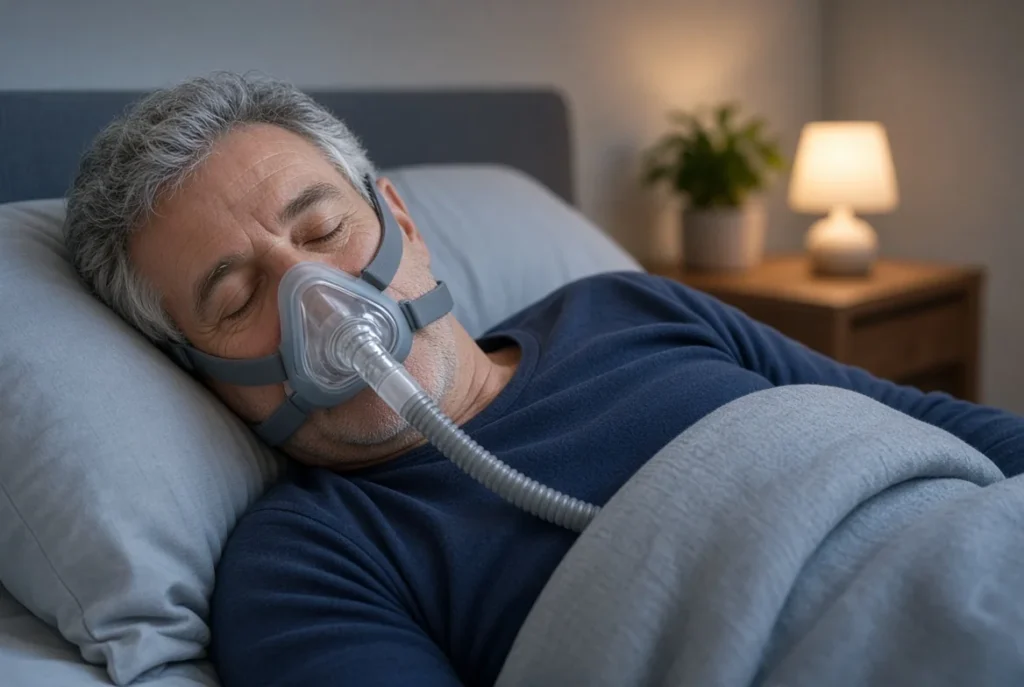
- CPAP (Continuous Positive Airway Pressure): The "gold standard" treatment. A mask worn during sleep delivers gentle air pressure to keep the airway open. It can dramatically improve symptoms and lower blood pressure[citation:1][citation:9].
- Lifestyle changes: Weight loss, exercise, and sleeping on your side can significantly reduce apnea severity[citation:1].
- Oral appliances: Custom-fit mouthguards that hold the jaw forward to keep the airway open[citation:1].
- Positional therapy: Devices that encourage side-sleeping[citation:1].
- Surgery: In some cases, procedures to remove or reduce throat tissue may be recommended[citation:3].
What's the difference between obstructive and central sleep apnea?
There are two main types of sleep apnea, and they affect the heart differently:
- Obstructive sleep apnea (OSA): Caused by physical blockage of the airway when throat muscles relax. This is the most common type, often marked by snoring[citation:1][citation:8].
- Central sleep apnea (CSA): Caused by the brain failing to send signals to breathe. There is no airway blockage, and snoring is less common[citation:2][citation:8].
Is it too late to treat sleep apnea if I already have heart disease?
Absolutely not. Treating sleep apnea is important at any stage of heart disease.
Even if you already have heart problems, treating sleep apnea can:
- Lower blood pressure — CPAP can reduce blood pressure by 2-10 mmHg, especially in resistant hypertension[citation:9].
- Reduce the risk of atrial fibrillation recurrence after treatment[citation:9].
- Improve symptoms like fatigue, sleepiness, and quality of life[citation:9].
- Lessen the strain on your heart[citation:8].
💚 Your Heart Health Journey: A Summary
We've covered a lot of ground, from understanding the serious obesity-heart disease connection to creating a practical action plan. The data—both global and regional—can feel overwhelming, but here's the truth that matters most: you are not a statistic.
The numbers show us that obesity and heart disease are a global challenge, affecting millions across the Americas and the world. But they also reveal a powerful opportunity. Every positive change you make, no matter how small, reduces your risk and improves your quality of life.
What We've Learned Together
Excess weight puts strain on your heart, raises blood pressure, and increases your risk of conditions like arrhythmias and heart failure. But understanding the obesity-heart disease connection is the first step to breaking that cycle.
One of the most important—and often missed—connections is how sleep apnea cause heart problems. If you or a loved one snores loudly or feels tired during the day, this is a crucial conversation to have with your doctor. Treating sleep apnea can dramatically improve your heart health and overall well-being.
You don't need to overhaul your life overnight. Start with one small change: add a vegetable to your plate, take a 15-minute walk, or track your weight daily. These small steps build momentum and lead to lasting results.
This is the most empowering truth of all: Is weight loss safe for seniors with heart disease? Yes, it is—when done wisely and with medical guidance. A moderate, nutrient-focused approach to weight loss can reduce strain on your heart, improve your energy, and help you live more fully.
Your Heart Deserves This
We're here to support you every step of the way.