

Skip to content

Oxalate Rich Foods List: Think Twice Before Eating

  • by
oxalate rich foods

Kidney stones are hard deposits that form in the kidneys and can cause significant discomfort. One way to prevent and manage kidney stones is by following a low-oxalate diet. Oxalate (oxalate rich foods), found in many foods, contributes to the formation of certain types of kidney stones.

How Oxalates Affect the Body

Naturally occurring in many plants, oxalates play a significant role in kidney health and nutrient absorption.

Kidney Stone Formation

  • Calcium Oxalate Stones: Crystals form when oxalates bind with calcium in the kidneys.
  • Discomfort: Can cause severe back/side pain and urinary symptoms.

Nutrient Absorption

  • Binding: Oxalates bind to calcium in the gut, potentially causing deficiencies.
  • Minerals: Can also impact the absorption of magnesium and iron.

Gut & Joint Health

  • Microbiota: Imbalances in gut flora can increase oxalate absorption.
  • Crystals: May form in joints, causing gout-like inflammation.

Mindful Eating: The Calcium Ally

Oxalates bind to calcium in the urine, forming crystals. However, contrary to popular belief, calcium is an ally in the gut.

The Role of Calcium in Management

Consuming calcium-rich foods (dairy or fortified milks) alongside oxalate-rich meals binds the acid in the digestive tract, preventing it from reaching the kidneys.

Dietary Guidelines for Oxalates & Kidney Stones

💧 Stay Hydrated Drink plenty of water to maintain urine volume and lower oxalate concentration.
⚖️ Moderation is Key Balance is everything. You don't need to avoid all foods—simply spread oxalate-rich items throughout your day.
📏 Portion Control Quantity matters. Large amounts of even low-oxalate foods can increase your total intake.

Influencing Dietary Factors

🧂 Sodium Intake

High sodium causes calcium to leak into your urine. Reduce salt by avoiding processed foods and canned soups.

🥩 Animal Protein

Excess red meat and poultry can raise uric acid levels. Try incorporating more plant proteins like legumes and nuts to lower your risk profile.

Treatment & Medical Care

Options depend on the stone's size, location, and the severity of your symptoms.

  • Small Stones: Often pass naturally with aggressive hydration and pain management. See Natural Remedies →
  • Larger Stones: These typically require medical intervention, such as lithotripsy (shock waves) or surgical removal.

A low-oxalate diet is a highly effective therapeutic option to manage existing stones and prevent future formation.

low oxalate diet, oxalate rich foods

🌿 Safe to Include: Low Oxalate Foods

Food
Category
Nutrition
Benefits
FoodCauliflower
CategoryVegetable
Vit C, Fiber
Immunity & Digestion
Broccoli
Vegetable
Folate, Fiber, Vit K
Anti-inflammatory
Cabbage
Vegetable
Vit C, Antioxidants
Detox support
Carrots
Vegetable
Beta-carotene
Eye health
Celery
Vegetable
Potassium, Water
Hydration
Cucumber
Vegetable
Vit K, Hydration
Skin health
Green beans
Fiber, Vit C
Blood sugar balance
Lettuce
Leafy Green
Water, Folate
Easy to digest
Onions
Vegetable
Quercetin
Heart health
Peas
Legume
Protein, Fiber
Satiety
Potatoes
Starchy Veg
Potassium, Vit C
Energy source
Radishes
Vegetable
Vit C, Fiber
Detox support
Tomatoes
Fruit/Veg
Lycopene, Vit C
Heart-healthy
Zucchini
Vegetable
Vit A, Manganese
Low carb
Apples
Fruit
Fiber, Vit C
Gut health
Berries
Fruit
Antioxidants
Anti-inflammatory
Grapes
Fruit
Resveratrol
Circulation
Melon
Fruit
Water, Vit A
Refreshing
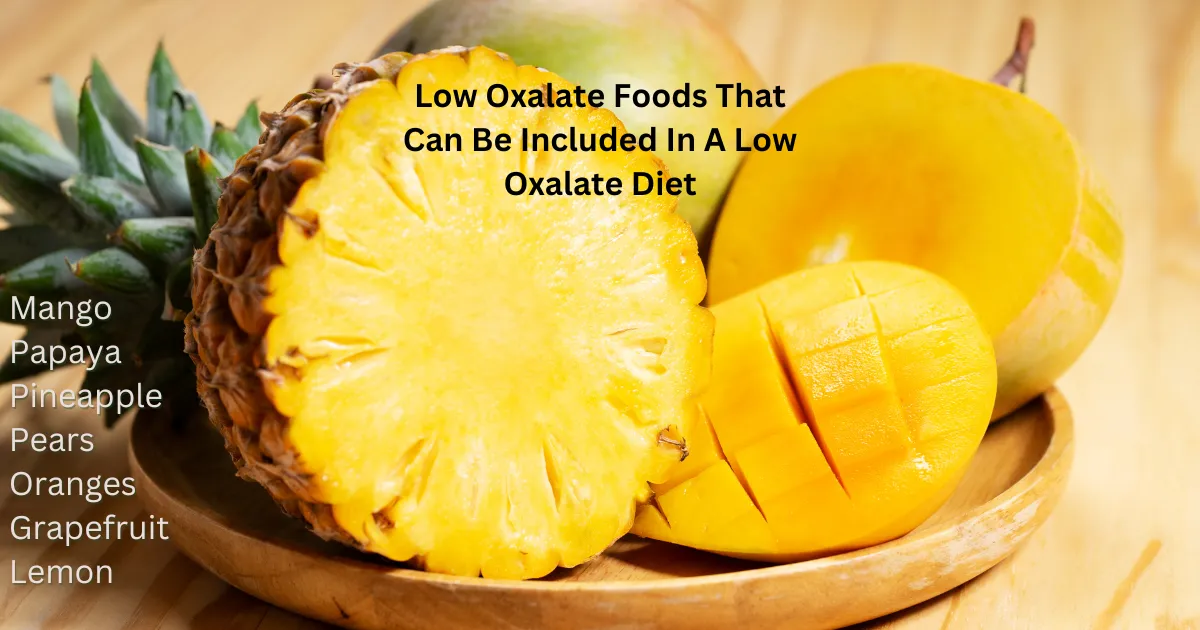
Mango
Fruit
Beta-carotene
Immune function
Papaya
Fruit
Enzymes, Vit C
Aids digestion
Pineapple
Fruit
Bromelain
Digestive support
Pears
Fruit
Fiber, Potassium
Heart-friendly
Oranges
Fruit
Vit C, Folate
Skin health
Grapefruit
Fruit
Antioxidants
Weight health
Lemon
Fruit
Citric Acid
Alkalizing aid
Bananas
Fruit
Potassium, B6
Muscle function
Cheese
Calcium, B12
Bone health
Milk
Dairy
Calcium, Vit D
Bone strength
Dairy
Probiotics
Immune support

⚠️ High Oxalate Foods: Think Twice

Food
Group
Nutrition
Considerations
FoodSpinach
Iron, Folate
Very High Oxalate
Rhubarb
Vegetable
Fiber, Vit C
Extremely High
Swiss Chard
Leafy Green
Magnesium, Vit A
Eat in moderation
Beet Greens
Leafy Green
Antioxidants
Very High
Almonds
Nut
Healthy Fats
Moderate to High
Cashews
Nut
Zinc, Magnesium
Portion control
Peanuts
Legume
Protein, Niacin
Moderate content
Soy (Tofu)
Plant Protein
Protein, Isoflavones
Check preparation
Wheat Bran
Whole Grain
Fiber, B Vits
Interferes with minerals
Bran Flakes
Cereal
Dietary Fiber
Brand dependent

Oxalate Rich Foods Explained

Oxalates (oxalic acid) are naturally occurring compounds in many plant-based foods. While generally harmless for most people, high oxalate levels can contribute to kidney stone formation in individuals who are sensitive or prone to calcium oxalate stones.

🍫
High Oxalate
Chocolate
The Cause: Made from cocoa, which naturally contains high oxalate levels.
Benefits: Rich in antioxidants and magnesium.
🔄 BETTER ALTERNATIVE White chocolate or carob
High Oxalate
Black Tea
The Cause: Leaves are naturally high in oxalates, especially when steeped longer.
Benefits: Heart-healthy polyphenols and flavonoids.
🔄 BETTER ALTERNATIVE Herbal teas (Chamomile/Peppermint)
🧊
High Oxalate
Instant Coffee
The Cause: Concentrated processing significantly increases oxalate content.
Benefits: Boosts energy and contains antioxidants.
🔄 BETTER ALTERNATIVE Brewed coffee or Chicory root
🍠
High Oxalate
Sweet Potatoes
The Cause: Rich in oxalates, concentrated primarily in the skin and flesh.
Benefits: Excellent fiber, Vit A, and Potassium.
🔄 BETTER ALTERNATIVE Butternut squash or Carrots
🌾
High Oxalate
Wheat Bran
The Cause: This high-fiber grain is naturally rich in oxalates.
Benefits: Promotes digestion and rich in B vitamins.
🔄 BETTER ALTERNATIVE Rice bran, Oatmeal, or Barley
🥣
High Oxalate
Bran Flakes
The Cause: Processed cereal from wheat bran concentrates oxalates further.
Benefits: High in dietary fiber and essential iron.
🔄 BETTER ALTERNATIVE Cornflakes or Puffed Rice cereal

Treatment for kidney stones depends on the stone’s size, location, and the severity of symptoms. In many cases, small stones can pass naturally with increased hydration and proper pain management. However, dietary factors—especially frequent consumption of oxalate-rich foods—can play a role in stone formation and recurrence. Reducing intake of oxalate-rich foods such as spinach, beets, and certain nuts may help lower the risk of developing new stones.

For individuals prone to kidney stones, understanding how oxalate-rich foods affect the body is an important part of long-term prevention. Larger stones, or those causing significant discomfort, may require medical treatment such as medication or minimally invasive procedures.

📱

Join the Conversation

Connect with us for daily tips, healthy aging inspiration, and community support across your favorite platforms.

✨ Respectful discussions and shared experiences are always welcome in our community.
Please follow and like us:

Leave a Reply

Your email address will not be published. Required fields are marked *