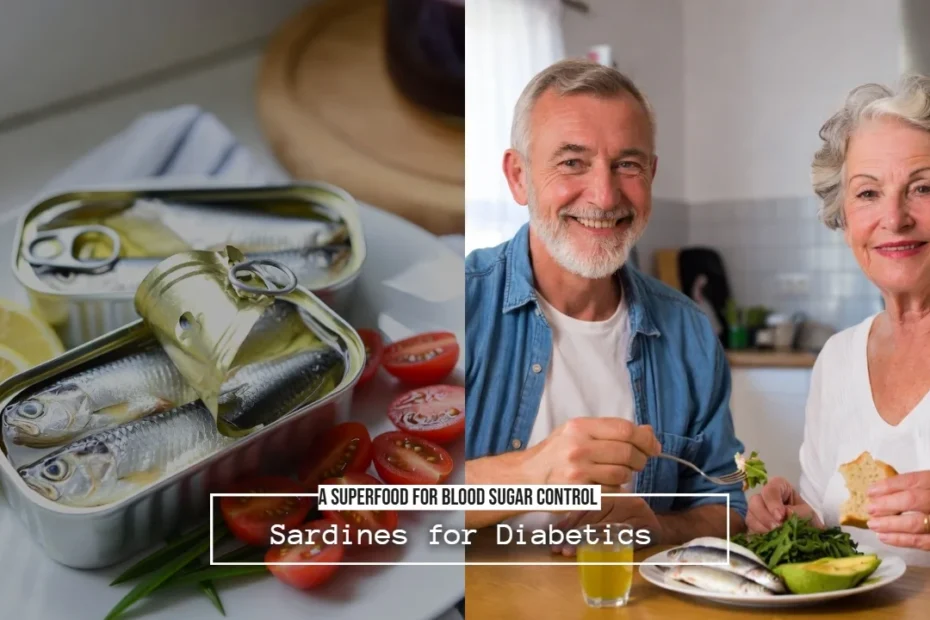
Sardines for Diabetics: Are you diabetic and looking for a healthy protein source for your diet? Look no further than sardines and sardine meal, a nutrient-rich fish often overlooked in favor of more popular options like salmon or tuna. Sardines are not only delicious and versatile, but they also offer a variety of health benefits for diabetic patients.
- Sardines, the Superfood & ultimate efficiency food.
- 🩸 Sardines for Diabetics & Blood Sugar Control
- ⚖️ Sardines for Weight Loss After 60
- 🦴 Why Sardines Beat Milk for Calcium (Senior Bone Health)
- ❤️ Sardines & Blood Pressure: A Dual Shield
- 🍽️ 3 Easy Sardine Meals (Senior-Friendly)
- 🧠 Omega-3s: EPA & DHA Powerhouses
- 🛡️ Safer Seafood Choice: Low Mercury
- 🥑 The Smart-Pairing Guide (Stable Energy)
- Low-Mercury Fish For Weight Loss Over 60: Canned Options for Elderly Bone Health
- Fatty Fish Matrix: Sardines for Diabetes & Vitality
- 🩸 Sardines for Diabetics & Blood Sugar Control
Sardines, the Superfood & ultimate efficiency food.
Sardines are a powerhouse of nutrition, making them an excellent addition to any diabetic meal plan. Sardines are low in carbs, high in omega-3s, and perfect for diabetic-friendly healthy dieting plans.
As we age, maintaining physical independence requires a strategic approach to nutrition. Incorporating canned fish for elderly bone health into your weekly diet is one of the easiest ways to secure bioavailable calcium, vital Vitamin D, and high concentrations of anti-inflammatory Omega-3 fatty acids. If you are tracking your caloric intake, choosing a low mercury fish for weight loss over 60 helps build lean muscle tissue while keeping metabolism active without the risk of heavy metal accumulation.
Whether you choose convenient canned wild salmon, mackerel, or traditional sardines, integrating these shelf-stable options simplifies meal prep. Prioritizing canned fish for elderly bone health protects skeletal integrity and reduces joint stiffness. At the same time, relying on low mercury fish for weight loss over 60 ensures that you can hit your daily fitness and body composition goals safely, cleanly, and affordably.
📑 Pinch of Flavor Menu
🩸 Sardines for Diabetics & Blood Sugar Control
Sardines are a top-tier choice for metabolic health because they have a low glycemic index (GI). This means they digest slowly, preventing dangerous blood sugar spikes. Beyond glucose control, their high Omega-3 content helps lower triglycerides and combat systemic inflammation — essential for diabetes management and heart protection.
⬆ Back to menu⚖️ Sardines for Weight Loss After 60
Packed with protein, sardines keep you fuller for longer, reducing cravings. They also provide potassium, which helps regulate fluid balance and nerve function. Studies show that omega-3s help improve insulin sensitivity — a key factor for weight management in older adults.
⬆ Back to menu🦴 Why Sardines Beat Milk for Calcium (Senior Bone Health)
Sardines outshine milk by providing 325mg of calcium per serving alongside Vitamin D and Magnesium, which are essential for absorption. Since you eat the soft, mineral-rich bones, they offer a dairy-free, low-calorie punch that builds bone density more efficiently than a glass of milk — critical for fall prevention after 60.
⬆ Back to menu❤️ Sardines & Blood Pressure: A Dual Shield
Research in the Journal of Nutrition found that omega-3s can significantly reduce systolic blood pressure. For those with diabetes, sardines provide a double benefit: glucose stability and cardiovascular protection.
⬆ Back to menu🍽️ 3 Easy Sardine Meals (Senior-Friendly)
1. Sardine Avocado Toast: Mash sardines with lemon on whole-grain toast.
2. Sardine Chickpea Salad: Mix with chickpeas, cucumber, and olive oil.
3. Warm Sardine Pasta: Toss with garlic, cherry tomatoes, and parsley.
🧠 Omega-3s: EPA & DHA Powerhouses
Sardines deliver powerful nutrition—especially omega-3 fatty acids proven to reduce inflammation, support memory and mental clarity, improve cholesterol, and decrease the risk of heart disease. Perfect for aging brains.
⬆ Back to menu🛡️ Safer Seafood Choice: Low Mercury
Unlike larger fish such as tuna or swordfish, sardines are low on the food chain. This means they contain far less mercury, making them a cleaner, safer choice for seniors to eat 2–3 times per week without worry.
⬆ Back to menu🥑 The Smart-Pairing Guide (Stable Energy)
Avocado Smash: Healthy fats + Omega-3s improve heart health.
Chickpea Toss: Fiber stabilizes blood sugar.
Lemon-Caper Zest: Vitamin C boosts iron absorption.
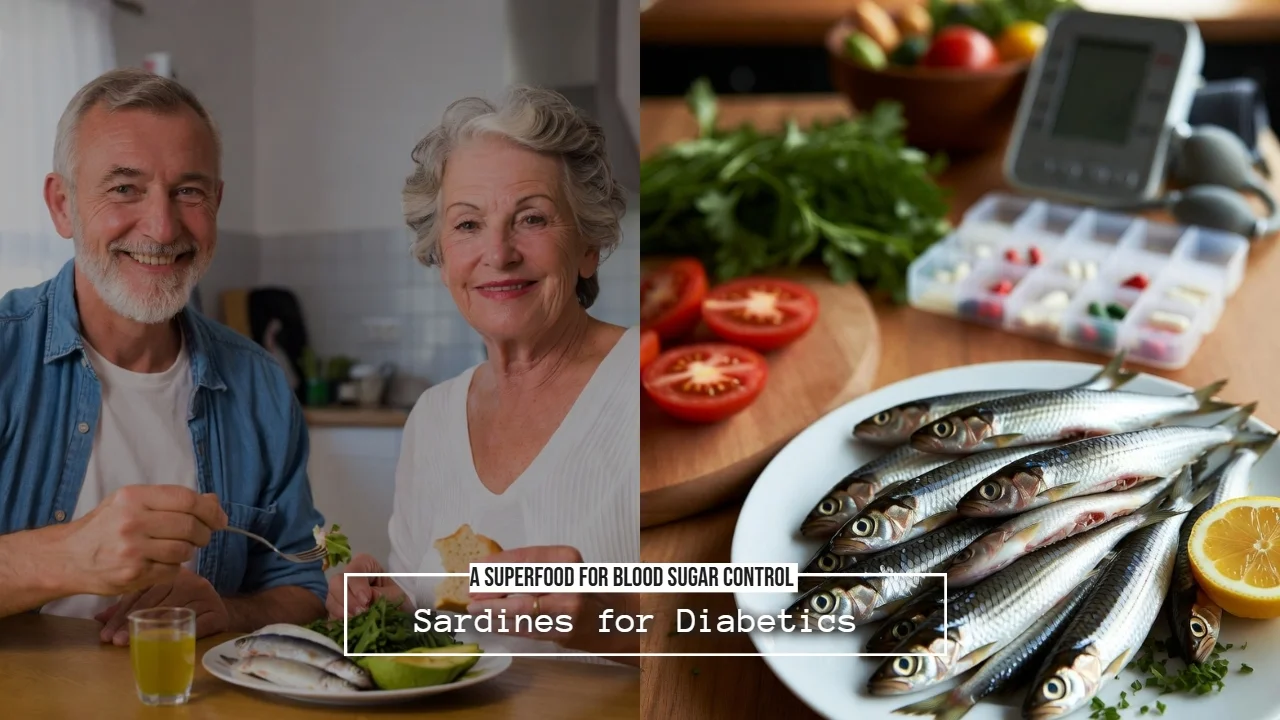
📈 Canned sardines are trending heavily in 2026 as a sustainable, budget-friendly alternative to salmon.
When discussing budget-friendly, nutrient-dense pantry staples, few items rival the mighty canned sardine. These small, oily fish are revered by nutritionists for their incredibly high levels of Omega-3 fatty acids (EPA and DHA), which are essential for brain and heart health. They also provide a rare dietary source of Vitamin D and are loaded with calcium thanks to their soft, edible bones.
While sardines set the gold standard for convenience and health, they are just one part of a robust canned fish selection. To diversify your diet and maximize structural variety, it’s smart to consider other low-mercury, high-protein canned options. Discovering alternatives ensures your pantry is fully stocked with the best protein sources the sea has to offer.
👍 The Pros & Nutritional Benefits
- Convenient & shelf-stable: Ready to eat immediately and easy to store in the pantry for months or years.
- High in high-quality protein: Provides a rapid, bioavailable protein boost for meals and snacks.
- Rich in omega-3 fatty acids: Outstanding support for heart and brain health, especially when packed in water or pure olive oil.
- Excellent calcium source: Consuming the soft, tiny bones contributes meaningful calcium values to help maintain bone density.
- Extremely budget-friendly: Significantly lower cost than fresh fillets while delivering superior nutrient concentrations.
- Versatile recipe integration: Blends perfectly into Mediterranean salads, lemon pasta dishes, sandwiches, or avocado toast spreads.
👎 The Cons & Flavor Hurdles
- Elevated sodium levels: Can run quite high in sodium content depending on the brand, particularly those stored in brine or heavy sauces.
- Pungent flavor profile: Possesses a deeply robust taste and aroma that some find too fishy when eaten straight from the tin.
- Polarizing texture elements: The presence of soft skin and visible spinal columns can be visually off-putting for absolute beginners.
- Calorie-dense oil packing: Tins submerged in vegetable oils carry significantly higher caloric metrics than spring water options.
- Packaging footprint: Frequent use creates consistent household tin waste, though the metal materials are widely recyclable.
- Varied brand standards: Processing freshness, sorting guidelines, and general ingredient quality vary drastically between discount and premium makers.
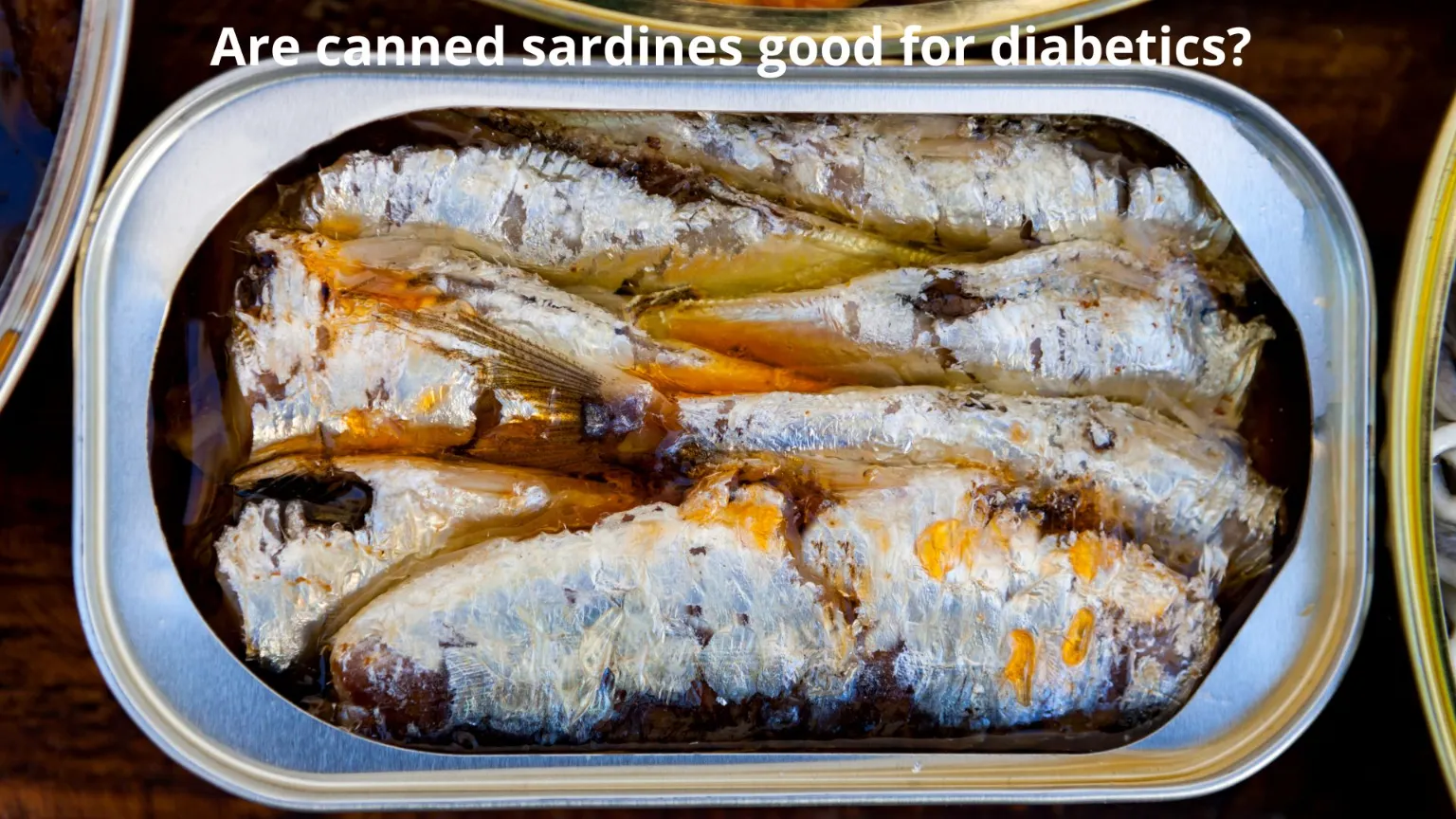
Sardines for Diabetics &Weight Loss? Absolutely — Here’s Why
Sardines are among the most underrated superfoods for healthy, sustainable weight loss. These small fish are packed with protein, which helps promote satiety, reduce cravings, and support muscle maintenance—key factors for anyone trying to shed pounds.
In addition to their protein content, sardines are rich in omega-3 fatty acids, which have been shown to help reduce inflammation, support metabolism, and even improve insulin sensitivity. This makes them especially helpful for those on low-carb or anti-inflammatory diets.
Sardines are also low in calories, carb-free, and loaded with nutrients like vitamin D, calcium, and B12, making them a wise choice for nutrient-dense eating. Plus, they’re inexpensive, shelf-stable, and incredibly versatile—perfect for quick meals or snacks.
If you’re following a high-protein diet for weight loss or just looking for clean, nourishing foods, sardines deserve a spot on your plate.
🐟 Sardines and Omega Fatty Acids: Why Your Body Thanks You
🚀 Omega-3s: EPA & DHA Powerhouses
- Reduce inflammation
- Support memory and mental clarity
- Improve cholesterol and lower blood pressure
- Decrease the risk of heart disease
🛡️ Safer Seafood Choice (Low Mercury)
🦴 Nutritional Profile Beyond Omega-3s
- Strong bones and teeth
- A robust immune system
- Healthy muscles and efficient repair
🩸 Sardines for Diabetics & Blood Sugar
📉 Sardines and Blood Pressure
⚖️ Fat Loss, Satiety & Potassium
🦴 Why Sardines Beat Milk for Calcium?
The Smart-Pairing Guide
Maximize your nutrition! Pair your low-mercury sardines with these low-GI powerhouses for stable energy:
Healthy fats in avocado combine with Sardine Omega-3s to improve heart health and keep you full for hours.
Adding fiber-rich chickpeas creates a "Sardine Salad" that stabilizes blood sugar and supports gut microbiome.
Vitamin C from lemon enhances the absorption of the non-heme iron found in sardines—perfect for fighting anemia.
A hydrating, zero-carb base that lets the savory "umami" flavor of the sardines shine without adding calories.
Low-Mercury Fish For Weight Loss Over 60: Canned Options for Elderly Bone Health
Adding nutrient-dense pantry staples to your weekly routine is an excellent way to maintain muscle tone and preserve skeletal strength. Here are four highly accessible, healthy canned seafood alternatives that offer similar nutritional profiles to traditional sardines:
1. Canned Salmon
A powerhouse of Omega-3s (EPA and DHA). Choosing wild-caught Sockeye or Pink salmon with the soft, edible bones included provides a massive boost of calcium that you won't typically find in other protein sources.
2. Canned Mackerel
Small, fast-growing, and highly sustainable. Mackerel offers a richer flavor profile than tuna but remains much milder than sardines. It is exceptionally rich in heart-healthy fats and safely low in heavy metals.
3. Canned Anchovies
Incredibly nutrient-dense. Because they are tiny, their mercury risk is negligible. They come packed with Omega-3s and Vitamin D. Look for versions in pure olive oil and rinse them quickly before eating to reduce sodium.
4. Canned Light Tuna
Skipjack varieties are smaller than Albacore, making light tuna a much lower-mercury choice. It is highly affordable, packed with lean protein, and best enjoyed when packed in spring water to keep fats low.
Fatty Fish Matrix: Sardines for Diabetes & Vitality
Use this side-by-side performance breakdown of common seafood selections to balance overall disease risk factors against raw nutritional density:
| Fish Type | Omega-3 Fats | Protein (per 100g) | Mercury Level | Calcium Value | Primary Health Benefits & Risks |
|---|---|---|---|---|---|
| Sardines | High (EPA & DHA) | ~25g | 🟢 Low Risk | Very High | Anti-inflammatory traits; outstanding support for heart, brain, and senior bone density. Completely safe for regular consumption. |
| Anchovies | High | ~29g | 🟢 Low Risk | High (with bones) | Strong anti-inflammatory profiles. High in natural savory umami flavor, but keep an eye on sodium content to avoid blood pressure spikes. |
| Swordfish | Moderate to High | ~20g | 🔴 Very High | Low | Provides protein and selenium, but carry high mercury risks that can impact the nervous system. Not recommended for regular senior consumption. |
| Tuna | Moderate | ~23-25g | 🟡 Mod-High | Low | Excellent source of lean muscle building block nutrients. Limit Albacore variations to keep mercury levels clean; prioritize water-packed tins. |
🩸 Sardines for Diabetics & Blood Sugar Control
Sardines are a top-tier choice for metabolic health because they have a low glycemic index (GI). This means they digest slowly, preventing dangerous blood sugar spikes. Beyond glucose control, their high Omega-3 content helps lower triglycerides and combat systemic inflammation — essential for both diabetes management and long-term heart protection.
Research shows that , Sardines for Diabetics, including fatty fish like sardines at least twice a week can improve insulin sensitivity and reduce fasting glucose in older adults. For seniors managing type 2 diabetes, adding a affordable can of sardines to lunch or dinner can be a game-changer.
✅ Based on real user experiences with low-mercury sardine meal plans. Individual results may vary.
📌 Next steps: Use the free 3-day meal plan above to start adding sardines into your weekly rotation. And remember: always choose sardines packed in water or olive oil for the best heart benefits.
⬆ Back to top


I remember sardines but have not eaten it in a long time.
Give them a chance and tell me after
I have read your article carefully and I agree with you very much. This has provided a great help for my thesis writing, and I will seriously improve it
Enhance Mental Health with Sardines! The omega-3 fatty acids in sardines have been linked to improved mood and reduced risk of depression, making them a valuable addition to your diabetes management plan.
Fish like salmon, tuna, and mackerel are rich in omega-3 fatty acids, which can help reduce inflammation, support weight loss goals, and improve insulin sensitivity. Make a delicious and nutritious choice for your health!
For those with diabetes, choosing fish ,like sardines, as a protein option can be a smart choice. The omega-3 fatty acids in fish have been shown to improve insulin sensitivity and reduce inflammation, both of which are important factors in managing diabetes.
Thanks for sharing. I read many of your blog posts, cool, your blog is very good.