
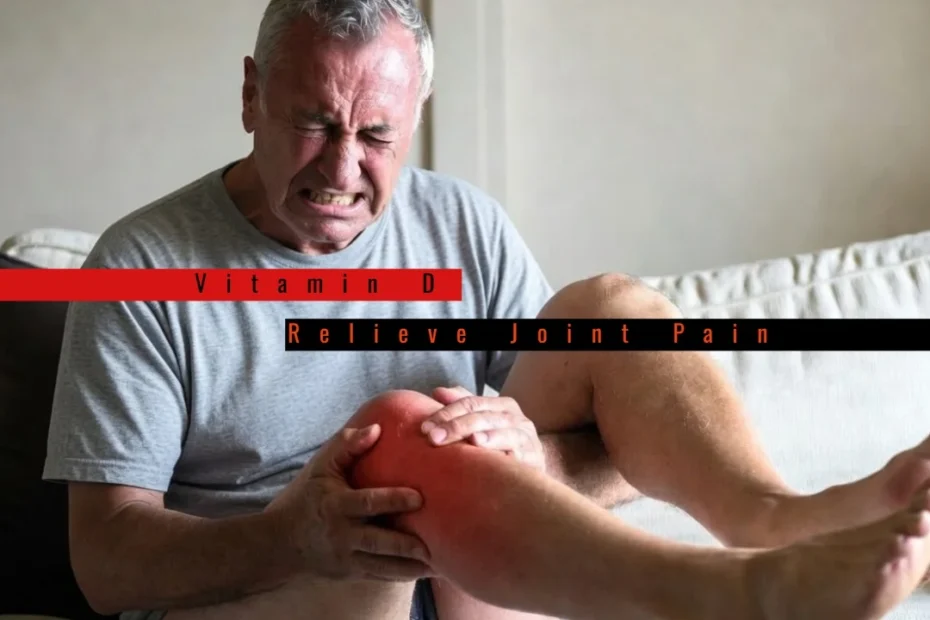
That nagging knee pain. The stiff fingers in the morning. The lower back that aches after sitting. If you’re over 50, you know the feeling. Joint pain affects nearly 1 in 4 adults – but what if the solution is simpler than you think?
Table of Contents
ToggleRecent research has uncovered a powerful link between vitamin D and joint pain relief. Low vitamin D levels are associated with increased arthritis severity, more frequent flares, and worse overall joint function.
In this guide, you’ll discover:
- 🦴 How vitamin D affects your joints (the science explained simply)
- 📊 The optimal dosage for joint pain relief (based on current research)
- 🥚 Best food sources of vitamin D (including options for every diet)
- 🧘 Gentle exercises that complement vitamin D for maximum relief
- ⚠️ Signs of deficiency – and when to see your doctor
Let’s get you moving with less pain.
⚠️ Medical Disclaimer: This information is for educational purposes only and is not a substitute for professional medical advice. Always consult your healthcare provider before starting any new supplement or exercise routine, especially if you have existing health conditions or take prescription medications.
Symptoms of Vitamin D Deficiency
Vitamin D deficiency is common nowadays. Many people don’t realize they are deficient until their doctor tells them. If you suspect you may be vitamin D deficient, look out for these signs and symptoms.
The human body requires vitamin D to absorb calcium from food and build strong bones.
Additionally, vitamin D helps regulate blood pressure, insulin levels, immune system function, mood, sleep patterns, and other bodily processes.
Vitamin D deficiency has become an increasing problem over the years, primarily due to increased time spent indoors and reduced exposure to sunlight. This means our bodies aren’t absorbing enough vitamin D through sun exposure or supplements.
New research has found that vitamin D may play a significant role in joint health and that low levels may increase the risk of rheumatologic conditions such as arthritis. Several studies have found low blood levels of vitamin D (vitamin D deficiency) in patients with osteoarthritis of the hip, knee, and neck arthritis.
Vitamin D Deficiency ~ Rheumatoid Arthritis
The body needs vitamin D to absorb calcium, essential for building strong bones. Too little of this vital nutrient can lead to thin, soft, and brittle bones, known as osteomalacia in adults and rickets in children.
Studies also have found that a lack of Vitamin D is linked to rheumatoid arthritis, an autoimmune disease characterized by swollen, aching joints, and numbness and tingling in the hands, arthritis in the big toe and feet.
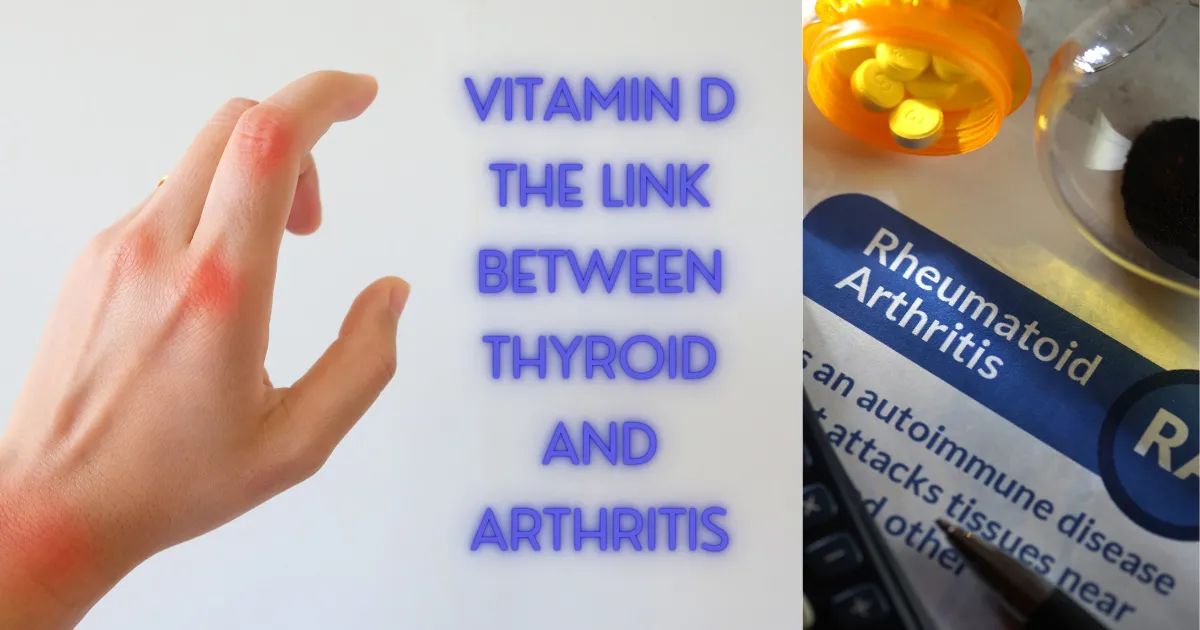
🦴 The Vitamin D–Joint Pain Connection: What Science Says
Vitamin D does three critical things for your joints:
Without enough vitamin D, your body cannot absorb calcium – the mineral that keeps bones strong and joints cushioned.
Vitamin D has anti-inflammatory properties that can reduce swelling and pain in arthritic joints.
For rheumatoid arthritis (an autoimmune condition), vitamin D helps modulate the immune system to reduce attacks on joint tissue.
A 2018 study published in International Journal of Rheumatic Diseases found that people with osteoarthritis who took vitamin D supplements reported significantly less joint pain and better physical function after 12 months.
5 Signs You May Have a Vitamin D Deficiency
| Benefit | Description |
|---|---|
| Bone Health | Vitamin D is essential for absorbing calcium and maintaining strong bones. It helps prevent osteoporosis, a condition that women are at higher risk for, especially post-menopause. |
| Immune System Support | Adequate vitamin D levels play a role in supporting a healthy immune response, making it essential for overall immune function. |
| Muscle Function | Vitamin D contributes to healthy muscle function, which is vital for strength, mobility, and balance—especially as women age. |
| Potential Links to Other Conditions | Research suggests vitamin D may help reduce the risk of: - Breast cancer - Heart disease - Type 2 diabetes - Multiple sclerosis - PCOS (Polycystic Ovary Syndrome) However, more research is needed, and supplements have not consistently shown clear benefits for these conditions. |
| Pregnancy Health | Maintaining sufficient vitamin D during pregnancy can help reduce the risk of preeclampsia and low birth weight, promoting better pregnancy outcomes. |
Best Sources of Vitamin D for Joint Health
| Source | Details |
|---|---|
| Sunlight | UV rays from the sun help your skin produce vitamin D. However, the amount produced depends on factors such as time of day, season, latitude, skin color, and sunscreen use. Relying solely on sunlight isn't recommended due to the risk of skin cancer. |
| Diet | Only a few foods naturally contain vitamin D. Key food sources include: - Fatty fish (salmon, tuna, mackerel, trout) - Fish liver oils - Egg yolks - Beef liver - Mushrooms (especially UV-exposed) |
| Fortified Foods | Many foods are fortified with vitamin D, including: - Milk (cow's milk and plant-based alternatives like soy, almond, and oat milk) - Breakfast cereals - Some yogurts - Orange juice |
Risks of Too Much Vitamin D
| Risk | Symptoms |
|---|---|
| High Calcium Levels (Hypercalcemia) | Nausea, vomiting, and constipation. |
| Excessive Thirst and Urination | Frequent urination and increased thirst. |
| Muscle Weakness | Difficulty with movement or strength. |
| Confusion | Difficulty thinking clearly or remembering things. |
| Bone Pain | Intense or chronic bone aches. |
| Kidney Stones | Painful stones in the kidneys or urinary tract. |
| Heart Rhythm Issues | In severe cases, irregular heartbeats or arrhythmia. |
What is Arthritis?
There are two main types of Arthritis: Osteoarthritis and Rheumatoid Arthritis. Osteoarthritis is the most common type of disease, and it can cause damage to joint cartilage. With enough damage to the cartilage, the bone begins to grind on the bone and can cause severe pain and discomfort.
In this case, medical treatments include physical therapy and proper medications to ease discomfort, but neither can work miracles.
Rheumatoid Arthritis is similar in that the treatment is relatively the same, with different medications being the only real difference. With Rheumatoid Arthritis, the immune system attacks the membrane that encloses the joints.
This can destroy cartilage and bone within any joint affected; osteoarthritis is not curable.
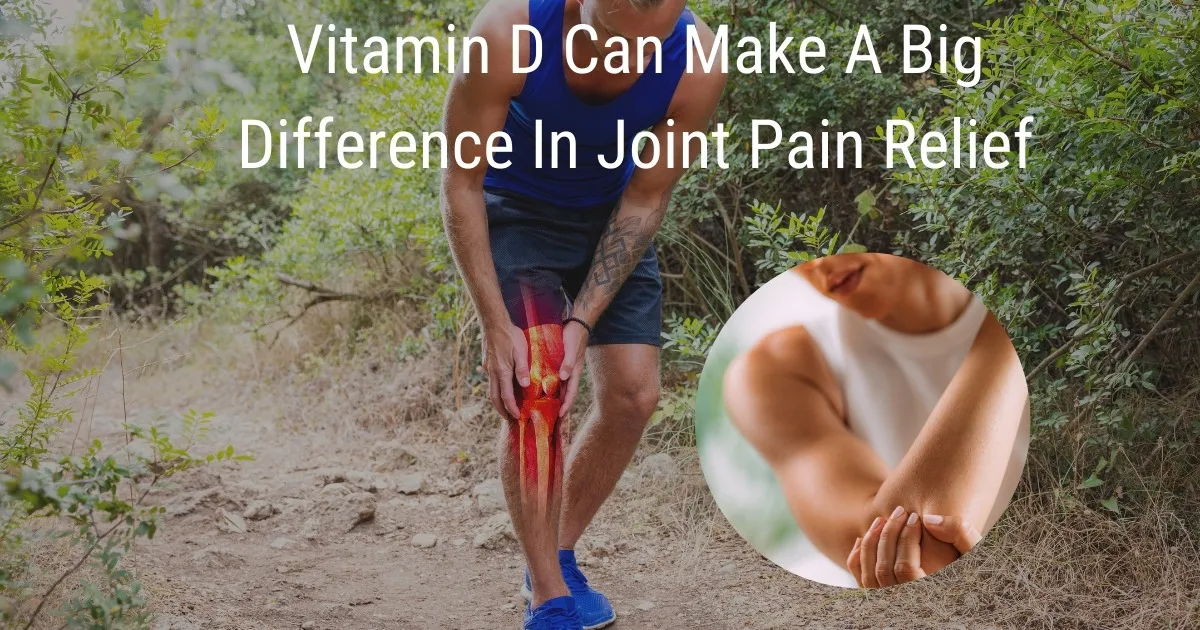
🦴 Vitamin D for Arthritis: Osteoarthritis vs. Rheumatoid Arthritis
Vitamin D affects both major types of arthritis, but in different ways. Understanding which type you have (or are at risk for) helps you target your approach.
Osteoarthritis (OA)
What it is: "Wear and tear" arthritis – cartilage breaks down over time, causing bone to grind on bone.
How vitamin D helps: Supports calcium absorption to maintain bone density. Low vitamin D levels are linked to more severe OA, especially in the knees and hips.
📊 Research note: Studies show that people with knee OA and low vitamin D have significantly worse pain and function than those with adequate levels.
Rheumatoid Arthritis (RA)
What it is: An autoimmune disease where the immune system attacks the membrane lining your joints.
How vitamin D helps: Regulates immune system function. Low vitamin D is associated with higher RA disease activity and more frequent flares.
📊 Research note: One study found that RA patients with low vitamin D had twice the disease activity scores compared to those with normal levels.
💡 Key takeaway for both types:
Getting your vitamin D levels tested is a simple blood test. If low, supplementation may reduce pain and slow progression – but always work with your doctor to find the right dosage.
For seniors with arthritis: Vitamin D works best as part of a complete approach. Pair it with the gentle exercises below and an anti-inflammatory diet (rich in fatty fish, leafy greens, and olive oil).
🧘 Natural Joint Pain Relief: Gentle Exercises That Help
Vitamin D addresses the internal chemistry of joint health. Exercise addresses the mechanics – keeping joints mobile, muscles strong, and stiffness at bay. Together, they're more effective than either alone.
⚠️ Safety first: Always consult your doctor before starting new exercises, especially if you have existing neck or back issues. Stop immediately if you feel sharp pain or increased dizziness.
🦒 Neck Exercises for Arthritis (Do These Daily)
After age 60, more than 85% of people have arthritis in their neck, according to the American Academy of Orthopaedic Surgeons. These gentle exercises help maintain mobility and reduce stiffness.
Stand or sit tall. Slowly drop your head forward until chin touches chest. Hold 5 seconds. Raise back up. Repeat 5x.
Slowly tilt your head toward your right shoulder (keep left shoulder down). Hold 5 seconds. Repeat on left. Do 5x each side.
Slowly turn your head to the right, keeping chin level. Hold 5 seconds. Turn to left. Repeat 5x each side.
Pull your chin straight back (like making a double chin). Hold 5 seconds. Relax. Repeat 10x.
Roll shoulders up, back, and down in a smooth circular motion. Repeat 10x forward, 10x backward.
🧘♀️ Yoga for Arthritis: Safe, Modified Poses
Yoga is excellent for arthritis – it's low-impact, improves flexibility, and reduces stress. But some poses need modification. Here are three safe poses for neck and spine arthritis:
Start on hands and knees. Inhale: arch back, lift head (Cow). Exhale: round spine, tuck chin to chest (Cat). Repeat 5-10 times slowly.
✅ Good for: Neck and spine stiffness
Sit tall. Slowly roll your head in a circle – right shoulder, back, left shoulder, chest. Move only as far as comfortable. Repeat 3x each direction.
✅ Good for: Neck tension and mobility
Lie on stomach, elbows under shoulders, forearms flat. Slowly lift head and chest, keeping neck long. Hold 15-30 seconds.
✅ Good for: Upper back and neck extension
🧘♀️ Finding a qualified instructor:
Look for "gentle yoga," "senior yoga," or "therapeutic yoga" classes. Tell the instructor about your arthritis before class – they can offer modifications. Many community centers and senior centers offer free or low-cost options.
📅 Sample weekly routine:
• Daily: Neck exercises (5 minutes) + Shoulder rolls (2 minutes)
• 3x per week: Cat-Cow stretch + Sphinx pose (10 minutes)
• Daily: End with 2 minutes of deep breathing to reduce stress (stress worsens arthritis pain)
Remember: Consistency beats intensity. Five minutes of gentle movement daily is better than an hour once a week.
❓ Frequently Asked Questions About Vitamin D & Joint Pain
Short, evidence-based answers to the questions people ask most often about vitamin D and arthritis relief.
💊 1. How much vitamin D should I take for joint pain relief?
The recommended daily allowance (RDA) for adults up to age 70 is 600 IU (15 mcg); for those over 70, it's 800 IU (20 mcg). However, studies on joint pain relief have used higher doses, typically 1,000-2,000 IU daily. Important: Get your blood levels tested before supplementing. Too much vitamin D can be toxic. Always consult your doctor for the right dosage for your specific situation.
🦴 2. Can vitamin D reverse arthritis or cure joint pain?
No – vitamin D is not a cure for arthritis. However, research shows that correcting a vitamin D deficiency can significantly reduce pain, improve physical function, and slow disease progression in both osteoarthritis and rheumatoid arthritis. Think of vitamin D as a necessary part of your joint health toolkit – along with exercise, anti-inflammatory diet, and medical care – not a magic bullet.
☀️ 3. Can I get enough vitamin D from sunlight alone?
For most people, sunlight alone is not reliable for maintaining adequate vitamin D levels, especially if you:
- Are over 60 (skin produces less vitamin D with age)
- Live in northern latitudes (above 37°N)
- Spend most time indoors
- Use sunscreen (which blocks vitamin D production)
- Have darker skin (melanin reduces production)
That's why food sources and supplements are often necessary – especially for seniors.
🥚 4. What are the best food sources of vitamin D for joint health?
The best natural food sources include:
- Fatty fish: Salmon, sardines, mackerel, tuna (3 oz salmon = ~450 IU)
- Egg yolks: 1 yolk = ~40 IU
- UV-exposed mushrooms: ½ cup = ~400 IU
- Fortified foods: Milk, plant-based milks, orange juice, cereals (check labels)
For seniors on a budget, canned tuna and fortified cereals are affordable options.
🩺 5. How do I know if I have a vitamin D deficiency?
The only way to know for sure is a simple blood test called the 25-hydroxyvitamin D test. Your doctor can order it. Common signs of deficiency include:
- Persistent joint or bone pain (especially lower back, hips, knees)
- Muscle weakness or aches
- Fatigue and low energy
- Frequent illness or infections
- Mood changes (depression, irritability)
- Hair thinning
If you have several of these symptoms, ask your doctor about testing.
⚠️ 6. Can I take too much vitamin D? What are the risks?
Yes – vitamin D toxicity is possible but rare. It only occurs from excessive supplementation (typically >4,000 IU daily for extended periods), not from sun or food. Symptoms of too much vitamin D include:
- Nausea, vomiting, constipation
- Excessive thirst and frequent urination
- Muscle weakness
- Confusion and fatigue
- Kidney stones
Bottom line: Never take high doses without medical supervision. Stick to the dosage your doctor recommends based on your blood test results.
📌 Still have a question about vitamin D and joint pain? Drop it in the comments below – I reply to every reader within 48 hours. And always consult your doctor before starting any new supplement.
👍 Was this FAQ helpful for your joint pain questions?



📢 share this article
✨ tap to share — help others crack the comment code


Yoga has become my secret weapon against arthritis pain. I feel stronger, more flexible, and empowered to take control of my health
After reading your article, I think the idea is very good and the creative techniques are also very innovative. However, I have some different opinions, and I will continue to follow your reply.
As someone who suffers from arthritis, I never realized how beneficial yoga could be for managing the pain and stiffness
Iyengar yoga is often recommended for people with arthritis because it can be adapted for limited mobility in one or more joints. This type of yoga prioritizes proper body alignment and precise movements and allows the use of aids, making it suitable for individuals with arthritis
A friend of mine in Israel was recently diagnosed with low Vitamin D and has been experiencing muscle aches. This post makes me wonder if there’s a link for her too. Sharing this with her now. Thanks for shedding light on this!