

When high blood pressure is an emergency known as hypertension, is a silent killer that can lead to serious health complications if left unchecked. Do you know the key symptoms of a high blood pressure emergency? It’s crucial to spot the danger signs and take action to protect your health.
Several warning signs, from severe headaches to shortness of breath, indicate a high blood pressure emergency. Understanding these symptoms can help you seek medical attention promptly and potentially prevent a life-threatening situation.
Table of Contents
ToggleIn this article, we’ll explore the seven critical symptoms of high blood pressure emergencies and discuss what you should do if you experience them.
Understanding Hypertensive Crisis
Learn the difference between a hypertensive urgency and a hypertensive emergency — and what to do in each situation.
What is a Hypertensive Crisis?
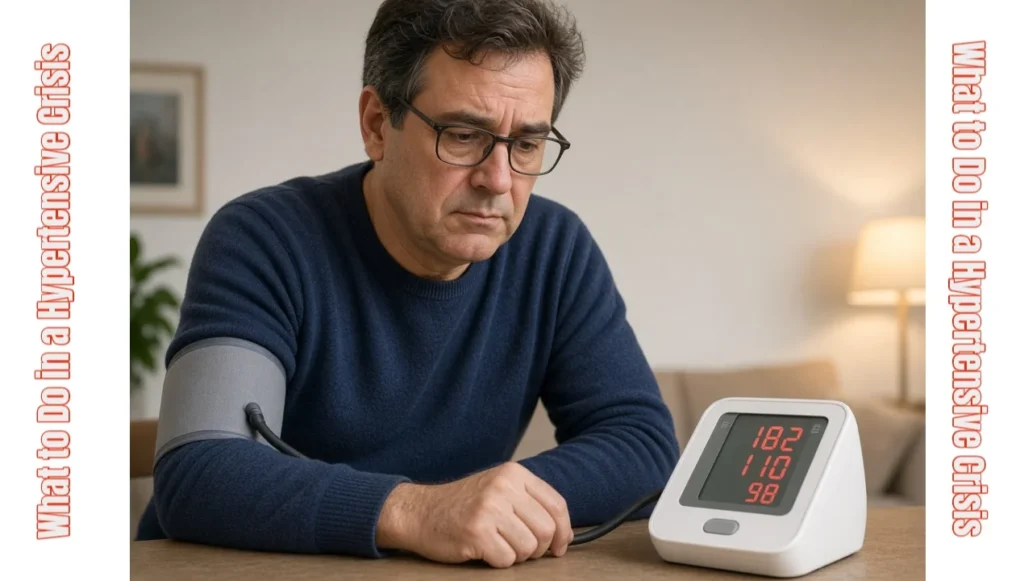
A hypertensive crisis occurs when your blood pressure spikes to 180/120 mm Hg or higher. This is a dangerous level that requires immediate attention. Think of it as your body’s alarm system—it’s telling you that the pressure inside your arteries has reached a point where it could cause damage to your heart, brain, kidneys, or other vital organs. The key is not to panic, but to act quickly and wisely. Knowing what to do next can make all the difference in protecting your health and preventing a life-threatening event.
Hypertensive Urgency vs. Hypertensive Emergency: What’s the Difference?
There are two types of hypertensive crisis, and the distinction is critical:
-
Hypertensive Urgency: Your blood pressure is 180/120 or higher, but you have no symptoms of organ damage. This is still serious and requires you to contact your doctor or healthcare provider promptly to adjust your treatment plan.
-
Hypertensive Emergency: Your blood pressure is 180/120 or higher, and you have symptoms such as chest pain, shortness of breath, vision changes, severe headache, weakness, or confusion. This is a life-threatening situation. Call 911 immediately.
What to Do in a Hypertensive Crisis
If your blood pressure reading is 180/120 mm Hg or higher, follow this step-by-step plan from the American Heart Association.
1. Check Your Blood Pressure
If your blood pressure reading is 180/120 mm Hg or higher, do not panic. Follow these steps:
- Sit quietly in a comfortable position for 1–2 minutes.
- Recheck your blood pressure using a reliable monitor.
- If the reading remains high, proceed to Step 2.
2. Check for Symptoms
Ask yourself: Do you have any of these symptoms?
- Chest pain or tightness
- Shortness of breath
- Back pain or pain between the shoulder blades
- Numbness or weakness, especially on one side of the body
- Changes in vision — blurred vision or vision loss
- Difficulty speaking or understanding speech
- Confusion or disorientation
- Dizziness or lightheadedness
3. Act Quickly
Based on your symptoms and reading, take the appropriate action:
If you have symptoms:
Call 911 immediately. This is a hypertensive emergency. Do not drive yourself to the hospital.
If you have NO symptoms:
You likely have a hypertensive urgency. Contact your doctor or healthcare professional as soon as possible for guidance.
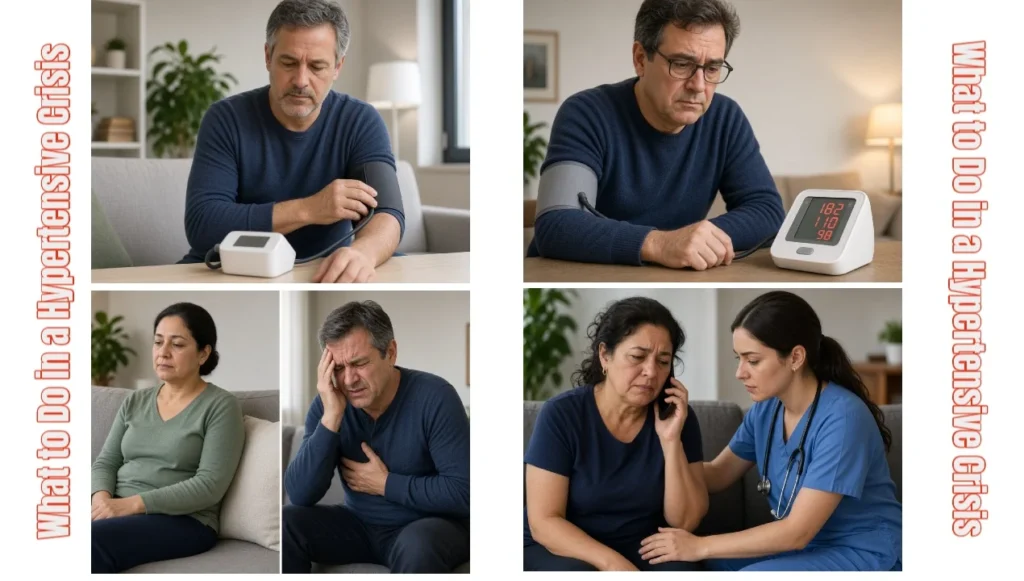
Hypertensive Crisis: Know the "Red Flag" Symptoms
Knowing when high blood pressure is an emergency can save your life. Learn the warning signs that require immediate action.
Red Flag Symptoms
High blood pressure (hypertension) is the most common form of cardiovascular disease, according to the American Heart Association.
Knowing about your body can benefit your health as you age. Understanding your high blood pressure (HBP) can help prevent strokes, heart disease, and kidney disease. Anyone can have high blood pressure — it doesn't matter what your age, race, ethnicity, or gender is.
Many people suffer from high blood pressure and have a higher risk of strokes and heart diseases than those with regular blood pressure. That's why it's so important to know when high blood pressure is an emergency.
Best Home Blood Pressure Monitor for Seniors
Monitoring your blood pressure at home is one of the most important steps you can take for your heart health. Here are our top recommendations for accuracy and ease of use.
Our Top Picks
When choosing a home blood pressure monitor, look for clinically validated accuracy, an easy-to-read display, and a comfortable cuff that fits properly. Here are our top recommendations for seniors:
Blood Pressure Tracker
Track your readings with ease using this intuitive monitor.
RecommendedFitness Tracker for Seniors
Monitor your activity and heart health in one device.
All-in-OneKey features to look for:
- Clinically validated for accuracy
- Large, easy-to-read display with backlight
- One-touch operation for simple use
- Memory storage to track readings over time
Wearable Technology for Heart Health
Beyond traditional monitors, wearable devices can provide continuous insights into your heart health and activity levels. Explore these options:
How Can I Lower My Blood Pressure?
Simple, natural changes that can make a big difference for your heart health.
Fortunately, there are many different ways to help lower your blood pressure. Exercise is a great way to reduce it. Regular physical activity can strengthen your heart over time. If you have a stronger heart, it can pump blood more easily, lessening your risk of stroke and kidney diseases. It is never too late to start exercising!
Making small changes to your habits, such as eating a lower-sodium diet, exercising regularly, maintaining a healthy weight, limiting alcohol intake, and quitting smoking, can lower your blood pressure by 10-20 mmHg or more.
Eat a Lower-Sodium Diet
Aim for less than 2,300 mg per day, or even better, 1,500 mg. Focus on fresh, whole foods.
Exercise Regularly
Even 30 minutes of brisk walking most days of the week can make a significant difference.
Maintain a Healthy Weight
Losing even a small amount of weight can have a big impact on your blood pressure.
Limit Alcohol & Quit Smoking
Reducing alcohol intake and quitting smoking are two of the most powerful changes you can make.
Managing Hypertension Headaches Naturally
Hypertension, or high blood pressure, can sometimes be accompanied by a specific type of headache. Often described as a throbbing pain on both sides of the head, a hypertension headache is a serious warning sign of severely elevated blood pressure.
While these headaches are rare and typically a symptom of a hypertensive crisis, it is essential to recognize the connection and explore long-term strategies for managing blood pressure naturally. As a nutrition expert, I'll share some effective natural ways to lower hypertension through diet and lifestyle.
The key to preventing these types of headaches and other more severe complications of high blood pressure is consistent management. One of the most effective natural ways to lower hypertension is through a healthy diet.
Eat more potassium-rich foods: A diet rich in fruits, vegetables, whole grains, and lean proteins — like the DASH diet — is incredibly effective. This approach emphasizes potassium-rich foods, which help your body balance sodium levels. Incorporating foods like spinach, bananas, sweet potatoes, and avocados can make a big difference.
Furthermore, reducing sodium intake is non-negotiable. Aiming for less than 2,300 mg per day, or even better, 1,500 mg, can significantly impact your blood pressure. Beyond diet, regular physical activity is another meaningful natural way to lower hypertension. Even 30 minutes of brisk walking most days of the week can yield great results.
Finally, managing stress through mindfulness or meditation can also contribute to a healthier blood pressure. These simple, natural adjustments can help keep your blood pressure in a healthy range, preventing future headaches and promoting overall wellness.
Source & Credits
We believe in transparency and giving credit where it's due. Here are the sources and references that helped shape this article.