
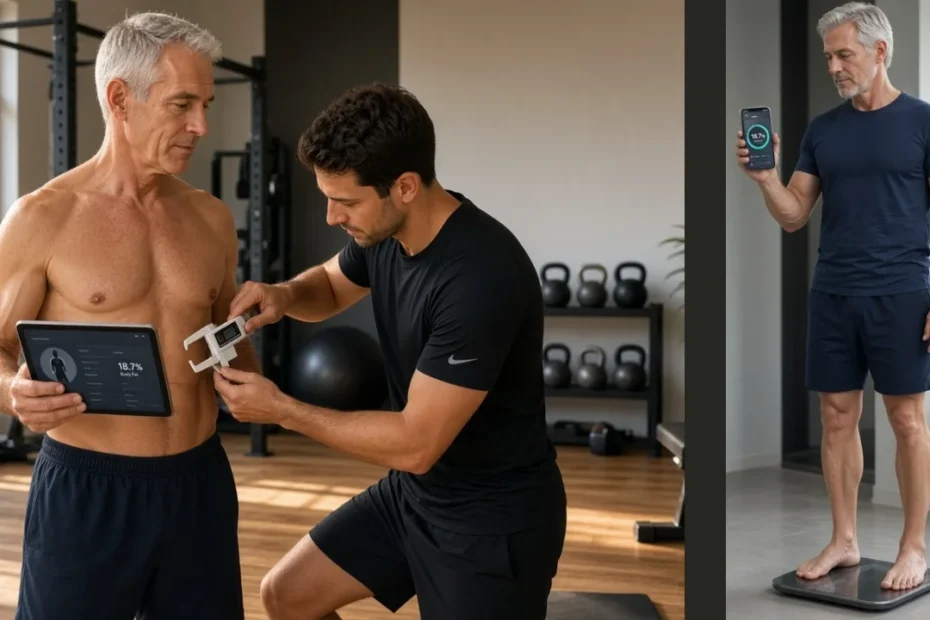
As we journey through our 50s, 60s, and beyond, our bodies undergo remarkable changes—some visible, others happening quietly beneath the surface. One of the most significant shifts is in how our metabolism processes energy. The calorie intake (Calorie Deficit Calculator for Seniors) that kept you at a stable weight in your 30s may now lead to gradual weight gain, not because of any failing on your part, but because your body's energy needs have naturally evolved.
Table of Contents
ToggleUnderstanding these changes is the first step toward taking control of your health with confidence and compassion. Whether you're looking to maintain your current weight, shed a few pounds, or simply feel more energetic, knowing your baseline—and how to adjust it safely—is essential. That's where tools like a calorie deficit calculator for seniors come into play, helping you make informed decisions without guesswork or frustration.
[boomdevs_toc auto_insert=”false”]
🍋 Calorie Needs as you age
This guide will walk you through the science of age-related metabolic changes, show you how to calculate your personal calorie needs, and help you set a safe, sustainable calorie deficit that preserves muscle mass, supports bone health, and nourishes your body for the long haul.
Always consult a qualified healthcare professional before starting any new exercise program, changing your diet, or making changes to your medication or treatment plan. If you experience sudden dizziness, chest pain, shortness of breath, or severe symptoms, seek immediate medical attention.
⚡ Why Calorie Needs Change as you age
As we grow older, our bodies undergo natural changes that directly affect how many calories we need each day. The most significant factor is the gradual loss of muscle mass—a condition known as sarcopenia—which begins as early as our 30s and accelerates after age 50.
Muscle tissue is metabolically active, meaning it burns calories even at rest. When muscle mass declines, so does your resting metabolic rate (RMR). This means your body requires fewer calories to maintain basic functions like breathing, circulation, and cell repair.
Additionally, hormonal shifts—such as decreases in testosterone, estrogen, and growth hormone—further influence how your body stores and uses energy. These changes, combined with often reduced physical activity, mean that the calorie intake that sustained you in your 30s may now lead to gradual weight gain.
Understanding this natural progression is the first step toward making informed, sustainable choices about nutrition and activity in your later years.
🧬 Understanding Sarcopenia & your RMR
Sarcopenia is the age-related loss of muscle mass and strength. It's a natural process that typically begins around age 30 and accelerates after 50, with an estimated 3–8% decline in muscle mass per decade.
Why does this matter for your metabolism? Because muscle is metabolically expensive—it burns about three times more calories per pound than fat tissue. As muscle diminishes, your resting metabolic rate (RMR) declines proportionally.
This means that even if you eat the same amount of food at 60 as you did at 40, your body will store more of those calories as fat. Studies show that RMR drops by about 1–2% per decade after age 20, largely due to sarcopenia.
The good news? Resistance training and adequate protein intake can slow—and even partially reverse—this process, helping you maintain a healthier metabolism well into your later years.
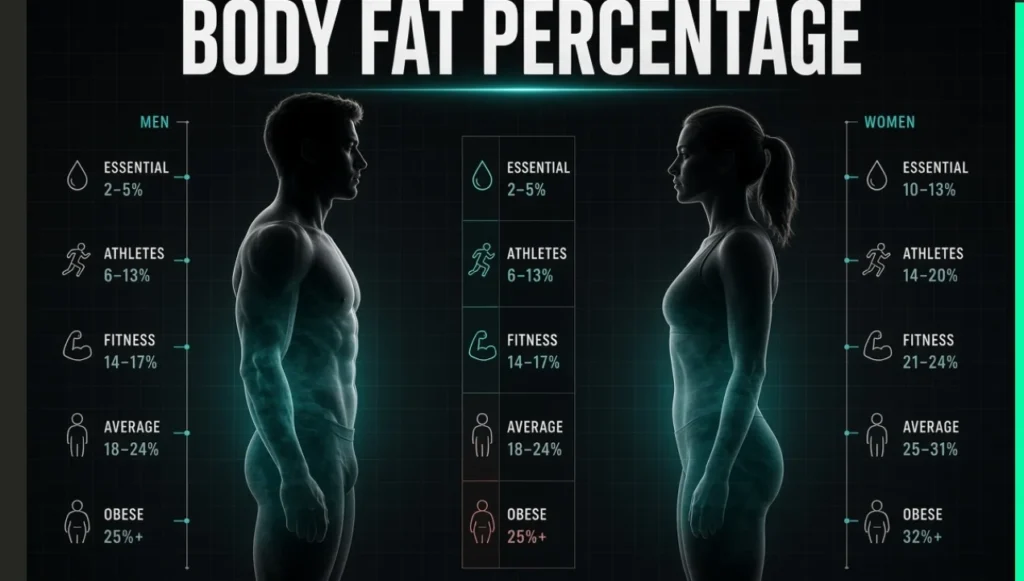
🧬 Health Calculators BFC & PC
📏 Body Fat BFC
🥩 Protein PC
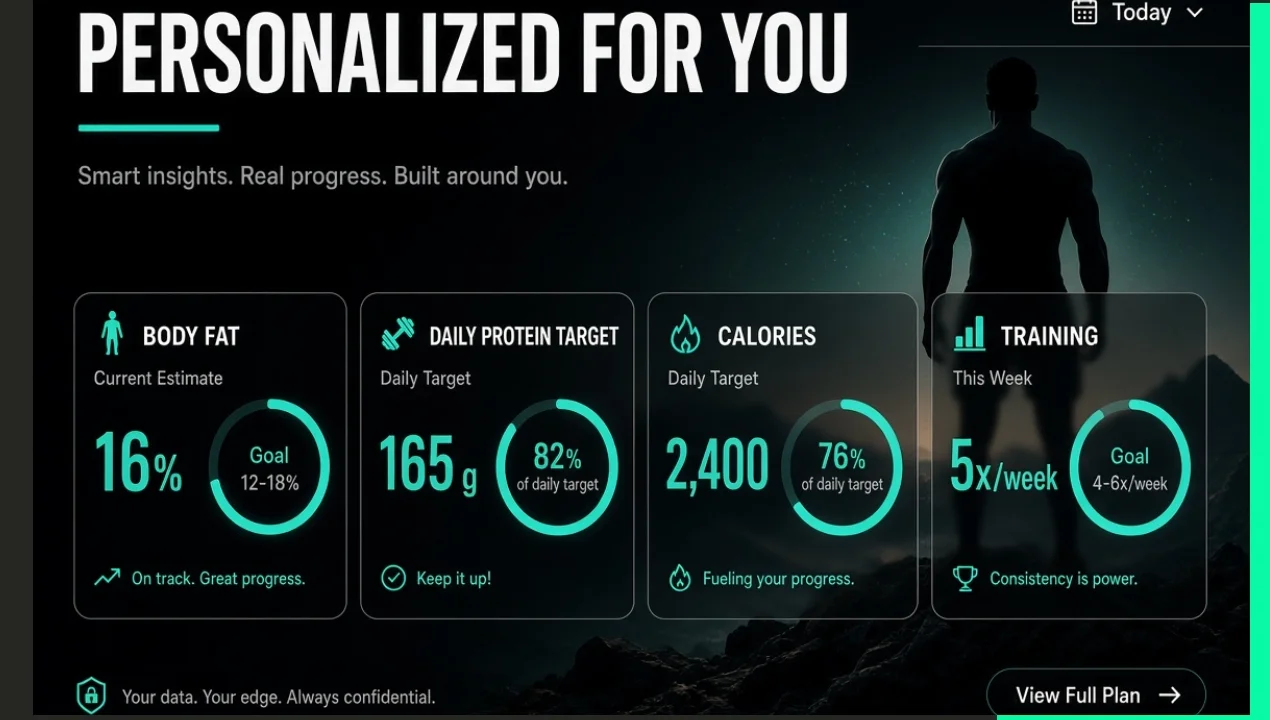
⚖️ Your Personalized Toolkit weight & calorie goals
Finding the right balance for weight management after 50 doesn't have to be guesswork. Whether you're using a weight loss calculator for women over 50 or a Calorie Deficit Calculator for Seniors, the key is personalization. Your body has changed—and your approach should change too.
Below, we've outlined the essential tools and steps to help you understand your unique energy needs, set a safe deficit, and track progress in a way that supports muscle preservation and long-term vitality.
Weight Loss Calculator women 50+
- Adjusts for age-related metabolic slowdown
- Factors in activity level & daily movement
- Provides a safe 10–15% calorie deficit range
- Estimates protein needs to preserve lean mass
Calorie Deficit Calculator seniors
- Uses Mifflin-St Jeor BMR equation (most accurate for seniors)
- Applies activity multipliers calibrated for older adults
- Recommends a deficit of 200–400 kcal/day
- Provides protein guidance to maintain muscle
📋 How to Use These Tools Together
Start with the weight loss calculator for women over 50 or the Calorie Deficit Calculator for Seniors to get your baseline numbers. Enter your age, height, weight, gender, and activity level.
Review your recommended calorie target. Both calculators will show your maintenance calories and your safe deficit range. For most seniors, a deficit of 200–400 calories per day is ideal for losing 0.5–1 lb per week.
Use the results to plan your meals. Prioritize protein (aim for 1.2–1.6 g/kg of body weight) and include plenty of fiber-rich vegetables, healthy fats, and whole grains. Adjust portion sizes to match your target.
Re-calculate periodically. As you lose weight, your calorie needs will change. Revisit the Calorie Deficit Calculator for Seniors every 5–10 pounds to keep your plan accurate and effective.
📌 Summary: Your calorie needs change as you age primarily due to sarcopenia—the gradual loss of muscle mass—which lowers your resting metabolic rate. This means your body requires fewer calories to maintain basic functions, making weight management more challenging without adjusting your intake or activity levels.
To navigate these changes safely, start by calculating your BMR and TDEE using a reliable calorie deficit calculator for seniors. This will give you a clear picture of your unique energy needs. From there, aim for a moderate deficit of 10–15%—typically 200–400 calories per day—to promote gradual weight loss without triggering muscle loss or nutritional deficiencies.
For women over 50, a weight loss calculator for women over 50 can be particularly helpful, as it accounts for hormonal shifts and the specific challenges of this life stage. And to track your progress, a weight loss percentage calculator provides a meaningful metric that goes beyond the scale, focusing on the proportion of weight lost rather than just the numbers.
Remember, sustainable weight management after 50 isn't about drastic measures—it's about small, consistent changes that honor your body's evolving needs. With the right tools and knowledge, you can achieve your health goals while preserving vitality, strength, and well-being for years to come.
✉️ Get in Touch
Questions about exercises, nutrition, or home safety? Send us a message.


Be aware, Obesity has been linked to an increased risk of breast cancer. Let’s prioritize our health by adopting a healthy diet, engaging in regular physical activity, and maintaining a healthy weight
Combine the power of Ozempic/ Wegovy with a balanced diet and exercise routine for even better results. Embrace a healthy lifestyle and watch those pounds melt away!
Counting calories and using a weight loss calculator can be game-changers
When it comes to weight loss and diabetes management, choosing the right foods is crucial. Including healthy fish in your meal plan can provide you with a lean source of protein and essential nutrients, all while keeping your blood sugar levels in check
A weight calculator as an alternative to BMI? Count me in! It’s exciting to see new tools that offer a more personalized approach to health assessment
Great post, How to Use This Powerful Tool for Your Nutritional Strategy
i’ve been using this weight loss app for a few weeks now, and it’s been a game-changer! highly recommend giving it a try!
This is a very informative post. I had no idea that waist-to-hip ratio could be a better indicator of health risks than BMI. Thanks for sharing this valuable information
Track Your Body Fat for Healthy Weight Loss. Take control of your health and energy levels in your 50s! Our weight loss calculators, focused on body fat, empower you with the knowledge to make informed choices and achieve a healthier, more vibrant you