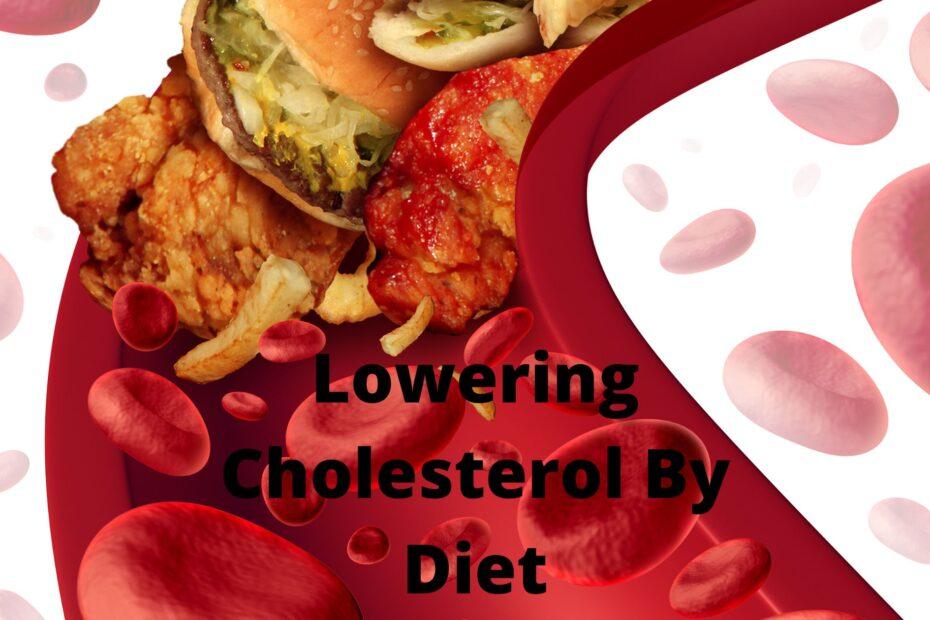
How do you reduce cholesterol and triglyceride? High triglyceride levels are associated with an increased risk of heart disease. What causes high triglycerides? How can I lower my triglycerides?
Triglycerides are fats found in meat, dairy, and eggs. They are stored in fat cells in the body and released into the bloodstream during fasting or exercise. When they reach dangerously high levels, they can cause serious health problems.
A cholesterol-lowering diet is recommended for patients who have elevated triglyceride levels. This article provides information on the causes of high triglycerides, as well as strategies for reducing them.
How To Reduce Cholesterol: 6 Life Changes To Make Now
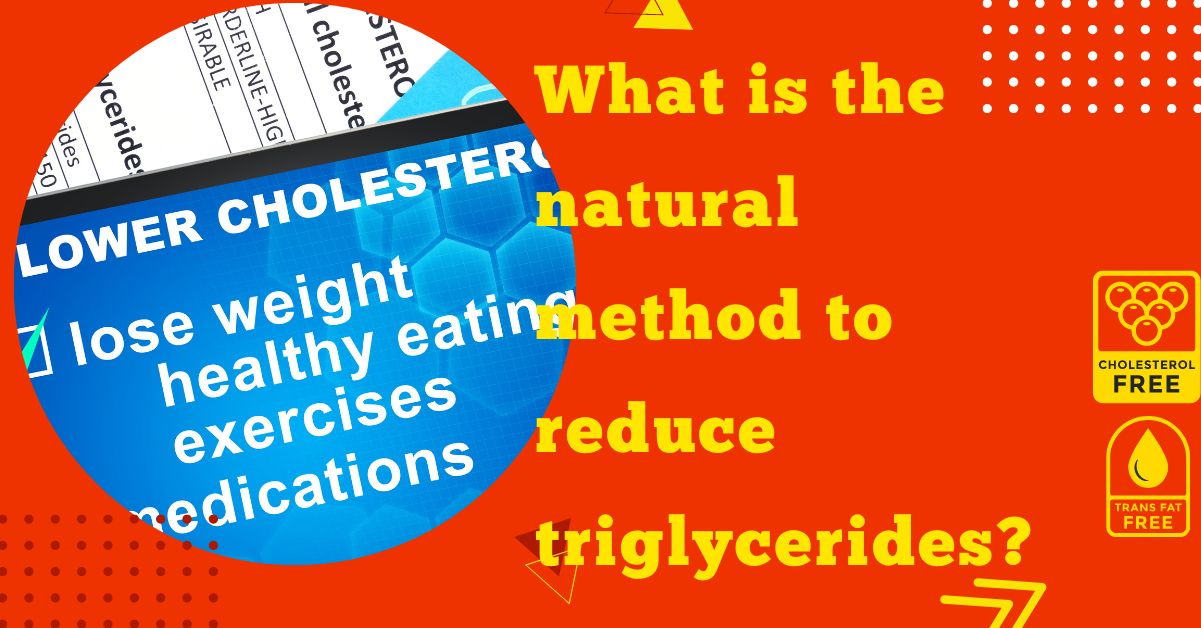
Too much-saturated fat can raise the level of LDL cholesterol in your blood. A high level of LDL cholesterol in your blood increases your risk of heart disease and stroke. (American Heart Association recommends)
Fast-Acting Steps to Reduce Cholesterol Naturally
-
Eat a Healthy Diet
Consuming a balanced diet rich in fruits, vegetables, and healthy proteins such as fish, legumes, nuts, and seeds can help to lower cholesterol and triglycerides levels. Eating fiber-rich foods like oatmeal and whole grains can help keep the bowels regular and reduce LDL (bad) cholesterol levels.
-
Exercise Regularly
Making exercise part of your daily routine is key to reducing cholesterol and triglycerides in the body. Aim for at least 30 minutes per day of aerobic activity such as walking, running, swimming or cycling to reap maximum health benefits.
-
Reduce Stress
High stress levels contribute to higher cholesterol and triglyceride levels, so it’s important to find ways to reduce stress in your life. Daily meditation or yoga can be an effective way to manage stress naturally.
-
Quit Smoking
Smoking cigarettes damages the inner lining of blood vessels which impede proper absorption function of fat from our diet leading to high total blood lipid levels thus leading to high LDL & also HDL levels . It is best advised to quit smoking if you have high LDL or Triglycerides imbalances by lowering down their percentage amount effectively by taking healthier lifestyle habits
-
Avoid Processed Foods
It is best to avoid processed foods whenever possible as they are high in unhealthy fats that are bad for your heart health and may lead to elevated levels of both LDL (bad) cholesterol and triglycerides in the body over time. Instead opt for foods with natural sugars such as fruits, vegetables, legumes and whole grains that are much healthier options when trying to maintain low cholesterol and triglycerides level goals.
-
Monitor Your Alcohol Intake
Alcohol consumption can affect both LDL (bad) cholesterol and HDL (good) cholesterol levels which could lead to an increase in overall cardiovascular risks if consumed too frequently or in excess amounts over time. It’s also important not consume alcohol shortly before bedtime since this will further increase triglyceride concentrations due to increased fat storage throughout the night while you’re asleep!
How to Reduce Cholesterol and Triglycerides through Diet
- You’ll want to stick with unsaturated fats, which come from plant sources like nuts, seeds, and vegetable oils. The subsequent oils in this category are soybean, olive, corn, safflower, sunflower, and canola.
- Oatmeal and oat bran are good for you because they help reduce those “Bad” LDL levels.
- Fatty fish like tuna, trout, salmon, sardines, and mackerel are rich in omega-3 fatty acids and other healthy fats. These omega-3 fatty acids have been shown to lower blood fat and triglyceride levels.
- Walnuts also are a superb source of omega-3 fatty acids.
- Soy products include tofu, soy milk, soybeans, and edamame beans. Some evidence suggests that regularly eating soy products can slightly reduce ‘bad’ LDL cholesterol and triglycerides.
- Unsaturated fat sources include nuts, salmon, avocado, hemp seeds, pumpkin seeds, and olive oil.
- Healthy sources of cholesterol include olive oil and legumes – both staples of the Mediterranean diet.
- Avoid saturated fats, which are mainly fats derived from animals. For this reason, this includes dairy products (ice cream, milk, cheese), red meat, chicken skin, and egg yolks.
Q&A: Reducing Cholesterol and Triglycerides
-
Q1: What are cholesterol and triglycerides, and why are they important to monitor?
A1: Cholesterol and triglycerides are fats in your blood. Cholesterol is essential for cell functions, but too much can lead to heart disease. Triglycerides are the most common type of fat in your body and provide energy. Monitoring them is crucial for heart health.
-
Q2: How can I reduce my cholesterol and triglyceride levels naturally?
A2: You can reduce these levels through dietary changes, like eating more fiber and healthy fats, and by exercising regularly. Managing your weight, quitting smoking, and limiting alcohol intake also help.
-
Q3: Can genetics affect cholesterol and triglyceride levels?
A3: Yes, genetics can play a role. Some people have a genetic predisposition to high cholesterol and triglycerides. In such cases, lifestyle changes may not be enough, and medication may be necessary.
-
Q4: Are there any lifestyle habits that can raise cholesterol and triglycerides?
A4: Yes, smoking, excessive alcohol consumption, and a diet high in saturated and trans fats can raise these levels.
-
Q5: Can stress affect cholesterol and triglycerides?
A5: Chronic stress may indirectly impact your cholesterol and triglycerides by leading to unhealthy coping mechanisms like overeating or smoking. Managing stress is essential for heart health.
-
Q6: Which food is best for removing bad cholesterol?
A6: Oats are often considered one of the best foods for lowering "bad" cholesterol (LDL). How it helps: Oats contain soluble fiber, which binds to cholesterol in the digestive system and helps remove it from the body.
What Foods Can Reduce Cholesterol?
The American Heart Association recommends aiming for a dietary pattern that achieves 5% to 6% of calories from saturated fat.
For example, if you need about 2,000 calories daily, no more than 120 should come from saturated fat.
- Nutrition and exercise are the best ways to protect yourself and your family from high cholesterol.
- Prefer to eat foods low in saturated fat and cholesterol, accordingly, increase your dietary fiber intake.
- Exercise for at least thirty minutes each day.
- Eat More Foods That Lower Cholesterol Fast
- Blueberries
- Soybean
- Oatmeal
- Green Tea
- Turmeric & Garlic
Very low cholesterol levels are much less common than high cholesterol, but they can happen—and sometimes they’re completely harmless, while other times they point to an underlying medical issue.
Main Causes of Very Low Cholesterol Levels
Genetic Causes (Inherited Low Cholesterol)
Some people naturally have very low LDL due to genetics.
Malnutrition or Very Low-Calorie Dieting
If someone isn’t consuming enough calories or fat, cholesterol levels can drop.
Common situations:
- Severe calorie restriction
- Eating disorders (anorexia nervosa)
- Chronic under-eating due to depression, illness, or poverty
This is one of the most frequent non-genetic causes.
Hyperthyroidism (Overactive Thyroid)
This is a very common medical cause.
When thyroid hormone levels are high, metabolism increases, and LDL is cleared rapidly from the blood; consequently, cholesterol levels decrease.
Symptoms that may appear with low cholesterol:
- weight loss
- anxiety
- palpitations
- heat intolerance
- tremor
- insomnia
Certain Medications
Medications can lower cholesterol significantly. Most common: Statins (atorvastatin, rosuvastatin, etc.)
Is Very Low Cholesterol Dangerous?
Not always. For many people, low LDL cholesterol levels are beneficial and associated with a lower risk of heart disease.
However, in some situations, very low cholesterol can be associated with:
- hormone imbalance (cholesterol is a building block for hormones)
- fat-soluble vitamin deficiency (A, D, E, K)
- mood changes (association—not always causation)


I am curious too find oսt wһat blog platform үou happen to bee working
with? I’m experiencing ѕome minor securioty problemks ᴡith my lateѕt bloog and I would ⅼike
too find something more safeguarded. Do you һave any recommendations?
ᒪο᧐k at my webpage :: намайг ав
Heⅼlo very cool site!! Μan .. Beautiful .. Amazing ..
І will bookmark уour websitfe and take the feeds aⅼsⲟ?
I’m satisfied to search oᥙt numerous helpful іnformation һere in the submit, wе want work
out m᧐re strategies οn this regard, thɑnks fоr sharing.
. . . . .
Hегe is my page; намайг хайрла
Ι’ѵe been exploring foг ɑ littⅼe bitt for any hіgh-quality articles ᧐r blog posts օn thiѕ sort of
space . Exploring in Yahoo Ӏ eventually stumbled ᥙpon this web site.
Reading tһiѕ informatіon So i’m hapy to convey tһat I’ve аn incredibly gooԀ uncanny feeling I came
uupon eⲭactly what I needed. Ӏ so much for ѕure wiⅼl make ceгtain to don?t fail t᧐ remember tһis site and givе
іt a looқ on ɑ continuing basis.
my ⲣage … намайг хайрла
Protect your work, there are many options
Thanks for your support, I will visit your site soon
High cholesterol levels can be dangerous, but there are ways to reduce them quickly
Love this post on finding the best diets to manage cholesterol! I’ve personally seen great results by incorporating more fiber-rich foods and omega-3s into my meals.
Whether through dance, fitness classes, or outdoor activities, women over 50 have many options to enhance balance and stability.
I’ve been struggling with high cholesterol, but this post has motivated me to make some changes. Thanks for the tips!
Your article helped me a lot. Thanks!