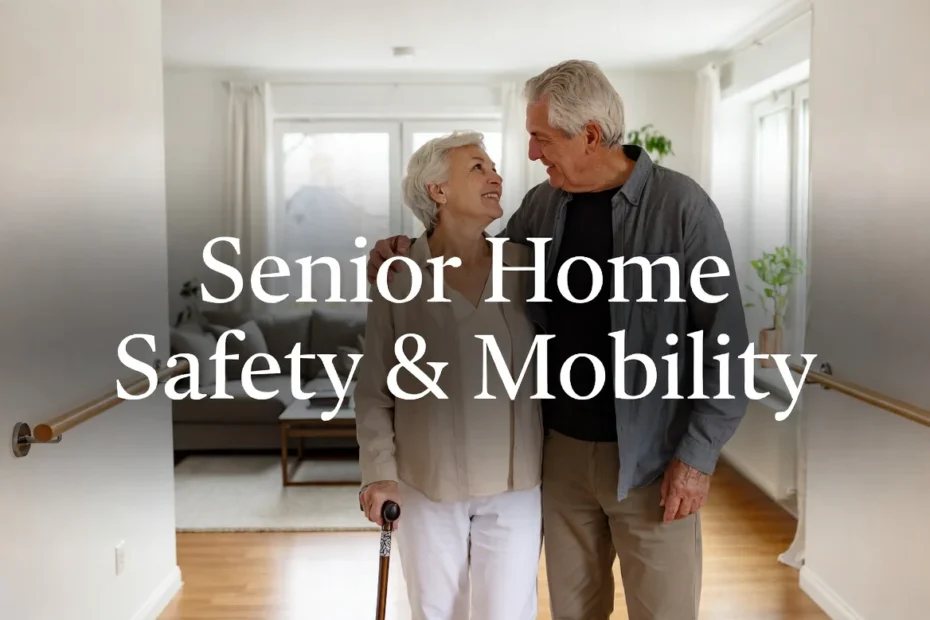
📅 You wake up stiff. You can't find your glasses. You forget whether you took your morning pill. And that rug in the hallway? You've tripped on it twice this week.
If any of this sounds familiar, you're not alone. These aren't signs of "getting old" — they're everyday problems for elderly that have practical, simple solutions. You don't need a complete home renovation or expensive gadgets. You need small, smart changes that work with your life, not against it.
This guide walks you through the 7 most common challenges seniors face at home — mobility, memory, vision, hearing, loneliness, medications, and nutrition — and gives you actionable solutions you can try today. No medical jargon. No gimmicks. Just real help for real life.
💡 Start here: Choose ONE problem from the list below. Try ONE solution. That's your win for the week.
🏠 From Memory Lapses to Fall Prevention Tips for Seniors at Home: Solving Everyday Problems for the Elderly
📅 Aging brings wisdom and perspective — but it can also bring daily challenges that feel overwhelming. The good news? You don't need complicated fixes. Simple, practical solutions can help you stay safe, independent, and confident at home. Below are 5 common problems and realistic ways to address them.
💡 The goal isn't perfection — it's progress.
Pick ONE problem from above. Try ONE solution this week. That's how independence is built — one small step at a time.
⚡ 3 Quick Wins: Improve Your Day Today
| If this is a problem… | Try this today |
|---|---|
| 🚶♂️ Worried about falling | Move one small rug that slips. Add a nightlight to your hallway. |
| 💊 Forgetting medications | Put your pill bottle next to your coffee maker or toothbrush. |
| 📞 Feeling lonely | Schedule one phone call for tomorrow morning. Just 5 minutes. |
7 Everyday Problems for Elderly: Challenges & Solutions
Understanding the most common challenges of aging and practical strategies to maintain independence, safety, and quality of life.
Mobility Issues & Fall Risk
Reduced mobility affects balance and coordination, increasing fall risk—one of the leading causes of injury among seniors.
- Remove hazards and improve home lighting
- Use mobility aids like canes or walkers
- Practice daily balance and strength exercises
- Wear supportive, non-slip shoes
Memory Loss & Cognitive Decline
Memory issues can disrupt routines and independence. Conditions may worsen over time.
- Maintain consistent routines
- Use reminders and notes
- Engage in puzzles and mental activities
- Stay socially connected
Vision Clarity & Eye Health
Difficulty seeing in low light or reading small text is common. Vision decline can increase fall risk and reduce independence if left unaddressed.
- Schedule regular eye exams
- Use proper lighting at home
- Wear updated prescription glasses
- Use magnifiers or large-print materials
Hearing & Communication
Hearing loss can make conversations difficult, especially in noisy environments, leading to frustration and social withdrawal.
- Get regular hearing tests
- Use modern hearing aids if needed
- Reduce background noise during conversations
- Practice clear and face-to-face communication
Loneliness & Social Isolation
Social isolation is a growing concern. According to it significantly impacts health and longevity.
- Stay in regular contact with family
- Join local or online communities
- Engage in meaningful hobbies
- Consider companionship services
Medication Management
Managing multiple medications daily can be confusing and risky without proper organization.
- Use pill organizers
- Set reminders or alarms
- Review medications with doctors
- Involve caregivers when needed
Poor Nutrition & Low Appetite
Reduced appetite and changes in taste can lead to poor nutrition, affecting overall health and energy.
- Eat small, nutrient-rich meals
- Stay hydrated
- Prepare simple, easy meals
- Consult a professional about supplements

Non common issues faced by the elderly vs Common issues
| Common Everyday Problems | Non-Common / Subtle Issues |
|---|---|
| Physical Arthritis & Joint Pain Standard wear-and-tear leading to decreased mobility and morning stiffness. | Psychological "Loss of Purpose" Syndrome The existential struggle of shifting from a lifelong career to unstructured time. |
| Sensory Vision & Hearing Decline Presbyopia and age-related hearing loss that affects social engagement. | Biological Taste & Smell Blunting Decreased sensory input leading to accidental malnutrition or salt over-consumption. |
| Safety Balance & Fall Risks Reduced muscle strength and inner-ear changes making falls a primary concern. | Technology Algorithmic Isolation Digital echo chambers that can disconnect seniors from current social norms and news. |
| Cognitive Forgetfulness / Brain Fog Routine lapses in memory often linked to lifestyle or early cognitive changes. | Metabolic Atypical Infection Symptoms Infections like UTIs manifesting as confusion rather than typical fever or pain. |
Why Understanding Elderly Challenges Matters
Addressing these common elderly problems isn’t just about comfort—it’s about preserving independence, dignity, and quality of life.
Small adjustments in daily routines, home environments, and social habits can significantly improve well-being.
Family members, caregivers, and communities all play a vital role in supporting older adults through these changes.
Final Thoughts
The process of aging is an inevitable and natural chapter of the human experience, but it is important to remember that struggling through daily routines doesn’t have to be your baseline. By proactively recognizing the most common everyday problems for elderly individuals and applying modern, practical solutions, it is entirely possible to cultivate a lifestyle that is not only safer and healthier but also deeply fulfilling.
One of the primary everyday problems for elderly adults in 2026 is the “independence gap,” in which physical changes outpace the traditional home environment. However, this gap can be closed through intentional lifestyle shifts. Whether your focus is on improving functional mobility through water exercises, staying mentally resilient with cognitive “Brain-Flex” challenges, or maintaining vital social connections via niche online communities, every small adjustment serves as a building block for long-term autonomy.
Ultimately, the goal of addressing everyday problems for elderly seniors is to shift the narrative from “decline” to “design.” By utilizing tools like VPNs for digital safety, embracing anti-inflammatory nutrition for gut health, and leveraging smart home technology for fall prevention, you reclaim the CEO seat of your own health journey. Taking these proactive steps ensures that you are not just managing your senior years but mastering them with the dignity and vitality you deserve. For the modern adult over 60, these strategies are the essential “passports” to a vibrant and independent future.


