
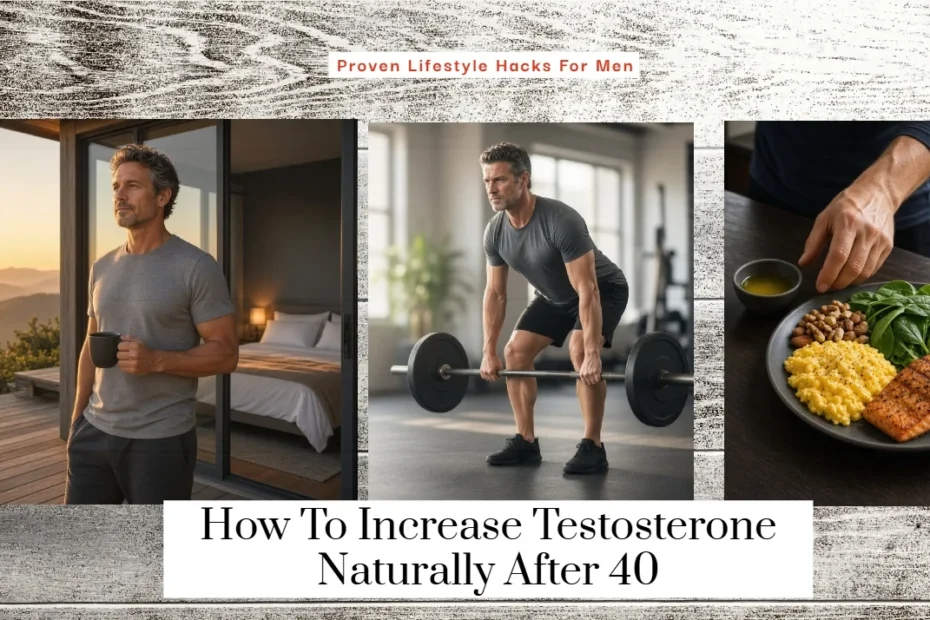
Maintaining optimal energy, muscle mass, and vitality becomes increasingly challenging as men age. After reaching peak levels in early adulthood, testosterone production gradually declines by about 1% every year—making it essential to learn how to increase testosterone naturally after 40. While many turn directly to clinical interventions, everyday lifestyle habits like sleep quality, strength training, and stress management play a far more foundational role in hormone optimization than most realize.
Table of Contents
ToggleWhether you notice subtle shifts in recovery time, motivation, or body composition, a proactive approach can deliver real results. By focusing on evidence-based lifestyle adjustments, you can effectively increase testosterone naturally after 40 and rebuild sustainable vitality without relying solely on synthetic solutions.
However, testosterone is not limited to men; it’s vital for women, too, influencing libido, mood, and bone health. Maintaining an optimal testosterone balance is essential for overall well-being.
Optimizing Hormonal Health: Nutrition, Lifestyle & Physiology
A comprehensive overview of foundational dietary strategies, essential nutrients, lifestyle choices, and physiological factors that influence hormonal synthesis and overall vitality.
Foundational Macronutrients & Minerals
Proper hormonal synthesis relies heavily on key dietary building blocks. Incorporating the right fats, proteins, and minerals provides the biochemical foundation for health.
Zinc Deficiency And Low Testosterone
Foods Rich in Zinc - Zinc is an essential mineral for testosterone production, regulating enzymes responsible for converting cholesterol into testosterone. Foods like oysters, beef, poultry, nuts, and seeds provide necessary synthesis building blocks while supporting immunity and wound healing.
Importance of Healthy Fats
Monounsaturated and saturated fats are integral to hormone production and cellular health. Foods like avocados, olive oil, nuts, and fatty fish aid in maintaining proper hormonal balance, supporting muscle growth and cognitive function.
Role of Protein
Protein supports muscle repair and growth, indirectly contributing to hormone metabolism. Consuming adequate protein from lean meats, poultry, fish, eggs, and dairy is a fundamental aspect of a hormone-optimizing diet.
Vitamins & Age-Related Hormonal Decline
Essential Vitamins & Minerals
Vitamin D, vitamin B6, and magnesium are vital for enzymatic reactions in hormone synthesis. Fatty fish (salmon, mackerel), fortified cereals, bananas, leafy greens, and whole grains are excellent sources.
To explore baseline balances across genders, learn more about testosterone levels in males and females.
The Influence of Age
Hormone levels naturally decline after age 30, affecting energy, libido, and muscle mass. Nutrient-dense foods and regular physical activity mitigate age-related drops.
Read our specialized guides on addressing low testosterone in men over 60 and optimizing health for women over 50.
Hormonal Balance & Lifestyle Factors
Phytoestrogens & Balance
Phytoestrogens mimic estrogen in the body. While beneficial in moderation, excessive intake from soy-based products may interfere with hormonal balance and increase estrogenic activity. Moderation is advisable when optimizing hormone levels.
Lifestyle & Stress Management
Regular exercise (especially resistance training), stress reduction via meditation, and quality sleep significantly boost hormone production and regulate body systems.
Practical Meal Planning, Body Weight & Testosterone-Boosting Recipes
Maintaining a healthy weight is crucial, as excess body fat promotes the conversion of testosterone into estrogen. Incorporating targeted, nutrient-dense recipes into your daily menu is a delicious and nutritious way to support hormonal health and sustainable weight management.
Sample Hormonal Support Meal Plan:
• Breakfast: Omelette with spinach & mushrooms (protein, healthy fats & magnesium).
• Lunch: Salmon with avocado salsa (omega-3s & healthy monounsaturated fats).
• Snack: Greek yogurt parfait with berries & nuts (vitamin D & protein).
• Dinner: Lean beef and broccoli stir-fry (high-quality protein & zinc).
Featured Testosterone-Boosting Recipes
Try these recipes that feature vital ingredients known to enhance androgen and virility levels naturally:
Salmon with Avocado Salsa
This dish combines fatty fish (rich in omega-3s) with avocados (a prime source of healthy fats) for a double androgen boost. Grill or bake a salmon fillet and top it with a zesty salsa made from diced avocados, tomatoes, onions, cilantro, and fresh lime juice.
Lean Beef & Broccoli Stir-Fry
Lean beef is an exceptional source of protein and zinc, while broccoli adds crucial cruciferous nutrients and fiber. Sauté lean beef strips with garlic, ginger, and broccoli florets in a light, savory sauce of soy sauce, honey, and sesame oil.
Greek Yogurt Parfait
Greek yogurt is packed with protein and serves as an excellent source of vitamin D to support overall hormone levels. Layer Greek yogurt with fresh berries, chopped nuts, and a light drizzle of raw honey.
Omelette with Spinach & Mushrooms
Whole eggs are rich in high-quality protein and essential cholesterol needed for hormone synthesis. Whisk your eggs, fold in sautéed spinach and mushrooms rich in magnesium and minerals, and cook until perfectly set for a dense morning start.
Supplements, Herbs, & Consumption Factors
Alcohol & Caffeine
Excessive alcohol disrupts hormone balance and lowers production. High caffeine can elevate cortisol, indirectly impairing testosterone. Moderation is key.
Testosterone-Enhancing Herbs
Herbs like ashwagandha, tribulus terrestris, and tongkat ali have traditional support, though individual results vary. Use under healthcare guidance.
Supplement Options
D-aspartic acid and fenugreek may aid synthesis and estrogen management. Always consult a medical professional before beginning supplementation.
Always consult a qualified healthcare professional before starting any new exercise routine, making major dietary changes, or attempting to increase testosterone naturally after 40 if you have underlying endocrine or health conditions. If you experience sudden dizziness, chest pain, shortness of breath, or severe symptoms, seek immediate medical attention.

Natural Hormone Optimization: The Workout Guide
🏋️ 1. Resistance Training
⚙️ 2. Compound Exercises
⏱️ 3. High-Intensity Interval Training (HIIT)
🏃 4. Sprint Intervals
💤 5. Adequate Rest and Recovery
Frequently Asked Questions: Hormones, Diet & Lifestyle
Explore science-backed answers on how daily habits, training, nutrients, and recovery directly influence your testosterone production.
What is the connection between sleep and testosterone?
The majority of daily testosterone release occurs during deep, uninterrupted REM sleep. Studies show that sleeping only 5 hours per night can lower testosterone levels by 10% to 15% in healthy men after just one week. Prioritizing 7 to 9 hours of quality sleep nightly is essential for maintaining optimal hormonal balance.
Does stress lower testosterone levels?
Yes, chronic psychological or physical stress elevates cortisol, often referred to as the primary stress hormone. Elevated cortisol directly inhibits the production and biological action of testosterone. Managing stress through active relaxation, mindfulness, and adequate rest helps prevent chronic cortisol spikes.
How does a zinc deficiency contribute to low testosterone?
Zinc is a crucial mineral required for luteinizing hormone (LH) secretion and the enzymatic pathways that convert cholesterol into testosterone. A severe or moderate zinc deficiency impairs testicle function and androgen production. Replenishing zinc through dietary sources or targeted supplementation helps restore optimal levels.
How does intermittent fasting affect testosterone levels?
Short-term intermittent fasting (such as a 16:8 protocol) can boost luteinizing hormone and improve insulin sensitivity, both of which support natural androgen health. However, prolonged fasting or severe caloric deprivation can elevate cortisol and signal energy scarcity to the body, ultimately leading to a drop in overall testosterone synthesis.
How does resistance training increase testosterone?
Progressive resistance training, such as weightlifting and compound exercises (squats, deadlifts, bench presses), triggers a acute hormonal response that stimulates muscle protein synthesis and androgen receptor density. Consistently challenging major muscle groups triggers long-term endocrine adaptions that favor higher baseline testosterone production.
What is the link between Vitamin D and testosterone levels in men?
Vitamin D acts as a steroid hormone in the human body, with receptors located throughout the male reproductive system. Research demonstrates a strong correlation between adequate Vitamin D status and higher circulating total and free testosterone. Men with low serum Vitamin D often experience significant hormonal improvements after reaching suffiency.
How does alcohol consumption affect testosterone levels?
Excessive alcohol intake directly damages the Leydig cells in the testes responsible for testosterone production, disrupts the hypothalamic-pituitary-gonadal (HPG) axis, and increases the conversion of testosterone into estrogen. Moderate consumption has minimal impact, but chronic heavy drinking markedly impairs male hormone production.
Can citrus peels, honey, and mezcal treat prostatitis? How To Increase Testosterone Naturally After 40??
Boiled orange and lemon peels combined with honey contain bioactive flavonoids and antioxidants with preliminary research supporting general anti-inflammatory and prostate-protective properties. However, there is no direct clinical evidence proving this mixture treats or cures prostatitis. Furthermore, adding distilled spirits like mezcal can irritate the bladder, disrupt pelvic blood flow, and potentially aggravate prostate inflammation.
📢 share this article
✨ tap to share — help others crack the comment code


Pingback: How Do Testosterone Levels Differ Between Males & Females?
Pingback: Man Health: Say Goodbye To Low Testosterone With These Tips
Pingback: Puede La Deficiencia De Testosterona Causar Depresión?
Pingback: You Won't Believe How Berries Can Impact Your Blood Pressure
Pingback: Myths and Truths About Hypothyroidism and Weight Loss
Pingback: Benefits Of Celery Seed: 6 Easy Ways To Add Flavor To Dishes