
If you’ve ever felt like you’re doing everything “right” but the scale just won’t budge, you’re not alone. It’s a frustrating experience—especially after 50, when your body seems to respond differently than it used to. But here’s the truth that changes everything: the culprit might not be what you’re eating, but the sneaky, everyday patterns you’ve hardly noticed.
These are what we call weight gain triggers—subtle, often unconscious behaviors that quietly sabotage your efforts. They’re not signs of failure or weakness; they’re simply patterns that have become automatic over time. And the good news? Patterns can be changed.
In this guide, we’ll shine a light on nine common weight gain triggers that could be holding you back—from late-night snacking to distracted eating and poor sleep. More importantly, we’ll show you how to gently shift these patterns with practical, sustainable strategies.
This isn’t about “breaking bad eating habits” through willpower alone. It’s about understanding why these patterns exist and replacing them with empowering choices that support your health and well-being. Whether it’s stress, boredom, or simply a busy schedule, we’ll help you identify your unique weight gain triggers and create a personalized plan to overcome them.
Because here’s the most empowering truth of all: You are not broken. Your habits are just on autopilot—and it’s never too late to reprogram them.
Let’s get started.
Why This Matters for You Over 50
Your body is changing — and so are the ways these hidden patterns affect you. Here's what you need to know.
The weight gain triggers we're about to explore aren't just "bad habits" — they're patterns that become amplified with age. After 50, your body responds differently to stress, food, and lifestyle choices. Understanding why is the first step to making lasting change.
Hormonal Shifts
Declining estrogen (women) and testosterone (men) affect metabolism, fat storage, and appetite regulation.
Slower Metabolism
Muscle mass naturally decreases with age, which means your body burns fewer calories — even at rest.
Sleep & Stress
Sleep quality often declines, and stress can become more chronic — both of which increase cravings and fat storage.
What worked in your 30s or 40s may not work the same way now. That's not a failure — it's a natural evolution. The good news? By understanding these changes, you can adapt your approach and find what works for your body today.
Bad Habits People Have – Bad Habits that make you fat:
Bad habits prevent you from accomplishing your goals. They jeopardize your health — both mentally and physically. And they waste your time and energy.
James Clear said, ” Most of your bad habits are caused by two things… Stress and boredom. Most of the time, bad habits are simply a way of dealing with stress and boredom.”
Your 9 Hidden Weight Gain Triggers
These subtle, everyday patterns could be quietly holding you back. Let's shine a light on them — and find simple ways to shift them.
Eating Right Before Bed
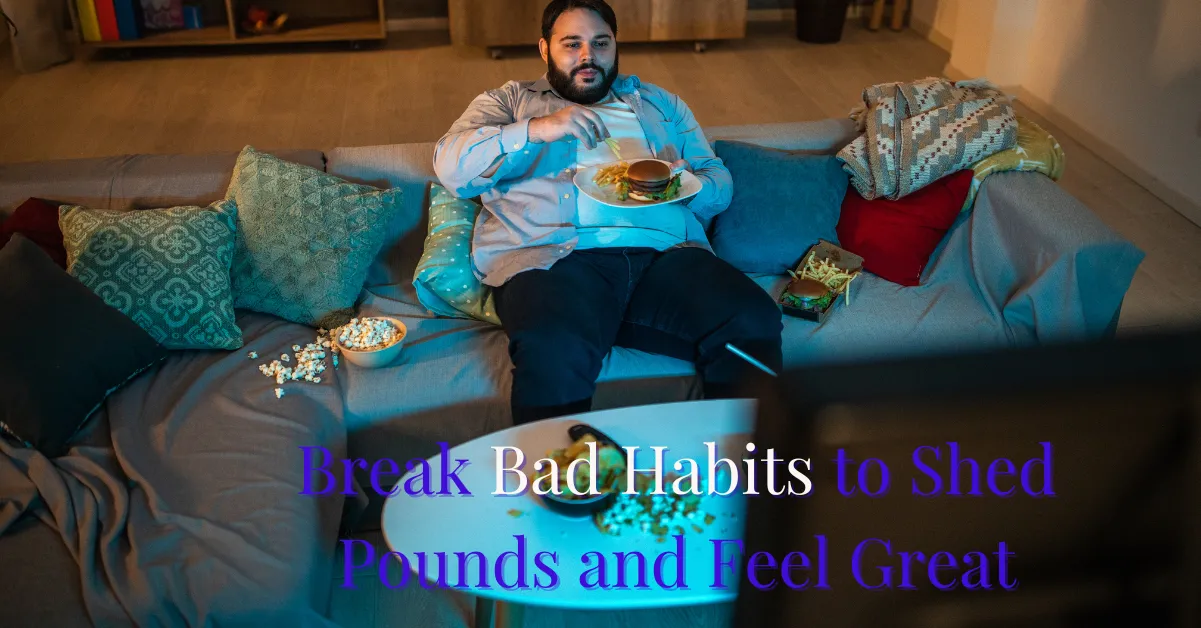
Late-night eating often becomes a pattern: cravings rise, portion control drops, and the foods chosen are usually calorie-dense (cookies, chips, chocolate). For many, it's not true hunger — it's habit, fatigue, or stress. Eating close to bedtime can also disrupt sleep and digestion.
Poor Sleep Quality
When your sleep schedule is inconsistent, your hunger hormones can shift. You may feel hungrier the next day, crave sugar, and have lower willpower around snacks. Bad sleep also increases "reward eating," where food is used to feel better or stay alert.
Distracted Eating
Eating while watching TV, scrolling, or working makes it easy to miss fullness signals. You eat faster, chew less, and often keep snacking because your brain is focused elsewhere. This habit is strongly linked to "mindless calories."
Stress and Anxiety
Stress can trigger "emotional hunger," where the goal isn't nourishment — it's relief. Many people instinctively reach for sweets or ultra-processed foods because they provide quick comfort. Over time, this pattern can increase weight and reduce quality of life.
Eating Too Fast
Fast eating makes it easy to overshoot your needs. Large bites and rushing through meals reduces awareness of fullness, so you may eat far more than intended before your appetite signals "catch up."
Sedentary Lifestyle
Physical inactivity is a major driver of weight gain. When we sit more, we often snack more — and our bodies burn fewer calories. Over time, inactivity can affect metabolism, muscle strength, circulation, inflammation, and mood.
Skipping Breakfast
Some people do well without breakfast, but many experience stronger cravings later and overeat in the afternoon or evening. A balanced morning meal can support energy, stabilize appetite, and improve food choices throughout the day.
Excess Salt Intake
Your body needs sodium, but too much can contribute to fluid retention and may negatively affect heart and kidney health. High-salt diets also make processed foods more "craveable," which can increase calorie intake.
Not Drinking Enough Water
Hydration supports kidney function, digestion, circulation, and waste removal. Mild dehydration can feel like hunger, leading to extra snacking. It can also reduce exercise performance and energy.

Your Action Plan: How to Shift These Patterns
A gentle, step-by-step guide to reprogramming your habits — at your own pace.
You are not alone. Every single one of these patterns developed for a reason — often as a way to cope with stress, fatigue, or simply the busyness of life. The goal isn't to "break" them overnight. It's to understand them and gently reprogram them with choices that serve you better.
Start by exploring proven strategies for managing weight at 60 — a great foundation for your journey.
Choose One Pattern to Shift
Start small. Pick one hidden habit or weight gain trigger that feels most manageable. Trying to change everything at once often leads to burnout — and you deserve better than that.
Understand Your "Why"
Get curious, not judgmental. Ask yourself: "What purpose does this pattern serve?" Is it stress relief? Comfort? A way to cope with boredom? Understanding the root helps you find a healthier alternative.
Create an Empowering Alternative
Instead of "stopping" a habit, replace it with something that nourishes you. Evening snacking → herbal tea. Stress eating → a 5-minute walk or breathing practice. Boredom → a hobby or a glass of water.
Set a Gentle Start Date
Choose a specific day to begin your new pattern. Write it down. This small act of commitment creates a sense of intention and makes the change feel real — and achievable.
Be Kind to Yourself
Change is rarely linear. You might have a day where you slip back into an old pattern — and that's completely normal. It's not a failure. It's just a signal to gently guide yourself back.
Remember: The journey to better health isn't about perfection — it's about progress. Start where you are, use what you have, and do what you can. Every small step is a victory.
Discover more mind-body-spirit practices to support your holistic well-being.
Pattern → Empowering Alternative
Explore effective exercises for seniors over 60 to complement your journey.
Your Journey to Empowering Change
If you've ever felt frustrated by gaining weight suddenly or wondered why old patterns keep showing up, you're not alone. These hidden triggers — from late-night snacking to stress eating — are not signs of failure. They're simply patterns your body and mind adopted to cope with the demands of life.
The good news? Patterns can be changed. Not through willpower or punishment, but through understanding, curiosity, and gentle self-compassion. By identifying your unique weight gain triggers and replacing them with empowering alternatives, you can reprogram your habits and reclaim your health — one small step at a time.
Remember: The journey to better health isn't about being perfect — it's about showing up for yourself, day after day. Every small choice adds up to a healthier, happier you.
Breaking habits requires intention, effort, and perseverance. By understanding the principles behind the 21-day rule and implementing effective strategies, you can successfully reshape your behaviors and cultivate positive habits.
Change takes time, so be patient with yourself and stay focused on your goals. Every step forward — no matter how small — is a victory worth celebrating.
🧘♀️
Your turn!
9 Sneaky Habits That Make You Gain Weight (And How to Break Free) Certain unconscious routines might be quietly sabotaging your weight loss efforts
✨ Every comment helps and inspires — we can't wait to read yours!

Senior Nutrition Tips
Get daily recipes, superfood guides, and nutrition strategies designed for energy, strength, and healthy aging.
Join Our Facebook Community
Connect with others, discover daily senior wellness tips, fitness ideas, and healthy recipes to stay active and independent.
Fitness & Healthy Aging
Explore low-impact workouts, balance exercises, and strength routines to improve mobility and independence.


