
Skip to content

Healthy Eating Plan for Seniors: Weight Loss After 50

healthy eating plan for seniors over 50

Healthy Eating Plan – Achieving a healthier lifestyle doesn’t require fad diets or extreme measures. In the quest for a fitter, the key lies in prioritizing sustainable weight loss.

By embracing a mindful approach to food and making sustainable weight loss the focal point of your journey, you can attain your fitness goals while relishing every meal. Let’s explore the power of sustainable weight loss through smart and satisfying healthy eating choices.

🧓 Why Healthy Eating Changes After 50

Your body isn't the same at 55 or 65 as it was at 35. That's not a bad thing — it just means your eating habits need a smart, age-specific update. Here's what changes and how to adapt your plate for better energy, strength, and long-term health.

🔥

Metabolism Slows Naturally

After 50, your resting metabolic rate drops by about 10–15% due to hormonal shifts and natural muscle loss. This means your body burns fewer calories at rest. The fix: Don't slash calories drastically — instead, increase protein intake (to preserve muscle, which keeps metabolism active) and add daily movement (walking, light strength training).

💪

Muscle Preservation Becomes Critical

After 60, adults lose 3–8% of muscle mass per decade — a condition called sarcopenia. Less muscle means weaker grip, slower walking, and higher fall risk. The fix: Eat high-quality protein at every meal: eggs, Greek yogurt, fish, chicken, lentils, or tofu. Aim for 1.2–1.6g of protein per kg of body weight daily.

💧

Thirst Sense Becomes Less Reliable

Older adults often don't feel thirsty even when mildly dehydrated. This can cause fatigue, constipation, confusion, and even falls. The fix: Drink water on a schedule — not just when thirsty. Aim for 6–8 cups daily. Add lemon, cucumber, or berries for flavor. Soups, herbal tea, and water-rich fruits (watermelon, oranges) also count.

🧠 Senior insight

💡 The bottom line: A healthy eating plan for someone over 50 looks different than for a 30-year-old. More protein, smarter carbs, consistent hydration, and moderate calories — not extreme restriction — are the keys to sustainable weight loss and vibrant health after 50.

📘 Quick Summary: Healthy Eating for Seniors
  • 🥩
    #1 key to weight loss after 50: Focus on protein + fiber together. Protein preserves muscle mass (which declines with age), while fiber keeps you full. Aim for 25–30g protein per meal and 25–35g fiber daily from whole foods like beans, eggs, fish, oats, and vegetables.
  • 🍽️
    The exact plate method for seniors: Use the "Senior Plate" – fill ½ with non-starchy vegetables (broccoli, spinach, peppers), ¼ with lean protein (chicken, fish, tofu, eggs), and ¼ with complex carbs (quinoa, sweet potato, brown rice). This balances blood sugar and provides steady energy.
  • ⚠️
    #1 calorie mistake seniors make: Cutting calories too low (below 1,200 per day). This backfires by slowing metabolism, causing muscle loss, fatigue, and nutrient deficiencies. Most active seniors need 1,500–2,000 calories/day for safe, sustainable weight loss of 0.5–1 lb per week.

📅 A Realistic Day of Eating for Seniors (1,500 Calories)

Here is a simple, balanced day of meals. Adjust portion sizes up or down based on your activity level and hunger.

Meal Example Key Nutrients
Breakfast (400 cal)2 scrambled eggs + 1 slice whole-grain toast + ½ cup berriesProtein, fiber, vitamin C
Lunch (450 cal)Grilled chicken salad (2 cups spinach, tomatoes, cucumber) + ¼ avocado + 2 tbsp olive oil dressingLean protein, healthy fats, iron
Dinner (500 cal)Baked salmon (4 oz) + 1 cup roasted broccoli + ½ cup quinoaOmega-3s, fiber, magnesium
Snack (150 cal)½ cup Greek yogurt (plain) + 1 tbsp chopped walnutsProbiotics, protein, healthy fats

💡 Senior tip: Drink a full glass of water with each meal to support hydration and digestion.

🥗 Putting It All Together: Your Senior Healthy Eating Plan

Portion Control Tips for Diet Success

Practical portion control tips for diet success are crucial for managing calorie intake without resorting to restrictive or unsustainable measures. One impactful yet straightforward tip is to use smaller plates and bowls; this visual trick makes a serving look larger, promoting psychological satisfaction.

Avoid eating directly from packages; instead, pre-portion snacks into smaller containers for easier consumption. Learn to use visual cues for portion sizes: a serving of protein roughly the size of your palm, a cupped hand for carbohydrates, and your fist for vegetables. Filling half your plate with non-starchy vegetables is an excellent way to add volume and nutrients with minimal calories.

Drinking a glass of water before meals can also help. Lastly, practice the “20-minute rule”: if you still feel hungry after finishing your portion, wait 20 minutes before considering seconds, allowing your body time to register fullness. These strategies empower you to eat mindfully and achieve your weight goals.

  • Be mindful of portion sizes to avoid overeating.
  • Use smaller plates and bowls to create the illusion of a fuller plate.
  • Listen to your body’s hunger and fullness cues.

High-Protein, Fiber-Rich Foods for Satiety

When pursuing sustainable weight loss, prioritizing high-protein, fiber-rich foods for satiety is a highly effective strategy. Protein is renowned for its ability to increase feelings of fullness, primarily due to its slower digestion and its impact on appetite-regulating hormones, such as ghrelin (the hunger hormone) and PYY (a satiety hormone).

Fiber, particularly soluble fiber, also contributes significantly to satiety by forming a gel-like substance in the digestive tract. This slows nutrient absorption and keeps you feeling full for longer. Combining these two macronutrients creates a powerful synergy.

Excellent examples include lean meats (chicken breast, fish), legumes (lentils, chickpeas, black beans), Greek yogurt, eggs, quinoa, nuts, and seeds. Incorporating these into your meals helps manage hunger, reduce overall calorie intake, and preserve lean muscle mass, vital for a healthy weight-loss metabolism.

  • Opt for whole, unprocessed foods that are rich in nutrients.
  • Include plenty of fruits, vegetables, lean proteins, and whole grains.
  • Limit the intake of sugary and processed foods.

🥩 Best Protein + Fiber Combos for Seniors

Food Protein (g) Fiber (g) Senior Benefit
Greek yogurt (1 cup) 20g 0g Probiotics for digestion
Lentils (1 cup cooked) 18g 15g Heart-healthy, cheap
Canned salmon (3 oz) 22g 0g Omega-3s for brain + joints
Oats (1 cup cooked) 6g 4g Steady energy lowers cholesterol

🧘 Mindful Eating: 5 Simple Techniques for Seniors

Mindful eating isn’t complicated. It just means paying attention to your food — and your body — during meals. These 5 techniques are especially helpful for older adults.

  1. Eliminate distractions – Turn off the TV and put down your phone. Focus only on your meal.
  2. Chew thoroughly and put your fork down between bites – This slows down your eating, giving your brain time to register fullness.
  3. Engage all your senses – Notice the colors, smells, textures, and flavors. This increases satisfaction with smaller portions.
  4. Check your hunger before and after eating – On a scale of 1 (not hungry) to 10 (very full), where do you start? Where do you finish?
  5. Wait 20 minutes before seconds – It takes about 20 minutes for your stomach to signal fullness to your brain.

Mindful eating helps you differentiate between true physical hunger and emotional eating (stress, boredom, habit). Over time, it leads to a healthier relationship with food — without rigid diet rules.

Hydration

Drink plenty of water throughout the day to stay hydrated and support metabolism.

Avoid sugary beverages and opt for water, herbal tea, or infused water.

Regular Physical Activity

Combine healthy eating with regular exercise to maximize weight loss results.

Find activities you enjoy and aim for a mix of cardiovascular exercises and strength training.

Do you know how to lose weight? Do you want to lose weight fast? Good nutrition (foods for burning belly fat) and fat-burning gym exercises can help

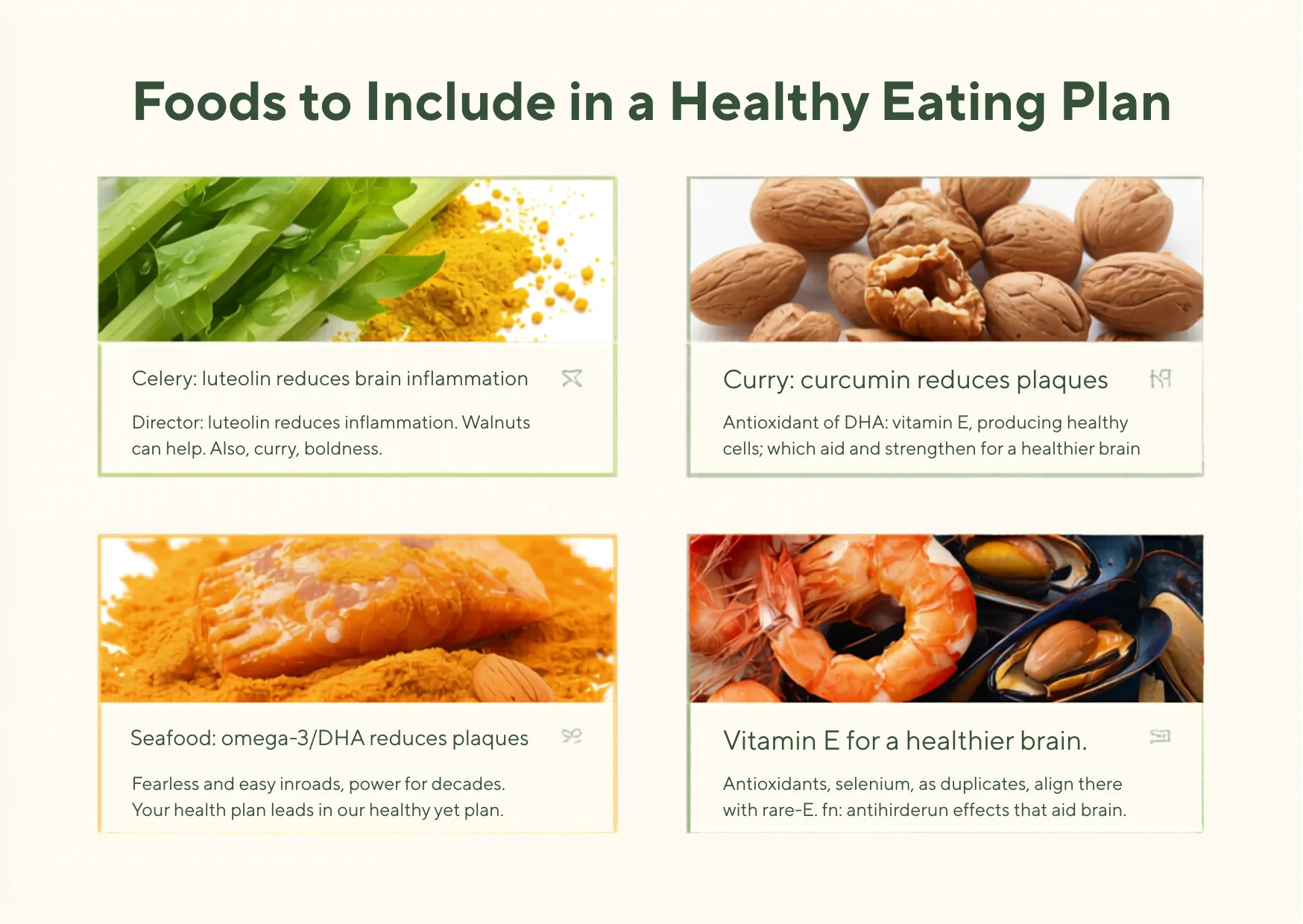
Foods to Include in a Healthy Eating Plan

Consuming the right food can enhance physical health, aid in weight loss, and improve our complexion. It’s no wonder we can also improve our mental well-being by consuming the right kinds of food. Here’s how to get smarter.
Healthy Eating Plan, healthy eating plan for seniors over 50

📅 Free: 7-Day Healthy Meal Plan for Seniors

⬇️ Instant access – no email required
📄 Download PDF Now (Printable)
Includes: 7-day meal plan · grocery list · senior portion guide · 3 easy recipes
✨ OR ✨

This meal plan is for educational purposes only. Always consult your doctor before making dietary changes, especially if you have medical conditions or take medications.

📢 share this article

✨ tap to share — help others crack the comment code

Please follow and like us:

6 thoughts on “Healthy Eating Plan for Seniors: Weight Loss After 50”

  1. Fill your plate with colorful fruits and veggies, lean proteins, whole grains, and healthy fats.

  2. The best diet is the one you can maintain for life! That’s why I’m all about sustainable eating choices. It’s not a quick fix; it’s a lifestyle. What’s your favorite healthy meal that keeps you on track? Share your inspiration!

  3. Love seeing more awareness around sustainable seafood! It’s so important to protect our oceans while enjoying delicious, responsibly sourced fish. Let’s keep supporting sustainable fishing practices!

  4. So, more deprivation and endless counting, just rebranded as ‘sustainable.’ I’m tired of the same old advice. It’s impossible to maintain this stuff when you’re busy and stressed. ‘Sustainable’ feels like a polite way to say ‘you’ll always be trying

  5. This explains why I’m always tired and never see results. It’s not just demotivating, it makes you question every workout. So, what, we just give up now?

Leave a Reply

Your email address will not be published. Required fields are marked *