
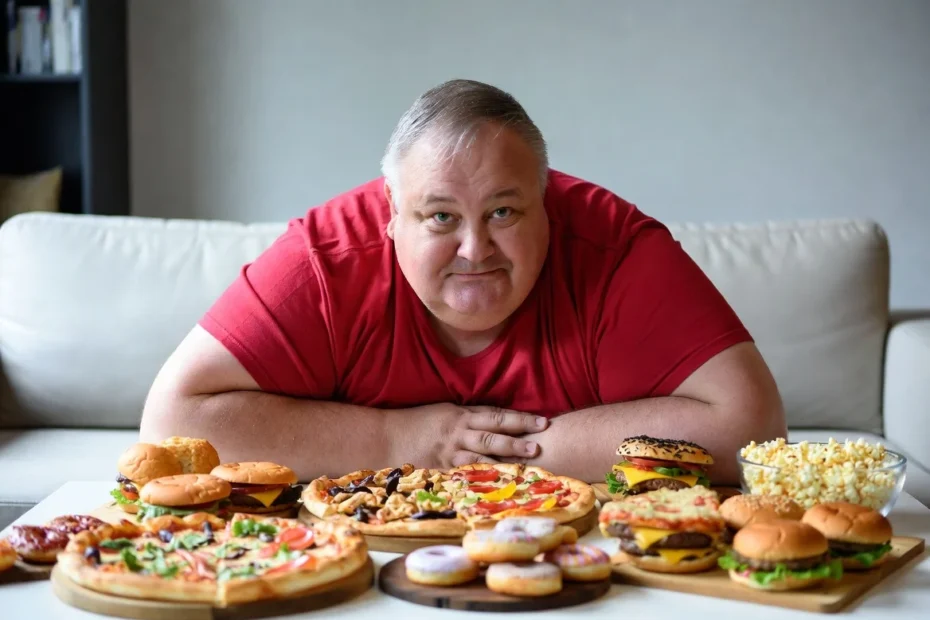
Carrying extra weight is something many of us face as we get older (severe obesity). It’s not about looks—it’s about how we feel, move, and enjoy our lives. The good news? Small, simple changes can make a real difference in how we feel every day.
Table of Contents
ToggleThe path to feeling better is built on simple, consistent habits. Eating well, moving more, and getting good rest are the cornerstones of a healthier, happier life—no matter where you’re starting from.
Your Journey to Feeling Better: Practical Wellness Tips for Managing Weight
🌿 How Carrying Extra Weight Affects Your Daily Life
How weight affects mobility after 50 is about more than numbers on a scale—it's about how we live, move, and feel every day. The good news? Small, consistent changes can make a real difference in how we experience life.
Understanding the Big Picture
It's important to remember that health is about more than weight alone. Our primary focus should always be on function, mobility, and how we feel—not just the number on the scale.
How It Shows Up in Daily Life
Mobility & Movement
How weight affects mobility after 50 can be felt in everyday moments. It might be harder to play with grandchildren, enjoy a vacation, or even get out of a chair comfortably. The good news? Gentle movement can help restore freedom and ease.
Energy & Vitality
Extra weight can make us feel tired and sluggish throughout the day. It's not about willpower—it's about how our bodies respond. Small changes in movement and nutrition can help boost natural energy levels.
Restorative Sleep
A restless night can affect our mood and energy the next day. Carrying extra weight can make it harder to get comfortable or breathe easily at night. Quality sleep is a cornerstone of feeling our best.
Confidence & Self-Esteem
Feeling good about ourselves is important at any age. When we struggle with weight, it can affect how we see ourselves and how we engage with the world. Remember: your worth isn't defined by your weight.
Social Connection
When we don't feel our best, we might withdraw from social activities or miss out on time with family and friends. Prioritizing our wellness isn't selfish—it helps us show up more fully for the people we love.
Mental & Emotional Health
Our physical and emotional health are deeply connected. Prioritizing health and function can help combat anxiety and depression, fostering self-esteem and emotional resilience.
🌱 Small Steps Toward Feeling Better
Adopting balanced habits isn't about perfection—it's about progress. Every small change adds up.
Remember: How weight affects mobility after 50 is a journey, not a destination. Be kind to yourself—every step forward matters. 🌿
Managing morbid obesity requires a comprehensive approach that includes healthy eating habits, portion control, regular physical activity, and support from healthcare professionals.
Adopting these strategies and staying committed to your goals can improve your health, achieve sustainable weight loss, and enhance your overall quality of life.
🌿 Your Practical Wellness Guide
Simple, Safe Steps to Help You Feel Better Every Day
Start Where You Are
"The best exercise is the one you'll do." This is the golden rule. Don't feel pressured to run a marathon or lift heavy weights on day one.
- Begin with 5-10 minutes of gentle movement each day. A short walk around your home, some light stretching, or marching in place while watching TV all count.
- Focus on consistency, not intensity. A 15-minute walk done daily is far more beneficial than an hour-long workout you do once and then abandon.
- Celebrate every victory. Did you move for 10 minutes today? That's a win! Building a habit is about positive reinforcement.
Wellness Tip: Even small increases in daily steps—like an extra 500 steps—can have a significant impact on how you feel.
Safety First: Your Health is the Priority
Always check with your doctor before starting any new routine. This is not medical advice—just a starting point for your journey.
- Schedule a check-up to discuss your plans. Your doctor can provide personalized advice based on your medical history.
- Listen to your body. Some muscle soreness is normal, but sharp pain, dizziness, or shortness of breath are warning signs. Stop and rest if you experience these.
- Start slowly and progress gradually. Increase the duration or intensity of your workouts by no more than 10% per week to avoid injury.
- Stay hydrated and dress appropriately. Drink water before, during, and after exercise, and wear comfortable, supportive shoes.
Related: If you experience dizziness, consult our guide on dizziness after 50 to understand potential causes.
Mix It Up: A Balanced Approach
A well-rounded wellness plan includes four key components. You don't need to do everything at once—just pick one to start.
- 🚶 Endurance: Brisk walking, swimming, or cycling. Improves heart health and mood.
- 💪 Strength: Resistance bands, light weights, or bodyweight exercises. Builds muscle and supports bone density.
- ⚖️ Balance: Standing on one leg (while brushing your teeth!), heel-to-toe walk, or Tai Chi. Prevents falls and improves coordination.
- 🧘 Flexibility: Stretching, yoga, or Pilates. Maintains joint mobility and promotes relaxation.
📖 For a full range of movement ideas, check out our complete guide: Mix It Up: A Balanced Routine for Over 50
Make It a Lifestyle: Long-Term Success
The goal is not a temporary program but a permanent, positive change in how you live.
- Find a workout buddy. Exercising with a friend or family member can boost motivation and make it more enjoyable.
- Join a class or group. Whether in-person or online, a community provides support and accountability.
- Use technology to your advantage. Explore fitness apps, online videos, or gentle programs designed for older adults.
- Be patient and kind to yourself. There will be days you miss a workout. That's okay. The key is to get back on track the next day without guilt.
Explore More: For more ideas on using tech for health, see our guide on wellness technology for over 50.
🌟 The Goal Isn't Perfection—It's Progress
Pick one small habit to focus on this week and celebrate that victory. Whether it's a 5-minute walk, drinking more water, or trying a new stretch, every step forward matters.
You deserve to feel good in your body at any age. This journey is yours alone, and you have the power to create a healthier, happier life—one small change at a time.
What will you focus on this week? Share in the comments below!
✉️ Get in Touch
Questions about exercises, nutrition, or home safety? Send us a message.


💬 Real Voices, Real Experiences
What people are saying about living with severe obesity—and finding hope
I was in pretty bad shape. I could hardly walk a block — forget about walking up a flight of stairs. I could barely get myself up from the floor. Even getting out of the couch was hard. Looking back on it, it's phenomenal how limited I had become.
Living with severe obesity meant my retirement years were slipping away before they even started.
Janet Allen
TODAY.com · Age 55
I'm so ashamed. But I also seem to fail at everything... I don't want to do it for a year, lose the weight and it all come back on. That's probably my biggest fear.
When you're dealing with severe obesity, the fear of failure can be paralyzing—it keeps you stuck in a cycle of shame and inaction.
FatsiaJaponicaInTheGarden
Mumsnet · Community Member
The Obesity UK Facebook group helped me more than I can explain—long before surgery, and even now. If sharing my story helps one person feel less alone, that's everything.
For anyone facing severe obesity, finding community can be the turning point that makes all the difference.
Rebecca Baxter
Obesity UK · Patient Advocate
Looking in the mirror, I could see myself: really slim, but drowning in loose skin, and my face was falling. 'This isn't what I thought it would be at all,' I thought. 'I've lost weight, and I'm literally being penalized for it.'
This honest perspective shows that overcoming severe obesity isn't just about the scale—it's about learning to accept what comes next.
Winter
The Daily Beast · Age 30
Starting a weight loss journey, especially after 40 or 50, brings unique challenges that require both physical and emotional resilience. From my personal experience, the toughest part isn't just the diet or exercise; it's maintaining the mindset to love and accept yourself through every phase of transformation.
When you've lived with severe obesity, self-compassion is the most powerful tool you can develop.
MikoBelles
Lemon8 · Wellness Creator
These comments are shared for educational and inspirational purposes. Individual experiences with severe obesity vary.