

You're tired all the time. You're thirstier than usual. And you've noticed your vision gets blurry sometimes. These could be early prediabetes symptoms – warning signs that your blood sugar is higher than normal. Prediabetes affects 1 in 3 American adults. Yet 80% of people with prediabetes don't even know they have it because the signs can be subtle or easily mistaken for everyday fatigue.
Table of Contents
ToggleRecognizing prediabetes symptoms early is your best chance to prevent type 2 diabetes. The good news? Prediabetes is reversible. With the right lifestyle changes, you can bring your blood sugar back to normal levels.
In this guide (updated for 2026), you'll discover:
- 🩺 7 early warning signs of prediabetes – for both women and men
- ⚧️ Gender-specific symptoms (PCOS in women, erectile dysfunction in men)
- 📊 The difference between prediabetes and type 2 diabetes
- 🥗 5 proven lifestyle changes to reverse prediabetes naturally
- 🩸 When to ask your doctor for an A1C test
Let's find out if you're at risk – and what to do next.
🩺 What Is Prediabetes? (And Why It Matters)
Prediabetes is your body's early warning system. It means your blood sugar levels are higher than normal – but not yet high enough to be diagnosed as type 2 diabetes. Unlike full-blown diabetes, prediabetes often has no obvious prediabetes symptoms, which is why millions of people have it without knowing.
Think of it as a yellow traffic light. You haven't crossed into danger, but you need to slow down and make changes. Recognizing subtle prediabetes symptoms – like fatigue, increased thirst, or blurred vision – can help you catch it early.
The good news? Prediabetes is reversible. With the right lifestyle changes, you can bring your blood sugar back to normal levels and prevent type 2 diabetes entirely.
📊 Key Numbers:
Normal: Below 5.7% A1C
Prediabetes: 5.7% – 6.4% A1C
Diabetes: 6.5% or higher
💡 Did you know? 1 in 3 American adults has prediabetes – but 80% don't know it. That's why recognizing the early warning signs and understanding prediabetes symptoms is so important for prevention.
⚠️ Medical Disclaimer: This article is for informational purposes only and is not a substitute for professional medical advice. If you are experiencing symptoms or have concerns about your blood sugar, consult your healthcare provider for proper testing and diagnosis.
⚠️ 7 Early Warning Signs of Prediabetes (Both Genders)
These symptoms affect men and women equally. If you experience several of these, talk to your doctor about getting your blood sugar tested.
1. Increased Thirst & Frequent Urination
High blood sugar makes your kidneys work harder, pulling more fluid out of your body. You feel thirsty, drink more, and urinate more often – especially at night.
2. Unexplained Fatigue
Insulin resistance prevents your cells from using glucose for energy. You feel tired, sluggish, or "run down" even after a full night's sleep.
3. Blurred Vision
High blood sugar causes the lenses in your eyes to swell, changing your vision. This is usually temporary and improves when blood sugar normalizes.
4. Unexplained Weight Changes
Some people gain weight (especially around the belly) due to insulin resistance. Others lose weight because their body can't use glucose properly.
5. Increased Hunger
Your cells aren't getting the energy they need from glucose, so your body keeps signaling "eat more" – even if you just ate.
6. Darkened Skin Patches
Called acanthosis nigricans – dark, velvety patches of skin on the neck, armpits, or groin. This is a common sign of insulin resistance.
7. Numbness or Tingling in Hands/Feet
High blood sugar can damage small nerves over time, causing a "pins and needles" sensation in your extremities.
⚠️ Note: You can have prediabetes without any symptoms. That's why regular checkups and blood tests are important – especially if you have risk factors like family history, excess weight, or a sedentary lifestyle.
📈 Prediabetes and Age: What Happens After 50?
Age is one of the strongest risk factors for prediabetes and type 2 diabetes. After age 50, your body undergoes several changes that affect blood sugar regulation – even if you've never had high glucose before.
50%
of adults over 65 have prediabetes
2-3x
higher risk of diabetes after 60
1 in 3
seniors has prediabetes but doesn't know it
🔬 Why Does Age Increase Diabetes Risk?
After 50, you lose 1-2% of muscle mass per year. Muscle is your body's biggest glucose absorber – less muscle means higher blood sugar.
Aging cells become less responsive to insulin, making it harder for glucose to enter cells – even if you're not overweight.
Metabolism slows with age, leading to fat accumulation around the abdomen – a major driver of insulin resistance.
Poor sleep increases cortisol and worsens insulin sensitivity. Many seniors sleep less deeply than they did in their 40s.
Some common medications (statins, beta-blockers, steroids) can raise blood sugar as a side effect.
The pancreas produces less insulin over time, making it harder to keep blood sugar in check.
✅ What Seniors Can Do to Prevent Prediabetes
Strength Training
Building muscle improves glucose disposal. Try resistance bands, bodyweight exercises, or light weights 2x/week.
Walk After Meals
A 10-15 minute walk after eating lowers post-meal blood sugar spikes by up to 30%.
Prioritize Protein & Fiber
Eggs, Greek yogurt, beans, and vegetables slow glucose absorption and preserve muscle.
Get A1C Tested Annually
After 50, annual blood sugar screening is essential – even if you feel fine.
💡 The bottom line: Age-related blood sugar changes are common, but not inevitable. The lifestyle changes that prevent prediabetes – more protein, strength training, walking after meals – also help you maintain mobility and independence as you age.
For safe, age-appropriate exercise ideas, check out our guide to strength training and balance exercises for seniors.
👩 Prediabetes Symptoms in Women: What to Watch For
Women experience unique symptoms of prediabetes due to hormonal fluctuations and conditions like PCOS. Here's what to look for:
Frequent Yeast Infections
High blood sugar creates an environment where yeast thrives. Recurring infections may be a sign of prediabetes.
PCOS (Polycystic Ovary Syndrome)
PCOS is strongly linked to insulin resistance. Women with PCOS are at higher risk for prediabetes and type 2 diabetes.
Irregular Menstrual Cycles
Hormonal imbalances from insulin resistance can disrupt your cycle, causing missed or irregular periods.
Gestational Diabetes History
Women who had gestational diabetes during pregnancy have a significantly higher risk of developing prediabetes later in life.
💡 If you have PCOS or a history of gestational diabetes, ask your doctor about regular A1C testing – even if you don't have other symptoms.
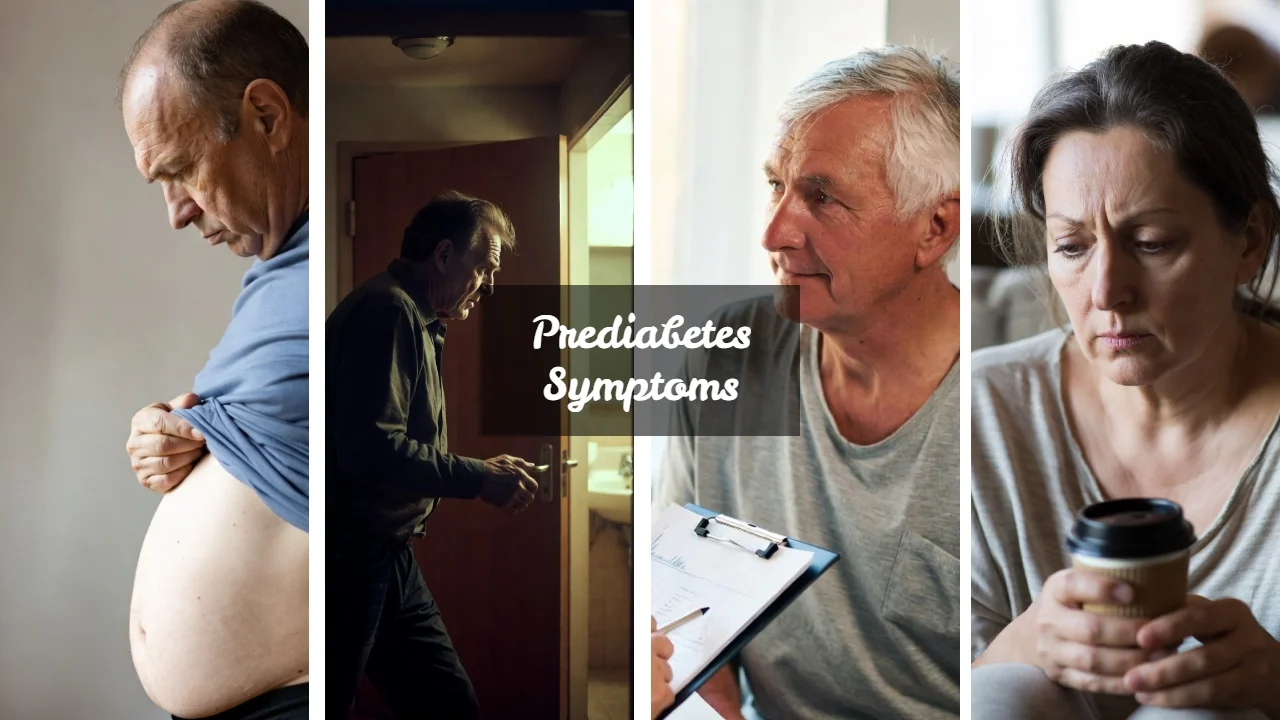
👨 Prediabetes Symptoms in Men: What to Watch For
Men also experience unique symptoms of prediabetes. These signs are often overlooked but can be early warning signals:
Erectile Dysfunction (ED)
High blood sugar damages nerves and blood vessels, affecting blood flow. ED can be an early sign of prediabetes – sometimes appearing years before other symptoms.
Reduced Libido (Low Testosterone)
Insulin resistance is linked to lower testosterone levels, which can reduce sex drive, energy, and muscle mass.
Slow Wound Healing
High blood sugar affects circulation and immune function, making cuts, scrapes, or surgical wounds heal more slowly than normal.
Belly Fat & Waist Size
Men with a waist circumference over 40 inches (102 cm) have a significantly higher risk of insulin resistance and prediabetes.
💡 If you're experiencing ED or reduced libido, don't just assume it's "part of aging." Ask your doctor to check your blood sugar and A1C levels – it could be an early warning sign of prediabetes.
📊 Prediabetes vs. Type 2 Diabetes: What's the Difference?
Fasting blood sugar: 100-125 mg/dL
A1C level: 5.7% - 6.4%
✅ Reversible with lifestyle changes
Fasting blood sugar: 126 mg/dL or higher
A1C level: 6.5% or higher
⚠️ Manageable (not reversible) with medication + lifestyle
The key takeaway: Catching prediabetes early gives you a window of opportunity to prevent type 2 diabetes entirely. That's why knowing the symptoms is so important.
❓ Frequently Asked Questions About Prediabetes
Short, evidence-based answers to the questions people ask most often about prediabetes, blood sugar, and diabetes prevention.
📊 1. What is the prediabetes A1C range?
The prediabetes A1C range is 5.7% to 6.4%. This test measures your average blood sugar over the past 2-3 months. A normal A1C is below 5.7%. Type 2 diabetes is diagnosed at 6.5% or higher. If your A1C falls into the prediabetes range, it's a warning sign – but also an opportunity to reverse course before diabetes develops. Ask your doctor for an A1C test if you have risk factors or notice any prediabetes symptoms.
🔄 2. Can prediabetes be reversed?
Yes – prediabetes is reversible. Unlike type 2 diabetes, prediabetes can often be fully reversed with lifestyle changes. Studies show that losing 5-7% of body weight (10-15 pounds for a 200-pound person) and exercising 150 minutes per week can bring blood sugar back to normal levels. The key is catching it early – which is why recognizing prediabetes symptoms and getting tested is so important. Once reversed, maintaining healthy habits prevents it from returning.
🚫 3. Can you have prediabetes without any symptoms?
Yes – and this is very common. In fact, 80% of people with prediabetes don't know they have it because they experience no obvious warning signs. That's why prediabetes symptoms can be subtle or nonexistent. Some people have symptoms like increased thirst or fatigue, but many feel completely normal. Regular blood sugar screening is essential – especially if you have risk factors like family history, excess weight, age over 45, or a sedentary lifestyle.
🍞 4. What foods should I avoid if I have prediabetes?
To reverse prediabetes, limit or avoid: sugary drinks (soda, sweet tea, fruit juice), refined carbohydrates (white bread, white rice, regular pasta), processed snacks (chips, crackers, cookies), and sugary breakfast cereals. Instead, focus on vegetables, lean proteins, beans, whole grains, and healthy fats like olive oil and avocados. For a complete eating plan, check out our Mediterranean diet guide for blood sugar control.
⚡ 5. How quickly can prediabetes turn into diabetes?
Without intervention, 25-30% of people with prediabetes develop type 2 diabetes within 3-5 years. However, this timeline varies based on genetics, weight, diet, and activity level. The good news? Lifestyle changes can dramatically slow or stop this progression. One landmark study (the Diabetes Prevention Program) found that lifestyle intervention reduced the risk of developing diabetes by 58% – and by 71% for adults over 60.
🩺 6. How often should I get tested for prediabetes?
The American Diabetes Association recommends screening every 3 years starting at age 45. If you have risk factors – such as family history of diabetes, excess weight, high blood pressure, or a history of gestational diabetes – screening should start earlier and occur annually. For seniors over 65, annual testing is strongly recommended, as age increases diabetes risk regardless of other factors. The standard tests are fasting blood glucose and A1C.
📌 Still have questions about prediabetes? Talk to your doctor – they can help you understand your personal risk, order the right tests, and create a prevention plan that works for you.
💪🩺 Conclusion: Know the Signs, Take Control
Prediabetes is your body’s early warning system — and recognizing the prediabetes symptoms can help you stop type 2 diabetes before it starts. Whether you’re a woman or a man, staying informed about the early signs of type 2 diabetes is essential for protecting your long-term health.
For women, the signs of type 2 diabetes may include frequent yeast infections, unexplained fatigue, or changes in menstrual cycles. Some signs of sugar diabetes in a woman may also involve excessive thirst, frequent urination, or blurry vision. Recognizing these symptoms of type 2 diabetes in women early can lead to faster diagnosis and more effective lifestyle changes.
Men, too, should stay alert. Symptoms of type 2 diabetes in men might include erectile dysfunction, slow wound healing, or numbness in the hands and feet. These signs of type 2 diabetes in men are often overlooked — but catching them early can be life-changing.
In both men and women, early signs of type 2 diabetes may appear mild or be mistaken for everyday fatigue or stress. That’s why regular checkups and blood sugar testing are so important — especially if you have risk factors like excess weight, a sedentary lifestyle, or a family history of diabetes. Don’t wait for obvious prediabetes symptoms to appear; by then, you may have already progressed to type 2 diabetes.
👣 Takeaway:
Understanding the warning signs is your first step toward preventing or managing diabetes. Stay proactive, eat well, move your body, and don’t ignore the signals your body is sending. Your future self will thank you.
📌 Ready to take action? Start with our Mediterranean diet guide for blood sugar control or gentle exercises for seniors to begin reversing prediabetes today.
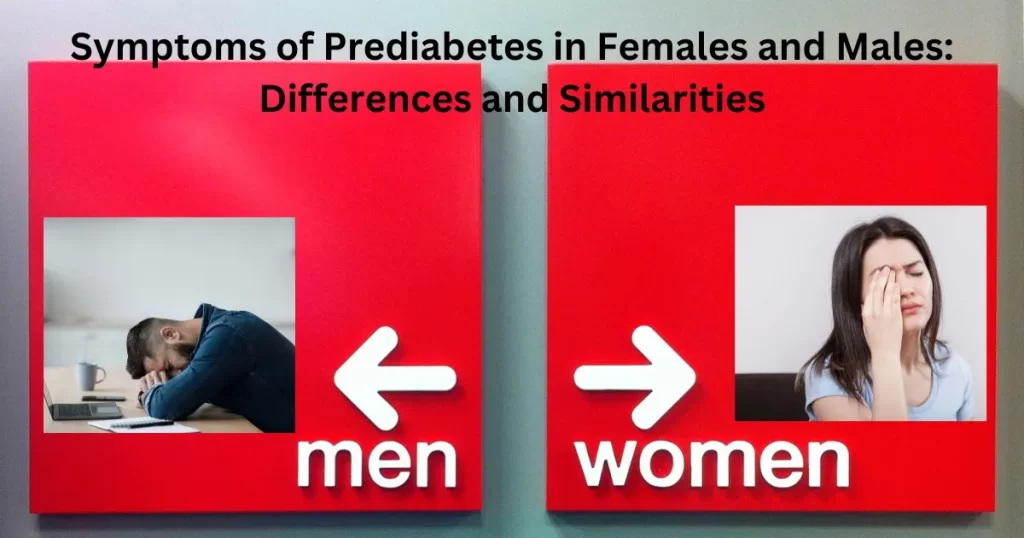
📢 share this article
✨ tap to share — help others crack the comment code


Just drink water!!! . Staying well-hydrated is vital in maintaining stable blood sugar levels.
Hydrate, hydrate, hydrate! Staying well-hydrated is vital in maintaining stable blood sugar levels
Dear Mishka, thank you for taking the time to comment on my LinkedIn post. I appreciate your engagement and feedback. It’s great to see that the topic resonated with you. If you have any further thoughts or insights to share, I would be delighted to continue the conversation. Once again, thank you for your contribution. Best regards, Dany
By choosing foods with a lower glycemic index, such as whole grains, legumes, non-starchy vegetables, and lean proteins, one can promote more stable blood sugar levels and sustained energy throughout the day.
was recently diagnosed with prediabetes and my doctor prescribed Ozempic. I was a bit apprehensive at first about starting a new medication, but I’m really glad I did.
Beyond medication, the cornerstone of my diabetes management is definitely healthy nutrition.